

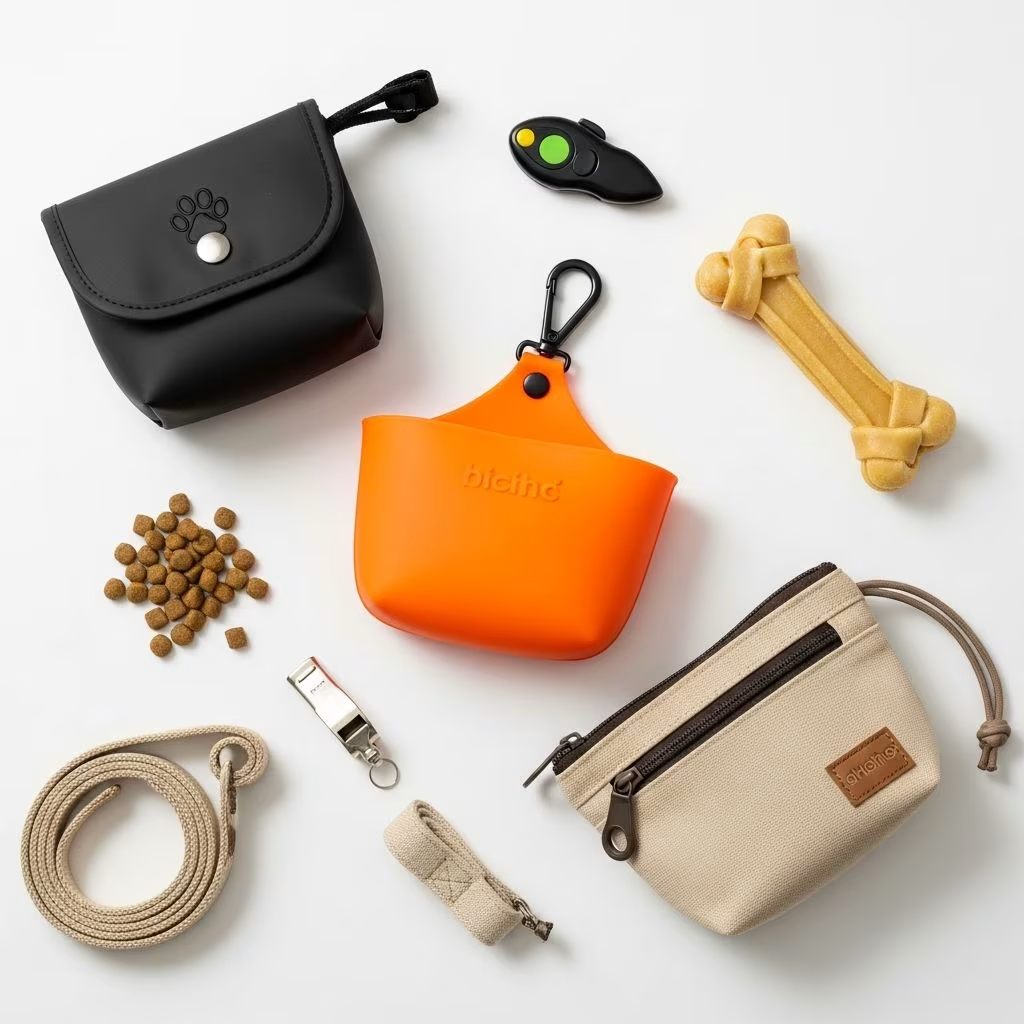
Dog treat pouches are essential tools for modern pet owners and trainers, enabling quick access to rewards during sessions. These accessories enhance positive reinforcement by allowing immediate treats for good behavior, improving focus and results.
Why Every Dog Trainer Needs a Treat Pouch
Treat pouches revolutionize training by providing hands-free convenience. Unlike pockets, which lead to fumbling and crumbs, pouches keep rewards organized and accessible. This setup supports precise timing, crucial for linking actions to rewards effectively.
Key advantages include:
- Immediate Rewards: Grab treats instantly to reinforce behaviors without delay.
- Freedom of Movement: Wear around the waist for agility, walks, or multi-dog sessions.
- Organization: Separate compartments prevent mixing treats and store extras like clickers or bags.
- Motivation Boost: High-value treats keep dogs engaged, especially for challenging skills.
Professionals emphasize consistency; pouches ensure reliable rewards, building trust and speeding learning.
Essential Features to Look For
Selecting the right pouch involves evaluating design elements for durability and usability. Prioritize materials that withstand daily use and greasy treats.
| Feature | Benefit | Example |
|---|---|---|
| Quick-Access Closure | Allows one-handed operation | Magnetic or drawstring |
| Waterproof Lining | Prevents leaks from moist treats | Silicone or nylon interior |
| Adjustable Strap | Fits all waist sizes securely | Belt loop or waistband |
| Extra Pockets | Stores poop bags, keys | Zip or flap compartments |
| Capacity | Holds 1-2 cups of treats | Spacious yet lightweight |
Sturdy clips prevent spills during active training, while lightweight fabrics ensure comfort over long sessions.
Our Top Recommendations for Treat Pouches
Based on functionality, user feedback, and versatility, here are standout options tailored for various training needs.
1. The Hands-Free Magnetic Pouch
This model features a magnetic closure for lightning-fast access, ideal for high-energy sessions. Its waterproof liner handles messy treats, and side pockets fit essentials. Perfect for agility or walks, it keeps hands free for leashes or commands.
- Pros: Ultra-quick open/close, leak-proof
- Cons: Smaller capacity for long days
- Best for: Beginners and active trainers
2. Versatile Multi-Compartment Bag
Designed with multiple sections, this pouch separates treats by dog or type, great for households with several pets. Adjustable belt ensures a snug fit, and durable fabric resists wear. Use it for kibble meals on the go too.
- Pros: Organizational dividers, expandable
- Cons: Slightly bulkier
- Best for: Multi-dog owners
3. Silicone-Lined Training Essential
Silicone construction offers easy cleaning and deep access without sticking. Clip-on design attaches to belts or packs, making it portable for hikes or park training. Holds ample treats while staying lightweight.
- Pros: Non-stick interior, easy wash
- Cons: Limited color options
- Best for: Outdoor enthusiasts
4. Compact Waist Trainer
A slim profile with drawstring top provides security and speed. Extra flap pocket secures valuables, and breathable mesh back prevents overheating. Excellent for urban walks or indoor sessions.
- Pros: Discreet, comfortable
- Cons: Less capacity
- Best for: Everyday use
5. Heavy-Duty Pro Pouch
Built for professionals, this features reinforced stitching, large capacity, and tool loops for clickers. Waterproof exterior shrugs off rain, ensuring reliability in any weather.
- Pros: High durability, pro features
- Cons: Higher price
- Best for: Serious trainers
How to Use a Treat Pouch Effectively
Integrate pouches into routines for maximum impact. Fill with small, soft treats your dog loves—size of a dime works best for quick delivery.
- Prep: Load with 20-50 treats per session.
- Position: Wear at hip level for easy reach.
- Timing: Reward within 1-2 seconds of behavior.
- Vary Rewards: Mix high and low-value to maintain interest.
- Clean Regularly: Wipe after use to avoid residue buildup.
For reactive dogs, toss treats to create distance safely. Track progress by noting behaviors reinforced per session.
Treat Pouch vs. Alternatives: A Comparison
Pockets and bags fall short compared to dedicated pouches.
| Option | Access Speed | Cleanliness | Mobility | Capacity |
|---|---|---|---|---|
| Treat Pouch | Fastest | High | Excellent | High |
| Pockets | Slow | Poor | Good | Low |
| Training Bags | Medium | Medium | Fair | High |
| Fanny Packs | Medium | Medium | Good | Medium |
Pouches excel in speed and hygiene, outperforming others for dynamic training.
Choosing Treats for Your Pouch
Pair pouches with appropriate rewards. Soft, smelly treats motivate best; avoid hard kibble that crumbles. Examples: freeze-dried liver, cheese bits, or commercial soft chews. Portion control prevents overfeeding—use as 10% of daily calories.
Common Mistakes and How to Avoid Them
Avoid these pitfalls for better results:
- Overloading: Too full slows access; keep half-empty.
- Poor Fit: Test strap tension to prevent bouncing.
- Inconsistent Use: Wear daily to build routine.
- Wrong Treats: Match to dog’s preferences for engagement.
Real-World Training Success Stories
Owners report faster recall with pouches; one multi-dog household managed sessions seamlessly by dividing treats. Agility competitors praise mobility, noting improved times from uninterrupted flow.
FAQs
What size treat pouch do I need?
Choose based on session length: small for short walks, large for all-day training. Aim for 1-cup minimum.
Are treat pouches machine-washable?
Many are; check labels. Spot-clean silicone ones easily.
Can I use pouches for puppies?
Yes, start early to teach positive associations.
How do I train without treats long-term?
Fade treats gradually, using praise or toys.
What’s the best material for hot weather?
Breathable mesh or lightweight nylon.
Maintenance Tips for Longevity
Empty after each use, air-dry, and store flat. Inspect straps monthly for wear. This extends life beyond a year of heavy use.
References
- 10 Reasons to use a Dog Treat Pouch — ACTIVEDOG Australia. 2023. https://activedog.com.au/blogs/news/10-reasons-to-use-a-dog-treat-pouch
- Why a Dog Treat Pouch Is the Ultimate Training Tool — Arctic Sammy. 2023. https://www.arcticsammy.co.nz/blogs/arctic-sammys-blog/why-a-dog-treat-pouch-is-the-ultimate-training-tool
- All About Dog Treat Pouches — J&J Dog Supplies. 2023. https://www.jjdog.com/blog/all-about-dog-treat-pouches/
- The Most Underrated Dog Walking Accessory? A Treat Pouch — True Charlie. 2023. https://www.truecharlie.com.au/blogs/news/the-most-underrated-dog-walking-accessory-a-treat-pouch
- The Benefits of a Treat Pouch — Baypath Humane Society. 2023. https://baypathhumane.org/the-benefits-of-a-treat-pouch/
- Top 3 Reasons you NEED a treat pouch! — YouTube. 2023. https://www.youtube.com/shorts/ZD0y-FEOYUg
- Dog Training Treat Bags – This Is What I Use And Why — dogsnet.com. 2023. https://dogsnet.com/dog-training-treat-bags/



