

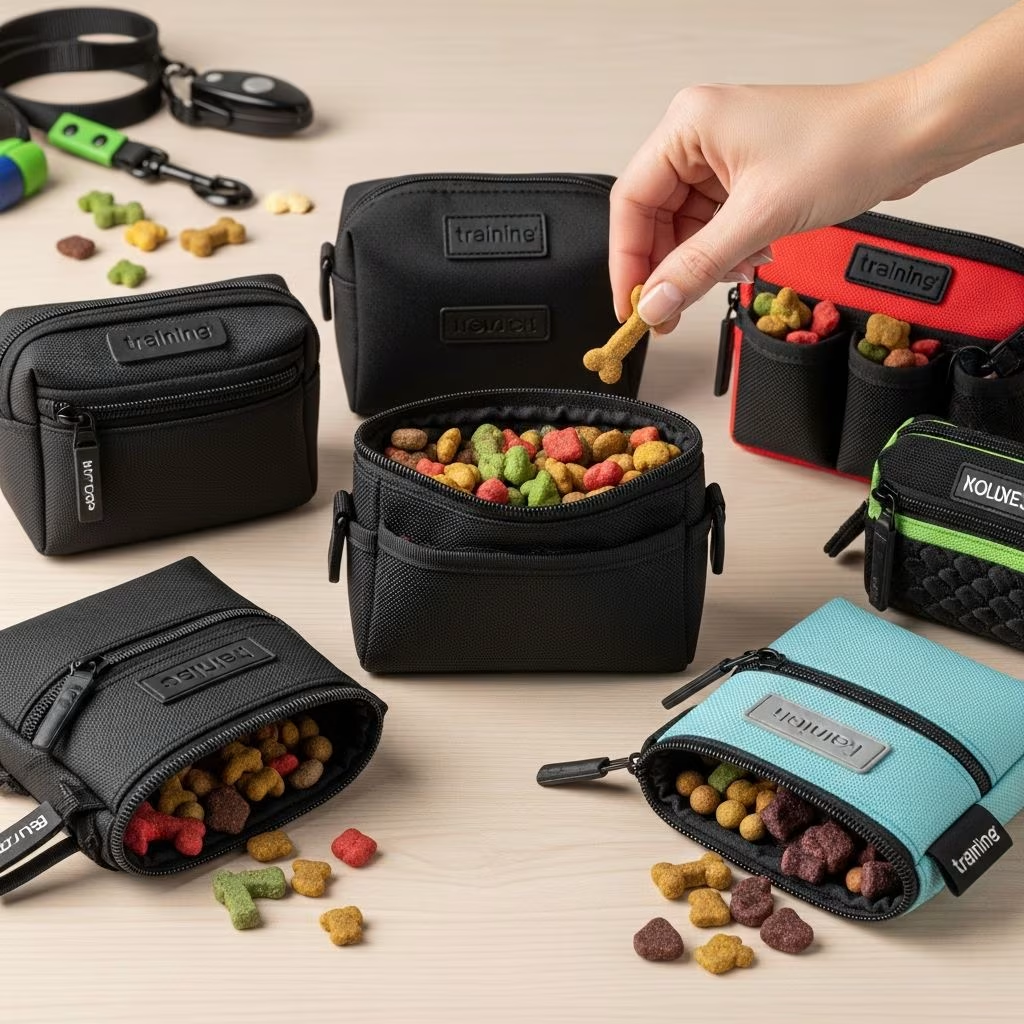
Dog training treat pouches are essential tools that streamline the process of positive reinforcement, allowing handlers to deliver rewards swiftly without interrupting focus. These compact accessories attach to belts or waistbands, keeping treats accessible while freeing hands for leashes, clickers, or commands. By enabling immediate rewards, they strengthen behavior associations crucial for effective training.
Why Treat Pouches Transform Dog Training
Positive reinforcement relies on timing: rewards must follow desired behaviors within seconds to avoid confusion. Treat pouches excel here by providing one-handed access to high-value rewards, outperforming pockets that fumbling or contamination issues.
- Hands-Free Operation: Secure clips or adjustable belts keep pouches stable, ideal for dynamic sessions like heel work or recall training.
- Quick Dispensing: Wide openings and flexible materials allow grabbing treats without spills, maximizing session efficiency.
- Durability Features: Waterproof liners handle moist or oily treats, preventing leaks onto clothing.
Beyond training, these pouches support daily walks by storing kibble for meal pacing or distractions during encounters with other dogs. Their versatility extends to housing clickers, keys, and waste bags in dedicated compartments.
Key Features to Prioritize in a Treat Pouch
Selecting the right pouch involves balancing capacity, security, and usability. Sturdy attachments prevent accidents, while spacious interiors accommodate various treat sizes.
| Feature | Benefit | Examples |
|---|---|---|
| Secure Belt/Clip | Prevents drops during movement | Adjustable 30-48 inch belts |
| Waterproof Lining | Contains greasy treats | Removable liners for cleaning |
| Multiple Pockets | Stores extras like poop bags | Zip exterior pockets |
| Capacity | Holds ample rewards | Roomy main compartments |
| Material | Lightweight yet tough | Flexible silicone vs. fabric |
Material choice matters: silicone offers easy cleaning but may lack breathability, while fabric provides comfort for extended wear.
Comparing Silicone vs. Fabric Pouches
Trainers debate silicone and fabric options based on needs. Silicone pouches resist odors and wipe clean, suiting messy treats, but can feel rigid. Fabric versions are softer, often with mesh for ventilation, though they require machine washing.
- Silicone: Waterproof, non-porous, quick-dry; cons include potential slippage.
- Fabric: Comfortable, customizable colors; cons include absorbency if not lined.
For high-volume training, hybrid designs combine both for optimal performance.
Top Recommendations for Every Trainer
1. Versatile All-Purpose Pouch
This model features a robust waist belt and expansive main pouch, fitting handfuls of small treats. A removable liner simplifies prep and cleanup, especially for refrigerated rewards. Side pockets secure essentials, making it ideal for field training.
2. Compact Clip-On Design
Perfect for belt loops, this lightweight option uses a quick-release clip for stability. Its drawstring closure minimizes spillage, with an interior liner blocking leaks. Suited for urban walks or short sessions.
3. High-Capacity Waist Trainer
Adjustable from 30-48 inches, it offers deep storage for long outings. Multiple compartments organize treats from kibble, plus zippers for valuables. Trainers praise its no-spill access during agility work.
4. Multi-Functional Everyday Carrier
Beyond treats, it doubles as a kibble dispenser to slow eating. Elastic bands hold tools like clickers, with a phone-friendly pocket. Great for bonding and reactive dog management.
5. Premium Removable Liner Model
Standout for hygiene, the detachable pouch inserts into a sturdy shell. It accommodates bulky treats and washes easily, earning favor among professionals.
These selections cover budgets and styles, prioritizing real-user tested traits like accessibility and longevity.
Training Tips Using Your Treat Pouch
Integrate pouches into routines for best results. Load with varied rewards to maintain engagement—mix soft, smelly treats for motivation.
- Prep ahead: Fill compartments thematically (e.g., high-value for distractions).
- Dispense precisely: Use thumb for single treats to control portions.
- Clean regularly: Rinse liners post-use to avoid staleness.
- Pair with cues: Reward within 1-2 seconds of behavior.
For reactive dogs, scatter treats from the pouch to create space during passes. On walks, reinforce loose-leash with rapid delivery.
Care and Maintenance for Longevity
Extend pouch life with proper care. Machine-wash fabric exteriors on gentle cycles; air-dry to preserve elasticity. Silicone models rinse with soap, avoiding dishwashers that warp clips. Inspect attachments monthly for wear, replacing as needed. Store empty in a dry area to deter pests.
Common Mistakes and How to Avoid Them
- Overloading: Too many treats cause bulges and spills—aim for 70% capacity.
- Poor Sizing: Match pouch to treat size; tiny ones frustrate with large rewards.
- Neglecting Security: Test clips pre-session to ensure no drops.
- Ignoring Fit: Adjustable belts prevent discomfort on long wears.
FAQ
What makes a treat pouch better than pockets?
Pouches offer faster, cleaner access without lint or residue, enabling precise timing for reinforcement.
Are treat pouches suitable for all dog sizes?
Yes, scalable rewards work universally; adjust treat size for small breeds.
How do I choose between clip-on and belt styles?
Clip-ons suit quick sessions; belts for extended training.
Can pouches hold wet food or kibble?
Lined models yes, preventing sogginess; use for meal training.
What’s the best way to clean a treat pouch?
Removable liners wash easily; spot-clean others with mild soap.
Enhancing Sessions with Complementary Gear
Pair pouches with clickers for marker training or long lines for recall practice. This combo amplifies clarity in communication. For group classes, color-coded pouches help distinguish handlers.
In summary, investing in a quality treat pouch elevates training outcomes by facilitating consistent, timely rewards. Select based on your routine—compact for walks, capacious for workshops—and watch behaviors solidify faster.
References
- Why a Dog Treat Pouch Is the Ultimate Training Tool — Arctic Sammy. N/A. https://www.arcticsammy.co.nz/blogs/arctic-sammys-blog/why-a-dog-treat-pouch-is-the-ultimate-training-tool
- All About Dog Treat Pouches — J&J Dog Supplies. N/A. https://www.jjdog.com/blog/all-about-dog-treat-pouches/
- Dog Treat Pouches: An Overview & Comparison — Ray Allen. N/A. https://www.rayallen.com/blog/dog-treat-pouches-overview-comparison/
- The Most Underrated Dog Walking Accessory? A Treat Pouch — True Charlie. N/A. https://www.truecharlie.com.au/blogs/news/the-most-underrated-dog-walking-accessory-a-treat-pouch
- Reviewing My 5 Favorite Dog Training Treat Pouches — Leash and Learn NYC. N/A. https://leashandlearnnyc.com/treat-pouches-your-favorite-new-accessory/
- The Benefits of a Treat Pouch — Baypath Humane Society. N/A. https://baypathhumane.org/the-benefits-of-a-treat-pouch/
- Dog Training Treat Bags – This Is What I Use And Why — Dogsnet.com. N/A. https://dogsnet.com/dog-training-treat-bags/



