Top Dog Toothpastes Reviewed
Discover the leading toothpastes that keep your dog's smile bright and healthy with vet-backed formulas and tasty flavors.
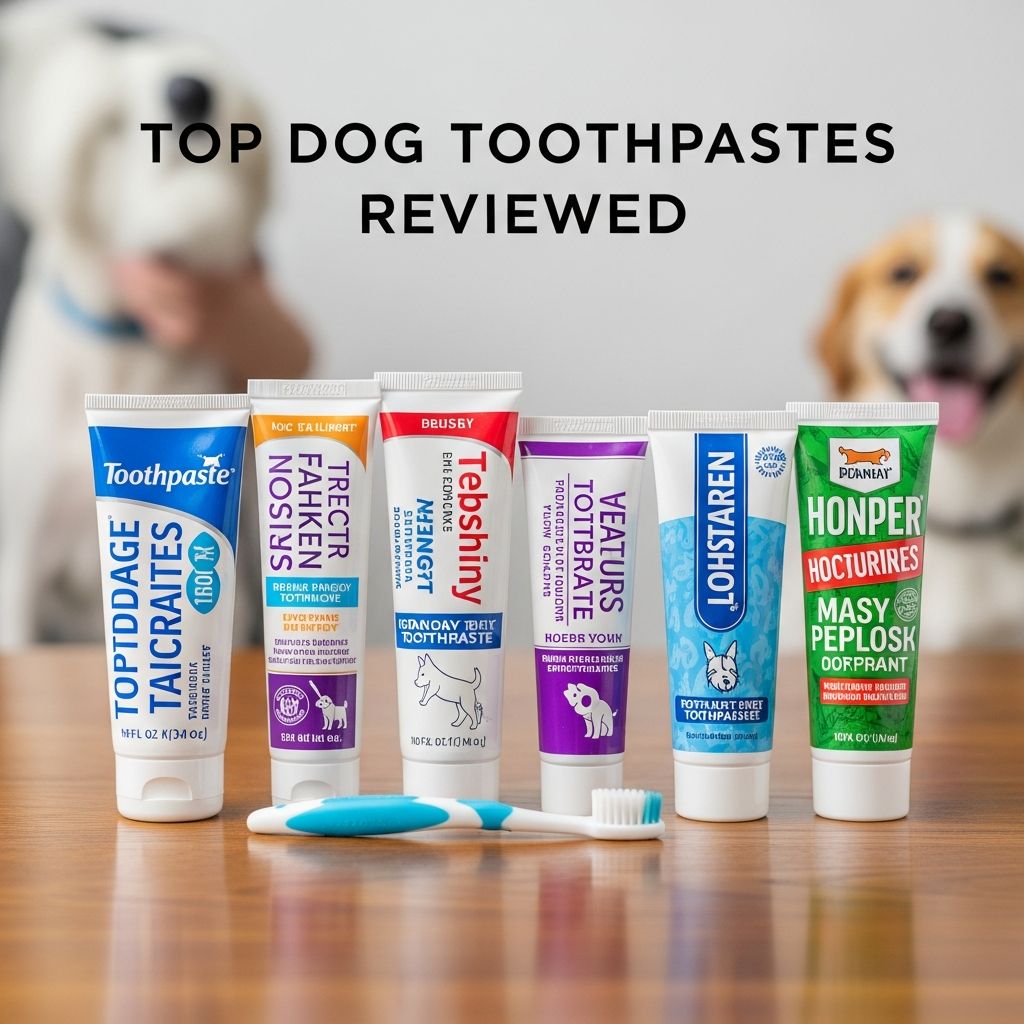
Keeping your dog’s teeth clean is essential for preventing painful dental issues and maintaining overall health. Regular brushing with the right toothpaste can significantly reduce plaque buildup, tartar formation, and bad breath. This guide dives into the most effective dog toothpastes available, highlighting their key features, benefits, and what makes them stand out for pet owners.
Why Dental Care Matters for Dogs
Dogs suffer from dental problems more than many owners realize. By age three, about 80% of dogs experience some form of periodontal disease, which can lead to tooth loss, infections, and even heart issues if bacteria enter the bloodstream. Brushing daily or several times a week with a specialized toothpaste helps mimic the natural cleaning process, breaking down harmful bacteria without the risks of human products.
Human toothpastes contain fluoride and foaming agents that are toxic to dogs if swallowed. Dog-specific formulas use enzymes, mild abrasives, or natural ingredients designed to be safe even if licked off. Flavors like poultry, beef, or peanut butter make the process enjoyable, turning a chore into a treat time.
Key Ingredients in Effective Dog Toothpastes
The best toothpastes incorporate ingredients proven to combat oral bacteria and buildup:
- Enzymes: Glucose oxidase, lactoperoxidase, and lysozyme mimic saliva’s natural defenses, producing hydrogen peroxide to kill bacteria and inhibit plaque.
- Abrasives: Hydrated silica or calcium carbonate gently polish teeth without damaging enamel.
- Antioxidants: Vitamin E and zinc gluconate reduce inflammation and support gum health.
- Flavor enhancers: Real meat digests or natural extracts ensure palatability.
Avoid products with xylitol, artificial sweeteners, or harsh chemicals. Look for veterinary endorsements like VOHC (Veterinary Oral Health Council) approval, which verifies tartar control through clinical trials.
Comparing the Leading Dog Toothpaste Options
We’ve evaluated top products based on efficacy, safety, flavor appeal, and user feedback. The table below summarizes key contenders:
| Product | Key Features | Flavor | Size/Price | Best For |
|---|---|---|---|---|
| Petsmile Professional | VOHC-approved, peroxide-based, fluoride-free | London Broil | 2.5 oz / $15 | Tartar control, professional results |
| Virbac C.E.T. Enzymatic | Dual-enzyme system, vet-recommended | Poultry | 2.5 oz / $13.50 | Daily brushing, picky eaters |
| Vetoquinol Enzadent | Multi-enzyme formula with lysozyme | Poultry | 3.17 oz / $14 | Allergy-safe alternatives needed |
| Sentry Petrodex | Enzymatic, non-foaming | Poultry | 6.2 oz / Varies | Budget-friendly, large tubes |
| Arm & Hammer Enzymatic | Baking soda + enzymes | Chicken/Beef | Varies / Affordable | Natural whitening |
| Vet’s Best Gel | Neem oil, aloe, antifungal | Natural Mint | 3.5 oz / Good value | Gel application, natural preferences |
Petsmile Professional: The Gold Standard
Standing out as the only VOHC-approved dog toothpaste, Petsmile Professional uses a patented formula with calcium peroxide and cetyl pyridinium chloride to actively dissolve plaque and prevent tartar. Its London Broil flavor appeals to meat-loving dogs, and the non-foaming texture spreads easily. Owners report noticeable improvements in breath and tooth shine after consistent use. Ideal for dogs with heavy buildup, though the price reflects its premium status.
Virbac C.E.T.: Veterinarian’s Top Choice
Virbac’s C.E.T. line dominates vet recommendations due to its dual-enzyme technology that boosts the dog’s own saliva defenses. Available in multiple flavors like poultry and vanilla-mint, it’s safe for both dogs and cats. The poultry digest makes it irresistible, encouraging longer brushing sessions. Studies back its ability to reduce plaque by up to 28% with regular use. A staple in many clinics, it’s reliable for long-term maintenance.
Enzadent by Vetoquinol: Comprehensive Enzyme Power
This toothpaste packs a punch with glucose oxidase, lactoperoxidase, lactoferrin, and lysozyme for broad-spectrum antibacterial action. Poultry extract from real meat ensures dogs lap it up, but note potential allergies to chicken. The larger tube size offers value, and zinc gluconate adds gum protection. Testers praise its effectiveness on stubborn tartar without irritation.
Budget and Natural Alternatives
For cost-conscious owners, Sentry Petrodex delivers enzymatic cleaning in a generous 6.2 oz tube with poultry flavor. It’s non-foaming for mess-free sessions and fights gingivitis effectively. Arm & Hammer blends baking soda for whitening with enzymes, available in fresh scents like vanilla-ginger.
Natural fans appreciate Vet’s Best, featuring neem oil for antifungal properties, grapefruit seed extract, and aloe vera. The gel format works with fingers or brushes, improving breath and reducing plaque naturally.
How to Choose the Right Toothpaste for Your Dog
Selection depends on your dog’s needs:
- Picky eaters: Opt for strong flavors like poultry or peanut (e.g., Nylabone).
- Sensitive stomachs: Enzymatic, non-foaming types like Virbac.
- Heavy tartar: VOHC-approved Petsmile.
- Natural preferences: Vet’s Best or Radius Organic.
- Puppies: Mild formulas like Arm & Hammer.
Start with small amounts to test acceptance. Consistency is key—aim for 30 seconds of brushing per side, 3-7 times weekly.
Step-by-Step Guide to Brushing Your Dog’s Teeth
- Gather supplies: Dog toothbrush (or finger brush), toothpaste, treats.
- Introduce gradually: Let your dog lick paste off your finger.
- Lift lips: Focus on outer surfaces, back molars first.
- Gentle circles: Use short strokes; avoid inner teeth unless trained.
- Reward lavishly: End with play or a dental chew.
Pair with dental chews, water additives, or professional cleanings for complete care.
Common Myths About Dog Dental Products
Myth 1: Greenies or chews replace brushing. Reality: They help but don’t match targeted brushing efficacy.
Myth 2: Dogs don’t need dental care. Reality: Periodontal disease affects most adult dogs.
Myth 3: Any paste works. Reality: Only pet formulas are safe.
Frequently Asked Questions (FAQs)
Can I use human toothpaste on my dog?
No, it contains fluoride and xylitol, which are toxic to dogs.
How often should I brush my dog’s teeth?
Ideally daily, but 3-4 times weekly yields good results.
Is enzymatic toothpaste better than regular?
Yes, enzymes provide ongoing antibacterial action beyond mechanical cleaning.
What if my dog hates brushing?
Use gel formulas, finger brushes, or flavor varieties; desensitize slowly.
Does toothpaste replace vet cleanings?
No, but it reduces frequency and severity of professional needs.
Enhancing Your Dog’s Oral Routine
Beyond toothpaste, incorporate VOHC-approved chews, prescription diets, or rinses. Monitor for signs like bad breath, red gums, or loose teeth, and schedule annual vet dental exams. With the right toothpaste and habits, your dog’s smile can stay healthy for years.
References
- Best Toothpastes for Dogs — Whole Dog Journal. 2023. https://www.whole-dog-journal.com/lifestyle/dog-gear/gear-and-products/best-toothpastes-for-dogs/
- Best Dog Toothpaste for Dogs and Puppies — American Kennel Club (AKC). 2024-10-15. https://www.akc.org/expert-advice/health/dog-toothpaste-gets-job-done/
- Best Toothpastes for Dogs and Cats — Park Grove Pet Hospital. 2025. https://www.parkgrovepethospital.com/toothpastes-for-dogs-and-cats/
- Six Best Dog Toothpastes for Your Dog’s Dental Health — WellPets Veterinary Clinic. 2024. https://www.wellpets.com/blog/94-six-best-dog-toothpastes-for-your-dog-s-dental-health/
- Best Toothpastes for Dogs and Cats — Dwight Veterinary Clinic. 2025-01-20. https://www.dwightvet.com/best-toothpastes-for-dogs-and-cats/
Similar Articles





Read full bio of medha deb