
Top Dog Puzzle Toys Guide
Discover the ultimate selection of interactive puzzle toys that boost your dog's mental health, reduce boredom, and enhance training success.
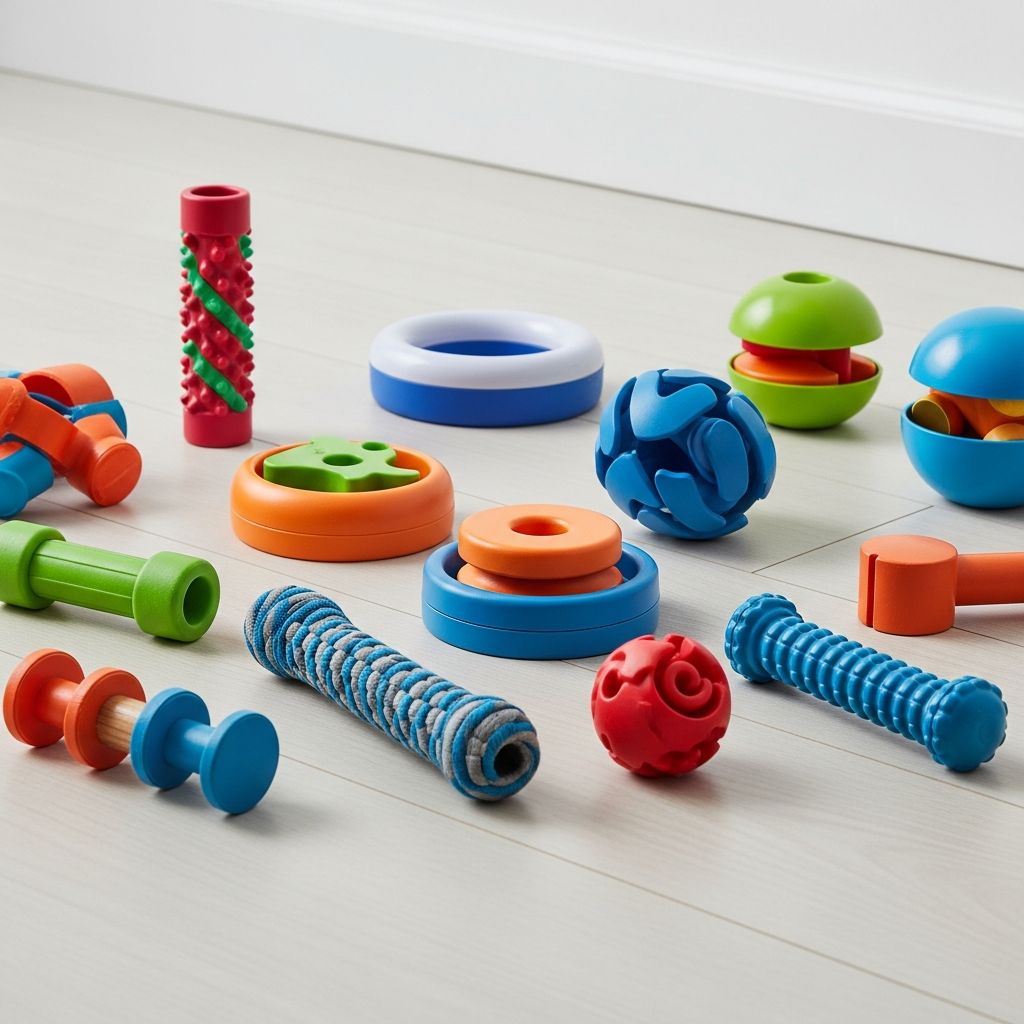
Interactive puzzle toys transform everyday playtime into engaging challenges that keep dogs mentally sharp and physically active. These tools tap into a dog’s innate problem-solving abilities, mimicking foraging behaviors from their wild ancestors while providing modern benefits like stress reduction and skill development.
Why Your Dog Needs Puzzle Toys
Puzzle toys address key aspects of canine well-being by delivering mental workouts that rival physical exercise in effectiveness. Boredom often leads to destructive habits such as excessive chewing or barking, but these toys redirect energy positively.
Research shows dogs prefer earning rewards through effort, experiencing a rewarding “Eureka!” moment when succeeding, which sustains engagement. Laboratory studies confirm that dogs with access to such toys exhibit less barking, more activity, and prolonged eating sessions compared to those without.
- Mental fatigue from puzzles equals physical tiredness from walks, ideal for bad weather or recovery periods.
- They foster independence and confidence, especially in shy or young dogs.
- Sniffing and licking actions in puzzles promote deep breathing and self-soothing, easing separation anxiety.
Key Benefits for Different Dog Personalities
Dogs of all ages and breeds gain from puzzle toys, but certain types thrive most. High-energy pups channel their drive into productive tasks, while anxious ones find calming distractions.
| Dog Type | Ideal Puzzle Benefit | Example Toys |
|---|---|---|
| Bored or Destructive | Prevents unwanted behaviors via engagement | Treat-dispensing balls |
| Anxious or Stressed | Promotes relaxation through focus | Snuffle mats, lick mats |
| High-Energy/Active | Builds skills and coordination | Paw-manipulating sliders |
| Puppies in Training | Enhances obedience and problem-solving | Multi-step puzzles |
For puppies, these toys integrate seamlessly into training, reinforcing commands like fetch or drop-it while building focus. Rotating toys targets varied skills, from retrieval to advanced agility prep.
Types of Puzzle Toys Explained
Puzzle toys vary by interaction style, suiting different skill levels and preferences. Start simple to build success, then advance for ongoing challenge.
Sniffing and Foraging Mats
These mimic natural scavenging, hiding kibble in fabric folds for nose work. They encourage deep sniffing, which calms nerves and satisfies hunting instincts. Ideal for all dogs, especially those with anxiety.
Treat-Dispensing Rollers and Balls
Motion-activated dispensers reward movement and pawing. Dogs roll or nudge to release treats, combining physical play with mental effort. Great for active breeds needing exercise alternatives.
Sliding and Lifting Puzzles
Beginner-friendly with one-step actions like pushing tiles. Advanced versions require sequences, teaching persistence and dexterity. Paw-dominant dogs excel here.
Stuffable and Lickable Containers
Filled with spreads or frozen treats, these promote prolonged licking—a natural stress reliever. They slow fast eaters and provide long-lasting satisfaction.
Multi-Level Interactive Boards
Complex setups with compartments demand multiple strategies: lifting, sliding, spinning. Perfect for smart breeds craving challenge, boosting cognitive health long-term.
Choosing the Right Puzzle for Your Dog
Assess your dog’s size, age, chew strength, and experience. Puppies need durable, non-toxic starters; seniors benefit from low-effort sniffers to combat decline.
- **Size Match:** Small puzzles for toy breeds prevent choking; large for big jaws avoid breakage.
- **Difficulty Progression:** Beginner: single action; Intermediate: 2-3 steps; Expert: timed or multi-tool.
- **Material Durability:** Opt for non-toxic rubber or fabric resistant to heavy chewers.
- **Supervision First:** Introduce with guidance to teach use and prevent frustration.
Rotate 3-5 toys weekly to maintain novelty and target diverse skills like coordination or obedience.
Top Recommended Puzzle Toys
Based on versatility, durability, and user success, here are standout options across categories.
- Beginner Snuffle Mat: Fabric with hidden pockets; promotes sniffing for all ages. Calms during alone time.
- Treat Ball Dispenser: Rolls to drop kibble; adds exercise via chasing. Suits energetic pups.
- Sushi Slider Puzzle: Movable rolls reveal treats; paw-focused fun for novices.
- Advanced Lift-and-Slide Board: Multiple compartments; builds expert problem-solving.
- Frozen Lick Mat: Suction-based for spreads; soothes anxiety with licking.
- Interactive Chew Puzzle: Sturdy toy with internal treats; for chewers needing redirection.
These selections prioritize safety and engagement, drawing from studies on preferred reward systems.
Training Tips: Integrating Puzzles into Daily Routines
Puzzles enhance formal training by making sessions rewarding. Use as lures for commands or post-success rewards.
Step-by-Step Introduction:
- Demonstrate: Show treats emerging to spark interest.
- Assist Initially: Guide paws or nose gently.
- Fade Help: Let successes build independently.
- Increase Challenge: Hide more or add steps.
Incorporate into agility or obedience: Send dogs to puzzles for “go out” drills, improving distance control. Reward recall with toy access to sharpen response.
Safety Guidelines and Common Mistakes
Always supervise new toys to avoid ingestion risks. Clean regularly to prevent bacteria, especially food-based ones.
- Avoid small parts for aggressive chewers.
- Match difficulty to prevent frustration—success rate should be 70-80% initially.
- Don’t overfill; portion control aids weight management.
- Inspect for wear; discard damaged items promptly.
Mistakes like constant access reduce novelty—reserve for specific times.
Real-World Impact: Success Stories
Owners report transformative changes: Hyper pups calm post-puzzle, anxious dogs handle departures better, and trainees advance faster. One study noted kennel dogs more relaxed and active with puzzles. Cognitive benefits extend to seniors, delaying age-related decline.
Frequently Asked Questions
Are puzzle toys suitable for all dogs?
Yes, with proper selection. Adapt for age, size, and skill—most see benefits in stimulation and calm.
Can puzzles replace walks?
No, but they complement by tiring mentally when physical activity is limited.
How often should I use them?
Daily 15-30 minutes, rotating to sustain interest.
What if my dog gets frustrated?
Start simpler, demonstrate, and ensure high success early.
Do they help with training?
Absolutely—reinforce commands and build focus through play.
Building a Puzzle Toy Collection
Start with 3-4 varied types, expanding based on preferences. Budget options abound, but invest in quality for longevity. Track progress: Note reduced barking or faster solves for motivation.
Ultimately, puzzle toys enrich lives by fulfilling instincts safely. They turn idle moments into achievements, fostering happier, more balanced companions.
References
- Are Puzzle Toys Really Good for Dogs? What the Science Tells Us — Rover. 2023. https://www.rover.com/blog/are-puzzle-toys-good-for-dogs/
- Maximizing Puppy Training Success With Interactive Toys — Happy Pup Manor. 2024. https://happypupmanor.com/maximizing-puppy-training-success-with-interactive-toys/
- 7 Reasons Why Puzzles are a Great Form of Enrichment — Camp Ruff It. 2023. https://www.campruffit.com/post/7-reasons-why-puzzle-are-a-great-form-of-enrichment
- A Guide to Using Food Puzzle Toys with Your Dog — Companion Animal Psychology. 2021-10-01. https://www.companionanimalpsychology.com/2021/10/a-guide-to-using-food-puzzle-toys-with.html
- The Importance of Mental Stimulation: Games and Puzzles for Your Pets — Toronto Humane Society. 2024. https://www.torontohumanesociety.com/the-importance-of-mental-stimulation-games-and-puzzles-for-your-pets/
- Brain Games for Dogs: When Can a Puzzle Be the Solution? — American Kennel Club (AKC). 2023. https://www.akc.org/expert-advice/health/brain-games-dogs-can-puzzle-solution/
Similar Articles








Read full bio of medha deb




