

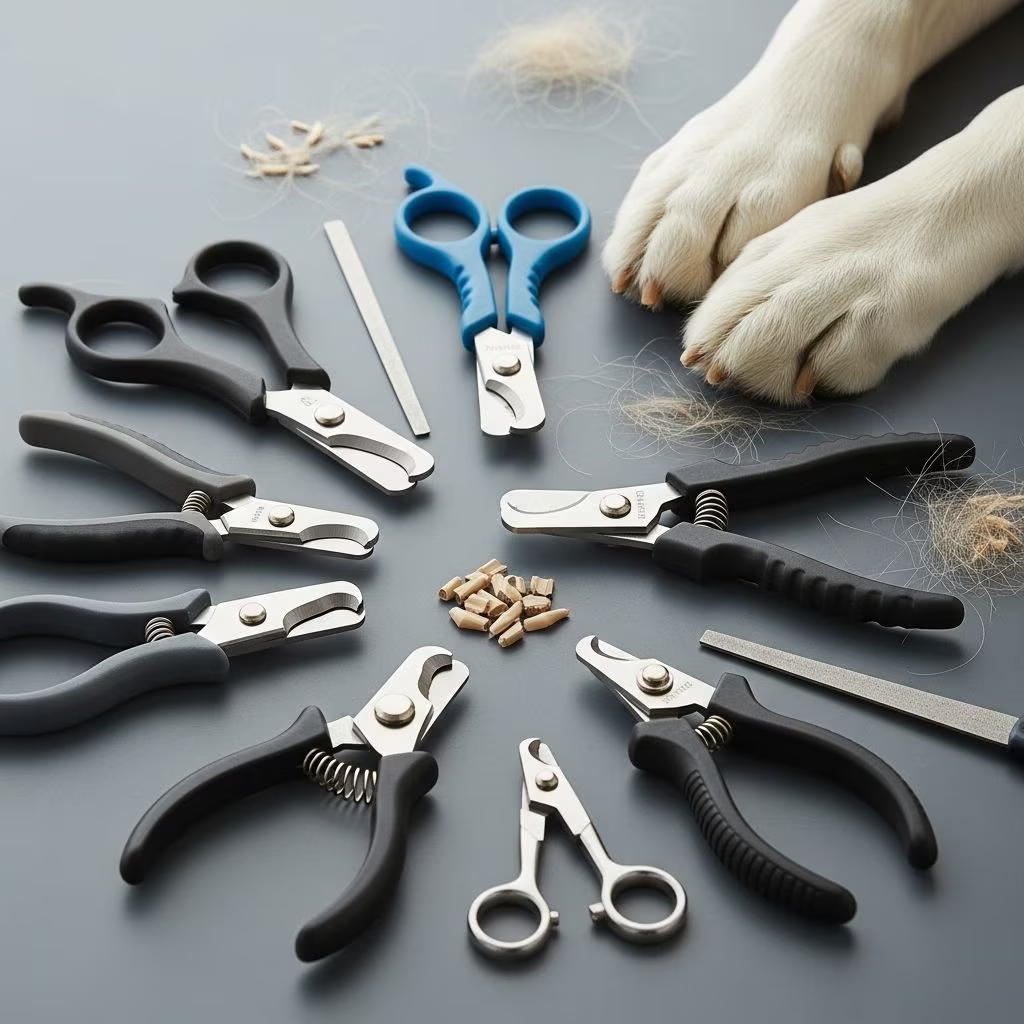
Regular nail trimming is essential for your dog’s comfort, mobility, and overall health. Overgrown nails can cause pain, alter gait, and lead to joint issues. This guide explores the best tools for the job, helping you choose based on your dog’s size, nail type, and your trimming confidence.
Why Trimming Your Dog’s Nails Matters
Dogs’ nails naturally wear down through activity on rough surfaces, but many pets live in urban environments with smooth floors, leading to rapid growth. Untrimmed nails split, snag, or embed in paw pads, causing infections. Proper trimming prevents slipping, supports healthy posture, and reduces injury risk.
- Improves traction on floors
- Prevents painful cracks or breaks
- Promotes better joint alignment
- Enhances walking comfort
Understanding Nail Anatomy
A dog’s nail consists of the hard outer shell and the inner quick, a blood vessel and nerve bundle. Light nails show the pink quick easily; dark ones require caution to avoid bleeding. Trim small amounts frequently to gradually shorten the quick over time.
Types of Dog Nail Trimmers
Several designs suit different needs. Here’s a breakdown:
Scissor or Plier-Style Clippers
These mimic scissors with curved blades that match nail shape. Made from stainless steel, they offer durability and clean cuts. Ideal for medium to large dogs with thicker nails. A safety lock prevents accidents, and ergonomic handles reduce hand strain during use.
- Best for: Dogs with broad nails
- Pros: Sharp, precise; no crushing
- Cons: Requires steady hands
Guillotine-Style Trimmers
Featuring a hole for the nail and a sliding blade, these provide controlled, straight cuts. Suited for small to medium dogs, they excel at precision trimming without splintering. Squeeze handles to activate the blade mechanism.
- Best for: Small breeds or thin nails
- Pros: Accurate; easy to see quick
- Cons: Less effective on very thick nails
Rotary Grinders
Electric tools with spinning abrasive bands or drums gradually file nails down. Perfect for anxious dogs or those with tough, black nails where the quick is hidden. Start on low speed to acclimate your pet.
- Best for: Thick or dark nails
- Pros: No quick cuts; smooth finish
- Cons: Dust; longer sessions
Choosing the Right Size for Your Dog
Match the tool to your dog’s breed and nail thickness:
| Dog Size | Recommended Clippers | Examples |
|---|---|---|
| Small (<20 lbs) | Guillotine or small scissor | JW Pet Grip Soft (Medium) |
| Medium (20-50 lbs) | Medium scissor or guillotine | Epica Professional |
| Large (>50 lbs) | Large scissor or grinder | Andis Pet Nail Clipper |
Compare blade size to nails; too small leads to multiple cuts, too large risks slips.
Top Recommendations
Best for Large Dogs: Andis Pet Nail Clipper
This scissor-style tool delivers smooth cuts on thick nails. Its sturdy build handles powerful breeds effortlessly. Vets praise its reliability for professional-level results at home.
Best for Small Dogs: JW Pet Grip Soft Deluxe (Medium)
Soft-grip handles and compact design make it ideal for petite paws. The curved blades ensure even trims without pinching.
Best Overall Guillotine: Epica Professional Pet Nail Clipper
Semi-transparent chambers allow quick visibility. Ergonomic and rust-resistant, it’s a favorite for frequent use.
Best Grinder Option: Dremel Rotary Tool
Versatile with pet-specific bits, it grinds safely. Multiple speeds suit all temperaments.
Vet-Favorite: Miller’s Forge Clippers
Orange-handled classics trusted for decades. Available in sizes for all dogs; sharp blades stay effective long-term.
Safe Trimming Techniques
Preparation is key:
- Gather tools: Clippers, styptic powder (for bleeding), treats.
- Calm your dog with pets and rewards.
- Work in good light; use a flashlight for dark nails.
- Clip 2mm at a time, below the quick’s curve.
- If bleeding occurs, apply styptic and stop.
For grinders: Introduce gradually over sessions, offering breaks to prevent overheating paws.
Training Your Dog for Nail Trims
Desensitize early:
- Touch paws daily, rewarding tolerance.
- Simulate clipping sounds with tools off.
- Start with one paw per session.
- Use high-value treats like peanut butter.
Positive association turns trims into fun routines.
Frequently Asked Questions (FAQs)
How often should I trim my dog’s nails?
Every 3-4 weeks, or when nails tap on floors. Active dogs may need less frequent trims.
What if I cut the quick?
Apply styptic powder or cornstarch to stop bleeding. Trim less next time to avoid recurrence.
Are grinders better than clippers?
Grinders suit nervous dogs or thick nails; clippers are faster for cooperative pets.
Can I use human nail clippers on dogs?
No; they’re too small and crush nails instead of slicing cleanly.
What about overgrown nails?
Seek vet help initially; they may sedate or use power tools for safety.
Maintenance and Storage
Sharpen blades regularly or replace when dull. Oil hinges for smooth action. Store in a dry place to prevent rust.
Alternatives to DIY Trimming
If your dog resists, consider professional groomers or vets. Mobile services bring tools to your home, minimizing stress.
References
- The Best Dog Nail Clippers — Business Insider. 2023. https://www.businessinsider.com/guides/pets/best-dog-nail-clippers
- The Best Dog Nail Clippers of 2026 — Reviewed. 2026. https://www.reviewed.com/pets/best-right-now/best-dog-nail-clippers
- Different Types of Dog Nail Trimmers — Lion Country Supply. 2023. https://www.lcsupply.com/blogs/hunting-dog-supplies-reviews/different-types-of-dog-nail-trimmers
- Best Dog Nail Clippers for “DIY” Dog Owners — ToeGrips. 2023. https://toegrips.com/best-dog-nail-clippers/
- Pick The Right Pet Nail Clipper For YOUR Dog — YouTube. 2023. https://www.youtube.com/watch?v=MddKypmn-Uk
- Best Dog Nail Clippers and Grinders — Consumer Reports. 2023. https://www.consumerreports.org/home-garden/pets/best-dog-nail-clippers-and-grinders-a9964782160/



