

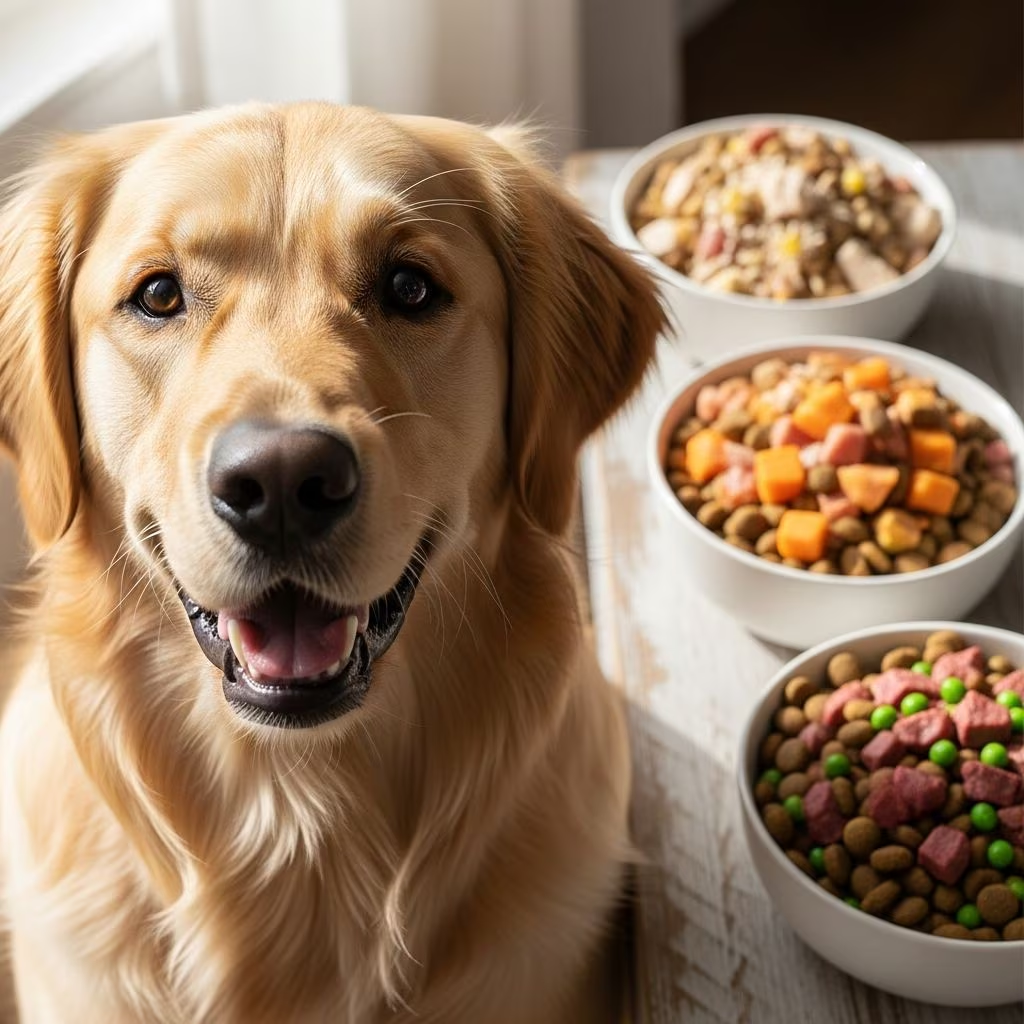
Helping an underweight dog achieve a healthy body weight requires selecting calorie-dense foods rich in proteins and fats while monitoring progress carefully. These diets support muscle development and energy needs without compromising digestion or overall health.
Understanding Why Dogs Lose Weight and Need Targeted Nutrition
Dogs may become underweight due to high activity levels, recovery from illness, poor appetite, or inadequate calorie intake. Active breeds like working dogs or those in training burn calories rapidly, necessitating diets with elevated protein for muscle repair and fats for sustained energy. Protein fuels muscle growth, while fats deliver concentrated calories to promote steady gains without excessive volume.
Before changing diets, assess your dog’s body condition score (BCS), ideally aiming for a 4-5 out of 9 where ribs are palpable but not visible. Consult a veterinarian to rule out underlying issues like parasites or thyroid problems. Gradual increases in caloric intake prevent digestive upset or refeeding syndrome in severely emaciated dogs.
Key Nutritional Components for Effective Weight Gain
Focus on diets exceeding standard adult maintenance levels: target 30%+ protein and 20%+ fat on a dry matter basis. Puppy or performance formulas often meet these thresholds as they are formulated for growth or high-energy demands.
- High-Quality Proteins: Sources like beef, lamb, chicken, or fish provide amino acids for lean mass. Raw or minimally processed options enhance digestibility.
- Healthy Fats: From fish oil, coconut oil, or animal fats, these supply twice the calories per gram of protein or carbs, aiding skin, coat, and vitamin absorption.
- Digestible Carbs and Fibers: Sweet potatoes or pumpkin add calories and support gut health without fillers.
- Vitamins and Minerals: Ensure complete profiles for immune function and bone strength, per AAFCO standards.
Recommended Dog Food Categories for Weight Gain
Puppy and all-life-stages kibbles suit many underweight adults due to their nutrient density. Performance lines cater to athletic dogs requiring extra fuel.
| Food Type | Key Benefits | Examples | Protein/Fat % (Min) |
|---|---|---|---|
| Puppy Food | Higher calories for growth; palatable for picky eaters | Wellness Complete Health Puppy, Merrick Grain-Free Lamb | 30%/18% |
| Performance Dry | For active dogs; muscle support | Purina Pro Plan Sport 30/20, Dr. Tim’s Momentum | 30-35%/20-25% |
| Raw/Fresh | No fillers; high digestibility | We Feed Raw formulas | Variable, high meat |
Raw diets minimize carbs, allowing smaller portions for equivalent calories, reducing waste and improving stool quality. High-calorie dry foods work if ingredients prioritize meat over grains.
Calorie-Dense Food Toppers and Homemade Boosters
Enhance existing meals with toppers to increase palatability and intake without overhauling the diet.
- Pumpkin and Sweet Potato: Canned pure versions provide fiber and carbs for gentle calorie addition; monitor stools initially.
- Peanut Butter: Natural, xylitol-free options deliver fats; mix with veggies for treats.
- Cottage Cheese: Low-lactose, protein-packed; use full-fat for best results.
- Coconut Oil or Eggs: Fats from these promote energy and coat health; whole eggs include shells for calcium.
- Other Options: Goat milk, kefir for probiotics; fatty meats or fish oils.
Start with small amounts—e.g., 1 tsp oil per 10 lbs body weight daily—to avoid diarrhea.
Feeding Strategies and Portion Guidelines
Calculate needs based on ideal weight, not current. Feed 2-3% of ideal body weight in raw food, or up to 4-5% for very active/underweight dogs. Use MER calculators for precision.
Sample Daily Feeding Plan for a 50-lb Dog Aiming for 60 lbs:
- Base kibble: 3-4 cups high-calorie formula (check label calories).
- Toppers: 2 tbsp pumpkin + 1 tbsp peanut butter + 1 egg.
- Snacks: Cottage cheese or raw meat strips between meals.
- Increase by 10-20% weekly, weighing bi-weekly.
Mix wet/raw with kibble to boost appeal for finicky eaters. Multiple small meals aid absorption. For emaciated dogs, start at resting energy requirement (RER) for 7 days.
Supplements to Accelerate Gains
Targeted adds address specific gaps:
- Protein Powders: 70%+ protein formulas like those for muscle support.
- Digestive Enzymes: Improve nutrient uptake in sensitive stomachs.
- Fish Oils/Seeds: Omega-3s from chia, flax, or supplements for fats and anti-inflammation.
Avoid over-supplementation; prioritize whole foods.
Monitoring Progress and Troubleshooting
Weigh weekly; aim for 1-2% body weight gain per week. Adjust if no change: increase calories, switch flavors, or add probiotics. Signs of success include visible waist definition and energy surge. Halt if diarrhea or lethargy occurs—revert and vet check.
Active dogs may need ongoing performance food; seniors benefit from joint-inclusive high-fat options.
Frequently Asked Questions
Can I use puppy food for my adult dog to gain weight?
Yes, AAFCO-compliant puppy foods provide extra calories safely for short-term use in healthy adults.
How much weight should my dog gain weekly?
1-2% of ideal body weight; slower for emaciated dogs to avoid complications.
Are raw diets better for weight gain?
They offer high digestibility and no fillers, supporting lean gains efficiently.
What if my dog refuses to eat more?
Warm food, add toppers, or mix types for variety.
Is coconut oil safe for daily use?
Yes, in moderation (1/4 tsp per 10 lbs); it provides medium-chain triglycerides for quick energy.
Conclusion
Combining high-protein/fat foods, strategic toppers, and monitored feeding transforms underweight dogs into robust companions. Patience and veterinary guidance ensure sustainable results.
References
- What is the Optimal Weight Gain Diet for Dogs? — Volhard Dog Nutrition. 2023. https://www.volharddognutrition.com/blog/what-is-the-optimal-weight-gain-diet-for-dogs/
- What’s the Best Dog Food for Weight Gain? — PetMD. 2024. https://www.petmd.com/dog/nutrition/whats-best-dog-food-weight-gain
- Guide to the Best Dog Food for Weight Gain — We Feed Raw. 2024. https://wefeedraw.com/blog/best-dog-food-for-weight-gain
- The All You Need to Know Guide to Healthy Weight Gain for Dogs — ProDog Raw. 2023. https://www.prodograw.com/nutrition/the-all-you-need-to-know-guide-to-healthy-weight-gain-for-dogs/
- Feeding Protocol & Nutrition Best Practices for Emaciated Dogs — ASPCA Pro. 2022. https://www.aspcapro.org/resource/feeding-protocol-nutrition-best-practices-emaciated-dogs
- MER Calculator for Dogs — Purina Institute. 2024. https://www.purinainstitute.com/centresquare/mer-calculator-for-dogs



