

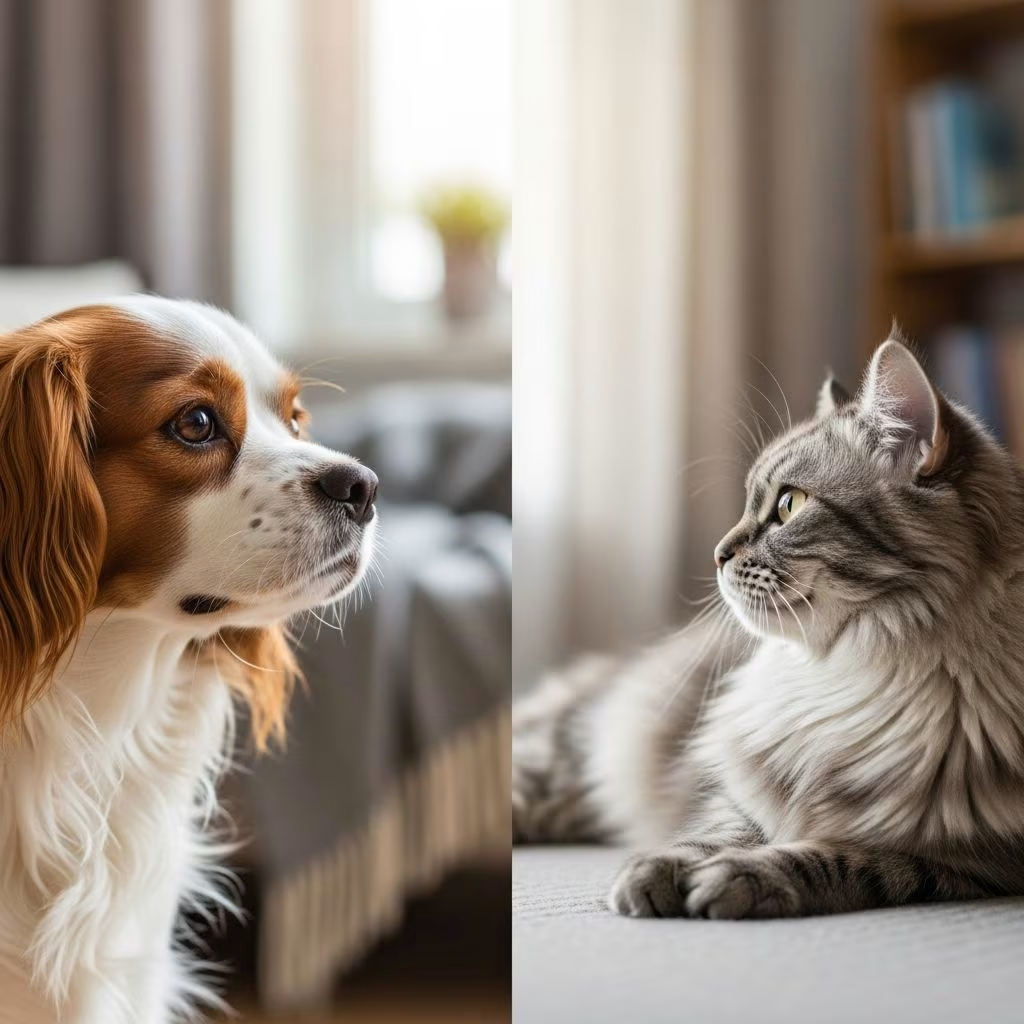
Bringing a dog into a home with a resident cat can create a joyful, balanced environment if you select the right breed. Certain dogs naturally exhibit traits that foster positive interactions with felines, such as low prey drive, gentle temperaments, and sociable personalities. This guide highlights standout breeds, backed by insights from canine experts, and offers practical advice for successful integration.
Why Breed Selection Matters in Multi-Pet Homes
Individual personality plays a key role, but breed tendencies provide a reliable starting point. Dogs bred for companionship or pack hunting often view cats as family members rather than prey. Low-energy or adaptable breeds reduce overwhelming play that might stress cats. Early socialization amplifies these natural affinities, turning potential housemates into playful buddies.
Consider factors like size: smaller dogs rarely intimidate cats, while larger ones succeed through patience and training. Herding breeds may need extra guidance to curb instinctive chasing, but many adapt well with consistent effort.
Large and Gentle Giants: Big Dogs That Bond with Cats
Bigger breeds can form deep bonds with cats when their mellow natures shine. These dogs prioritize affection over dominance, making them staples in mixed households.
- Golden Retriever: Famous for their outgoing charm and empathy, Goldens quickly accept cats as pack mates. Their playful yet tolerant style allows cats to set interaction paces. Daily exercise keeps their enthusiasm channeled away from feline friends.
- Labrador Retriever: Labs’ sociable hearts extend to all creatures. Intelligent and eager to please, they learn cat boundaries swiftly, especially with puppyhood exposure. Their size demands supervised intros to prevent accidental roughhousing.
- Bernese Mountain Dog: These calm giants offer steady companionship. Bred for farm work, they tolerate quirky cat behaviors with patience, thriving in relaxed homes where both pets share space harmoniously.
Compact Companions: Small Dogs Ideal for Feline Pals
Toy and small breeds match cats in size, minimizing intimidation. Their affectionate demeanors encourage mutual grooming sessions and cozy naps.
| Breed | Key Traits | Cat Compatibility Notes |
|---|---|---|
| Cavalier King Charles Spaniel | Gentle, adaptable, loving | Not easily fazed by cats; forms quick bonds due to similar size and calm vibe. |
| Pug | Cheerful, attention-loving, laid-back | Enjoys cat company during alone time; low chase instinct promotes lounging together. |
| Papillon | Curious, playful, social | Sees cats as playmates; small stature eases shared fun without overwhelming. |
| Maltese | Affectionate, mellow, companion-focused | Prefers couch time over antics, allowing cats to initiate contact peacefully. |
Hound and Sporting Stars: Athletic Dogs with Cat-Friendly Vibes
Hounds pack-hunted historically, translating to group tolerance. Sporting breeds bring energy tempered by friendliness.
- Beagle: Pack-oriented and merry, Beagles treat cats like littermates. Their scent-driven focus diverts from chasing, though training reinforces calm.
- Basset Hound: Laid-back and tolerant, these slowpokes rarely ruffle cat feathers. Their persistent sniffing amuses rather than alarms felines.
- Irish Setter: Energetic yet gentle, Setters channel play appropriately post-socialization. Their love for all family extends seamlessly to cats.
Unexpected Allies: Other Breeds That Surprise with Cat Harmony
Some breeds defy stereotypes through trainable gentleness.
- Bulldog: Despite sturdy builds, their placid dispositions make cats feel safe. Easygoing vibes foster side-by-side chilling.
- Boxer: Playful powerhouses mellow with outlets like walks. Early training ensures respectful cat play.
- Shih Tzu: Lap-loving and serene, they bond quietly with cats, sharing affection without high energy.
- Bichon Frise: Fluffy and fun-loving, Bichons match cat curiosity without aggression.
Temperament Traits That Predict Pet Peace
Scan for these hallmarks when choosing: low prey drive means ignoring fleeing cats; companion breeds crave inclusion over hunting. Herding dogs like Collies or Shelties work with boundaries training, turning instincts into gentle nudges. Energy levels should align—mismatches lead to frustration.
Health matters too: breeds prone to joint issues appreciate cat-paced play, avoiding overexertion. AKC temperament tests and breeder histories reveal multi-pet success stories.
Mastering Introductions: Step-by-Step Guide
Breed choice sets the stage, but process seals success. Rush it, and instincts override goodwill.
- Prepare Spaces: Create safe zones with baby gates for visual acclimation without contact.
- Scent Swap: Exchange blankets to familiarize smells over days.
- Leashed Meets: Short, positive sessions on leash; reward calm with treats.
- Supervised Free Time: Gradually increase unsupervised play, watching body language.
- Consistency: Daily routines build trust; separate if tension rises.
Puppies integrate easiest—adult cats often mentor them. Rescues may carry baggage, so patience doubles.
Training Techniques for Lasting Harmony
Positive reinforcement trumps punishment. Teach “leave it” for tail chases and “settle” for zoomies. Group obedience classes expose pups to cats early. Clicker training sharpens focus, redirecting to toys over felines.
Exercise prevents boredom-induced pestering: 30-60 minutes daily suffices most breeds. Puzzle toys engage minds, mimicking cat independence.
Common Pitfalls and How to Dodge Them
- Ignoring Prey Drive: Test with toys simulating movement; high reactors need pros.
- Unequal Resources: Dual food bowls and beds prevent guarding.
- Neglecting Cat Input: Stressed felines hiss or hide—pause and regress steps.
Real-Life Success Stories from Pet Parents
Owners report Goldens napping atop cats and Pugs grooming kittens. Labs often become cat guardians, alerting to strangers. These anecdotes underscore that with right breeds and methods, 80% of intros succeed within weeks.
Frequently Asked Questions
Can any dog learn to like cats?
Most can with time, but breeds low in prey drive start ahead. Age and history influence outcomes.
What if my dog chases the cat?
Separate immediately, reinforce training, and consult behaviorists for tailored plans.
Are puppies better for cat homes?
Yes—cats establish dominance early, and pups lack bad habits.
How long until they’re friends?
Weeks to months; monitor indefinitely for shifts.
Best for apartments?
Small breeds like Cavaliers or Pugs—low bark, high chill.
Nutrition and Health for Shared Homes
Separate feeding avoids scraps theft. Joint supplements aid active duos. Vet checkups catch stress signs early. Balanced diets fuel tolerance—tired pets snap less.
References
- Dog Breeds that Get Along with Cats — American Kennel Club (AKC). 2023-05-15. https://www.akc.org/expert-advice/lifestyle/dogs-that-are-good-with-cats/
- 10 dog breeds that get along with cats — ManyPets. 2024-08-22. https://manypets.com/us/blog/dog-breeds-that-get-along-with-cats/
- 10 Dog Breeds That Get Along Well With Cats — Nylabone. 2023-11-10. https://www.nylabone.com/dog101/10-dog-breeds-that-get-along-well-with-cats
- What Dog Breeds Are Good With Cats? — Zoetis Petcare. 2024-02-14. https://www.zoetispetcare.com/blog/article/dog-breeds-good-with-cats
- What Are the Most Cat-Friendly Dog Breeds? — Diamond Pet Foods. 2023-07-30. https://www.diamondpet.com/blog/culture/breeds/what-are-the-most-cat-friendly-dog-breeds/



