

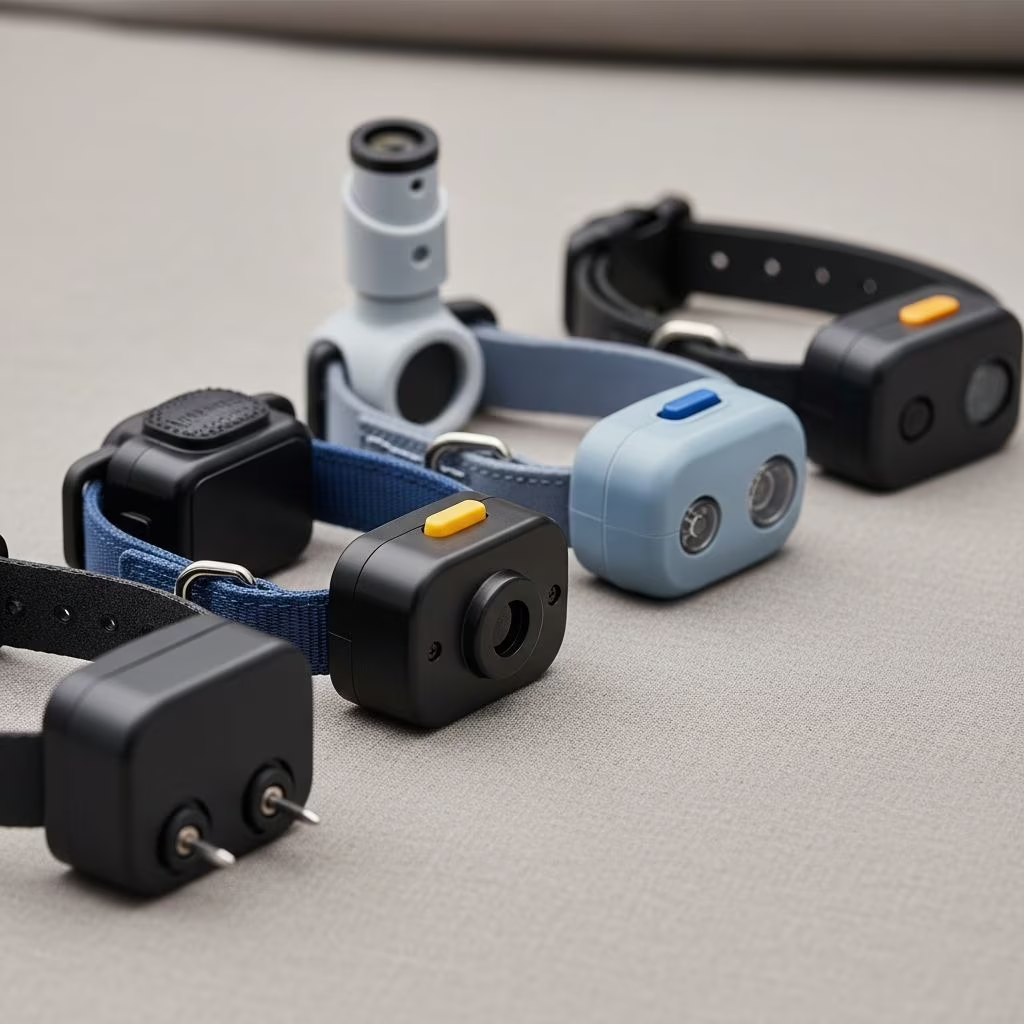
Excessive barking can disrupt households and strain relationships with neighbors. Bark collars offer a practical solution by delivering targeted corrections to discourage unwanted vocalizations. These devices detect barking through sound, vibration, or motion sensors and respond with stimuli like vibrations, sounds, sprays, or static pulses. Selecting the right one depends on your dog’s size, temperament, coat type, and sensitivity.
Understanding How Bark Collars Work
Bark collars activate only when they register your dog’s specific bark pattern, using advanced sensors to ignore ambient noises. This minimizes false triggers from other dogs or environmental sounds. Most models feature adjustable intensity levels, allowing gradual training from mild interruptions to stronger deterrents. Safety mechanisms, such as automatic shut-off after repeated activations, prevent over-stimulation.
Training with a bark collar involves pairing the correction with positive reinforcement. Introduce the collar during calm periods, reward quiet behavior, and monitor your dog’s response. Consistency is key—use the collar daily for 1-2 weeks to establish habits, then phase it out as needed.
Main Types of Bark Collars
Several collar varieties cater to different needs. Here’s a breakdown:
- Vibration Collars: These deliver a pulsating buzz to the neck upon barking detection. Ideal for sensitive dogs averse to stronger stimuli, they provide a tactile distraction without pain.
- Ultrasonic Sound Collars: Emitting high-pitched tones audible only to dogs, these are non-invasive starters. Effective for puppies or small breeds, though success varies by individual hearing sensitivity.
- Citronella Spray Collars: A mist of citrus-scented spray bursts toward the muzzle. Dogs typically dislike the odor and sensation, making it suitable for long-haired or auditory-sensitive pets.
- Static (Shock) Collars: Delivering mild electric pulses similar to static electricity, these are highly effective for stubborn barkers. Modern versions offer low-to-high levels and are safe when used correctly.
Combination collars blend modes (e.g., vibration plus static), offering flexibility for progressive training.
Key Features to Prioritize
Not all bark collars perform equally. Look for these essentials:
| Feature | Benefit |
|---|---|
| Accurate Bark Detection | Sensors filter false triggers from noises or other dogs |
| Adjustable Levels | Customizes intensity to dog’s tolerance |
| Waterproof Design | Withstands rain, swimming, or outdoor use |
| Rechargeable Battery | Long runtime (up to 200 hours) with quick charging |
| Safety Shut-Off | Prevents overuse after 8-10 corrections |
| Bark Counter | Tracks incidents for training insights |
Additional perks include remote control options for manual corrections and modes like progressive (increases with persistent barking) or user-selected levels.
Choosing by Dog Size and Temperament
Tailor your choice to your pet’s profile:
- Small Dogs (under 15 lbs): Opt for lightweight vibration or spray models like PetSafe Elite Little Dog Spray Collar. Compact designs ensure comfort.
- Medium Dogs (15-35 lbs): Versatile static-vibration combos work well, such as those with 8-10 levels.
- Large Dogs (over 35 lbs): Durable options like Dogtra YS600 with strong sensors for hunting breeds.
- Sensitive or Puppy: Start with ultrasonic or vibration to avoid stress.
- Stubborn/High-Energy: Static collars with temperament learning modes, like SportDOG SBC-R.
Coat length matters—spray collars excel on thick fur where contact probes might fail.
Top Recommended Bark Collars
Based on reliability, user feedback, and features, these stand out:
- Dogtra YS600: Best for medium-large dogs. Features accelerometer sensor, vibration warning, 10 static levels, waterproof. Suited for 35+ lbs.
- SportDOG NoBark SBC-R: Premium rechargeable model with OLED screen, three modes (progressive, user-select, temperament learning), Silent Partner tech. For 8+ lbs dogs.
- PetSafe Elite Little Dog Spray Bark Collar: Compact citronella spray for small breeds. Dual sensors, 30-40 sprays per refill, waterproof.
- PetSafe Vibration Bark Collar: Gentle 10-level vibrations with sound/vibration detection. Fits all sizes, waterproof.
- SportDOG NoBark SBC-10: Rechargeable with 10 levels and user-select mode. Great value upgrade from basics.
Honorable mention: E-Collar BP-504 with bark counter and tone-only mode for versatile control.
Safe Usage and Training Tips
Always prioritize welfare:
- Familiarize your dog with the collar sans activation for 1-2 days.
- Fit snugly (two fingers under strap) but check for irritation hourly initially.
- Supervise first week; never use during play or when alone if anxiety-driven barking.
- Combine with obedience training—address root causes like boredom via exercise/toys.
- Avoid on puppies under 6 months or medical-issue barkers (consult vet).
Signs of improper use: increased fear, aggression, or collar avoidance. Switch types if no improvement in 7-10 days.
Pros and Cons Comparison
| Type | Pros | Cons | Best For |
|---|---|---|---|
| Vibration | Gentle, painless, all-weather | May not deter determined barkers | Sensitive dogs |
| Ultrasonic | No contact, inexpensive | Inconsistent effectiveness | Puppies/small breeds |
| Spray | Strong aversion, fur-friendly | Refills needed, weather-sensitive | Long-haired/sensitive |
| Static | Highly reliable, quick results | Perceived as harsh (mild in reality) | Stubborn/large dogs |
Frequently Asked Questions (FAQs)
Are bark collars cruel?
No, when humane models from reputable brands are used. They mimic natural corrections, far milder than a mother’s nip. Focus on positive training.
How long to use a bark collar?
2-4 weeks consistently, then taper. Permanent use unnecessary for most.
Do they work on all dogs?
95% success rate; failures often stem from underlying issues like separation anxiety needing behavioral fixes.
Waterproof or water-resistant?
Top models are fully submersible (e.g., 10 feet for 30 min).
Can puppies wear them?
Generally 6+ months; vibration/ultrasonic safest.
Alternatives to Bark Collars
If collars aren’t ideal, consider:
- Citizen training (teach “quiet” command with rewards).
- Environmental changes (more exercise, puzzle toys).
- Professional trainers for anxiety-related barking.
Bark collars shine for supplemental control during training.
References
- I Want to Train My Dog, Which Bark Collar Should I Get? — Pet Tech. 2023. https://www.pet-tech.com.au/blogs/guides/i-want-to-train-my-dog-which-bark-collar-should-i-get
- A Beginner’s Guide to Choosing the Right Bark Collar for Dogs — Petstek. 2024. https://petstek.com/blogs/petstek-blog/beginner-guide-to-choosing-the-right-bark-collar-for-dogs
- Finding the Right NoBark Collar for Your Hunting Dog — SportDOG Brand. 2023. https://www.sportdog.com/hunting-training-tips/finding-the-right-nobark-collar-for-your-hunting-dog/
- What is a Bark Collar? — Spark Paws. 2024. https://www.sparkpaws.com/blogs/community/what-is-a-bark-collar
- Dog Bark Collars — Sporting Dog Pro. 2023. https://www.sportingdogpro.com/bark-collar
- What Is a Bark Collar? Types, Training & Vet Advice — Mimi Green. 2024. https://www.shopmimigreen.com/what-is-a-bark-collar-guide/
- Bark Control Tools to Help Stop Nuisance Barking — American Kennel Club (AKC). 2025-02-10. https://www.akc.org/expert-advice/training/bark-control-tools-to-help-stop-nuisance-barking/



