

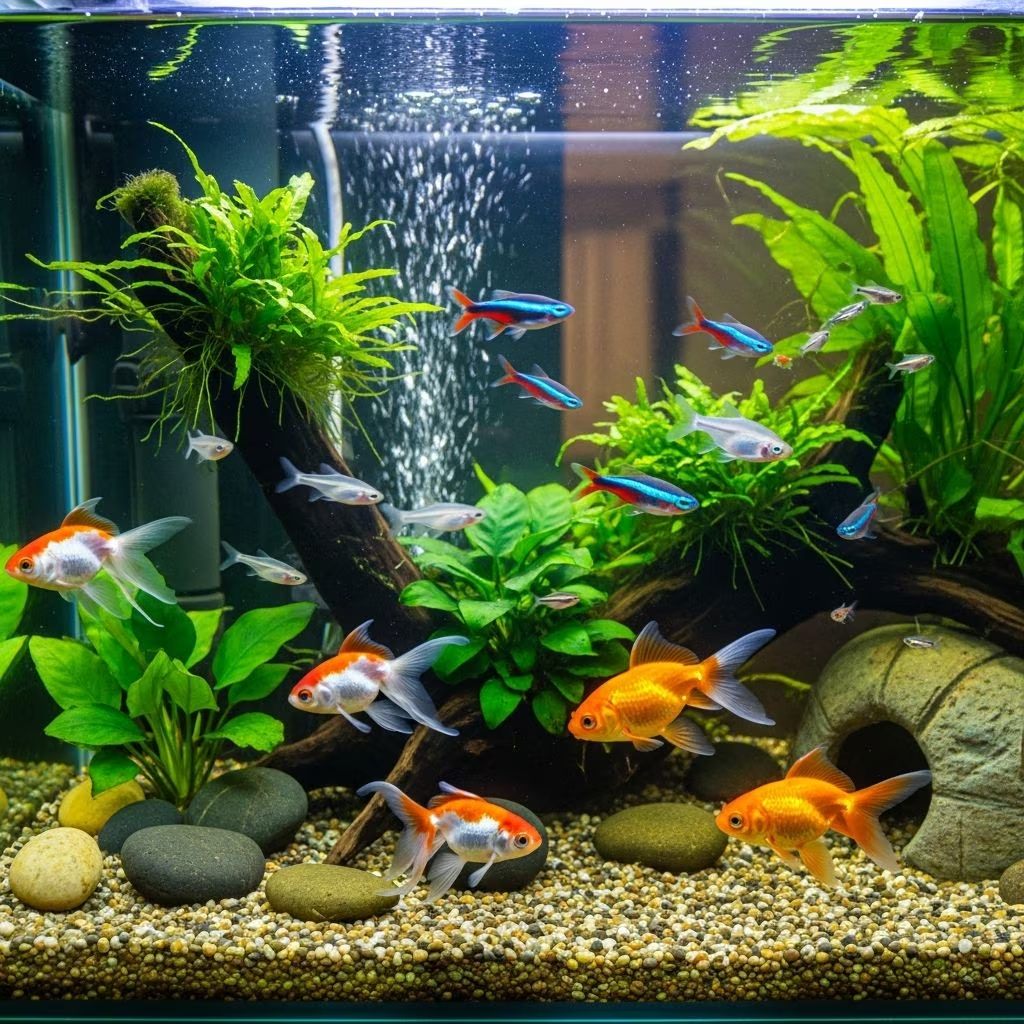
Coldwater fish represent an excellent choice for aquarium enthusiasts seeking low-maintenance setups. These species naturally thrive in cooler temperatures, often eliminating the need for expensive heaters and making them ideal for beginners or those in temperate climates. Unlike tropical fish that demand precise warmth, coldwater varieties adapt well to room temperatures between 50°F and 72°F, reducing energy costs and equipment hassles.
Why Choose Coldwater Species?
Opting for coldwater fish offers multiple advantages. Their slower metabolisms lead to longer lifespans and less frequent feeding, promoting healthier tank dynamics. Many are hardy, resisting common diseases, and they coexist peacefully in community tanks. Sources confirm that species like minnows and danios tolerate ranges from 50°F to 78°F, proving their versatility. Additionally, these fish support natural ecosystems in unheated ponds or streams, mirroring wild habitats.
Environmental benefits include lower electricity use, as heaters account for significant aquarium energy consumption. Coldwater setups also suit outdoor ponds in cooler regions, where trout and carp endure freezes via antifreeze proteins or torpor states.
Essential Tank Setup for Success
Creating an optimal coldwater environment starts with the basics. Use tanks of at least 20 gallons for schooling species to allow ample swimming space. Maintain temperatures via ambient room conditions or simple chillers if summers heat up. Gravel or sand substrates mimic natural bottoms, while live plants like hornwort provide oxygen and shelter.
- Filtration: Moderate flow sponge filters prevent stress in sensitive species.
- pH Levels: Aim for 6.5-8.0; most coldwater fish prefer neutral to alkaline water.
- Lighting: Low to moderate; 8-10 hours daily suffices without algae issues.
- Maintenance: Weekly 25% water changes keep parameters stable.
Aeration is crucial in deeper tanks to oxygenate cooler water, which holds less dissolved oxygen.
Popular Schooling Coldwater Fish
Schooling species add vibrant movement to tanks. These active swimmers prefer groups of six or more for reduced stress and natural behaviors.
White Cloud Mountain Minnows
Renowned for hardiness, White Clouds flourish in 64°F-72°F, tolerating down to 50°F. Their golden bodies with red stripes create stunning schools. Reaching 1.5 inches, they suit nano tanks from 10 gallons. Peaceful and plant-friendly, they spawn readily in cooler setups.
Zebra Danios
Zebra Danios, with bold black-white stripes, handle 60°F-78°F, leaning temperate. Fast and playful, they grow to 2 inches and energize tanks. Ideal for beginners, they nip minimally in large schools.
Rosy Red Minnows
These pink beauties endure 50°F-78°F, perfect for unheated community tanks. Growing to 2 inches, they forage algae and insects, aiding cleanup. Hardy for outdoor ponds too.
| Species | Temp Range (°F) | Size (inches) | Min Group Size |
|---|---|---|---|
| White Clouds | 50-72 | 1.5 | 6 |
| Zebra Danios | 60-78 | 2 | 6 |
| Rosy Red Minnows | 50-78 | 2 | 6 |
Bottom-Dwellers and Scavengers
Bottom-dwellers balance tanks by cleaning detritus, preventing waste buildup.
Peppered Corydoras
Peppered Corys prefer 64°F-77°F, uniquely cool-tolerant among catfish. Spotted patterns and whisker-like barbels charm observers. In groups of 6+, they sift substrates for food, needing sand to protect barbels. Lifespan exceeds 5 years.
Sculpins
Slimy and Mottled Sculpins inhabit cold streams below 65°F, lacking swim bladders for bottom life. Mottled olive camouflage aids predation on invertebrates. Best for larger, stream-simulating tanks with strong current.
Unique Loaches and Oddballs
Loaches bring personality with quirky behaviors.
Weather Loaches
These eel-like fish predict storms via pressure sensitivity, dashing before rain. Thriving at 64°F-72°F, they reach 4 inches, needing hiding spots and soft sand. Peaceful community members.
Brook Sticklebacks
Spiny-backed Brook Sticklebacks favor weedy, cold springs under 65°F. Growing to 3 inches, their spines deter predators. Keep in vegetated tanks with minimal current.
Larger Coldwater Options for Ponds
For outdoor enthusiasts, ponds suit bigger species.
Trout Varieties
Rainbow and Brown Trout dominate cold lakes at 50°F-60°F. Rainbows grow fast to 12+ inches, Browns prefer deepest chills. Require aerated, deep ponds over 6 feet to avoid summer stress.
Goldfish and Koi
Common Goldfish and Koi endure 35°F-85°F, hibernating in torpor under ice. Provide aerators for oxygen. Koi add color to ponds, growing large.
Feeding Strategies
Coldwater fish eat less due to sluggish metabolisms. Offer flakes, pellets, or live foods like brine shrimp 1-2 times daily. Varieties like dace forage periphyton; supplement with blanched veggies. Avoid overfeeding to prevent fouling in low-oxygen cool water.
Health and Common Issues
Hardiness defines these fish, but watch for ich in fluctuating temps or fin rot from poor hygiene. Quarantine newcomers. Cold boosts immunity, but sudden warms stress them.
Compatibility Guide
| Fish Type | Compatible With | Avoid With |
|---|---|---|
| Minnows/Danios | Corys, Loaches, Goldfish | Aggressive Cichlids |
| Trout | Other Trout | Warmwater Species |
| Koi/Goldfish | Minnows | Predatory Fish |
Breeding Coldwater Fish
Many spawn in cool conditions. White Clouds lay eggs on plants; Brook Trout redds in gravel. Simulate seasons with gradual cooling for success.
Frequently Asked Questions (FAQs)
Can coldwater fish live with tropicals?
No, temperature mismatches cause shock. Keep separate.
Do I need a heater?
Rarely; room temps suffice in cool climates.
What’s the ideal temp range?
50°F-72°F for most aquarium species.
Are they suitable for beginners?
Yes, due to hardiness and simple care.
Can they survive outdoors?
Many, like Goldfish and Trout, in aerated ponds.
References
- Cold Water, Good for the Sole — NOAA Fisheries. 2023-05-15. https://www.fisheries.noaa.gov/feature-story/cold-water-good-sole
- Coldwater Fish Species — National Park Service. 2024-02-10. https://www.nps.gov/upde/learn/nature/coldwater-fish-species.htm
- Cold Water Fish — PetConnection.ie. 2025-01-12. https://www.petconnection.ie/blogs/pet-care-guides/cold-water-fish
- Forage Fishes of Cold and Cool-water Streams — The Scientific Fly Angler. 2023-08-20. https://www.thescientificflyangler.com/post/forage-fishes-of-cold-and-cool-water-streams
- What Are the Best Cold-Water Fish for My Lake? — The Pond Guy. 2024-11-05. https://www.thepondguy.com/learning-center/what-are-the-best-coldwater-fish-for-my-lake/
- Cold Water Vs Warm Water Fish — Marvino’s Italian Steakhouse. 2023-03-18. https://marvinositaliansteakhouse.com/the-difference-between-cold-water-and-warm-water-fish/



