

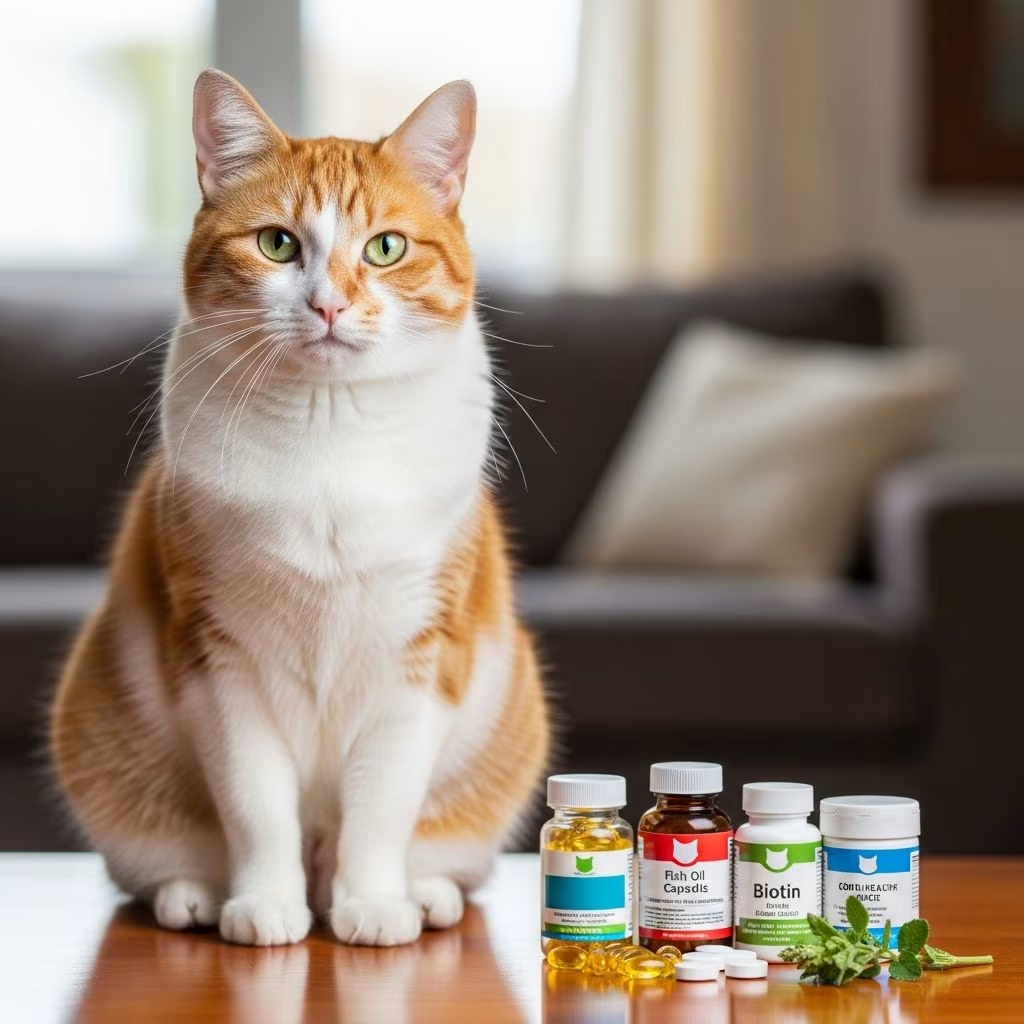
A vibrant, glossy coat is more than just aesthetically pleasing for cats—it’s a key indicator of their overall health. Proper nutrition plays a central role in maintaining skin integrity and fur quality, as deficiencies can lead to dullness, excessive shedding, or irritation. While a balanced diet forms the foundation, targeted supplements can address specific needs, especially for cats with allergies, aging skin, or environmental stressors. This guide delves into the most effective options, backed by veterinary insights, to help your cat achieve a luxurious coat.
Why Your Cat’s Coat Matters for Health
The feline skin and coat system acts as the first line of defense against pathogens and environmental hazards. A healthy coat reflects robust dermal barrier function, adequate hydration, and efficient oil production from sebaceous glands. Factors like poor diet, seasonal changes, or allergies can disrupt this balance, leading to dry, flaky skin or matted fur. Nutrition directly influences coat condition; essential fatty acids and antioxidants are vital for follicle health and reducing inflammation. According to veterinary resources, omega fatty acids in particular support skin cell renewal and immune responses, preventing issues like itchiness or hair loss.
Cats are obligate carnivores, meaning their bodies require specific nutrients not always abundant in standard kibble. Supplements bridge these gaps, promoting shine and resilience without overloading calories. Always consult a vet before starting, as over-supplementation can cause digestive upset or imbalances.
Essential Fatty Acids: The Cornerstone of Coat Vitality
Omega-3 and omega-6 fatty acids stand out as the most researched supplements for feline coat enhancement. These polyunsaturated fats regulate inflammation, moisturize the skin, and strengthen hair shafts. Omega-3s, such as EPA and DHA from fish oil or algae sources, reduce allergic responses and promote a glossy sheen. Omega-6s, like linoleic acid, maintain epidermal barrier function.
- Benefits: Diminishes shedding, soothes itchy skin, bolsters immunity.
- Sources: Salmon oil, krill oil, or plant-based alternatives for sustainability.
- Dosage: Typically 250-500mg EPA/DHA daily for a 10lb cat; adjust per product label.
Studies highlight their role in managing dermatitis; cats on omega-enriched diets show improved coat texture within weeks. Avoid excessive amounts to prevent diarrhea, and choose NASC-certified products for purity.
| Omega Type | Key Benefits | Food Sources | Supplement Forms |
|---|---|---|---|
| Omega-3 (EPA/DHA) | Anti-inflammatory, shiny coat | Fish, flaxseed | Liquid oil, soft chews |
| Omega-6 (Linoleic) | Skin moisture, luster | Chicken fat, evening primrose | Capsules, powders |
Vitamin E: Antioxidant Power for Luster and Protection
Vitamin E, a potent fat-soluble antioxidant, combats oxidative stress that dulls coats and ages skin prematurely. It neutralizes free radicals from pollution or UV exposure, supporting collagen synthesis for elastic, supple skin. Paired with omegas, it enhances nutrient delivery to follicles, resulting in thicker, shinier fur.
- Core Functions: Boosts circulation, fights aging, adds gloss.
- Deficiency Signs: Dry, brittle hair; slow wound healing.
- Recommended Intake: 5-10 IU per day for adults; higher for seniors.
Veterinary guidelines emphasize its synergy with fatty acids, as Vitamin E prevents their oxidation. Cats with chronic conditions benefit most, experiencing reduced flakiness and brighter hues.
Advanced Options: Hemp, Colostrum, and Glutathione
Beyond basics, innovative supplements offer multifaceted support. Full-spectrum hemp extracts provide stable omega fatty acids less prone to rancidity than fish oil, aiding skin barrier repair and gloss. Colostrum bolsters gut health, indirectly enhancing coat via better nutrient absorption and microbiome balance—ideal for allergy-prone cats.
Glutathione, a master antioxidant, detoxifies environmental toxins, countering age-related declines in coat quality. It’s particularly useful for seniors or those with toxin exposure, promoting radiant fur through cellular protection.
- Hemp: Stable omegas for durable skin support.
- Colostrum: Gut-coat axis improvement.
- Glutathione: Toxin elimination for vibrancy.
Joint and Multi-Nutrient Blends for Holistic Care
While focused on coats, many cats benefit from blends addressing mobility alongside dermatology. Glucosamine and chondroitin maintain joint health, reducing stress that indirectly affects grooming and fur condition. Omega-3s in these formulas double as coat nourishers for active or senior cats. Probiotics enhance digestion, ensuring optimal fatty acid uptake for superior shine.
Choosing Quality Supplements: What to Look For
Navigate the market wisely by prioritizing NASC seals, third-party testing, and vet-formulated products. Forms vary: liquids mix easily into food, chews appeal to picky eaters, powders suit wet diets. Check for allergens and calorie content to avoid weight gain.
| Form | Pros | Cons | Best For |
|---|---|---|---|
| Liquid | Precise dosing, easy mixing | Fishy taste | Fussy eaters |
| Chews | Tasty, portable | Higher calories | Motivated groomers |
| Powder | Versatile, low-cal | Grittiness | Weight-conscious cats |
Start low and monitor for 4-6 weeks; improvements include less shedding and softer fur.
Real-World Results and Cat Owner Tips
Owners report dramatic transformations: reduced vet visits for skin issues, glossier coats post-supplementation. Combine with brushing, hypoallergenic diets, and humidity control for best outcomes. Kittens need milder doses, while seniors require anti-inflammatory emphasis.
Frequently Asked Questions (FAQs)
Can supplements fix all coat problems?
No, they support but don’t cure underlying diseases like hyperthyroidism. Vet diagnosis first.
How long until I see results?
Typically 3-8 weeks, depending on the cat’s baseline health.
Are fish oil supplements safe long-term?
Yes, in moderation; rotate sources to prevent mercury buildup.
What if my cat refuses supplements?
Opt for flavored chews or pill pockets; consult for alternatives.
Do indoor cats need coat supplements?
Yes, diet gaps persist regardless of lifestyle.
Potential Risks and Veterinary Guidance
Overdosing fatty acids risks pancreatitis; vitamin excesses cause toxicity. Pregnant or medicated cats need professional oversight. Bloodwork guides personalized plans.
References
- What Are Cat Supplements and How Do They Work? — PetMD. 2023. https://www.petmd.com/cat/nutrition/what-are-cat-supplements-how-do-they-work
- Try These Supplements for a Healthy Cat Coat — Earth Buddy Pet. 2023. https://www.earthbuddypet.com/blogs/cbd-oil-blog/supplements-for-a-healthy-cat-coat
- Top Supplements for Cat Health at Every Life Stage — ImpriMed. 2024. https://www.imprimedicine.com/blog/cat-supplements
- The Importance of Your Pet’s Skin and Coat and the Role of Diet — VCA Animal Hospitals. 2023. https://vcahospitals.com/know-your-pet/the-importance-of-your-pets-skin-and-coat-and-the-role-of-diet



