

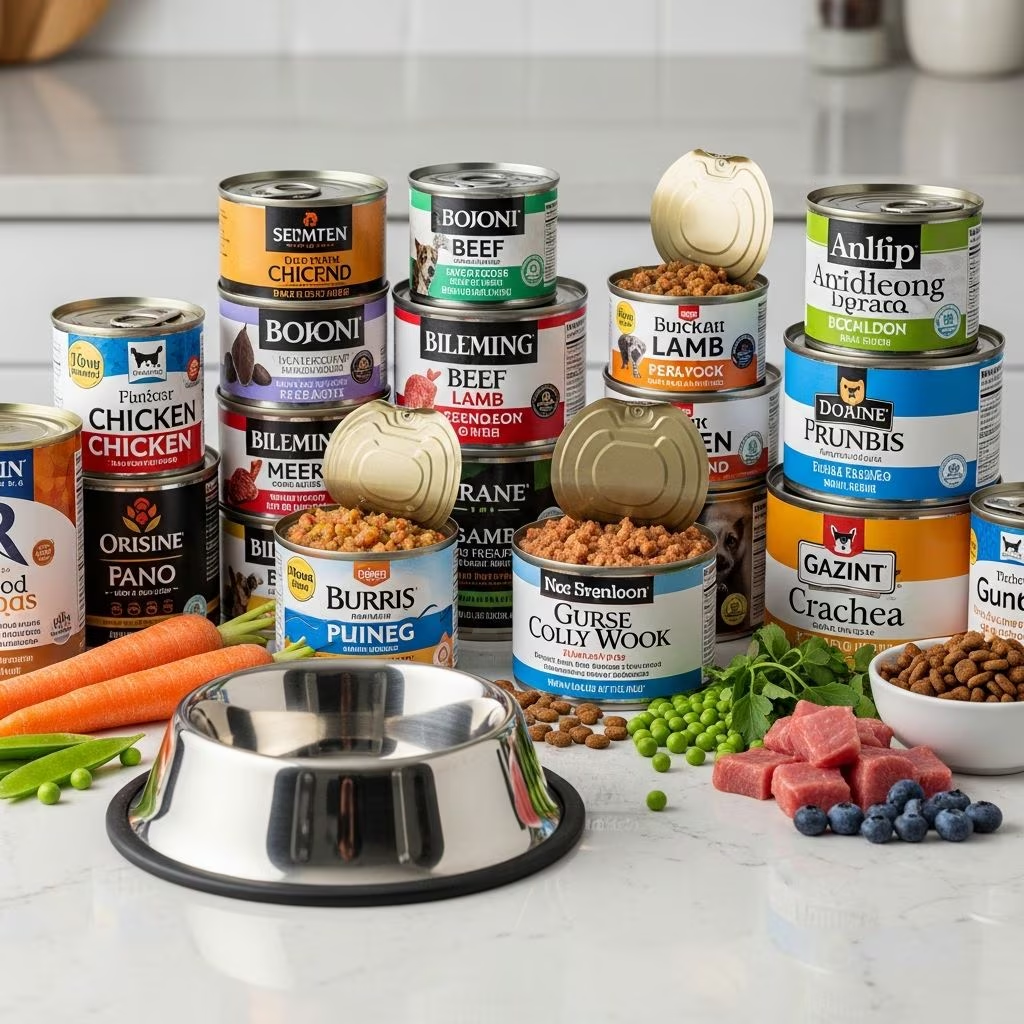
Canned dog food stands out as a highly beneficial option for many pets due to its high moisture content, enhanced flavor profiles, and ease of digestion. This guide delves into its advantages, nutritional breakdowns, and practical selection strategies to help pet owners make informed choices.
Why Choose Canned Dog Food Over Other Types?
Canned varieties excel in several key areas that promote better health outcomes for dogs. Their composition, often featuring up to 78% moisture, supports essential hydration, particularly vital for dogs prone to urinary issues or those in hot climates.
- Superior Hydration Support: The elevated water levels help dogs stay hydrated, reducing risks associated with kidney or urinary conditions.
- Enhanced Palatability: Rich aromas and soft textures appeal to picky eaters, seniors, or recovering dogs.
- Easier Digestion: Soft consistency minimizes chewing effort and aids nutrient absorption, ideal for sensitive stomachs.
Unlike dry kibble, which requires more preservatives for longevity, canned food relies on the canning process for natural preservation, potentially lowering additive exposure.
Nutritional Breakdown: Canned vs. Dry Dog Food
Understanding the compositional differences reveals why canned food suits specific dietary needs. Wet formulas typically prioritize meat-based proteins with fewer carbohydrates, aligning closely with canine biological requirements.
| Nutrient Aspect | Canned Dog Food | Dry Dog Food |
|---|---|---|
| Moisture Content | 70-78% | 10-12% |
| Carbohydrates | 10-30% | 30-50% |
| Protein Source | Higher meat content | Often grain-inclusive |
| Fat Levels | 5-15%, similar | 5-15%, similar |
| Caloric Density | Lower, aids satiety | Higher per volume |
This table highlights canned food’s lower carb profile and higher moisture, which can promote satiety and weight control. Fresh alternatives may offer even more nutrients, but canned provides a practical middle ground with retained vitamins post-processing.
Health Benefits for Specific Dog Needs
Canned food addresses diverse health scenarios effectively. For overweight dogs, its lower caloric density fosters fullness without excess intake.
- Senior Dogs: Stronger scents counteract diminished smell senses, boosting appetite.
- Dogs with Dental Issues: No hard chewing required, preventing discomfort.
- Picky or Ill Pets: Flavorful profiles encourage eating during recovery.
- Digestive Sensitivity: High moisture reduces bloating and eases processing.
Studies and veterinary insights confirm wet food’s role in hydration for kidney health, with moisture aiding urinary tract function.
Potential Drawbacks and How to Mitigate Them
While advantageous, canned food has limitations like higher costs and refrigeration needs post-opening. It may contain more fat in some recipes, necessitating portion monitoring.
- Refrigerate leftovers promptly to maintain freshness.
- Mix with dry kibble for cost savings and dental benefits.
- Select BPA-free cans to avoid chemical concerns.
Long-term, combining formats ensures nutritional variety and convenience.
How to Select Premium Canned Dog Food
Quality hinges on ingredient scrutiny and label analysis. Prioritize products listing real meats first, minimizing fillers and artificial additives.
- Check Protein Sources: Look for named meats like chicken or beef as primary ingredients.
- Avoid Excess Fillers: Steer clear of high grain or byproduct counts.
- Verify Moisture and Fat Balance: Aim for formulas supporting your dog’s life stage.
- Read Guaranteed Analysis: Ensure adequate protein (at least 8-10% minimum).
- Consider AAFCO Standards: Confirm complete and balanced nutrition.
Brands emphasizing fresh, high-quality inputs often yield better digestibility and appeal.
Practical Feeding Tips and Transitions
Introduce canned food gradually over 7-10 days to prevent digestive upset. Start with 25% new food mixed into the old, increasing incrementally.
- Portion based on weight: Approximately 1 oz per lb of body weight daily, adjusted for activity.
- Enhance meals with toppers for variety.
- Monitor weight and stool quality to fine-tune amounts.
For optimal results, rotate flavors while maintaining consistency in core nutrients.
Cost Comparison and Storage Advice
Canned food costs more per serving but offers value through health gains. Unopened cans store at room temperature for years; opened ones last 3-5 days refrigerated.
| Format | Avg. Cost per Day (20lb Dog) | Storage Convenience |
|---|---|---|
| Canned | $2-4 | Requires fridge post-open |
| Dry | $0.50-1.50 | Shelf-stable |
Budget-conscious owners can use canned as a topper (25% of diet) for benefits without full expense.
FAQs on Canned Dog Food
Is canned dog food better for hydration?
Yes, its 70-78% moisture content significantly aids hydration, especially for dogs not drinking enough water.
Can puppies eat canned food?
Absolutely, select puppy-specific formulas for growth-supporting nutrients.
Does canned food cause weight gain?
Not inherently; lower calorie density can aid management, but monitor portions.
How often should I feed canned food?
1-2 times daily, based on veterinary guidance and activity level.
Is it safe to mix wet and dry food?
Yes, combining enhances variety, palatability, and dental health.
Conclusion: Optimizing Your Dog’s Diet
Incorporating quality canned dog food elevates nutrition through hydration, taste, and digestibility. Tailor choices to your dog’s needs for peak health.
References
- The Benefits of Fresh Dog Food vs. Canned: Which is Better for Your Dog’s Health — BJ’s Raw Pet Food. 2023. https://www.bjsrawpetfood.com/blogs/all/the-benefits-of-fresh-dog-food-vs-canned-which-is-better-for-your-dog-s-health
- 10 Benefits of Wet Food for Dogs — Only Fresh. 2023. https://onlyfresh.com/en/blogs/news/b
- Wet vs. Dry Dog Food Comparison — Pet Drugs Online. 2024. https://www.petdrugsonline.co.uk/pet-advice/wet-vs-dry-dog-food-comparison
- Dry Dog Food vs. Wet Dog Food: Which is Better? — PetMD. 2025-03-15. https://www.petmd.com/dog/nutrition/dry-dog-food-vs-wet-dog-food-which-better
- Wet Vs Dry Dog Food: Which is Right for Your Pup — Nature’s Logic. 2024. https://natureslogic.com/blog/wet-vs-dry-dog-food/
- Wet vs. Dry Dog Food: Which Is Right for Your Pet? — Hill’s Pet. 2024. https://www.hillspet.com.au/dog-care/nutrition-feeding/wet-vs-dry-dog-food
- Should You Give Your Dog Wet Food? — Purina. 2025. https://www.purina.com/articles/dog/feeding/guides/should-i-feed-my-dog-wet-dog-food



