

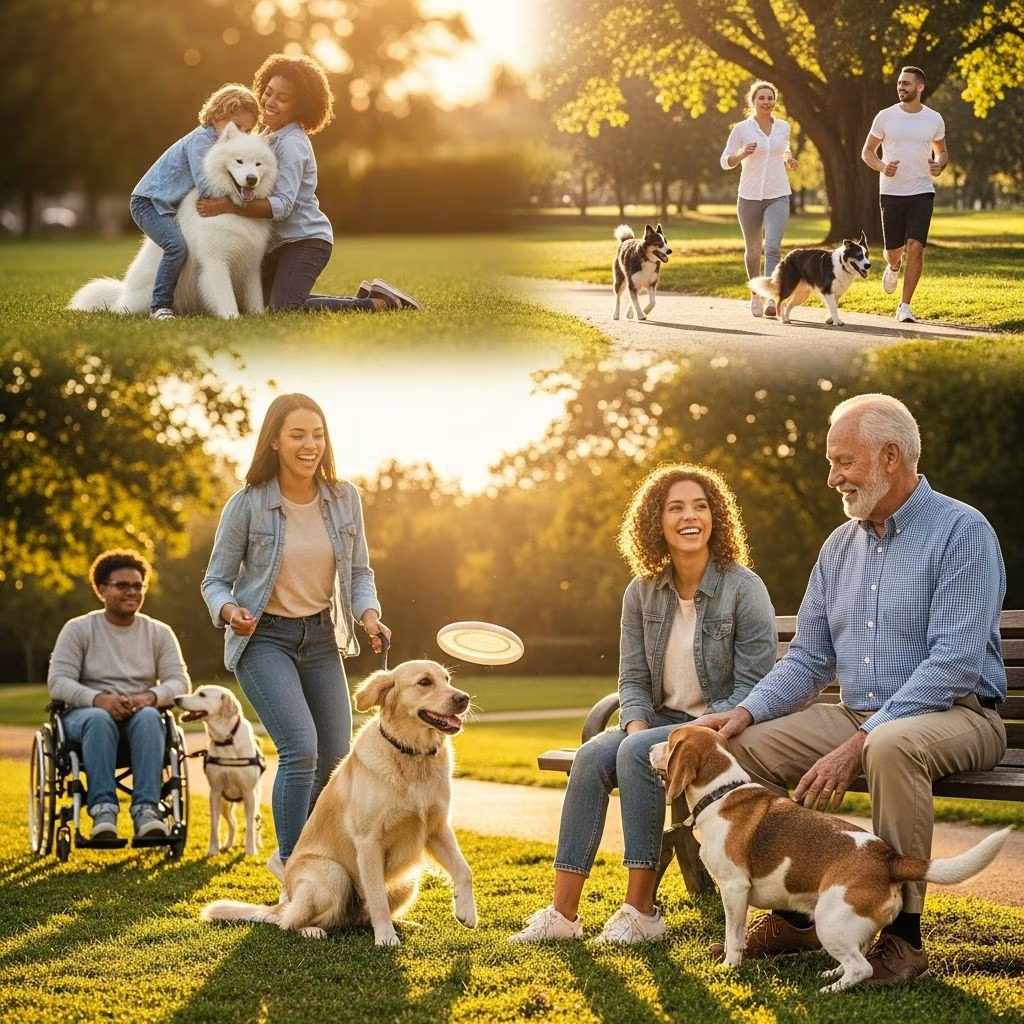
Dogs offer transformative advantages to their owners, enhancing physical vitality, mental resilience, and social connections through everyday companionship. Scientific research consistently demonstrates that canine bonds contribute to longer, healthier lives by promoting activity, lowering stress, and providing emotional stability.
Enhancing Cardiovascular Wellness
The presence of a dog in the home correlates strongly with improved heart health outcomes. Studies reveal that dog owners experience lower risks of mortality following major cardiac events like heart attacks and strokes. For instance, individuals living alone who own dogs show significantly reduced death rates post-heart attack compared to non-owners, with similar protective effects observed in those living with family.
This benefit extends to preventive care as well. Regular interactions with dogs help regulate blood pressure and cholesterol levels, key factors in cardiovascular disease. The routine of walking a dog encourages consistent physical exertion, which strengthens the heart and vascular system over time.
| Health Metric | Dog Owners | Non-Owners |
|---|---|---|
| Post-Heart Attack Survival | Higher (reduced risk) | Lower |
| Blood Pressure | Lower levels | Higher levels |
| Cholesterol | Improved | Less favorable |
These metrics highlight why health organizations recognize dog ownership as a supportive lifestyle factor for heart health.
Boosting Mental and Emotional Strength
Dogs serve as reliable emotional anchors, mitigating feelings of isolation and anxiety. Research indicates that petting a dog for just ten minutes can substantially decrease cortisol, the primary stress hormone, while elevating mood-enhancing chemicals like oxytocin and serotonin.
- Unconditional affection from dogs combats loneliness, with surveys showing 85% of pet owners report less social isolation.
- During crises, such as PTSD in veterans, service dogs improve coping mechanisms and reduce symptom severity.
- Daily routines fostered by dog care instill purpose, particularly beneficial for those facing depression or chronic stress.
Even brief eye contact with a dog triggers oxytocin release, fostering joy and connection akin to human bonding.
Promoting Active Lifestyles and Fitness
One of the most direct physical perks is the built-in motivation for exercise. Dog owners are far more likely to achieve recommended activity levels—nearly four times more in some studies—through daily walks that accumulate to moderate aerobic exercise.
Over 60% of dog owners meet weekly guidelines of 150 minutes of moderate activity, linking to reduced risks of various cancers and obesity. These habits form naturally, turning obligation into enjoyable routine, with trails and neighborhoods becoming fitness venues.
Supporting Healthy Aging and Cognitive Function
For seniors, dogs provide vital companionship that counters age-related decline. Pet interactions decrease agitation in dementia patients, enhance social engagement, and sharpen cognitive abilities in long-term care settings.
Older adults with dogs report lower depression rates, heightened activity, and better chronic disease management, including Alzheimer’s. The emotional support and routine care promote overall life quality, making aging more vibrant.
Strengthening Social Bonds and Community Ties
Dogs act as social catalysts, easing interactions in public spaces. Walks often lead to conversations with fellow owners, reducing social anxiety and building networks. This communal aspect alleviates isolation, especially in urban or solitary living scenarios.
Children benefit too, developing empathy and responsibility through pet care, while families gain shared joy from dog-related activities.
Unique Advantages for Specific Health Conditions
Beyond general wellness, dogs aid targeted groups. Individuals with AIDS show lower depression incidence with pets, and therapy dogs excel in clinical settings for anxiety relief. The bidirectional bond—where dogs also experience hormonal benefits—amplifies mutual healing.
Potential Challenges and Responsible Ownership
While benefits abound, commitment is essential. Owners must ensure proper training, veterinary care, and time allocation to maximize positives and avoid strains like unexpected costs or allergies. Selecting a breed matching lifestyle ensures harmony.
FAQs
Do dog owners really live longer?
Yes, multiple studies confirm dog owners have lower overall mortality risks, particularly from cardiovascular causes, due to exercise and stress reduction.
How does a dog help with stress?
Physical contact lowers cortisol and boosts oxytocin, providing quick physiological calm.
Are dogs good for seniors?
Absolutely; they improve cognition, reduce loneliness, and encourage movement.
Can dogs help children develop better?
They teach empathy, responsibility, and social skills through interaction.
What about exercise benefits?
Dog owners often exceed activity guidelines, aiding weight management and heart health.
References
- Do Dog Owners Live Longer? — American Heart Association. 2023-10-15. https://www.heart.org/en/healthy-living/healthy-bond-for-life-pets/do-dog-owners-live-longer
- 10 Science-Based Benefits of Having a Dog — American Kennel Club. 2023-05-20. https://www.akc.org/expert-advice/lifestyle/10-science-based-benefits-dog/
- Health Benefits of Pets — UC Davis Health. 2024-04-10. https://health.ucdavis.edu/blog/cultivating-health/health-benefits-of-pets-how-your-furry-friend-improves-your-mental-and-physical-health/2024/04
- How Pets Impact Our Mental Health — Human Animal Bond Research Institute (HABRI). 2023-08-12. https://habri.org/blog/how-pets-impact-our-mental-health/
- The Power of Pets — NIH News in Health. 2018-02-01. https://newsinhealth.nih.gov/2018/02/power-pets



