

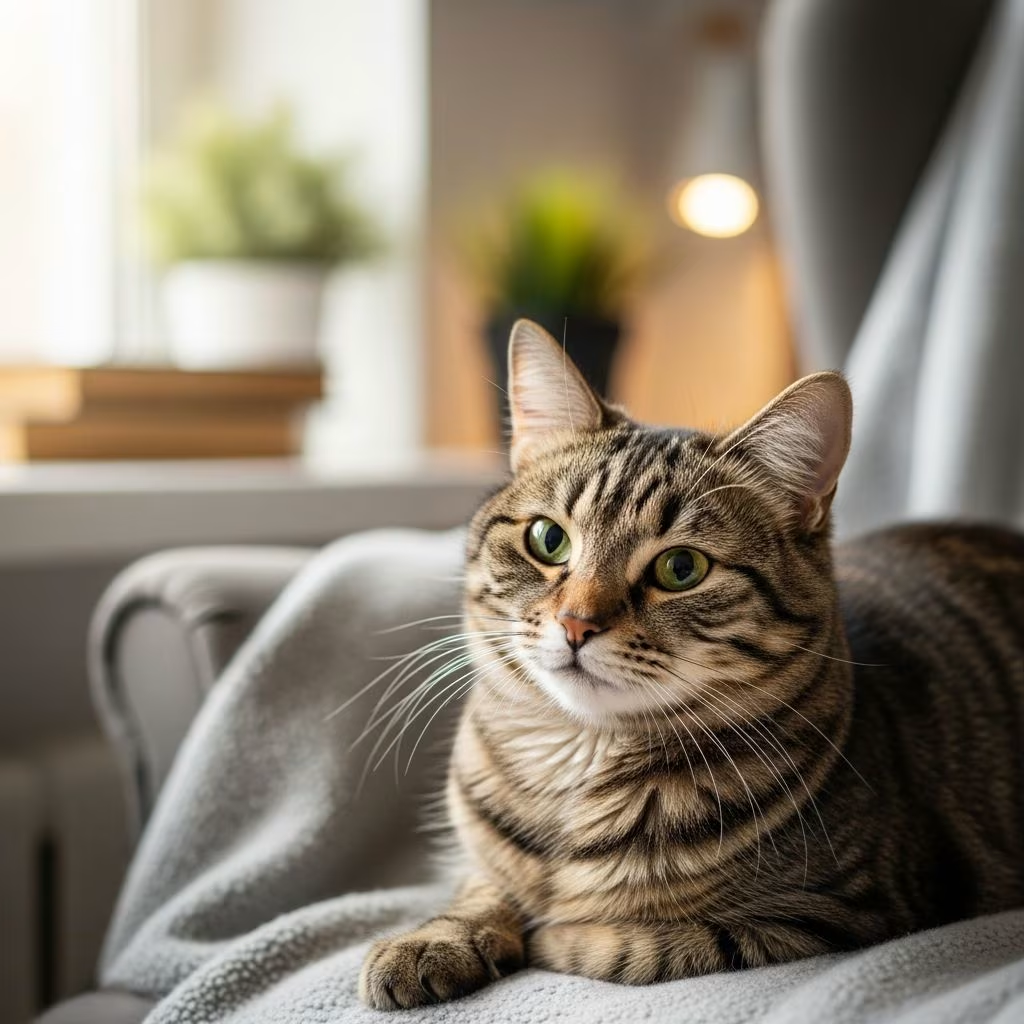
Cats offer a unique blend of independence and affection that transforms everyday life for their owners. Scientific research highlights how these feline companions contribute to better physical health, emotional stability, and social dynamics, making them ideal pets for diverse lifestyles.
Enhancing Cardiovascular Wellness
One of the most compelling advantages of cat ownership lies in its potential to support heart health. Studies indicate that individuals with cats experience a reduced risk of fatal cardiovascular events, including myocardial infarction and stroke. For instance, data from a large national survey showed that past or present cat owners had a significantly lower relative risk (RR 0.63) of death due to myocardial infarction after adjusting for key factors like age, blood pressure, smoking, and body mass index. This protective effect extends to overall cardiovascular diseases, suggesting cats as a simple yet effective strategy for high-risk individuals.
The mechanism partly stems from stress reduction, as pets help lower blood pressure and autonomic responses to stressors. Cat interactions can decrease resting heart rates and blood pressure, preparing owners to handle challenges more effectively. Even brief sessions of petting a cat for 10 minutes have been linked to physiological calming, aiding recovery from stress tasks with fewer errors and faster normalization of vital signs.
Reducing Stress and Emotional Strain
Cats excel at mitigating stress, a key factor in many health issues. Interacting with them lowers cortisol levels, the primary stress hormone, while promoting a sense of challenge over threat during demanding situations. In controlled experiments, cat owners demonstrated calmer responses to math problems and cold exposure when their pets were present, outperforming those without pets or even with spousal support alone.
Recent physiological research reveals a more nuanced picture: home interactions with cats can activate the sympathetic nervous system, increasing heart rates and correlating positively with cortisol and oxytocin levels. This ‘eustress’—positive arousal—contrasts traditional views of pet therapy as purely relaxing, potentially building resilience against diseases by stimulating moderate, controllable stress responses. Petting frequency negatively correlates with parasympathetic changes, indicating tactile contact as a key modulator.
- Key Stress-Relief Tactics: Daily stroking sessions boost oxytocin, fostering anti-anxiety effects and well-being.
- Observing cats’ playful antics elevates mood and energy without physical effort.
- Long-term ownership (over 2 years) amplifies these benefits, enhancing emotional support scales.
Boosting Mental Health and Mood
The psychological perks of cat companionship are profound, particularly for mood regulation and combating isolation. Brain imaging shows cat interactions activate the prefrontal cortex and inferior frontal gyrus, regions tied to improved mood and cognitive processing. Owners report fewer negative emotions and less seclusion, with single cat owners often rating happier than those in relationships without pets.
Cats provide unconditional support, easing loneliness and social anxiety through routine care and quiet presence. Their purring, operating at healing frequencies, may indirectly aid owners by creating a soothing environment. Research links cat ownership to personality traits like openness and curiosity, while offering structure that motivates positive health changes and bolsters immune responses via reduced depression.
| Benefit | Evidence | Impact |
|---|---|---|
| Mood Improvement | Brain activation in key areas | Happier daily outlook |
| Loneliness Reduction | Lower negative emotions | Stronger emotional bonds |
| Anxiety Management | Routine and support | Enhanced resilience |
Fostering Companionship Without Demands
Unlike more high-maintenance pets, cats adapt to busy schedules, offering companionship on their terms. This low-pressure dynamic suits introverts or those with irregular routines, providing affection without constant attention. Owners gain a sense of purpose from feeding, grooming, and play, which structures days and combats aimlessness.
Socially, cats serve as icebreakers, sparking conversations in vet clinics or online communities. They encourage gentle physical activity, like laser play or harness walks, promoting outdoor time safely. This blend of autonomy and interaction makes cats versatile for apartments, families, or seniors.
Supporting Physical Activity and Habits
While not as exercise-intensive as dogs, cats inspire movement through interactive toys and hunting games. Owners often report increased steps from play sessions, contributing to overall fitness. The calming purr and cuddles may enhance sleep quality indirectly by reducing nighttime stress.
Cardioprotective effects tie into broader habits: lower blood pressure from pet presence aids long-term vascular health. Combined with mental boosts, this motivates healthier eating and self-care, creating a virtuous cycle.
Practical Advantages for Modern Lifestyles
Cats thrive indoors, minimizing mess and allergens compared to larger pets. Their self-grooming reduces maintenance, allowing focus on bonding. Financially, they require less food and space, ideal for urban dwellers. Emotionally, their quirky personalities—zoomies, kneading, head-butts—deliver endless entertainment and laughter.
- Cost-Effective Care: Lower vet bills for routine checkups.
- Space-Saving: Perfect for small homes.
- Quiet Companions: Less bark, more purr.
Potential Challenges and Mitigation
No pet is perfect; cats may scratch furniture or ignore litter training initially. Allergies affect some, but hypoallergenic breeds exist. Commitment to spaying/neutering prevents overpopulation issues. With proper introduction, multi-pet homes harmonize well.
Health monitoring ensures mutual benefits; regular vet visits catch issues early, mirroring owners’ self-care routines.
Frequently Asked Questions (FAQs)
Do cats really improve heart health?
Yes, studies show cat owners have lower risks of cardiovascular death, linked to stress reduction and physiological arousal.
Can cats help with anxiety or depression?
Absolutely; interactions lower cortisol, boost oxytocin, and provide emotional support, aiding mood and reducing isolation.
Are cats good for busy people?
Yes, their independent nature fits irregular schedules while offering flexible companionship.
How much time do I need for a cat?
Minimal daily interaction suffices; 10-20 minutes of play and petting yields benefits.
Do cats reduce blood pressure?
Evidence confirms lower resting rates and faster stress recovery in owners.
References
- Effects of Interactions with Cats in Domestic Environment on Psychological and Physiological Indicators of the Owners — NIH/PMC. 2023-07-01. https://pmc.ncbi.nlm.nih.gov/articles/PMC10340037/
- Benefits of Being a Cat Lover According to Science — Healthline. 2023. https://www.healthline.com/health/benefits-of-being-cat-lover
- Cat Ownership and the Risk of Fatal Cardiovascular Diseases — NIH/PMC. 2012-03-26. https://pmc.ncbi.nlm.nih.gov/articles/PMC3317329/
- 6 Mental and Physical Benefits of Having a Cat — Good Housekeeping. 2024. https://www.goodhousekeeping.com/life/pets/g64551961/benefits-of-owning-cat/
- Health Benefits of Pets — UC Davis Health. 2024-04. https://health.ucdavis.edu/blog/cultivating-health/health-benefits-of-pets-how-your-furry-friend-improves-your-mental-and-physical-health/2024/04
- Health Benefits — FEDIAF. 2024. https://europeanpetfood.org/pets-in-society/health-benefits/



