
Top 9 Freshwater Sharks For Aquariums: Best Picks & Care
Complete guide to the best freshwater shark species for your aquarium setup and care requirements.
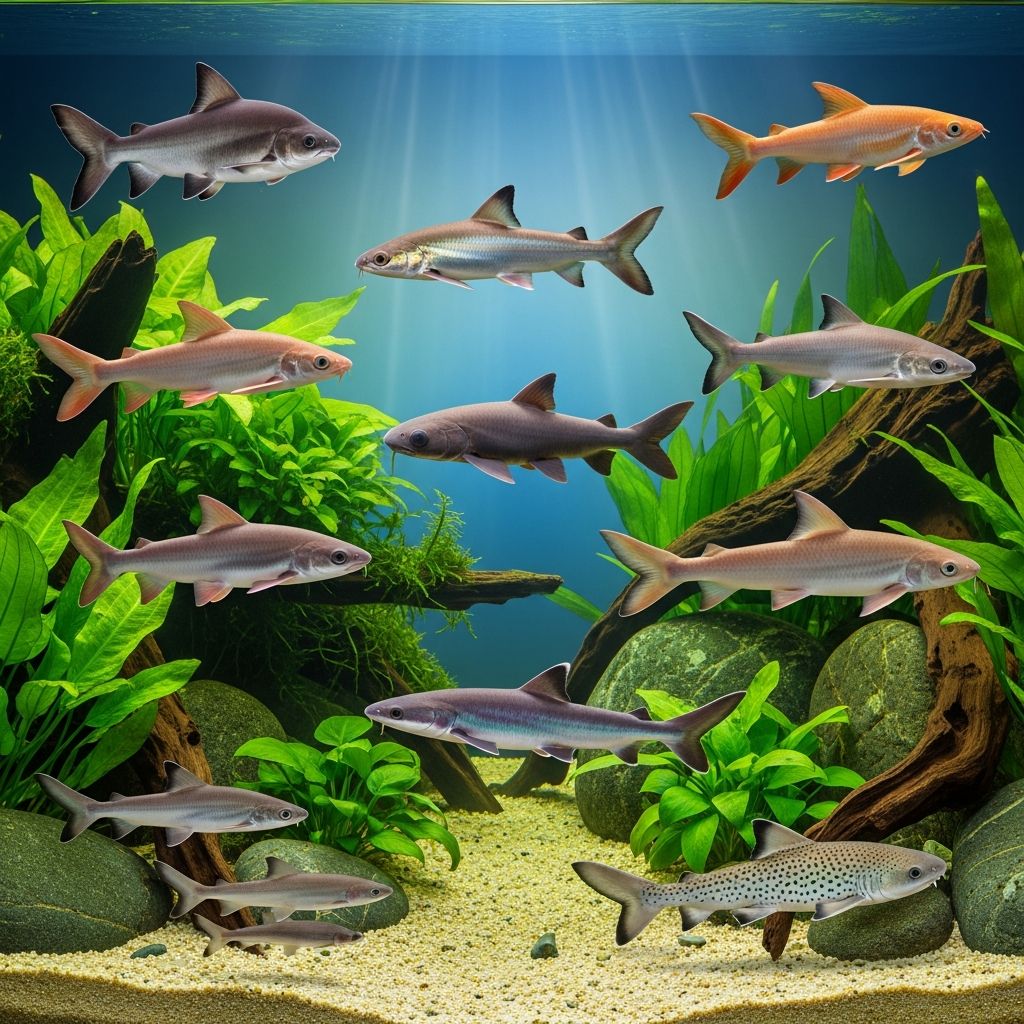
Top 9 Freshwater Sharks for Aquariums
Freshwater sharks have become increasingly popular in the aquarium hobby, captivating enthusiasts with their distinctive appearance and dynamic swimming behavior. However, it’s important to understand that freshwater sharks are not true sharks but rather fish with shark-like appearances that belong to various families. These fascinating creatures require specific care, appropriate tank sizes, and proper environmental conditions to thrive in captivity. Whether you’re a beginner or an experienced aquarist, understanding the different freshwater shark species available can help you make informed decisions about which species best suits your aquarium setup.
Understanding Freshwater Sharks
Freshwater sharks are a diverse group of fish that mimic the appearance and behavior of true sharks despite not being biological sharks. These fish come from various family classifications and exhibit different behaviors, dietary requirements, and environmental needs. The appeal of freshwater sharks lies in their sleek bodies, sharp fins, and active swimming patterns that bring movement and visual interest to any aquarium. However, potential owners must recognize that these fish require careful consideration regarding tank size, water conditions, and compatibility with other species.
What Freshwater Sharks Can You Keep in an Aquarium?
Bala Shark
The Bala shark is one of the most popular freshwater shark species, recognized for its striking silvery body and black-tipped fins that create a distinctly “shark-like” appearance. As a member of the Cyprinid family, Bala sharks are peaceful community omnivores that adapt well to many aquarium setups. These fish can grow up to 13 inches long and typically come in schools or packs, making them a social species that thrives in group settings. Due to their size and schooling nature, Bala sharks require at least 125 gallons of water per fish. If you plan to keep multiple Bala sharks together, you’ll need to significantly increase your tank volume accordingly. These versatile fish do well with a varied diet and appreciate open swimming space combined with some areas for shelter.
Rainbow Shark
The Rainbow shark is a visually stunning species with a distinctive appearance that makes it a favorite among aquarists. Building a community tank around a Rainbow shark requires thoughtful planning, as they can be territorial as they mature. Rainbow sharks become increasingly territorial as they grow, necessitating plenty of space and caves or other structures where they can establish their territory. When designing a Rainbow shark tank, peaceful schooling species that occupy the top and middle water column, rather than the bottom where the shark resides, tend to coexist most successfully. Provide your Rainbow shark with dense plant growth, caves, and adequate space to minimize aggression. These sharks require substantial tank volume and benefit from an oversized filtration system to maintain pristine water conditions.
Roseline Shark
The Roseline shark, also known as the Denison barb, is widely considered the best freshwater shark species for beginners. This beautiful species features a black body complemented by bright red fins that create a striking visual impact in any aquarium. Roseline sharks are relatively small compared to other freshwater shark species, typically not exceeding 4–5 inches in length, making them one of the smallest freshwater sharks available for aquarium keeping. Despite their modest size, they still require an aquarium of 55–75 gallons to thrive. These fish are readily available, easy to maintain, and not overly aggressive, making them ideal for those new to keeping freshwater sharks. Roseline sharks bring vibrant color and dynamic movement to aquariums while remaining manageable in terms of space and care requirements.
Red Tail Shark
The Red Tail shark is another popular choice for freshwater aquariums, characterized by its distinct coloration and behavioral patterns. These sharks become territorial as they grow and should be provided with plenty of space along with caves and other structures where they can establish their “home” territory. Red Tail sharks are bottom dwellers that benefit from adequate substrate and hiding places. While they can be aggressive, proper tank setup with territorial boundaries and compatible tank mates can help minimize conflicts. These fish require significant tank volume and benefit from well-planted areas that provide both visual breaks and territorial zones.
Black Shark
Black sharks are another species that requires careful consideration for tank setup and compatibility. Like other larger freshwater shark species, black sharks can reach over 12 inches in length and will require an aquarium of at least 100 gallons when fully grown. These fish need robust filtration systems and generous amounts of open swimming space combined with areas for shelter. Black sharks are bottom dwellers that appreciate sandy substrates and adequate spacing from other fish to minimize territorial conflicts.
Harlequin Shark
Harlequin sharks are an intriguing species known for their distinctive patterning and behavior. These sharks can reach over 12 inches in length and require an aquarium of at least 100 gallons when fully grown. Harlequin sharks thrive in well-maintained tanks with excellent filtration and appropriate water parameters. These fish appreciate environments with both open swimming areas and places to hide, contributing to their overall well-being and reduced stress levels.
Colombian Shark
Colombian sharks are medium-to-large freshwater sharks that can exceed 12 inches in length, requiring at least 100 gallons of water when fully grown. These sharks prefer slightly higher pH and alkalinity levels and may benefit from the addition of up to 1 tablespoon of aquarium or sea salt per gallon. Colombian sharks tend to get along well with other medium-sized community fish species, making them relatively more social than some other freshwater shark varieties. Proper tank setup with good filtration, appropriate water chemistry, and compatible tank mates contributes to their success in captivity.
Violet Blushing Shark
The Violet Blushing shark is a distinctive species with a very light body color and an almost translucent gill cover through which you can actually see the gills. This unique anatomical feature makes Violet Blushing sharks instantly recognizable in aquarium settings. These sharks can grow up to 12 inches long and do well when kept in a school, though they will require up to 125 gallons of water initially. Violet Blushing sharks do reasonably well in freshwater community tanks, provided there are no smaller fish that would be considered prey species. Their peaceful nature and interesting appearance make them a popular choice for experienced aquarists with larger tanks.
Silver Apollo Shark
The Silver Apollo shark features a silvery-gold body with a faint black or brown stripe along its body and silvery fins. These fish are known to be fast-moving and prefer being kept in a small school of at least 5–6 individual fish. Silver Apollo sharks can grow up to ten inches, so a group will require at least 125 gallons of water. These sharks tend to get along well with other medium-sized community fish species, making them suitable for well-planned community tanks. Their active swimming behavior and schooling nature add visual interest and dynamic movement to any aquarium setup.
Chinese High-Fin Banded Shark
The Chinese High-Fin Banded shark is another excellent choice for freshwater aquariums, particularly suited for beginners alongside the Roseline shark. This species is an excellent omnivore that will eat almost anything, including sinking wafers, fish flakes, and certain types of algae. The Chinese High-Fin Banded shark comes from Thailand’s rivers, streams, and floodplains during the rainy season, meaning they are accustomed to living in a wide range of pH between 6–8 and temperatures from 72–79°F (22–26°C). Notably, the Chinese banded shark is an exception to the standard temperature range for freshwater sharks and can be kept at temperatures as low as 60°F. This flexibility in temperature requirements makes them particularly adaptable to various aquarium setups.
What Is the Best Freshwater Aquarium Shark?
For first-time freshwater shark enthusiasts, the Roseline shark stands out as the best choice. These fish are readily available through most aquarium retailers, easy to keep compared to larger species, and can be maintained in smaller aquariums relative to other sharks. Roseline sharks are not overly aggressive and bring a bright splash of color with lots of dynamic movement to any aquarium. Their manageable size, peaceful temperament, and visual appeal make them the ideal entry point for anyone interested in keeping freshwater sharks.
What Is the Smallest Freshwater Shark for an Aquarium?
The Roseline shark, also known as the Denison barb, holds the distinction of being the smallest freshwater fish species in the shark category, topping out at only 4–5 inches. This compact size, combined with their relatively peaceful nature and striking appearance, makes them perfect for aquarists with limited tank space. Despite their small stature, they still require appropriate tank volume and careful attention to water conditions to ensure optimal health and longevity.
Setting Up Your Freshwater Shark Tank
Tank Size and Space Requirements
Proper tank sizing is fundamental to freshwater shark success. The first step in setting up a shark tank aquarium is deciding what size tank you can manage, then choosing an appropriate shark species accordingly. Many larger freshwater sharks require aquariums of at least 100–125 gallons when fully grown. When calculating available space, remember that decorative items and filtration elements reduce effective swimming space. For example, a 500-gallon tank with lots of decoration may provide only 300 gallons of actual usable space.
Filtration and Water Quality
Filtration is absolutely key, as freshwater sharks need extremely clean water conditions, requiring a filter that is oversized for your tank volume. Sharks are very sensitive to water chemistry and poor water conditions, so maintaining a large-volume tank allows your filtration to function correctly without stressing your fish. Maintain good filtration and perform a 10% water exchange every week or 25% every 2 weeks. Temperature for most sharks should be maintained between 74° to 80°F, with the exception of the Chinese banded shark, which can be kept at temperatures as low as 60°F. pH should be between 6.8 and 8.0, with hardness between 2° and 10° dKH (35 to 175 ppm) for best results. Test your water chemistry daily after adding a shark to ensure everything tests correctly.
Tank Decoration and Substrate
Heavily planted tanks, or at least tanks with areas of dense plant growth, will help deter aggression among freshwater sharks. Sand, driftwood, and rocks are excellent starting points for aquascaping a shark tank. Providing areas where sharks can swim in and around structures while maintaining the majority of the tank as open water swimming space is ideal. Caves and other structures are essential, as they give territorial sharks places to call “home” and reduce aggressive interactions.
Freshwater Shark Care Requirements
Water Parameters Summary
| Parameter | Range | Exception |
|---|---|---|
| Temperature | 74°–80°F | Chinese banded shark: 60°F |
| pH | 6.8–8.0 | Colombian shark prefers higher pH |
| Hardness | 2–10 dKH (35–175 ppm) | Colombian shark prefers higher |
Feeding and Nutrition
Most freshwater sharks are omnivores that will eat almost anything, including sinking wafers, fish flakes, freeze-dried foods, gel foods, and frozen foods. Provide an assorted mix of prepared foods to ensure balanced nutrition. Feed small amounts 1–2 times daily, adjusting portions based on fish size and tank population. Some species, like the Chinese High-Fin Banded shark, will also consume certain types of algae, providing natural tank cleaning benefits.
Frequently Asked Questions (FAQs)
Q: Are freshwater sharks true sharks?
A: No, freshwater sharks are not true sharks but rather fish with shark-like appearances belonging to various families. They mimic the appearance and behavior of true sharks while being adapted to freshwater environments.
Q: How large do freshwater sharks grow?
A: Freshwater shark sizes vary significantly by species. The Roseline shark is the smallest at 4–5 inches, while larger species like Bala, Black, and Harlequin sharks can exceed 12 inches in length.
Q: Can freshwater sharks be kept together?
A: Some freshwater shark species can be kept in groups or schools if provided with sufficient space, such as Bala sharks and Silver Apollo sharks. However, species like Rainbow sharks and Red Tail sharks become territorial and are best kept individually or in well-designed community setups.
Q: What is the minimum tank size for a freshwater shark?
A: Tank size depends on the species. The Roseline shark requires 55–75 gallons, while larger species require 100–125 gallons or more. Always account for growth potential and provide additional space if keeping multiple sharks.
Q: How often should I clean my freshwater shark tank?
A: Maintain good filtration and perform a 10% water exchange every week or 25% every two weeks. Freshwater sharks are sensitive to water quality, so consistent maintenance is essential for their health.
Q: What is the best freshwater shark for beginners?
A: The Roseline shark is widely considered the best freshwater shark for beginners due to its small size, ease of care, ready availability, and relatively peaceful temperament.
References
- Top 9 Freshwater Sharks for Aquariums — PetMD. 2025. https://www.petmd.com/fish/top-9-freshwater-sharks-aquariums
- Freshwater Sharks Care Guide — Aqueon. 2025. https://www.aqueon.com/resources/care-guides/sharks-freshwater
- The 10 Best Freshwater Sharks for Your Fish Tank — Chewy. 2025. https://www.chewy.com/education/fish/freshwater-fish/fish-tank-with-sharks
- Top 5 Freshwater Sharks You Can Keep in Aquariums — Aquarium Coop. 2025. https://www.aquariumcoop.com/blogs/aquarium/freshwater-sharks
- Saltwater Pet Shark Safety Tips and Best Practices — PetMD. 2025. https://www.petmd.com/fish/saltwater-pet-shark-safety-tips-and-best-practices
- How to Take Care of Fish — PetMD. 2025. https://www.petmd.com/fish/care/evr_fi_how-to-care-of-fish
Similar Articles








Read full bio of Sneha Tete


