Top 7 Things Birds Find Scary: Common Fears Explained
Discover what frightens pet birds and how to keep your feathered friend calm and safe.
Top 7 Things Birds Find Scary: Understanding and Managing Bird Fears
Pet birds are sensitive creatures with well-developed survival instincts inherited from their wild ancestors. Understanding what frightens birds is essential for every bird owner who wants to create a safe, comfortable environment for their feathered companions. Birds experience fear differently than humans do, and what might seem like a minor disturbance to us can trigger a significant stress response in our avian friends. This guide explores the seven most common things that scare birds and provides practical advice for managing these fears.
Why Birds Experience Fear: The Natural Instinct
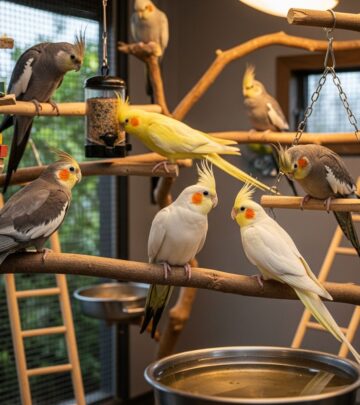
To understand what frightens birds, we must first recognize that fear is a fundamental survival mechanism. In the wild, birds rely on heightened alertness to detect predators and environmental threats. This instinct remains strong in domesticated birds, even though they no longer face the same dangers as their wild counterparts. A cockatiel in the wild, for instance, spends much of its day foraging on the ground, making it vulnerable to predators. Evolution has equipped these birds with an acute sensitivity to sudden changes in their environment—a blanket of silence often signals danger to wild bird flocks, causing them to become instantly fearful and anxious.
When pet birds experience fear, their bodies undergo significant physiological changes. Their heart rate increases dramatically, their feathers fluff up as a defensive mechanism, and their eyes widen. In confined spaces like cages, frightened birds often attempt to escape upward in a panic, leading to crashes into cage bars and injuries. Understanding this natural response helps owners appreciate why their birds react so intensely to seemingly minor disturbances.
The Seven Most Common Things That Scare Birds
1. Sudden Loud Noises
Birds possess exceptional hearing abilities, making them extremely sensitive to sudden or unexpected sounds. Loud noises represent one of the primary triggers for bird fear responses. Unexpected sounds such as vacuum cleaners, doorbell rings, alarms, or even raised human voices can startle birds significantly. In household environments, fireworks and thunderstorms are particularly distressing, as the combination of loud booms and flashing lights creates a compound frightening effect.
To minimize the impact of sudden noises, bird owners should maintain a relatively calm household environment. When loud activities are unavoidable, consider moving your bird’s cage to a quieter room or using white noise to mask startling sounds. Gradual habituation to common household noises through positive association can also help reduce fear responses over time.
2. Sudden Movement and Shadows
Birds rely heavily on visual information to assess threats in their environment. Rapid, unexpected movements—whether caused by people, other pets, or even shadows moving across the cage—can trigger immediate panic responses. Shadows cast by trees swaying in wind, car headlights passing through windows, or sudden hand gestures near the cage can all frighten birds. The unpredictability of the movement is often more frightening than the movement itself.
Cockatiels are particularly prone to night frights triggered by shadows and sudden movements in darkness. The combination of reduced visibility and unexpected shadows creates a perfect storm of fear triggers. To prevent these incidents, maintain consistent lighting in your bird’s sleeping area, either through a gentle night light or complete darkness with proper cage covering, depending on your individual bird’s preferences.
3. Unfamiliar People and Strangers
Many birds are naturally wary of unfamiliar people. Strangers represent an unknown variable in the bird’s controlled environment, triggering vigilance and defensive responses. Birds that haven’t been well-socialized may become especially anxious around visitors. The combination of unfamiliar voices, movements, and approaches can overwhelm a shy or reserved bird, causing it to hide, bite, or become aggressive.
Early and positive socialization during the bird’s youth significantly reduces stranger anxiety. Regular, gentle exposure to different people in non-threatening contexts helps birds develop confidence and trust. However, respecting a bird’s comfort level is equally important—forcing interaction with strangers can reinforce fear rather than alleviate it.
4. Predators and Threatening Animals
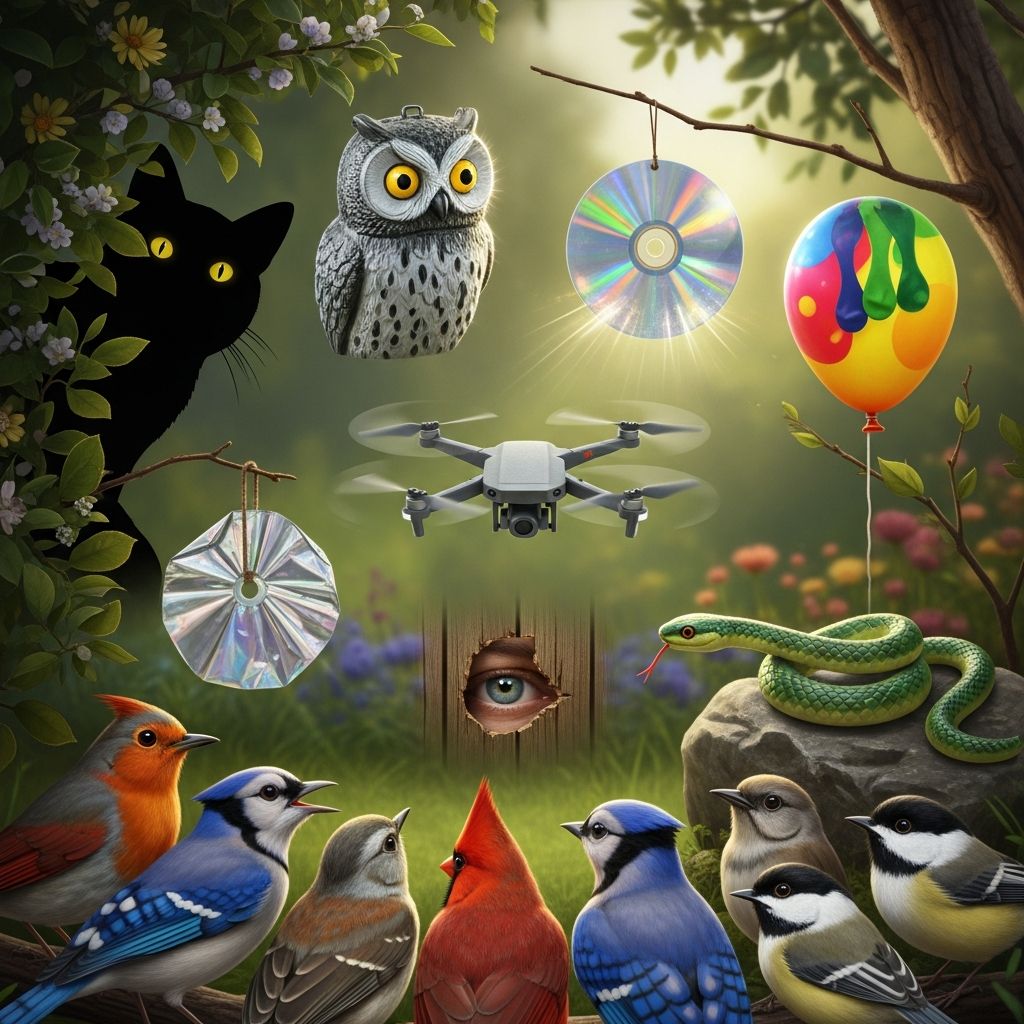
The presence of natural predators triggers instinctive fear responses in birds. Cats and dogs, whether they belong to your household or are visiting, represent genuine predation threats from a bird’s evolutionary perspective. The sight, sound, or even scent of a predator can cause extreme anxiety in pet birds. Many birds will attempt to escape, hide, or become aggressive when they perceive a threat from cats or dogs.
Pet birds also fear other animals that might threaten them, including rodents and certain insects. Nocturnal animals moving about in darkness particularly alarm birds like cockatiels, which experience heightened anxiety during nighttime hours. In outdoor aviaries, the presence of hawks or other aerial predators creates constant tension for captive birds.
To protect your bird from predator-related stress, ensure that predatory pets are never left unsupervised around bird cages. Maintain physical barriers between your bird and potential threats, and never allow your bird to be in the same room as hunting cats or aggressive dogs without strict supervision and safety measures.
5. Sudden Temperature Changes
Birds are highly sensitive to temperature fluctuations and drafts. A sudden gust of cold air or unexpected temperature shift can startle and frighten birds. Drafts from open windows, air conditioning systems, or doors can trigger alarm responses, especially if combined with other startling stimuli. Extreme temperature changes can also cause physical discomfort and stress, compounding fear responses.
Maintain stable room temperatures in your bird’s environment and protect cages from drafts. Ensure that air conditioning and heating systems don’t create sudden temperature fluctuations near your bird’s cage. Most birds thrive in environments maintained between 65-75°F with gradual rather than abrupt temperature changes.
6. Unfamiliar Objects and Environmental Changes
Birds find comfort in routine and predictable environments. Introduction of new furniture, toys, or cage arrangements can trigger fear and anxiety. Even moving a cage to a different location can distress birds that rely on familiar spatial references and visual landmarks. The uncertainty associated with environmental changes forces birds to reassess their surroundings, and this uncertainty triggers defensive responses.
When introducing new objects or making environmental changes, do so gradually. Allow your bird time to investigate new items at its own pace, and maintain as much consistency as possible in the overall cage layout and room arrangement. Introduce new toys slowly, and observe your bird’s reaction before assuming it has accepted the change.
7. Hands and Direct Approach Without Permission
For many birds, particularly those without positive hand-training experiences, human hands represent an unpredictable threat. Birds that have had traumatic experiences involving hands—such as forceful capture or aggressive handling—may develop lasting fear of hands entering their cage or approaching their bodies. The direct approach of a hand without warning can trigger panic, causing birds to flee, bite, or become aggressive.
Building positive associations with hands requires patience and desensitization. Start by allowing your bird to observe hands from a distance without any attempts at contact. Gradually move closer while offering favorite treats. Never force physical contact, as this reinforces fear rather than building trust. Some birds require weeks or months of gradual habituation before they overcome hand fear.
Night Frights: A Special Consideration for Bird Owners
Night frights deserve special attention as a particularly intense fear response affecting many bird species, especially cockatiels. During night frights, birds panic in response to disturbances in darkness, thrashing violently in their cages in an attempt to escape perceived threats. These episodes can result in serious injuries, including eye trauma, broken feathers, and leg injuries. The combination of darkness, reduced visibility, and sudden disturbances creates an overwhelming panic response.
Preventing night frights involves identifying and eliminating triggers while creating a sense of security during nighttime hours. Strategies include using gentle night lights, using cage covers in complete darkness (depending on individual bird preference), removing perches and toys from night cages, and lining cages with soft towels to minimize injury during panic episodes. Many birds benefit from knowing their owner is nearby during nighttime, providing psychological reassurance.
Signs Your Bird Is Scared
Recognizing fear responses in your bird is crucial for preventing escalation. Common signs of fear include:
- Fluffed-up feathers and hunched posture
- Wide, alert eyes or rapid eye movement
- Rapid or labored breathing
- Vocalizations such as screaming or distress calls
- Attempting to hide or backing away from the perceived threat
- Aggressive posturing or defensive strikes
- Loss of appetite or refusal to interact
- Excessive preening or feather plucking (chronic stress response)
Creating a Fear-Free Environment
Building confidence and security in your bird requires creating an environment that minimizes fear triggers while providing psychological reassurance. Establish predictable routines so your bird knows what to expect throughout the day. Use soft, calming voices and movements around your bird’s cage. Provide hiding places and perches where your bird can retreat if frightened. Offer appropriate toys and enrichment activities to build confidence and provide mental stimulation.
Socialization from an early age helps birds develop resilience and confidence. However, socialization should always proceed at the bird’s pace, never forcing interaction or exposure to frightening stimuli. Positive reinforcement through treats, praise, and gentle handling builds trust and reduces anxiety over time.
When to Seek Professional Help
While minor fear responses are normal in birds, chronic anxiety or severe fear responses may indicate underlying health issues or behavioral problems requiring professional intervention. If your bird exhibits persistent night frights despite preventative measures, develops new phobias, or shows signs of chronic stress such as feather plucking, consult an avian veterinarian or certified bird behavior consultant. These professionals can identify potential medical causes, rule out health-related anxiety, and develop behavior modification strategies tailored to your specific bird.
Frequently Asked Questions
Q: Why do cockatiels experience night frights more than other birds?
A: Cockatiels evolved as ground foragers in the wild, making them particularly vigilant to predators. Their heightened sensitivity to environmental changes and reduced visibility at night triggers intense fear responses. They are simply more prone to this behavior due to their evolutionary background and nervous disposition compared to other bird species.
Q: Can bird fears be completely eliminated?
A: While complete elimination of all fear responses isn’t realistic, the frequency and intensity of fear episodes can be significantly reduced through environmental management and positive socialization. Some birds will always be more cautious than others—this is a personality trait rather than a behavior problem.
Q: Is it safe to handle a frightened bird?
A: No. A bird in a panic state should not be handled, as this can increase injury risk and reinforce fear associations. Allow the bird to calm down on its own, speaking softly and avoiding sudden movements. Once calm, gentle reassurance can help the bird recover.
Q: How long does it take for a bird to overcome fear?
A: This varies significantly depending on the bird’s personality, past experiences, and the nature of the fear. Simple startle responses may resolve within minutes, while deeper-rooted fears may require weeks or months of gradual desensitization and positive reinforcement.
Q: Are there any bird toys or products that help reduce fear?
A: Comfort items such as favorite toys, hiding places, and perches where birds feel secure can help reduce overall anxiety. Some birds also benefit from white noise machines or soft background music to mask sudden environmental sounds.
References
- Cockatiel Night Frights — Chewy Editors. 2024. https://www.chewy.com/education/bird/cockatiel/cockatiel-night-frights
- Cockatiels: 10 Things You Should Know — Chewy Editors. 2024. https://www.chewy.com/education/bird/cockatiel/cockatiels-10-things-you-should-know
- End Pet Bird Hand Fear — Chewy Editors. 2024. https://www.chewy.com/education/bird/training-and-behavior/end-pet-bird-hand-fear
- Bird Body Language 101 — Chewy Editors. 2024. https://www.chewy.com/education/bird/training-and-behavior/bird-body-language-101
- Why Is My Bird Trying to Climb My Face? — Chewy Editors. 2024. https://www.chewy.com/education/bird/training-and-behavior/why-is-my-bird-trying-to-climb-my-face
Similar Articles







Read full bio of Sneha Tete