

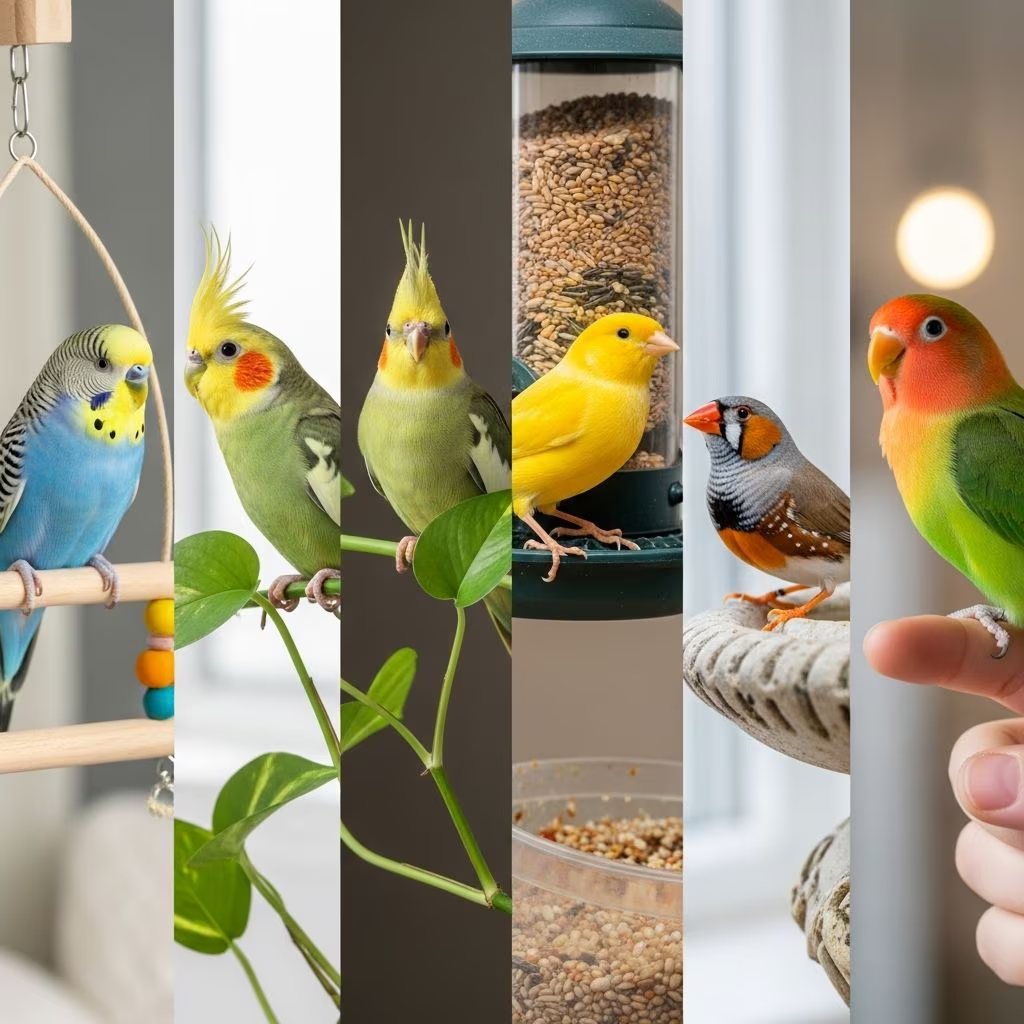
Finding the perfect feathered companion can transform your household with joy, entertainment, and affection. Small pet birds have become increasingly popular as pets because they offer companionship that rivals cats and dogs, while requiring significantly less space. These delightful creatures are often as cuddly as kittens and as affectionate as dogs, and many can be taught to whistle and even talk. Whether you’re a first-time bird owner or an experienced enthusiast, this guide will introduce you to five of the most popular small pet bird species that make wonderful additions to any home.
1. Cockatiels: The Gentle Giants of Small Birds
Cockatiels rank among the most popular pet birds in America, and for good reason. These medium-sized parrots are known for their silky-soft feathers, thanks to a unique feature called powder down, which helps keep their feathers waterproof and gives them an exceptionally cuddly appearance and feel. What makes cockatiels particularly appealing is their laid-back temperament and easygoing nature, distinguishing them from other small pet birds.
Cockatiels are equally content whistling to themselves while gazing at a mirror as they are perching on your shoulder, making them adaptable to various living situations. They form strong bonds with their owners and enjoy interactive play and social engagement. Their size, typically ranging from 12 to 13 inches in length and weighing around 3 ounces, makes them manageable for most households. Cockatiels have a lifespan of 15 to 20 years, making them a long-term commitment but a rewarding one for dedicated owners.
Cockatiel Mutations and Color Variations
One of the fascinating aspects of cockatiels is the variety of color mutations available. These mutations create visually stunning birds with unique characteristics:
- Pearl Cockatiels: A mutation that results in white and yellow scalloped patterns on the bird’s wing feathers, creating an iridescent, elegant appearance
- Cinnamon Cockatiels: A mutation that produces more brown than gray tones, giving these birds a warmer, more muted coloration
- Albino Cockatiels: A striking mutation in which the cockatiel is entirely white with distinctive black eyes
- Lutino Cockatiels: A mutation resulting in yellow-white coloration with orange cheek patches and red eyes, creating a particularly vibrant appearance
Additional variations exist as combinations of these mutations, such as pearl-pied, cinnamon-pearl, and lutino pied cockatiels, offering even greater diversity in appearance for potential owners to choose from.
2. Parakeets (Budgerigars): The World’s Most Popular Pet Bird
Parakeets, also known as budgerigars or budgies, are arguably the most popular pet bird in the world. These tiny companions, weighing only about one ounce and measuring 6 to 8 inches in length, pack enormous personality into their small frames. Their appeal extends beyond their manageable size to their exceptional talking ability and playful nature.
One remarkable testament to parakeet intelligence is that a budgie holds the world record for the largest vocabulary of any bird, with an impressive vocabulary of 1,728 words. This capability makes parakeets particularly appealing to those interested in teaching their birds to speak and interact verbally. However, potential owners should be aware of one practical consideration: budgies have incredibly tiny voices, making it sometimes challenging to hear their vocalizations clearly, especially in households with background noise.
Characteristics and Care Requirements
Parakeets are exceptionally warm, friendly, and gentle when properly cared for and trained. They are among the most low-maintenance birds kept as pets, making them an excellent choice for first-time bird owners, particularly young males who bond easily to their owners and are simple to train. These sociable creatures thrive on social interaction and can form strong bonds with their human companions. With proper training and socialization, parakeets become affectionate pets that often enjoy perching on shoulders or fingers.
Available in a variety of striking colors including neon green, yellow, blue, and violet, with distinctive black bars on their heads, wings, and backs, parakeets offer visual appeal along with their engaging personalities. Their relative affordability further contributes to their popularity as starter birds for families and individuals new to bird ownership.
3. Canaries: Perfect for Hands-Off Pet Owners
If you prefer a more hands-off approach to pet ownership, canaries might be the perfect choice for you. These small birds, weighing less than one ounce and measuring 4 to 8 inches in length, are the smallest pet birds commonly kept as companions. Known for their gentle natures and sweet sounds, canaries appeal to a broad range of pet owners despite their preference for not being held.
Canaries are ideal for beginners who are uncertain whether they want a bird requiring significant attention and interaction. People enjoy watching canaries and listening to their beautiful songs, appreciating them primarily as visual and auditory companions rather than interactive pets. While they’d prefer not to be handled, canaries are happy to play the role of entertaining beauty in your home. Their vibrant colors—which can include yellow, green, bright orange, or brown—add visual interest to any room.
Important Care Considerations for Canary Owners
Despite their charming qualities, potential canary owners should be aware of important care requirements. These delicate birds are fragile and can be easily frightened, so they require a calm, quiet environment. Sudden movements, loud noises, or stressful situations can negatively impact their well-being. Canaries require spacious cages that allow for adequate flight and exercise, and they benefit from a balanced diet and regular veterinary care to ensure their health and longevity.
4. Finches: Colorful and Sociable Small Companions
Finches represent another popular category of small pet birds, known for their cheerful yet generally soft chirping and colorful plumage. These small, active birds bring energy and visual interest to any home. As sociable creatures, finches are best kept in pairs or small groups, as they enjoy the company of their own kind, making them unique among small pet birds that often thrive in solitary situations.
Popular Finch Species
Several finch species have gained popularity among bird enthusiasts:
- Zebra Finches: Gray and white birds with bright orange beaks and, in males, distinctive orange cheek patches
- Society Finches: Known for their gentle natures and affectionate temperaments
- Lady Gouldian Finches: Named for their eye-popping colors and striking appearance
Housing and Care for Finches
Finches are relatively low-maintenance pets, but they do require specific housing considerations. A spacious cage with plenty of perches and adequate room to fly is essential for their well-being. Horizontal cages tend to be a better option than vertical cages for finches, as they better accommodate their flying patterns and active nature. Regular cleaning, proper nutrition, and social opportunities with other finches contribute to their health and happiness.
5. Green-Cheeked Conures: The Perfect Pet Bird
Rounding out our top five list is the green-cheeked conure, a small parrot native to South America. These charming birds have been described by many as the perfect pet bird and great family birds, thanks to their engaging personalities and adaptable temperaments. Weighing only 2 to 3 ounces and measuring 10 to 11 inches in length, green-cheeked conures are small enough to be manageable while large enough to have distinct personalities.
Green-cheeked conures are characterized by their mostly green plumage with gray heads and breasts, blue-tipped wings, and maroon tails. Additional color variations include yellow, cinnamon, and turquoise mutations, offering visual diversity. These birds display their distinctive appearance with pride, making them particularly attractive to those seeking visually striking companions.
Personality and Behavior
On the quieter side but just a little mischievous, green-cheeked conures are playful and smart birds who typically don’t talk but are nonetheless charming species. They are active little parrots who love to play with their bird toys, go exploring, and engage in wrestling games with your finger or another conure. When they’re settling down for a nap, they’ll gladly cuddle up on your shoulder or under your chin, demonstrating their affectionate side. Green-cheeked conures can be comical and outgoing under the right circumstances, entertaining and engaging their owners with their antics and personalities.
Comparison of Small Pet Birds
| Bird Species | Weight | Length | Talking Ability | Handling Preference | Lifespan |
|---|---|---|---|---|---|
| Cockatiel | 3 ounces | 12-13 inches | Good whistlers | Very affectionate | 15-20 years |
| Parakeet (Budgie) | 1 ounce | 6-8 inches | Excellent talkers | Very affectionate | 5-10 years |
| Canary | Less than 1 ounce | 4-8 inches | Singers only | Prefer not to be held | 10-15 years |
| Finches | Small | Varies by species | Soft chirping | Minimal handling | 5-9 years |
| Green-Cheeked Conure | 2-3 ounces | 10-11 inches | Limited talking | Very affectionate | 20-30 years |
Choosing the Right Small Pet Bird for Your Lifestyle
When selecting a small pet bird, consider your lifestyle, living space, and expectations for interaction. If you desire a talking, affectionate companion, parakeets and cockatiels are excellent choices. For those seeking primarily visual and auditory enjoyment without extensive handling, canaries provide entertainment without demanding significant attention. If you want multiple birds and enjoy watching active, social interactions, finches are ideal. For families wanting a playful, cuddly companion with a longer lifespan, green-cheeked conures offer the perfect balance of engagement and charm.
Essential Care Requirements for All Small Pet Birds
Regardless of which species you choose, all small pet birds require similar fundamental care:
- Spacious housing: A cage appropriate to the species’ size, with room for flight and movement
- Proper nutrition: High-quality commercial bird food supplemented with fresh fruits, vegetables, and safe table foods
- Social interaction: Regular handling and engagement suitable to the species’ preferences
- Environmental enrichment: Toys, perches, mirrors, and activities to prevent boredom
- Veterinary care: Annual check-ups with an avian veterinarian to maintain optimal health
- Safe environment: Protection from predators, drafts, extreme temperatures, and toxic household materials
- Sleep schedule: 10-12 hours of quiet, dark time daily for proper rest
Frequently Asked Questions (FAQs)
Q: What is the easiest small pet bird for beginners?
A: Parakeets (budgies) are among the easiest small pet birds for beginners. They are affordable, relatively easy to care for, and males particularly bond easily to their owners and are simple to train, especially when obtained as young birds. Canaries are also good for beginners who prefer less interactive pets.
Q: How long do small pet birds typically live?
A: Lifespans vary by species. Parakeets typically live 5-10 years, canaries 10-15 years, cockatiels 15-20 years, and green-cheeked conures can live 20-30 years. Finches generally have 5-9 year lifespans. These are averages and vary based on care quality and individual bird genetics.
Q: Can small pet birds be kept alone, or do they need companions?
A: Most small pet birds can be kept alone as long as they receive adequate social interaction and enrichment from their owners. The exception is finches, which are sociable creatures best kept in pairs or small groups, as they enjoy the company of their own kind. Parakeets and cockatiels may benefit from companions but can thrive as single birds with sufficient human interaction.
Q: Which small pet bird talks the best?
A: Parakeets (budgies) are exceptional talkers and hold the world record for vocabulary among birds at 1,728 words. Cockatiels can learn to whistle and mimic sounds well. Canaries and finches primarily produce songs and chirps rather than speech, while green-cheeked conures typically don’t develop extensive vocabularies but can learn some words.
Q: How much space do small pet birds require?
A: While small pet birds don’t require outdoor space, they do need appropriately sized cages. Larger birds like cockatiels and green-cheeked conures need bigger cages than parakeets or canaries. Additionally, most small birds benefit from supervised time outside their cages for flight and exercise. Finches particularly benefit from horizontal cages that accommodate their flying patterns better than vertical ones.
Q: Are small pet birds good for families with children?
A: Yes, many small pet birds can be excellent family pets. Cockatiels and parakeets are particularly good with children when socialized early and supervised appropriately. Green-cheeked conures also make great family birds. Canaries and finches, which prefer minimal handling, may be better for families willing to appreciate them from a distance rather than through frequent interaction.
Q: What is the cost of getting started with a small pet bird?
A: Initial costs vary by species and location. Parakeets are among the most affordable birds. You’ll need to budget for the bird itself, a quality cage appropriate to the species, food and water dishes, perches, toys, and veterinary care. Ongoing expenses include food, bedding, toys, and annual veterinary checkups. Green-cheeked conures, with their longer lifespans, represent a larger long-term financial commitment.
References
- Top 5 Small Pet Birds — Chewy. 2025. https://www.chewy.com/education/bird/general/top-5-small-pet-birds
- Key Characteristics of 5 Popular Pet Birds — myBird. 2025. https://myrightbird.com/articles/key-characteristics-of-5-popular-birds
- The Best Small Birds as Pets — Greeley Pet Veterinary Clinic. 2024. https://www.greeleypetvet.com/site/blog/2024/09/15/best-small-birds-pets
- 5 Species of Pet Bird to Consider — Providence Animal Hospital. 2020. https://www.charlotte.providencevets.com/site/blog/2020/08/13/five-species-pet-bird-consider



