

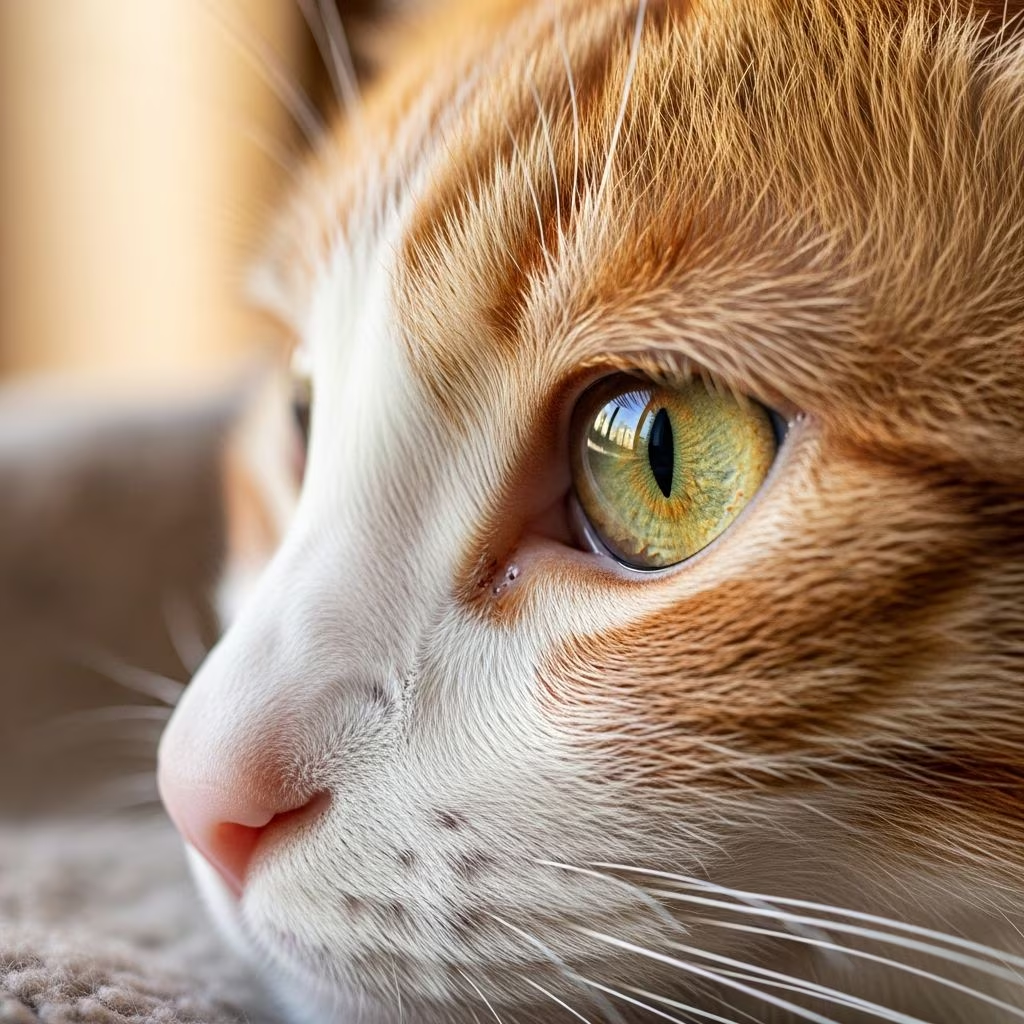
Cats rely on sharp vision for hunting, navigating, and enjoying life. Yet, their eyes are prone to various disorders that can impair sight and cause discomfort. Understanding these issues empowers owners to act swiftly. This guide details the five most prevalent cat eye conditions, drawing from veterinary insights on causes, signs, diagnosis, and management strategies.
Recognizing Trouble: General Signs of Eye Issues in Cats
Early detection is key to preventing permanent damage. Common indicators across many feline eye problems include redness around the eyes, watery or pus-like discharge, frequent squinting or blinking, pawing at the face, and cloudiness in the cornea. Cats may also show behavioral shifts like hiding or reduced appetite due to pain or vision loss.
- Redness and swelling: Often signals inflammation in the conjunctiva or deeper tissues.
- Discharge variations: Clear tears suggest irritation; yellow/green pus points to bacterial infection.
- Light sensitivity: Squinting or avoiding bright areas indicates pain.
- Third eyelid protrusion: A pink membrane covering part of the eye often accompanies systemic illness.
Any persistent changes warrant a vet visit, as untreated issues can escalate to ulcers or blindness.
1. Conjunctivitis: The Inflammation Invader
Conjunctivitis, often called “pink eye,” tops the list of feline eye woes. It involves inflammation of the conjunctiva, the thin membrane lining the eyelids and covering the white of the eye. Triggers range from bacteria and viruses to allergens or irritants.
Bacterial forms stem from pathogens like Chlamydophila or Mycoplasma, while viruses such as feline herpesvirus (FHV) or calicivirus are frequent culprits, especially in multi-cat homes. Allergies or dry environments exacerbate it.
Symptoms to Monitor
- Red, swollen eyelids
- Thick or watery discharge
- Excessive tearing or rubbing
- Crusty buildup overnight
Diagnosis and Care Approaches
Vets diagnose via eye exam, swab tests for microbes, or fluorescein staining to rule out ulcers. Treatment hinges on the cause: antibiotic ointments like Terramycin or Vetropolycin for bacteria; antivirals for viral cases; anti-inflammatories for allergies. Supportive steps include gentle cleaning with saline and isolating infected cats.
Prognosis is excellent with prompt care, though recurrent viral conjunctivitis may need ongoing lysine supplements.
2. Corneal Ulcers: Scratches That Threaten Sight
These painful erosions on the cornea—the eye’s clear front surface—rank high among cat eye disorders. Trauma from claws, foreign debris, or dry eyes often initiates them, with infection worsening the breach.
Predisposed breeds like Persians face higher risks due to facial structure. Neglect can lead to deep ulcers, rupture, or scarring.
Key Warning Signs
| Symptom | Description |
|---|---|
| Pain indicators | Squinting, tearing, pawing |
| Visible changes | Cloudy or bluish cornea, redness |
| Discharge | Often clear but can turn purulent |
Treatment Pathways
Fluorescein dye confirms ulcers under UV light. Mild cases get antibiotic drops, pain relief, and e-collars to prevent rubbing. Severe ones require surgery like grafts. Healing takes days to weeks; follow-ups ensure no recurrence.
3. Feline Herpesvirus: The Stealthy Viral Foe
FHV-1, a herpesvirus, chronically infects up to 80% of cats, lying dormant until stress triggers outbreaks. It causes keratitis, conjunctivitis, and ulcers, mimicking other issues.
Kittens and immunocompromised cats suffer most. Upper respiratory signs often accompany eye symptoms.
Manifestations
- Recurrent redness and discharge
- Sneezing, nasal congestion
- Corneal ulcers or clouding
- Squinting from discomfort
Management Strategies
PCR tests confirm FHV. Antivirals like famciclovir, lysine to curb replication, and lubricants soothe eyes. Stress reduction via stable routines aids prevention. Lifelong management is typical, with flares controlled effectively.
4. Cataracts: The Clouding Lens
Though less common in cats than dogs, cataracts cloud the lens, blocking light and vision. Aging, genetics, inflammation, or toxins cause them.
Siamese and Himalayan breeds are susceptible. Early stages blur sight; advanced ones cause total opacity.
Observable Clues
- White or gray lens haze
- Bumping into objects
- Dilated pupils
- Reluctance to jump
Intervention Options
Slit-lamp exams diagnose. Unlike dogs, cats rarely need surgery due to good adaptation, but meds treat underlying uveitis. Monitor for glaucoma secondary risks.
5. Glaucoma: The Pressure Crisis
This emergency arises from fluid buildup raising intraocular pressure, damaging the optic nerve. Primary (genetic) or secondary (from uveitis/ulcers) forms occur.
Breeds like Siamese risk more. Untreated, it blinds rapidly.
Critical Symptoms
| Early Signs | Advanced Signs |
|---|---|
| Enlarged eye | Corneal haze |
| Mild squinting | Extreme pain, blindness |
| Tearing | Dilated, unresponsive pupil |
Urgent Treatments
Tonometers measure pressure. Drops lower it acutely; surgery like laser or enucleation relieves chronic pain. Early intervention preserves vision best.
Prevention: Proactive Steps for Healthy Feline Eyes
Vaccinate against FHV/calicivirus, schedule annual exams, trim claws to avert scratches, and maintain humidity. Clean eyes daily with vet-approved wipes. Nutrition with omega-3s supports ocular health.
When to Rush to the Vet
Seek immediate care for sudden cloudiness, severe pain, vision loss, or trauma. Delays risk irreversible harm.
Frequently Asked Questions
Can home remedies cure cat eye infections?
No—saline rinses clean but don’t treat causes. Vets prescribe targeted meds.
Why does my cat have one cloudy eye?
Unilateral issues suggest trauma or ulcer; bilateral points to systemic like FHV.
Is cat eye discharge always serious?
Mild clear discharge may be normal; colored/thick needs evaluation.
Can older cats regain vision from cataracts?
Rarely surgically; they adapt well.
How to apply eye drops to a resistant cat?
Wrap in a towel, tilt head, drop in corner—practice calms them.
Long-Term Outlook and Monitoring
Most conditions respond well if caught early. Regular check-ups catch subclinical issues. Owners play a vital role in vigilance, ensuring cats enjoy clear views of their world.
References
- Keeping Your Cat’s Eyes in Purr-fect Health — Stack Veterinary Hospital. 2023. https://stackvethospital.com/keeping-your-cats-eyes-in-purr-fect-health/
- Antibiotic & Other Treatments For Eye Infections in Cats — Charlotte Emergency Vet. 2020-08-31. https://www.charlotte.carolinavet.com/site/charlotte-emergency-vet-blog/2020/08/31/treatment-for-eye-infections-in-cats-antibiotics-and-more
- Cat Eye Infection: Symptoms & Treatment — Saratoga Vet Hosp. N/A. https://saratogavethosp.com/blog/cat-eye-infection/
- Top Eye Problems for Cats — ASPCA Pet Health Insurance. N/A. https://www.aspcapetinsurance.com/resources/top-eye-problems-for-cats/
- Feline Eye Conditions — Animal Eye Associates. N/A. https://animaleyegroup.com/feline-eye-conditions/



