

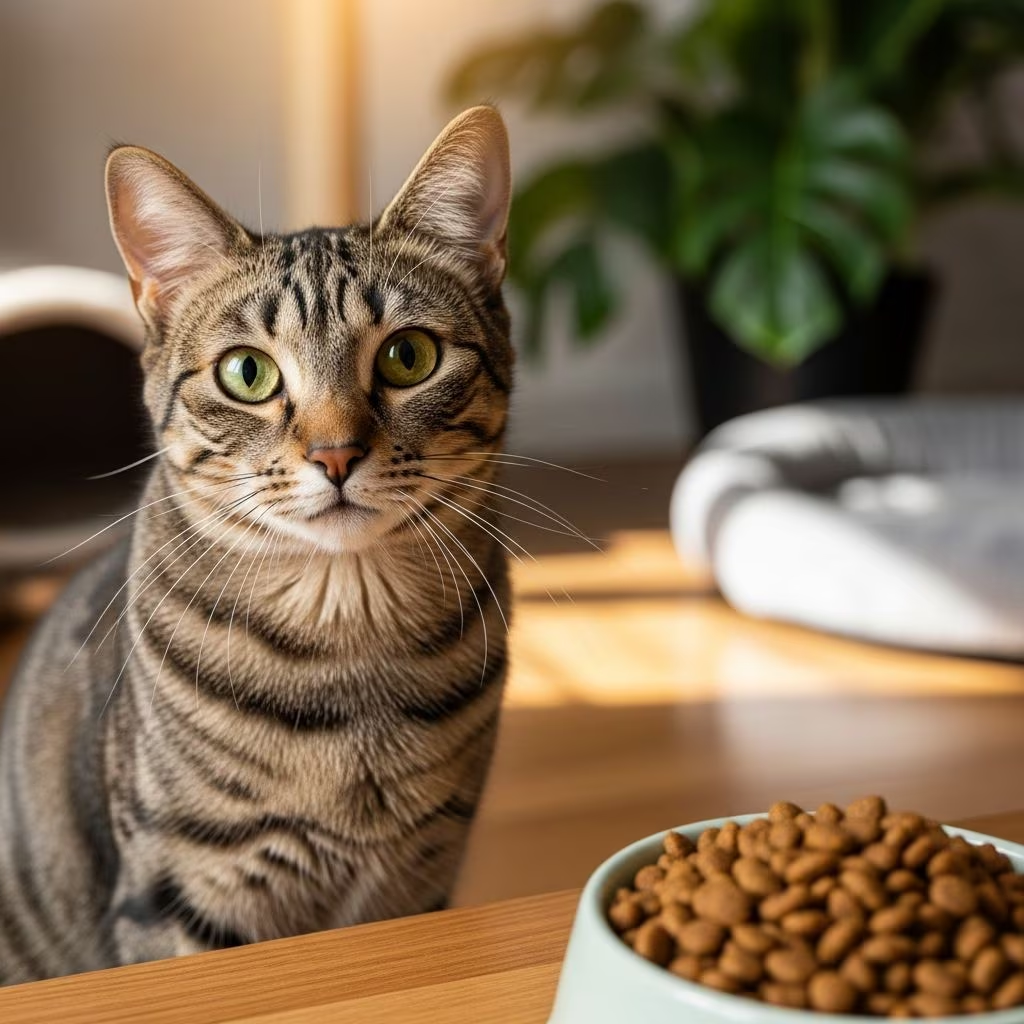
Understanding Grain-Free Cat Food
Grain-free cat food has become increasingly popular among pet owners seeking to provide their feline companions with optimal nutrition. Grain-free formulas are specifically designed to exclude common grains such as wheat, corn, rice, and barley, replacing them with alternative carbohydrate sources like potatoes, lentils, chickpeas, and peas. This shift in pet nutrition reflects a growing interest in aligning feline diets more closely with what experts believe cats would consume in nature.
Unlike the common misconception that grain-free means carbohydrate-free, these foods still contain carbohydrates, as they are necessary for kibble formation and structure. However, the sources of these carbohydrates differ significantly from traditional grain-based formulas. Understanding what grain-free cat food actually is helps pet owners make informed decisions about their cat’s dietary needs.
The Three Main Benefits of Grain-Free Cat Food
While grain-free cat food has generated considerable discussion in the pet nutrition community, several potential benefits exist for cats that may benefit from this dietary approach. Below are the three primary advantages that pet owners should understand.
Benefit 1: Improved Digestive Health
One of the most commonly cited benefits of grain-free cat food is its potential to support better digestive function. Cats are obligate carnivores, meaning their digestive systems evolved primarily to process animal proteins rather than plant-based carbohydrates and grains. When grain-free diets are formulated with high-quality animal proteins as primary ingredients, they may align more closely with feline digestive capabilities.
Grain-free formulations, particularly those based on legumes and tubers, have demonstrated effects on fecal microbiome composition in studies. Research shows that potato-based diets can affect the microbial balance in the digestive tract, resulting in increased lactic acid production, decreased fecal pH levels, and reduced ammonia levels—all markers of healthier digestive function. These changes suggest that alternative carbohydrate sources may promote a more favorable gut environment for some cats.
For cats with sensitive stomachs or those prone to digestive upset, grain-free cat food formulated with quality ingredients and appropriate protein levels may help reduce gastrointestinal issues. This benefit is particularly relevant for cats with documented grain sensitivities or inflammatory digestive conditions, though it’s important to note that true grain allergies are relatively uncommon in felines.
Key digestive benefits include:
– Enhanced microbial balance in the digestive tract- Potentially easier digestion of alternative carbohydrates- Support for cats with grain sensitivities- Reduced digestive upset in some cases
Benefit 2: Healthier Skin and Coat
Another significant benefit associated with grain-free cat food is the potential for improved skin health and a shinier, more lustrous coat. This benefit often stems from the higher-quality protein content and the elimination of potential grain-based irritants that may contribute to skin sensitivities in some cats.
Grain-free cat food formulas typically feature real meat, poultry, or fish as primary ingredients, providing essential amino acids necessary for healthy skin and coat development. These high-quality proteins support the production of keratin, collagen, and other compounds critical for maintaining skin integrity and coat quality. Additionally, many grain-free formulas are enriched with omega-3 and omega-6 fatty acids, which are well-known for their skin-supporting properties.
Cats fed grain-free diets often exhibit visible improvements in coat appearance, including increased shine and softness, as well as reduced shedding in some cases. Skin irritation, itching, and inflammation may decrease when cats transition to grain-free formulas, particularly if they had underlying sensitivities to grain-based ingredients. However, it’s important to note that most feline food allergies actually stem from protein sources rather than grains, so grain-free formulas may not benefit all cats with skin issues.
Skin and coat benefits include:
– Shinier, more lustrous coat appearance- Reduced shedding and improved coat density- Support for skin health and integrity- Potential reduction in itching and irritation- Better overall skin condition
Benefit 3: Sustained Energy and Improved Metabolism
Grain-free cat food may support better energy levels and metabolic function, particularly when formulated with appropriate protein and fat ratios. Cats require high protein intake to maintain optimal health, lean muscle mass, and sustained energy throughout the day. Grain-free formulas designed for feline nutrition typically emphasize protein and fat while reducing overall carbohydrate content, which aligns more closely with feline nutritional requirements.
The alternative carbohydrate sources used in grain-free diets, such as lentils, sweet potatoes, and chickpeas, offer distinct metabolic advantages. Research demonstrates that grain-free diets based on legumes result in delayed postprandial (after-meal) glucose and insulin responses, with a mean glycemic index of approximately 41, which is lower than traditional grain diets like wheat and corn. This lower glycemic impact means more stable blood sugar levels and sustained energy release, preventing the energy spikes and crashes associated with higher-carbohydrate diets.
For cats prone to obesity or those requiring weight management, the combination of high protein content and lower glycemic carbohydrates in grain-free formulas can support healthy weight maintenance. Protein is more satiating than carbohydrates, helping cats feel fuller longer and reducing the likelihood of overeating. Additionally, maintaining lean muscle mass through adequate protein intake supports a healthy metabolism and overall body composition.
Energy and metabolism benefits include:
– Sustained energy levels throughout the day- Lower glycemic index for stable blood sugar- Support for lean muscle mass development- Enhanced metabolic efficiency- Better weight management support
Grain-Free vs. Grain-Inclusive Cat Food: Key Differences
Understanding how grain-free cat food compares to traditional grain-inclusive formulas helps pet owners make informed choices. While grain-free options offer specific potential benefits, grain-inclusive diets also provide advantages that shouldn’t be overlooked.
| Factor | Grain-Free Cat Food | Grain-Inclusive Cat Food |
|---|---|---|
| Primary Carbohydrate Source | Potatoes, lentils, chickpeas, peas, tapioca | Wheat, corn, rice, barley, oats |
| Protein Content | Variable; not necessarily higher than grain-inclusive | Variable; depends on formula and ingredients |
| Glycemic Index | Generally lower (legume-based formulas GI ~41) | Higher, particularly with refined grains |
| Cost | Typically more expensive | Often more affordable |
| Digestibility | May support cats with grain sensitivities | Highly digestible; cats can digest 95%+ of starches |
| Allergen Profile | Eliminates grain allergens; less relevant for most cats | May contain grain allergens; true grain allergies rare in cats |
| AAFCO Compliance | Can be complete and balanced when properly formulated | Can be complete and balanced when properly formulated |
Important Considerations Before Choosing Grain-Free
While grain-free cat food offers potential benefits, pet owners should understand that it isn’t necessarily the right choice for every cat. The nutritional adequacy of any cat food formula—grain-free or grain-inclusive—depends on proper formulation and AAFCO certification confirming “complete and balanced” nutrition.
Grains in commercial cat food are included not as fillers, as commonly believed, but as cost-effective and easily digestible sources of vitamins and energy. Domestic cats can digest more than 95% of starches, making grains a practical and nutritious ingredient. When grains are added to cat food, research shows no discernible ill effects and no reduction in a cat’s quality or length of life for the general healthy cat population.
Key considerations include:
– Grain allergies and sensitivities are uncommon in cats- Most feline food allergies target proteins (beef, chicken, fish) rather than grains- Grain-free diets don’t necessarily contain more protein- Cats can digest grains efficiently- For cats with true grain sensitivities, grain-free is beneficial; otherwise, diet quality matters more than grain content
When Grain-Free Is Most Appropriate
Grain-free cat food is most beneficial for specific populations of cats rather than universally recommended. Cats with documented grain sensitivities or allergies may experience improved symptoms when switched to grain-free formulas. Additionally, cats with certain inflammatory digestive conditions or those requiring therapeutic diets may benefit from grain-free options as part of a comprehensive dietary management plan.
For cats with normal digestive function and no documented grain sensitivities, the focus should be on selecting nutritionally complete and balanced formulas with high-quality protein sources, appropriate moisture content, and adequate taurine levels—regardless of whether the diet is grain-free or grain-inclusive.
Choosing High-Quality Grain-Free Cat Food
If you decide grain-free cat food is appropriate for your feline companion, several factors should guide your selection process. Look for formulas where real meat, poultry, or fish appears as the primary ingredient, ensuring your cat receives quality animal proteins. Verify that the food carries an AAFCO “complete and balanced” statement, confirming it meets established nutritional standards for cats.
Check the carbohydrate sources used in the grain-free formula, as quality varies significantly among alternative sources. Potatoes and lentils are generally considered more nutritious than tapioca or fillers. Additionally, ensure the formula contains adequate taurine, an essential amino acid critical for feline health that supports heart, eye, and reproductive function.
Consider the moisture content of the food. Wet or canned grain-free options may better support feline hydration compared to dry kibble, which is particularly relevant for cats with urinary tract issues or those not drinking adequate water.
Frequently Asked Questions About Grain-Free Cat Food
Q: Is grain-free cat food the same as gluten-free cat food?
A: Yes, grain-free cat food is inherently gluten-free, as gluten is a protein found in grains. However, gluten sensitivities and allergies are extremely rare in cats, so gluten-free labeling doesn’t indicate superior nutritional quality or health benefits for most felines.
Q: Does grain-free cat food contain more protein than grain-inclusive food?
A: Not necessarily. Protein content varies widely and is effectively unrelated to a food’s grain content. Some grain-inclusive formulas contain higher protein levels than certain grain-free options. Focus on the specific protein percentage rather than assuming grain-free means higher protein.
Q: Can grain-free cat food help with my cat’s weight management?
A: Grain-free formulas formulated with high protein and appropriate fat ratios may support weight management by promoting satiety and muscle maintenance. However, overall caloric intake and exercise remain the primary factors in maintaining healthy feline weight.
Q: What should I do if I think my cat has a grain allergy?
A: Consult your veterinarian before assuming grain allergies are the culprit, as most feline food allergies involve proteins rather than grains. Your vet may recommend novel protein diets or hydrolyzed protein formulas as the first dietary intervention.
Q: Are there any risks associated with grain-free cat food?
A: For cats, grain-free diets are generally considered safe when properly formulated and AAFCO-compliant. However, ensure the formula provides complete and balanced nutrition with appropriate taurine levels and maintain portion control to prevent obesity.
Q: How should I transition my cat to grain-free food?
A: Transition gradually over 7-10 days, mixing increasing amounts of the new grain-free food with your cat’s current food. This slow transition helps prevent digestive upset and allows your cat’s digestive system to adjust to the new formula.
Conclusion
Grain-free cat food offers three notable potential benefits: improved digestive health through alternative carbohydrate sources and higher-quality proteins, healthier skin and coat resulting from premium protein content and reduced grain-based irritants, and sustained energy through lower glycemic index carbohydrates and appropriate protein-fat ratios. However, these benefits are most relevant for cats with specific needs, such as grain sensitivities or inflammatory digestive conditions.
For most healthy cats without documented grain allergies or sensitivities, the quality of the food formula matters more than whether it contains grains. Both grain-free and grain-inclusive diets can be nutritionally complete and beneficial when properly formulated with high-quality ingredients and AAFCO certification. The most important factors in selecting cat food remain protein quality, appropriate taurine content, moisture level, and overall nutritional completeness—regardless of grain content. Consult with your veterinarian to determine whether grain-free cat food is the right choice for your individual feline companion’s unique health needs and dietary requirements.
References
- Grain Free Cat Food — Purina. 2024. https://www.purina.com/articles/cat/feeding/types-of-cat-food/grain-free-cat-food
- The Benefits of Grain-Free Cat Food: What You Need to Know — Dingo’s Natural Pet. 2024. https://dingosnaturalpet.com/the-benefits-of-grain-free-cat-food-what-you-need-to-know/
- Grain-Free Diets for Dogs and Cats: An Updated Review Focusing on Nutritional Content, Implications for Gastrointestinal Function, and Cardiorespiratory Health — National Center for Biotechnology Information (NCBI). 2024. https://pmc.ncbi.nlm.nih.gov/articles/PMC12291746/
- Are Grain Free Diets Good for Cats — Anasazi Animal Clinic. 2024. https://anasazivet.com/should-i-feed-my-cat-a-grain-free-diet/
- Is Grain-Free Cat Food Better? — PetMD. 2024. https://www.petmd.com/cat/nutrition/grain-free-cat-food-better
- Understanding Grain-Free Diets: Pros and Cons for Feline Health — RSH Pets. 2024. https://rshpets.com/en-gb/blogs/cat-health-wellness/understanding-grain-free-diets-pros-and-cons-for-feline-health
- Grain-Free Cat Food: What You Need to Know — Hill’s Pet Nutrition. 2024. https://www.hillspet.com/cat-care/nutrition-feeding/what-is-grain-free-cat-food



