
Top 10 Giant Dog Breeds: Guide To Gentle, Majestic Dogs
Discover the majestic world of giant dog breeds: history, temperament, care needs, and what makes them perfect family companions.
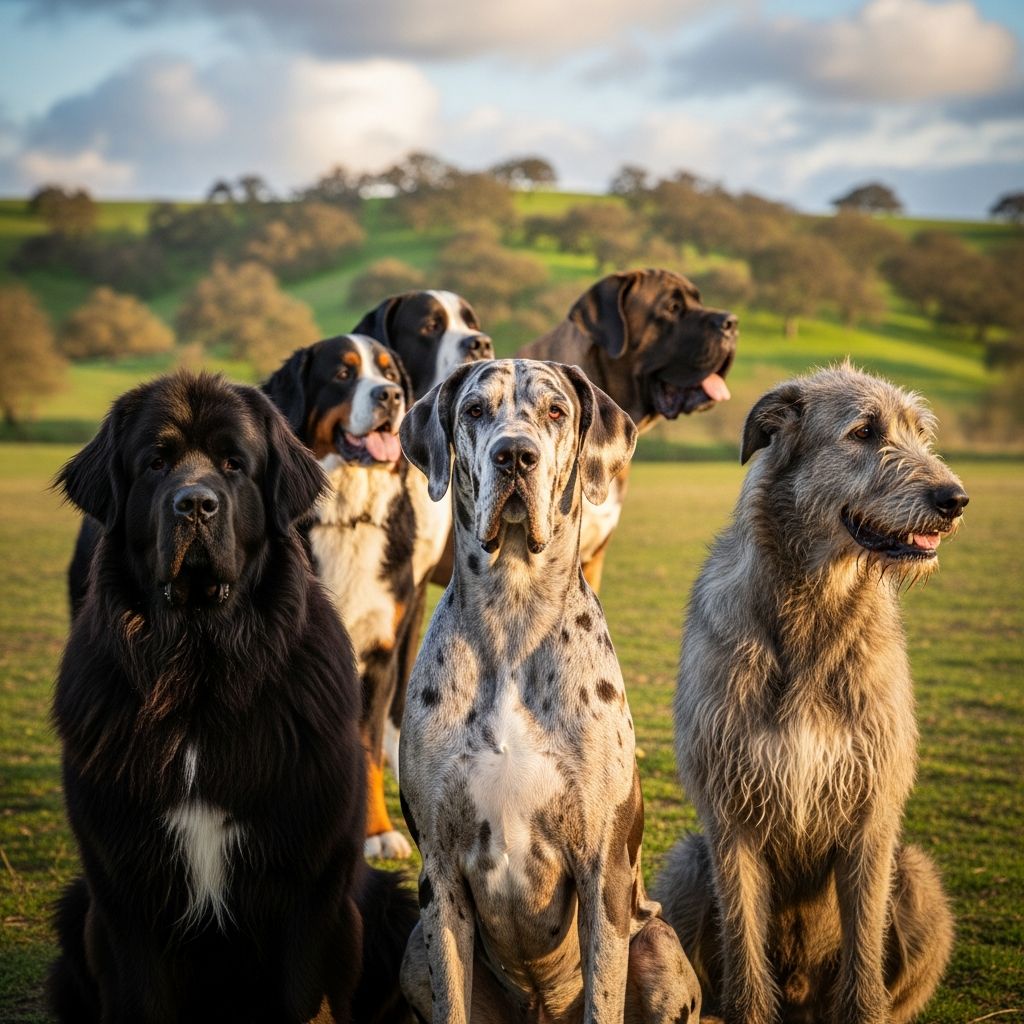
Giant dog breeds have captivated dog enthusiasts for centuries with their impressive stature, gentle temperaments, and loyal nature. These magnificent animals often stand as tall as humans when on their hind legs and can weigh as much as adult people, yet they frequently display surprising gentleness and affection. Giant dogs often show calm, steady temperaments and a more relaxed energy level compared to smaller breeds, bonding deeply with their families and displaying protective qualities that make them excellent family dogs when trained from an early age. Understanding these breeds is essential for anyone considering welcoming one of these gentle giants into their home.
Understanding Giant Dog Breeds
Giant dog breeds represent some of the most impressive specimens in the canine world. Defined primarily by their exceptional size, these dogs typically weigh over 100 pounds and stand taller than 28 inches at the shoulder. Beyond their physical dimensions, giant breeds share common characteristics that make them distinct from their smaller counterparts. They tend to require specialized care, careful training from puppyhood, and owners who understand the unique challenges and rewards of living with such large companions.
The history of giant breeds often traces back to ancient working roles. Many were originally developed for boar hunting, livestock guarding, rescue operations, or protection duties. These historical purposes shaped not only their physical characteristics but also their temperaments and behavioral tendencies. Today, while many giant breeds no longer perform these working roles, their ancestral traits remain embedded in their personalities.
The Top 10 Giant Dog Breeds
1. Great Dane
The Great Dane stands as one of the most iconic giant dog breeds, admired for its tall stature and balanced body shape. Its appearance blends power with elegance, creating a dog that is both athletic and majestic. Originally developed for boar hunting in Germany, Great Danes were shaped by their strength and stamina. Over time, they transitioned into devoted companions known for affectionate behavior with their families. These gentle giants are described as “couch potatoes” who crave affection and can be quite sensitive. A Great Dane standing on its hind legs can easily surpass the height of many adult humans, often making them taller than the people they live with. Proper training from puppyhood ensures these towering dogs become calm, confident family members, with early socialization helping them adapt well to everyday activities and environments.
2. English Mastiff
The English Mastiff holds the distinction of being one of the heaviest dog breeds in the world, often weighing more than many adult humans. Its towering height, paired with a massive, muscular build, makes it an unmistakable giant. Despite its imposing size, the Mastiff is known for being gentle and loyal with its family. This calm, steady temperament has made it a dependable guardian for centuries. The breed possesses a keen observant nature and remains highly protective of its territory while remaining loyal to its family, though often reserved with strangers. Early training helps channel the Mastiff’s natural guarding instincts appropriately.
3. Irish Wolfhound
The Irish Wolfhound holds the title of the tallest of all dog breeds, celebrated for its dignified appearance, calm demeanor, and ancient hunting heritage. Despite their impressive size, they are known for being gentle, affectionate, and excellent family companions when appropriately socialized. Modern Irish Wolfhounds are often surprisingly gentle and can be quite laid-back, preferring a quiet life with their families. Their combination of grace and impressive size makes them ideal for families willing to accommodate their stature.
4. Tibetan Mastiff
A Tibetan Mastiff typically grows to a substantial size, making it one of the giant dog breeds highlighted for its strength and bone structure. This breed is known for being observant and highly protective of its territory. While loyal to its family, it often remains reserved with strangers. The Tibetan Mastiff’s protective background means it watches over its environment with strong awareness, forming deep bonds with its family while remaining cautious with unfamiliar people. Early socialization helps guide these powerful instincts in constructive directions.
5. Bernese Mountain Dog
Berners are known for being affectionate, patient, and friendly with families, with their calm personality making them approachable companions. They often enjoy being involved in daily household routines. Because the breed was designed for outdoor labor, it benefits from regular physical activity. Pulling carts and performing tasks historically shaped their athletic abilities. Modern exercise keeps them fit and content. The Bernese Mountain Dog is recognized for its mellow demeanor, happy to be a quiet presence in the home.
6. Leonberger
With their stable temperament, Leonbergers often become dependable companions. They can be good with children and other pets when socialized early, with a calm environment encouraging their gentle behavior. This giant breed grows into a muscular, athletic dog capable of covering long distances with ease. Owners should prepare for a breed that thrives with regular movement, as space and structure help ensure balanced behavior. Health considerations for this giant dog breed include joint issues and certain genetic conditions, making regular veterinary monitoring and mindful breeding practices essential to prevent common problems.
7. Anatolian Shepherd
Because of its protective background, the Anatolian Shepherd often watches over its environment with strong awareness. It forms deep bonds with its family while remaining cautious with unfamiliar people. Early socialization helps guide its instincts toward appropriate protective behavior. This giant breed grows into a muscular, athletic dog capable of covering long distances with ease. The coat is dense and weather-resistant, making grooming simple for most of the year, with brushing keeping shedding manageable and maintaining coat health.
8. Saint Bernard
Saint Bernards are historical rescue dogs known for their placid temperament and immense patience, making them wonderful family pets. These super friendly, highly intellectual breeds are lovers who like to work and help. Their gentle nature combined with their impressive size makes them excellent family companions when properly socialized.
9. Newfoundland
Newfoundlands are renowned for their remarkably calm and affectionate nature. Many large breeds, including Newfoundlands, are famous for their “nanny dog” reputation, being exceptionally patient and loving with children. Despite their imposing size, they often possess a gentle soul and a deep desire for human connection. Their water-loving heritage and gentle disposition make them wonderful family members.
10. Great Pyrenees
The Great Pyrenees is a majestic livestock guardian bred in the mountains between France and Spain. Its thick white coat and calm expression make it easily recognizable among giant breeds, with this dog’s confident nature coming from centuries of working in harsh terrain. Great Pyrenees dogs are known for being gentle and patient with family members. Their protective instincts help them stay alert to anything unusual, and proper training builds a well-balanced companion. The Great Pyrenees enjoys relaxing at home with family, but don’t let their placid demeanor fool you—this breed is quite strong and a fast runner due to its history as a livestock guardian. They’re good with children and will happily join you on a long walk or hike.
Understanding Giant Breed Temperament
Despite their imposing physical presence, most giant dog breeds possess surprisingly gentle and calm temperaments. Giant dogs often show calm, steady temperaments and a more relaxed energy level compared to smaller breeds. They tend to bond deeply with their families and display protective qualities, making them excellent family dogs when trained from an early age. This gentleness is not a sign of weakness but rather a reflection of their historical roles as guardians and companions. Many giant breeds were bred to work alongside humans, fostering an inherent desire to please and cooperate.
The personality spectrum among giant breeds is diverse. While some, like the Great Dane, are content being “couch potatoes,” others possess more protective instincts rooted in their guarding heritage. Breeds like the Rottweiler and Doberman Pinscher are often associated with guarding roles, but they are also known for their intelligence and devotion to their families when properly socialized and trained. Understanding your chosen breed’s specific temperament traits is crucial for successful ownership.
Training and Socialization for Giant Breeds
Training giant dog breeds requires a specific approach tailored to their size and temperament. Early and consistent training from puppyhood is essential for these dogs. Basic obedience training from puppyhood—teaching commands like sit, stay, come, and heel—is crucial for maintaining control. Given the immense pulling power of these dogs, proper leash manners are necessary to ensure safe and comfortable walks.
Socialization plays an equally important role in developing well-adjusted giant dogs. Consistent socialization with people and other animals is necessary, with regular exposure from an early age helping giant breeds develop into confident, friendly adults and preventing fear or aggression. Early socialization helps them adapt well to everyday activities and environments, ensuring that these towering dogs become calm, confident family members. Positive reinforcement techniques using rewards and encouragement help giant dogs learn quickly without resorting to force or harsh correction.
Exercise and Space Requirements
Despite their size, many giant dog breeds do not require excessive exercise. These big dogs benefit from outdoor space, daily movement, and structured routines to stay healthy. Most require moderate activity and mental stimulation to avoid separation anxiety and maintain a sweet temperament. The key is consistency and appropriateness for the individual dog’s age and health status.
Space considerations are important for giant breed owners. These dogs need room to move comfortably without constant constraint. Owners should ensure the dog has adequate space to move around, preventing stress and behavioral issues. Regular exercise keeps big breeds healthy and content. However, excessive exercise, particularly for puppies and young adults, can stress developing joints, so balance is essential.
Health Considerations for Giant Breeds
Giant dog breeds face unique health challenges that owners must understand and monitor. Large breeds can experience joint stress, heart issues, and a higher risk of bloat due to their size and average weight. Even though these giant breeds seem strong, they struggle with health complications related to their size.
Common health concerns include hip dysplasia, elbow dysplasia, dilated cardiomyopathy, and gastric dilatation-volvulus (bloat). Monitoring nutrition, exercise, and early-age veterinary care helps prevent common concerns. Health considerations for giant dog breeds include joint issues and certain genetic conditions, with regular veterinary monitoring and mindful breeding practices helping prevent common problems. Responsible breeding practices and regular health screenings can help minimize the incidence of hereditary conditions.
Nutrition for Giant Breeds
Proper nutrition is fundamental to maintaining the health of giant dog breeds. These dogs require specially formulated diets that support their bone and joint health while preventing obesity, which can exacerbate joint problems. Large-breed puppy formulas are designed to promote slow, controlled growth, preventing the skeletal problems that can result from rapid development. Monitoring caloric intake and ensuring appropriate nutrient ratios becomes increasingly important as these dogs age.
Grooming and Coat Maintenance
Grooming requirements vary significantly among giant breeds. The coat is dense and weather-resistant in breeds like the Anatolian Shepherd, making grooming simple for most of the year. Brushing keeps shedding manageable and maintains coat health. Bathing is needed only occasionally. Regular grooming not only maintains coat health but also provides an opportunity to check for skin issues, lumps, or other health concerns that might otherwise go unnoticed.
Lifespan and Long-Term Commitment
Giant dog breeds typically have shorter lifespans than smaller dogs, often living 7 to 10 years. This shorter lifespan means that owners commit to an intense companionship for a significant period. Understanding this reality helps potential owners make informed decisions about whether a giant breed fits their lifestyle and long-term plans.
Are Giant Breeds Right for Your Family?
Choosing a giant breed requires careful consideration of multiple factors. These dogs are wonderful family companions when their needs are met, but they are not suitable for every household. Consider whether you have adequate space, financial resources for specialized care and potential health issues, time for training and socialization, and the physical ability to manage a large, powerful dog. Families with young children should ensure they can supervise interactions carefully, as accidental knockdowns can occur despite the breed’s gentle nature.
Frequently Asked Questions
Q: How much do giant dog breeds typically weigh?
A: Giant dog breeds typically weigh over 100 pounds, with many breeds exceeding 150 pounds. English Mastiffs often weigh more than many adult humans, and exact weights vary considerably by breed and individual.
Q: Are giant dog breeds good with children?
A: Yes, many giant breeds like Great Danes, Saint Bernards, and Bernese Mountain Dogs are excellent with children due to their patient and gentle temperaments. However, supervision is important given their size and strength, as accidental knocking over can occur.
Q: How much exercise do giant dogs need daily?
A: Giant breeds typically require moderate daily exercise—usually 30-60 minutes of activity. While they don’t need excessive exercise, consistent movement helps maintain their health and prevent behavioral problems.
Q: What are the most common health issues in giant breeds?
A: Common health concerns include hip dysplasia, elbow dysplasia, heart disease, bloat, and joint problems. Regular veterinary monitoring and responsible breeding practices help minimize these issues.
Q: Do giant breeds require special training?
A: Yes, early and consistent training from puppyhood is essential. Giant breeds require basic obedience, leash training, and socialization to become well-adjusted family members given their size and strength.
Q: What is the average lifespan of giant dog breeds?
A: Giant dog breeds typically live 7-10 years, which is shorter than smaller dog breeds. This shorter lifespan reflects the physiological toll of their large size.
Q: Are giant breeds suitable for apartment living?
A: While giant breeds are often calm indoors, they do best with adequate space. Apartments can work if owners provide regular outdoor exercise and mental stimulation, though a yard is preferable.
Q: How do I choose the right giant breed for my family?
A: Consider your family’s lifestyle, living space, experience with large dogs, and the specific temperament traits of different breeds. Research thoroughly and meet the breed in person before deciding.
References
- Magnificent Giant Dog Breeds: Explore Their History And Traits — World Animal Foundation. 2024. https://worldanimalfoundation.org/dogs/magnificent-giant-dog-breeds-explore-their-history-and-traits/
- Understanding the Diverse Personalities of Large Dog Breeds — Furlore. 2024. https://www.furlore.com/blogs/news/beyond-the-size-understanding-the-diverse-personalities-of-large-dog-breeds
- Top Health and Personality Traits of 6 Popular Large Dog Breeds — Muenster Pet. 2024. https://muensterpet.com/blogs/blog/top-health-and-personality-traits-of-6-popular-large-dog-breeds
- Guide to Giant Dog Breeds: Big Dog Essentials — PetsCare.com. 2024. https://www.petscare.com/news/post/guide-giant-dog-breeds
- 17 Biggest Dog Breeds and How to Care for Them — PetMD. 2024. https://www.petmd.com/dog/general-health/biggest-dog-breeds
- Deep Dive on Size: Large Breeds Dogs — Royal Canin AU. 2024. https://www.royalcanin.com/au/dogs/breeds/large-dog-breeds
- Big Dog Breeds: Health, Cost and Personality — Budget Direct. 2024. https://www.budgetdirect.com.au/pet-insurance/guides/big-dog-breeds-health-cost-personality.html
Similar Articles








Read full bio of Sneha Tete




