

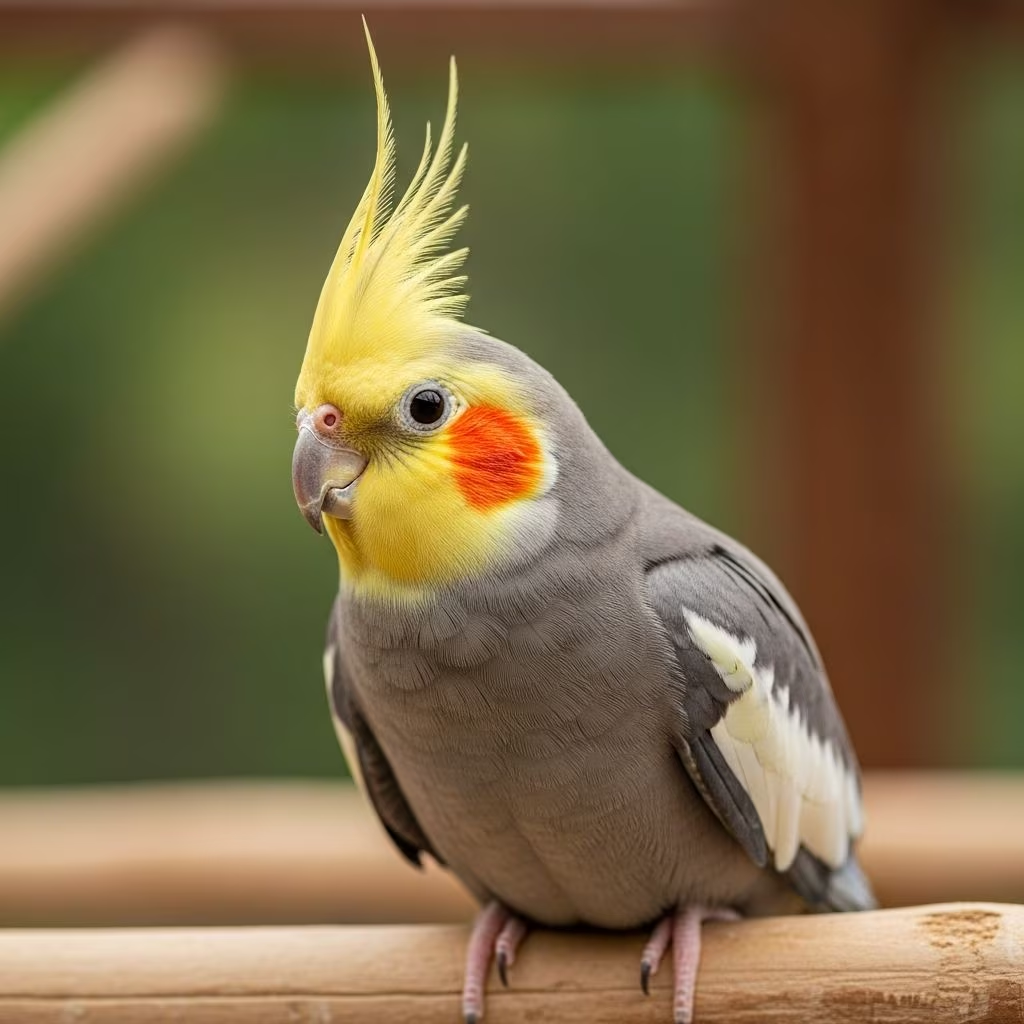
Top 10 Cockatiel Questions Answered: Your Complete Care Guide
Cockatiels are beloved pet birds known for their affectionate personalities, striking crests, and whistling abilities. Whether you’re considering bringing a cockatiel into your home or you already have one, it’s natural to have questions about their care, behavior, and training. This comprehensive guide addresses the ten most common cockatiel questions that new and experienced bird owners ask.
1. What Size Cage Do Cockatiels Need?
Providing an appropriately sized cage is fundamental to your cockatiel’s health and wellbeing. Cockatiels require substantial living space to move around, exercise their wings, and maintain physical health. The minimum recommended cage size for a single cockatiel is 24 inches wide by 24 inches deep by 24 inches tall, though larger is always better. Ideally, many avian experts recommend cages that are at least 40 inches wide by 24 inches deep by 32 inches tall to give your bird adequate room to spread its wings fully without touching the sides.
Your cage should include a removable metal grate at the bottom so droppings can fall below the bird’s feet, keeping the environment cleaner and more hygienic. When selecting your cage, choose one with horizontal bars that make climbing easier for your cockatiel. The spacing between bars should not exceed half an inch to prevent your bird from getting its head stuck.
2. How Often Should I Clean My Cockatiel’s Cage?
Maintaining a clean cage is essential for preventing illness and keeping your cockatiel healthy. A regular cleaning schedule should include both daily spot cleaning and weekly deep cleaning.
Daily cleaning tasks: Remove soiled bedding, discard uneaten fresh food, and wash food and water dishes thoroughly. The cage paper or liner at the bottom should be changed daily to maintain cleanliness and minimize dust.
Weekly deep cleaning: Spot clean the cage and accessories 2-3 times per week or as needed, with a more thorough cleaning at least once weekly. Replace all substrate, bedding, and habitat liners. Use a bird-safe cleaning agent or a 3% bleach solution to wash the habitat and accessories, then rinse thoroughly with water to remove any residual smell or chemicals. Allow everything to dry completely before returning your cockatiel to the clean habitat.
Monthly maintenance should include a comprehensive cleaning of all cage components and accessories using non-toxic, pet-safe cleaners to ensure a healthy environment.
3. What Should I Feed My Cockatiel?
A balanced diet is crucial for your cockatiel’s health, energy levels, and lifespan. The foundation of a healthy cockatiel diet should consist of 80% commercially prepared pellets specifically formulated for cockatiels. These pellets are specially formulated to provide all the essential vitamins and minerals your bird needs.
Primary diet components:
Pellet-seed blends serve as your bird’s primary nutrition source. Keep the bowl about three-quarters full so your bird can eat whenever hungry. Remove old food and refill with fresh food daily. When introducing pellets to a seed-eating cockatiel, gradually mix pellets with seeds to help your bird adjust to the new food.
Supplementary foods: Fresh vegetables, fruits, and leafy greens should be offered every other day or several times weekly to provide variety, essential nutrients, and mental stimulation. Good options include spinach, kale, carrots, apples, and berries.
Foods to avoid: Never feed your cockatiel avocados, chocolate, raw onions, raw meat, raw chicken, moldy foods, or alcohol—these are toxic to birds and can cause serious health problems.
Always provide fresh, clean water in a separate dish or bird water bottle. If keeping multiple cockatiels, provide separate feeding stations to discourage competition and aggression.
4. How Often Should I Bathe My Cockatiel?
Regular bathing is important for maintaining your cockatiel’s feather health, hygiene, and natural behaviors. Cockatiels should have the opportunity to bathe twice weekly using either a traditional bath method or misting. You can offer a birdbath or shallow dish large enough for your cockatiel to splash and bathe in 2-3 times per week.
If your bird prefers showers to baths, gently mist your cockatiel with warm water from a clean spray bottle 2-3 times weekly. Many bird owners find that misting twice a week using lukewarm water helps cockatiels keep themselves tidy. Always keep your bird out of drafts, especially while drying after a bath, as exposure to cold air during the drying process can be harmful.
Some cockatiels enjoy bathing in their water bowl, which serves double duty for drinking and bathing. Make sure water bowls are large enough to accommodate this behavior.
5. What Kind of Perches Do Cockatiels Need?
Proper perching is essential for your cockatiel’s foot health and natural behaviors. Your cage should include at least two perches of varying thickness and height to support proper foot health. Cockatiels naturally grip different diameters, which helps exercise different muscles in their feet and prevents leg problems.
Include natural wood perches, rope perches, and branch-style perches to provide variety and environmental enrichment. Adding a ladder perch for extra climbing opportunities gives your bird additional exercise options. Avoid placing perches directly above food or water bowls to prevent contamination from droppings.
Regularly inspect perches for signs of wear and tear, and replace them when damaged to prevent injury to your bird. The different textures and materials found in natural wood perches help keep your cockatiel’s nails naturally filed down as they walk and grip.
6. How Do I Train My Cockatiel?
Training your cockatiel builds trust, encourages bonding, and provides mental stimulation. Begin training with patience and consistency, working at your bird’s pace.
Step 1: Acclimatization Start by letting your cockatiel adjust to their new environment. Spend time near the cage, talking softly and moving slowly to avoid startling them. This helps them associate you with safety and comfort.
Step 2: Hand training Once comfortable with your presence, offer treats through the cage bars—millet sprays, small fruit pieces, or favorite seeds work well. This encourages your cockatiel to approach you and associate you with positive experiences.
Step 3: Cage-side interaction Open the cage door and offer treats with your hand inside, moving slowly and letting your bird come at its own pace.
Step 4: Step-up training Once your cockatiel comfortably takes treats from your hand inside the cage, gently encourage it to step onto your finger or a perch. Use treats to lure them and softly say “step up.” Reward with treats and praise when successful.
Step 5: Out-of-cage time As your cockatiel becomes more comfortable stepping up, start allowing supervised out-of-cage time in a bird-safe room. Ensure all windows are closed, ceiling fans are off, and other hazards are removed.
Using a small bird playstand or playpen during training periods provides a safe space for interaction. Consider reading “Clicker Training for Birds” by Melinda Johnson for advanced training techniques.
7. What Toys and Enrichment Do Cockatiels Need?
Mental stimulation through toys and enrichment activities is vital for preventing boredom and destructive behaviors like feather plucking. Provide at least three toys to encourage activity and mental stimulation. Use a variety of toy types including puzzles, chewables, and foraging items to support natural bird behaviors.
Rotate toys regularly to keep your bird engaged and prevent habituation. Different textures, colors, and materials appeal to cockatiels’ curiosity and problem-solving instincts. Some birds enjoy shredding toys, while others prefer climbing or swinging toys.
Inspect toys regularly for signs of wear and tear, replacing them when damaged to prevent injury. Natural wood toys and branches are often favored by cockatiels for their ability to satisfy chewing instincts while providing entertainment.
8. Do Cockatiels Need Calcium and Cuttlebones?
Calcium is a vital nutrient, especially for laying eggs and making eggshells. Egg-laying cockatiels should always have a cuttlebone available to ensure adequate calcium intake. Cuttlebones serve as an excellent calcium supplement that supports both beak and bone health.
Place a cuttlebone in the enclosure where your cockatiel can access it freely. Some bird owners also offer calcium-rich foods like dark leafy greens and fortified pellets. If your cockatiel doesn’t use the cuttlebone, consult with an avian veterinarian about alternative calcium supplementation methods.
Birds need exposure to ultraviolet (UV) light to produce vitamin D in their skin, which allows them to absorb dietary calcium. Consider providing UV lighting in addition to natural sunlight exposure to support calcium absorption and overall health.
9. How Do I Handle Wing Trimming Safely?
Wing trimming is an important consideration for flight safety and preventing escape. To keep your cockatiel from flying away, ask your pet store or veterinarian to show you how to trim the primary feathers on each wing. These feathers will grow back after molting, so they will need to be trimmed regularly.
Many new bird owners prefer having a professional avian veterinarian perform wing trims to ensure proper technique and safety. If you choose to trim wings yourself, learn the correct method from a qualified professional first to avoid injuring your bird’s wings or damaging flight feathers.
Regular nail trimming is also essential, and you’ll need avian nail clippers and styptic powder for this task. If you’re uncomfortable trimming nails yourself, your avian veterinarian can perform regular trimmings during wellness visits.
10. What Health Signs Should I Watch For?
Regular health monitoring helps catch problems early. When bringing a new cockatiel into your home where other birds reside, keep it separate until their veterinary exam. Establish a relationship with an avian veterinarian for regular checkups and health concerns.
Watch for signs of illness including changes in appetite, lethargy, behavioral changes, discharge from eyes or nose, ruffled feathers, or changes in droppings. Respiratory issues, parasites, and nutritional deficiencies are common health concerns in cockatiels.
Maintain a regular wellness schedule with your avian veterinarian to ensure your cockatiel receives proper preventive care and early disease detection.
Daily and Weekly Cockatiel Care Routine
Establishing a consistent care routine ensures your cockatiel receives proper attention and maintains good health:
| Frequency | Care Tasks |
|---|---|
| Daily | Spot clean cage; wash food and water bowls; change cage paper or liner; offer fresh food and water; spend interactive time with your bird |
| 2-3 Times Weekly | Bathe or mist your cockatiel; spot clean cage and accessories; inspect toys for damage |
| Weekly | Replace all substrate and bedding; deep clean cage and accessories with bird-safe cleaner; rotate toys; check perches for wear |
| Monthly | Comprehensive habitat cleaning; trim nails if needed; inspect overall bird health; avian veterinarian wellness check if recommended |
Frequently Asked Questions (FAQs)
Q: Can I keep multiple cockatiels together in one cage?
A: Yes, but each bird should have their own feeding station to discourage competition. Ensure the cage is large enough for all birds to move comfortably. Introduce new birds slowly and carefully, and watch for signs of aggression or stress.
Q: How long do cockatiels live?
A: Cockatiels typically live 15-20 years in captivity, with some living into their 30s with excellent care. This long lifespan requires a significant commitment to proper nutrition, veterinary care, and environmental enrichment.
Q: Are cockatiels good pets for beginners?
A: Yes, cockatiels are often recommended as good starter birds. They are affectionate, trainable, and less demanding than some larger parrot species. However, they still require substantial time, space, and commitment.
Q: Why is my cockatiel plucking its feathers?
A: Feather plucking can indicate boredom, stress, illness, nutritional deficiencies, or psychological issues. Ensure adequate enrichment, social interaction, proper diet, and consult an avian veterinarian to rule out medical causes.
Q: Can cockatiels eat fruits and vegetables?
A: Yes, fresh fruits, vegetables, and leafy greens are essential parts of a healthy cockatiel diet. Offer these several times weekly alongside pellets. Always avoid toxic foods like avocado, chocolate, and onions.
Q: How can I help my cockatiel adjust to a new home?
A: Provide a quiet, safe space initially. Spend time near the cage without forcing interaction. Offer treats and talk softly to build trust. Gradually introduce the bird to different areas and people over several weeks.
References
- Cockatiel Care Sheet — PetMD. 2024. https://www.petmd.com/bird/cockatiel-care-sheet
- Cockatiel Care Guide — PetSmart Learning Center. 2024. https://www.petsmart.com/learning-center/bird-care/cockatiel-care-guide/A0065.html
- A Guide to Understanding and Caring for Your Pet Cockatiel — myBird. 2024. https://myrightbird.com/articles/a-guide-to-understanding-and-caring-for-your-pet-cockatiel
- CARING FOR YOUR COCKATIEL — Pet Advocacy Network. 2022. https://petadvocacy.org/wp-content/uploads/2022/01/Cockatiel-Care-Sheet.pdf
- Caring for Your Pet Cockatiel: A Complete Guide — BirdSupplies.com. 2024. https://birdsupplies.com/blogs/news/cockatiels-as-pets-how-to-care-for-a-cockatiel



