

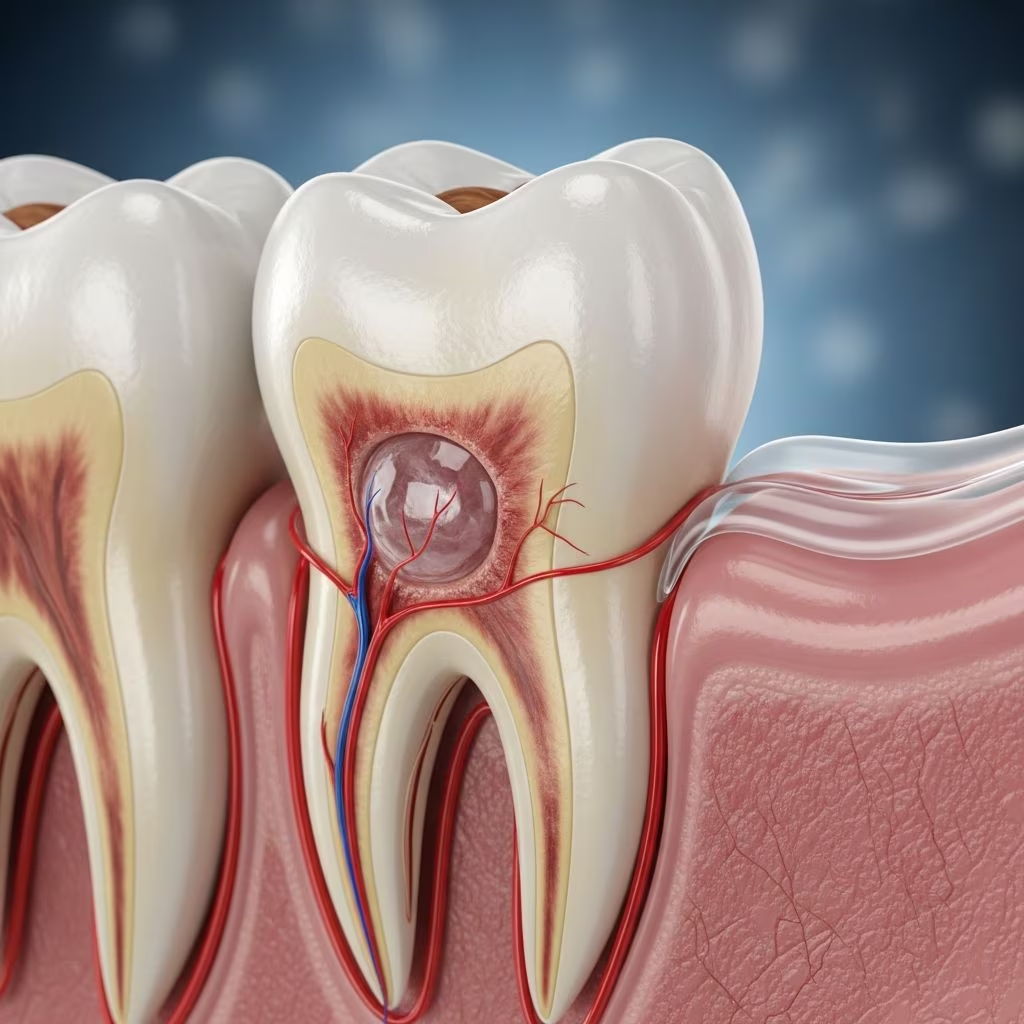
Understanding Tooth Root Abscess in Dogs
A tooth root abscess in dogs is a bacterial infection that develops at the root of a tooth, causing significant pain and discomfort. This condition occurs when bacteria invade the tooth structure and surrounding tissues, leading to pus accumulation and inflammation. While abscessed teeth are extremely painful, many dogs do not display obvious signs of distress, making it crucial for owners to recognize subtle behavioral changes that may indicate a dental problem. Understanding the nature of tooth root abscesses helps pet owners identify when their dog requires immediate veterinary attention.
Tooth root abscesses develop progressively and can become serious if left untreated. The infection originates at the tooth’s root and can spread to surrounding tissues, the jawbone, and potentially affect other areas of the body if bacteria enter the bloodstream. Dogs with tooth root abscesses require professional veterinary treatment to eliminate the infection and prevent complications.
What Causes Tooth Root Abscess in Dogs?
Several factors can lead to the development of a tooth root abscess in dogs. The most common cause is periodontal disease, which damages the tissues that support the tooth and allows bacteria to infiltrate the root area. When periodontal disease is involved, the upper fourth premolar tooth—also known as the carnassial tooth—is affected in the vast majority of cases.
Other causes of tooth root abscesses include:
- Trauma or injury to the tooth from chewing on hard objects
- Fractured teeth that expose the pulp chamber to bacteria
- Aggressive tooth grinding or jaw clenching
- Poor oral hygiene that allows bacterial growth
- Previous dental procedures that may have compromised tooth integrity
- Weakened immune system making the dog susceptible to infection
Regardless of the initial cause, once bacteria penetrate the tooth structure, an infection develops and progresses if not treated promptly. The infection creates pus-filled pockets around the tooth root, leading to the characteristic abscess.
Recognizing Symptoms of Tooth Root Abscess
Identifying a tooth root abscess in your dog requires careful observation, as many dogs mask their pain effectively. Abscessed teeth are extremely painful, but dogs may not show obvious signs of discomfort. Instead, they display subtle behavioral and physical changes that attentive owners can recognize.
Common Behavioral Signs
Dogs with tooth root abscesses often become reluctant to chew on toys or resist chewing altogether. They may pull away when their head or muzzle is touched, avoiding contact with the painful area. Many dogs will eat or chew only on one side of their mouth, favoring the side opposite the abscessed tooth. Owners might notice their dog dropping food while eating or showing reluctance to eat their regular kibble, instead preferring softer foods that require less chewing.
Some dogs paw at the affected side of their face repeatedly or rub their face on the ground in an attempt to alleviate the pain. Pet owners often misinterpret this behavior as simple itching rather than recognizing it as a sign of dental distress. Changes in behavior such as increased irritability, lethargy, or withdrawal can also indicate that a dog is experiencing oral pain.
Physical Symptoms
The most visible sign of a tooth root abscess is often facial swelling. In many cases, a chronic drainage tract appears just below the eye of the dog, directly above the root of the affected tooth. Sometimes this drainage tract creates an actual hole in the skin, while other times it manifests as swelling or discharge matted into the hair. The area around the affected tooth becomes tender and sensitive to touch.
Bad breath is another common indicator of tooth root abscess. The bacteria involved in the infection produce foul-smelling compounds that result in halitosis, even if your dog’s breath was previously normal. Excessive drooling can occur due to pain and inflammation in the mouth, making swallowing uncomfortable for the dog. In some cases, the saliva builds up in the mouth and causes increased drooling.
If the infection progresses without treatment, systemic symptoms may develop. Dogs may experience fever as their body attempts to fight the spreading infection. A reduced appetite or complete refusal to eat can occur as pain intensifies. In severe cases, the dog may show signs of illness including decreased responsiveness and lethargy.
Diagnosing a Tooth Root Abscess
Your veterinarian will perform a thorough examination of your dog’s mouth to diagnose a tooth root abscess. The examination includes visual inspection of the teeth and gums, palpation of the jaw and facial area to detect swelling or pain response, and assessment of the tooth stability and any drainage tracts. Dental radiographs (X-rays) are essential for confirming the diagnosis and determining the extent of damage to the tooth and surrounding bone structures.
The X-rays reveal the presence of infection around the tooth root, bone loss, and the overall health of the tooth structure. This imaging helps the veterinarian determine whether the tooth can be saved with root canal therapy or if extraction is necessary. Because tooth root abscesses can be complex cases, many veterinarians refer dogs to veterinary dental specialists for assessment and treatment through organizations like the American Veterinary Dental College (AVDC).
Treatment Options for Tooth Root Abscess
A tooth root abscess is a very painful condition that requires prompt professional treatment. Immediate care focuses on controlling the infection and managing pain, but these measures alone do not cure the abscess. The underlying tooth injury must be addressed through surgical intervention.
Initial Medical Management
Your veterinarian will prescribe antibiotics to control the bacterial infection and reduce the spread of bacteria to other areas of the body. Commonly used antibiotics for tooth infections include Clavamox and Clindamycin (Antirobe). Additionally, anti-inflammatory and pain relief medications are prescribed to manage your dog’s discomfort during the diagnostic phase.
It is important to understand that antibiotics and pain medications provide temporary relief but do not cure a tooth root abscess. These medications are given as a bridge to surgical treatment. Antibiotics alone will not eliminate the infection permanently because they cannot reach the bacteria effectively when pus-filled pockets surround the tooth root. Pain relief medication helps manage symptoms but does not address the underlying cause of pain and infection.
Definitive Treatment: Extraction vs. Root Canal Therapy
Two surgical options are available for treating an abscessed tooth: extraction and root canal therapy. The choice between these options depends on the severity of the abscess, the degree of damage to the tooth and surrounding structures, and the strategic importance of the tooth.
Tooth Extraction
Tooth extraction is the most common treatment option chosen by veterinarians and pet owners due to its effectiveness, cost-efficiency, and straightforward approach. Extraction is particularly recommended for smaller teeth such as incisors and for cases where the tooth is severely damaged or the periodontal disease is extensive. This procedure involves surgically removing the entire tooth and its root while the dog is under general anesthesia. Extraction is very effective at removing the source of pain and inflammation permanently.
Most dogs feel dramatically better almost immediately after extraction because the pain is eliminated. They rapidly return to normal eating habits once the surgical site heals. The procedure is typically less expensive than root canal therapy and has a high success rate with minimal complications.
Root Canal Therapy
Root canal therapy, also called endodontic treatment, is a more conservative approach that preserves the tooth structure. This procedure is performed by a veterinary dental specialist and involves removing the infected tissue from inside the tooth, then filling the space with a biocompatible material. Root canal therapy is particularly valuable for strategically important teeth such as canine teeth, specific premolars, or molars that contribute significantly to chewing function.
Root canal therapy causes less trauma to the oral structures compared to extraction and preserves the tooth’s function. However, not all abscessed teeth are candidates for root canal therapy. The tooth must be otherwise periodontally healthy, meaning the supporting structures have not been severely compromised by disease. Additionally, root canal therapy is more expensive than extraction and requires specialized expertise.
Surgical Procedure Details
Both extraction and root canal therapy require general anesthesia to ensure the dog experiences no fear or pain during the procedure. The veterinarian will place your dog under anesthesia, thoroughly examine and X-ray the tooth, and then proceed with the chosen treatment. The abscess is always drained during the procedure to remove accumulated pus and infection.
Post-Operative Care and Recovery
Regardless of which treatment option is chosen, post-operative care is essential for proper healing and prevention of complications. Your veterinarian will prescribe antibiotics to continue fighting any remaining infection and prevent recurrence. Pain medication will be provided to manage discomfort during the healing phase, which typically lasts one to two weeks.
Your dog may require a temporary change in diet during recovery. Soft or moistened food is recommended if your dog experiences difficulty eating hard kibble. Once the surgical site has completely healed, most dogs can resume their regular diet and normal activity level without restrictions.
Follow your veterinarian’s post-operative instructions carefully, which may include activity restrictions, special feeding instructions, and medication administration guidelines. Monitor the surgical site for signs of complications such as excessive swelling, discharge, or odor. Contact your veterinarian immediately if you notice any concerning changes during the recovery period.
Prevention of Tooth Root Abscess
Preventing tooth root abscesses involves maintaining excellent oral health and preventing dental disease. Regular professional dental cleanings performed by your veterinarian help remove tartar and plaque buildup that lead to periodontal disease. Daily tooth brushing with dog-specific toothpaste and toothbrush is one of the most effective preventive measures you can implement at home.
Avoid giving your dog hard objects to chew, including bones, hard treats, and toys that could fracture teeth. Provide appropriate chew toys made of soft rubber or nylon. Regular veterinary examinations allow your veterinarian to identify early signs of dental disease and address them before tooth root abscesses develop.
Frequently Asked Questions
Q: Is a tooth root abscess in dogs an emergency?
A: While not always immediately life-threatening, tooth root abscesses are serious and painful conditions requiring prompt veterinary attention. They become emergencies when there is significant facial swelling, difficulty breathing, refusal to eat or drink, or signs of systemic illness such as fever and lethargy. If you notice these critical warning signs, seek emergency veterinary care immediately.
Q: Can antibiotics alone cure a dog’s tooth root abscess?
A: No. While antibiotics help control the infection and manage symptoms, they cannot cure a tooth root abscess. Antibiotics alone will not eliminate the infection because they cannot effectively reach bacteria in pus-filled pockets surrounding the tooth root. Surgical treatment through extraction or root canal therapy is necessary for a permanent cure.
Q: How long is the recovery period after tooth extraction?
A: Most dogs recover quickly from tooth extraction, often feeling significantly better within 24-48 hours as pain is eliminated. The surgical site typically heals within one to two weeks. During this time, soft food is recommended, and normal activity can usually resume once healing is complete.
Q: Can I treat my dog’s tooth abscess at home?
A: No. There is no effective home remedy for a dog’s tooth root abscess due to the infection’s serious nature and potential for complications. Professional veterinary treatment is essential. Attempting home treatment delays necessary care and allows the infection to progress, potentially spreading to surrounding tissues and the bloodstream.
Q: What is the cost of treating a dog’s tooth root abscess?
A: Treatment costs vary depending on whether extraction or root canal therapy is chosen. Tooth extraction is generally less expensive, typically ranging from $500 to $1500 depending on the tooth’s location and complexity. Root canal therapy is more expensive, often costing $1500 to $3000 or more because it requires specialized expertise and equipment.
Q: Will my dog have difficulty eating after tooth extraction?
A: Most dogs adapt very well to tooth extraction. Dogs have strong chewing muscles and multiple teeth that compensate for the loss of one tooth. After the surgical site heals, most dogs eat normally without difficulty. During the initial recovery period, soft food is recommended, but regular kibble can usually be resumed within a few weeks.
References
- Tooth Root Abscess in Dogs — VCA Animal Hospitals. 2025. https://vcahospitals.com/know-your-pet/tooth-root-abscess-in-dogs
- Tooth Root Abscesses — Mallard Creek Animal Hospital. 2025. https://www.mallardcreekvet.com/dr-waldens-blog/tooth-root-abscesses
- Dog Tooth Abscess: Symptoms & Treatment — Well Pets. 2024. https://www.wellpets.com/blog/205-dog-tooth-abscess/
- Dog Tooth Abscesses: Causes and Treatment — Boulder Veterinary. 2024. https://bouldervet.com/blog/dog-tooth-abscesses-causes-and-treatment/
- Tooth Root Abscess in Dogs: Is It an Emergency? — Grayson-Jockey Equine Veterinary Services. 2025. https://gsvs.org/blog/tooth-root-abscess-dogs-emergency/
- Dog Carnaissal Tooth Abscess — Long Beach Animal Hospital. 2024. https://lbah.com/canine/abscess-tooth-in-dogs/



