

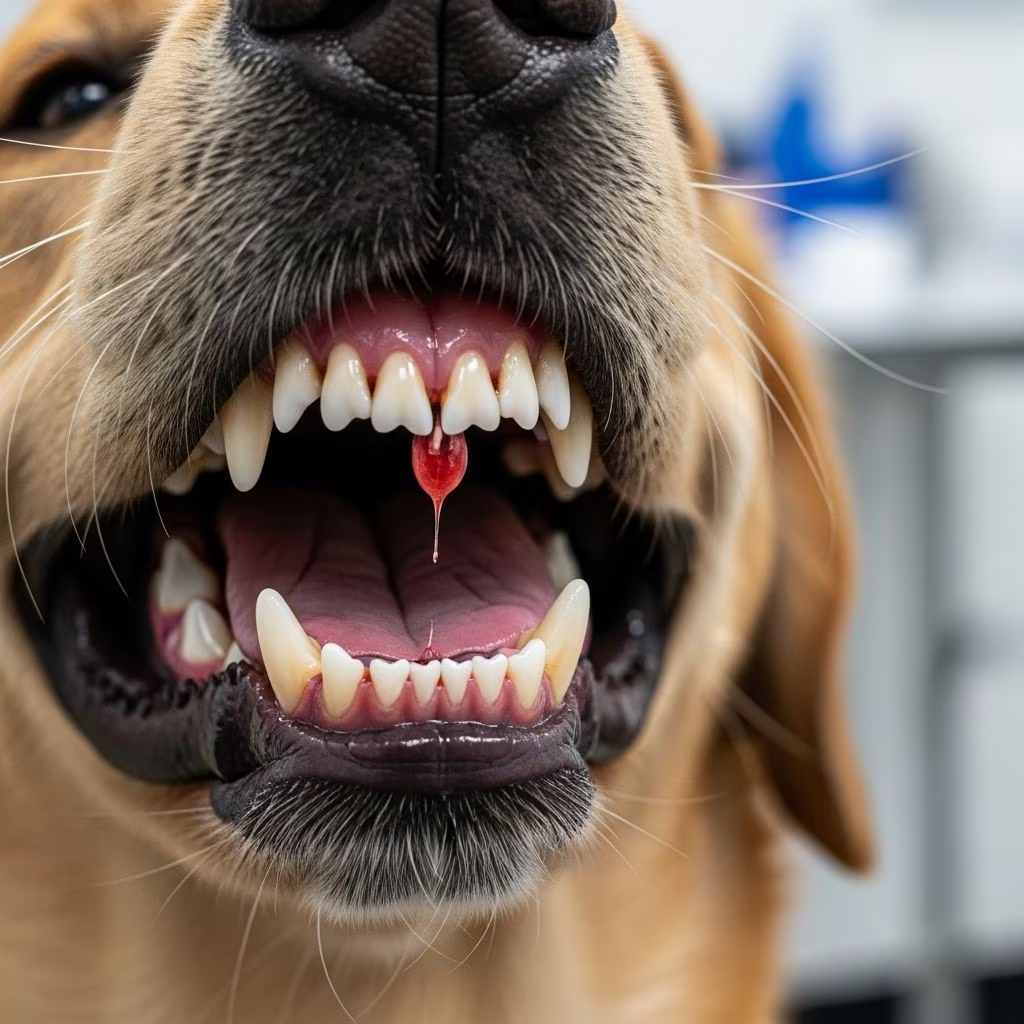
Understanding Tooth Root Abscess in Dogs
A tooth root abscess is a serious and painful dental condition that affects many dogs. This occurs when bacteria accumulate around the root of a tooth, creating an infection that can cause significant discomfort and lead to serious complications if left untreated. The infection forms as a pocket of pus around the tooth root, and while dogs may not always display obvious signs of pain, the condition requires prompt veterinary attention to prevent further damage to the tooth, surrounding tissues, and potentially the dog’s overall health.
Understanding this condition is essential for dog owners because early detection and treatment can prevent complications and restore your pet’s quality of life. Tooth root abscesses are particularly common in dogs with periodontal disease, though they can develop from various causes including trauma to the tooth, fractured teeth, or untreated decay.
Common Locations and Causes
The most frequently affected tooth in dogs is the upper fourth premolar, also known as the carnassial tooth. This tooth is particularly susceptible to root abscess formation when periodontal disease is involved. The carnassial tooth bears significant chewing force and is often one of the first teeth to show signs of dental disease.
Several factors can contribute to the development of a tooth root abscess in dogs:
- Periodontal disease and gum infections
- Fractured or cracked teeth from trauma or chewing hard objects
- Untreated dental decay and cavities
- Previous dental procedures or tooth damage
- Poor oral hygiene and plaque accumulation
- Aggressive chewing habits
Recognizing the Symptoms
One of the most challenging aspects of detecting a tooth root abscess in dogs is that many dogs do not display obvious signs of pain. However, observant owners who know what to look for can identify warning signs that indicate their pet may be suffering from this condition.
Behavioral Changes
Dogs with tooth root abscesses often exhibit subtle behavioral modifications. Your dog may be reluctant to chew on toys or treats, or they may pull away when their head is touched. Many dogs will begin eating or chewing exclusively on one side of their mouth to avoid the painful area. You might notice your dog dropping food while eating, which indicates difficulty with mastication on the affected side.
Facial and Oral Symptoms
In cases where the abscess is located near the upper teeth, a characteristic drainage tract often appears just below the eye. This may manifest as swelling, visible discharge matted into the fur, or in some cases, an actual opening in the skin. Dogs with tooth abscesses frequently develop pronounced bad breath, which occurs due to the bacterial infection. Some owners notice their dogs pawing at the affected side of their face or rubbing their face on the ground as if scratching an itch, when in reality they are experiencing dental pain.
Additional Warning Signs
Other symptoms that may accompany a tooth root abscess include excessive drooling due to difficulty swallowing, facial swelling or puffiness, reduced appetite or inappetence, changes in behavior such as increased irritability or malaise, and in severe cases, fever if the infection has begun to spread systemically.
Diagnosis and Veterinary Examination
If you suspect your dog has a tooth root abscess, scheduling an appointment with your veterinarian is crucial. During the examination, your veterinarian will perform a thorough oral inspection and may apply digital pressure to detect sensitivity or abscess formation. In many cases, the veterinarian will recommend dental radiographs (X-rays) to visualize the tooth root, assess the extent of bone loss, and determine the severity of the infection.
The radiographic images allow the veterinarian to see beneath the gum line and evaluate whether the infection has affected surrounding bone and teeth. This imaging is essential for determining the most appropriate treatment approach and for referral to a dental specialist if necessary.
Treatment Options for Tooth Root Abscess
Treatment for a tooth root abscess involves both medical management to address the infection and pain, as well as definitive surgical treatment to eliminate the source of the infection. It is important to note that antibiotics and pain medication alone will not cure a tooth root abscess. While these medications help manage symptoms and control infection temporarily, they do not address the underlying tooth damage.
Medical Management
When a tooth root abscess is suspected or confirmed, your veterinarian will prescribe antibiotics to control the bacterial infection. Common antibiotics used for tooth infections in dogs include Clavamox and Clindamycin (Antirobe). Additionally, anti-inflammatory and pain relief medications will be prescribed to help your dog feel more comfortable while awaiting definitive treatment. These medications provide symptomatic relief but do not eliminate the abscess permanently.
Extraction
Tooth extraction is the most common and effective treatment for tooth root abscesses in dogs, particularly when periodontal disease is the underlying cause. This procedure involves surgically removing the entire tooth, including all roots and the surrounding infected tissue. Extraction is performed under general anesthesia to ensure your dog does not experience fear or pain during the procedure.
Following extraction, most dogs experience immediate relief from pain since the source of infection and discomfort has been eliminated. The abscess is drained during the procedure, and antibiotics may be prescribed post-operatively. This treatment option is highly effective and has a high success rate. Most dogs recover quickly and return to normal eating and activity levels within a short period.
Root Canal Therapy
Root canal therapy, also known as endodontic treatment, is an alternative to extraction that can preserve the tooth structure. This procedure is typically performed by a veterinary dental specialist and involves removing the infected pulp tissue from inside the tooth and filling the canal with biocompatible material.
Root canal therapy is particularly valuable for preserving strategically important teeth such as canine teeth or specific premolars and molars that play crucial roles in chewing. This treatment option causes less trauma to surrounding tissues compared to extraction and allows your dog to retain full tooth function.
However, not all abscessed teeth are candidates for root canal therapy. The tooth must be otherwise periodontally healthy, and the root canal procedure is more expensive and time-consuming than extraction. Your veterinarian will assess whether your dog’s tooth is suitable for this treatment option.
Post-Operative Care and Recovery
Regardless of which treatment option is selected, post-operative care is essential for optimal healing and preventing complications. After extraction or root canal therapy, your dog will likely be prescribed pain medication and possibly antibiotics. Your veterinarian will provide specific instructions regarding pain management and activity restriction during the recovery period.
Many dogs require a temporary diet modification during the healing phase. Your veterinarian may recommend feeding soft food or moistening kibble with water to make eating more comfortable. Once the surgical site has healed completely, most dogs can resume their regular diet and normal activity level without any lasting effects.
It is important to follow all post-operative instructions carefully and monitor your dog for any signs of complications, such as excessive swelling, discharge from the surgical site, or reluctance to eat. Contact your veterinarian immediately if you notice any concerning changes during the recovery period.
Complications of Untreated Tooth Root Abscess
Leaving a tooth root abscess untreated can have serious consequences for your dog’s health. The infection can spread to surrounding tooth roots, affecting additional teeth and requiring more extensive treatment. In severe cases, the infection can spread to facial tissues, potentially affecting the eye or causing systemic illness through bacteremia (bacteria entering the bloodstream).
Prolonged untreated abscess results in significant pain and eventual tooth loss. Additionally, the ongoing infection places unnecessary stress on your dog’s immune system and can affect their overall quality of life and longevity.
When to Seek Emergency Care
While a tooth root abscess is painful and requires prompt treatment, it becomes an emergency when certain warning signs appear. Seek immediate emergency veterinary care if your dog displays significant facial swelling that may compromise breathing, complete refusal to eat or drink, fever, or unusual lethargy and unresponsiveness. These symptoms indicate the infection may be spreading rapidly and affecting your dog’s systemic health.
Prevention and Maintenance
Preventing tooth root abscesses requires commitment to your dog’s oral health. Regular professional dental cleanings performed by your veterinarian can remove tartar and plaque buildup before they lead to periodontal disease. Establishing a home dental care routine that includes tooth brushing several times per week can significantly reduce the risk of dental disease.
Avoid giving your dog excessively hard chew toys or bones that could cause tooth fractures. Provide appropriate toys and treats designed for dental health. Regular veterinary check-ups allow your veterinarian to monitor your dog’s oral health and catch dental problems early before they progress to abscesses.
Frequently Asked Questions
Q: Can antibiotics alone cure my dog’s tooth root abscess?
A: No, antibiotics alone cannot cure a tooth root abscess. While antibiotics help control the infection and manage symptoms temporarily, they do not address the underlying tooth damage. Definitive treatment through extraction or root canal therapy is necessary to permanently eliminate the abscess.
Q: How long does recovery take after tooth extraction?
A: Most dogs recover quickly from tooth extraction, often feeling better almost immediately due to pain relief. Complete healing of the extraction site typically takes 1-2 weeks, after which most dogs can resume normal eating and activity. Your veterinarian will provide specific recovery timelines based on your dog’s individual situation.
Q: Is root canal therapy worth the extra cost?
A: Root canal therapy is more expensive than extraction but offers the advantage of preserving the tooth structure and maintaining full chewing function. For important teeth like canines or large molars, many owners find the investment worthwhile. Your veterinarian can help you weigh the benefits and costs based on your dog’s specific situation.
Q: Can I treat my dog’s tooth abscess at home?
A: There is no effective home remedy for a tooth root abscess. Professional veterinary treatment is essential because the infection is located deep around the tooth root where home treatments cannot reach. Prompt professional care is necessary to prevent complications and relieve your dog’s pain.
Q: What happens if I delay treatment for my dog’s tooth abscess?
A: Delaying treatment allows the infection to progress and potentially spread to surrounding teeth and facial tissues. This can result in additional tooth loss, systemic illness, and increased pain for your dog. Prompt treatment prevents these serious complications and provides faster relief.
Q: How can I tell if my dog is in pain from a tooth abscess?
A: Dogs often hide obvious pain, but signs include reluctance to chew, eating on one side of the mouth, dropping food, pawing at the face, pulling away when the head is touched, bad breath, and facial swelling or discharge below the eye. Any of these signs warrant a veterinary examination.
References
- Tooth Root Abscess in Dogs — VCA Animal Hospitals. 2025. https://vcahospitals.com/know-your-pet/tooth-root-abscess-in-dogs
- Dog Tooth Abscess: Symptoms & Treatment — Well Pets. 2025. https://www.wellpets.com/blog/205-dog-tooth-abscess/
- Tooth Root Abscesses: Causes and Treatment — Boulder Veterinary. 2025. https://bouldervet.com/blog/dog-tooth-abscesses-causes-and-treatment/
- Dog Carnassial Tooth Abscess — Long Beach Animal Hospital. 2025. https://lbah.com/canine/abscess-tooth-in-dogs/
- Dog Tooth Abscess: Signs & Treatment Costs — Pawlicy Advisor. 2025. https://www.pawlicy.com/blog/tooth-abscess-in-dogs/
- Tooth Root Abscess in Dogs: Is It an Emergency? — GSVS. 2025. https://gsvs.org/blog/tooth-root-abscess-dogs-emergency/
- Abscessed Pet Teeth — Veterinary Dental Specialties. 2025. https://www.vdspets.com/abscessed-pet-teeth/



