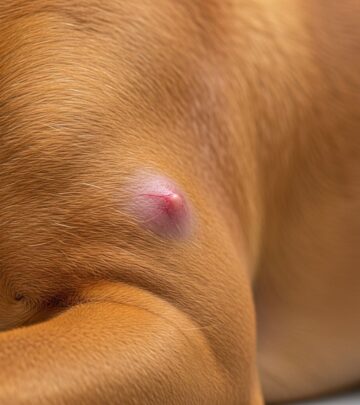
Tooth Root Abscess in Cats: Causes, Symptoms & Treatment
Learn about tooth root abscesses in cats: symptoms, diagnosis, and effective treatment options.

Understanding Tooth Root Abscess in Cats
A tooth root abscess in cats is a serious dental condition that requires immediate veterinary attention. This painful condition develops when bacteria enter the exposed root canal of a tooth, leading to infection and inflammation. Understanding this condition is essential for cat owners, as early detection and treatment can prevent complications and restore your cat’s comfort and health.
What Is a Tooth Root Abscess?
A tooth root abscess forms when bacteria penetrate the root canal system of a tooth. This can occur due to trauma, fractured teeth, or underlying dental disease. Once bacteria colonize the root canal, they trigger an inflammatory response. Your cat’s immune system attempts to combat the infection by sending white blood cells to the affected area. These white blood cells accumulate to form a pus-filled pocket known as an abscess. As pressure builds inside this pocket, your cat experiences significant pain, especially when anything touches the inflamed area—whether it’s food, your hand, or the cat’s own mouth against the gum.
A persistent infection can result in an abscess that may leak directly into the oral cavity or may leak out onto the skin. If the affected root is in the lower jaw, drainage may appear beneath the chin. If the affected root is in the upper jaw, drainage may appear on the face. The upper fourth premolar, also called the carnassial tooth, is the most commonly affected tooth in cats.
Causes of Tooth Root Abscesses
Understanding the underlying causes of tooth root abscesses helps pet owners take preventive measures. Several factors can contribute to the development of this condition:
Tooth Trauma and Fractures
One of the primary causes of tooth root abscesses is trauma to the tooth, resulting in fractures or cracks. Cats may sustain dental injuries from falls, fights with other animals, or blunt force trauma. When the protective enamel and dentin are compromised, bacteria can access the root canal, leading to infection.
Periodontal Disease
Periodontal disease is another significant risk factor. When gum disease progresses, it creates pockets that allow bacteria to penetrate deeper into the tooth structure and surrounding tissues, eventually reaching the root canal.
Feline Odontoclastic Resorptive Lesions (FORL)
Feline odontoclastic resorptive lesions, sometimes referred to as tooth resorptions, represent a common dental problem in cats that can lead to tooth abscesses. This condition involves the progressive loss of tooth structure and can create pathways for bacterial infection.
Symptoms and Signs Your Cat May Have an Abscess
Recognizing the symptoms of a tooth root abscess is crucial for early intervention. While abscessed teeth are extremely painful, cats may not always display obvious signs of pain. Instead, they may show subtle behavioral changes that observant owners can catch.
Behavioral Indicators
Your cat may exhibit reluctance to chew on toys or may pull away when their head is touched. Many cats with dental abscesses favor one side of their mouth when eating or chewing, or they may drop food while eating. Some cats show signs of discomfort by pawing at the affected side of their face or rubbing their face on the ground. Cat owners may sometimes misinterpret these behaviors as simple itching, not realizing they indicate an abscessed tooth.
Physical Symptoms
Physical manifestations of tooth root abscesses include:
- Facial swelling, particularly below the eye or along the jaw
- Bad breath, often with a foul odor from decaying tissue beneath the gumline
- Visible discharge or pus along the gumline
- Red or swollen gums around the affected tooth
- Dropping food while eating or difficulty picking up food
- Excessive drooling
- Reluctance to chew hard food or toys
- Sudden sensitivity when the face is touched
- Decreased grooming behavior due to pain
Special Consideration: Upper Fourth Premolar Abscesses
When the abscessed tooth is the upper fourth premolar, the outward signs are often mistaken for other problems, such as an eye infection or a puncture wound. This occurs because these tooth roots lie just below the eye, and when they become abscessed, the infection quickly spreads to the surrounding tissues. The tissue below the eye typically becomes swollen and inflamed just before the abscess bursts.
Some cats with dental abscesses may be asymptomatic, showing no obvious signs of the condition. This underscores the importance of regular veterinary dental examinations.
Diagnosis of Tooth Root Abscesses
Accurate diagnosis is essential for determining the appropriate treatment plan. Your veterinarian will use several diagnostic tools and techniques to confirm a tooth root abscess.
Physical Examination
The first step in diagnosis is a thorough physical examination, including a comprehensive oral exam. Sedation may be necessary to allow your veterinarian to examine your cat’s mouth fully and assess the extent of the problem.
Dental X-rays
Dental radiographs (X-rays) are essential for confirming the diagnosis of a dental abscess. These images reveal bone destruction around the root and help your veterinarian assess the severity of the infection and determine the best treatment approach.
Advanced Imaging
In cases with associated complications, advanced imaging such as CT or MRI may be indicated to get a more detailed view of the affected area and surrounding structures.
Additional Diagnostics
Biopsies of affected tissues and bacterial cultures may be performed to aid in antibiotic selection. Blood work is typically recommended prior to any anesthetic procedures to ensure your cat is healthy enough for treatment.
Treatment Options for Tooth Root Abscesses
Treatment for a tooth root abscess addresses both the symptoms and the underlying infection. While antibiotics help control infection, they cannot cure the abscess alone. Definitive treatment requires removing or disinfecting the infected root.
Medical Management
Initially, antibiotics will be prescribed to control the infection and prevent bacterial spread through the bloodstream. Anti-inflammatory and pain relief medications will also be provided to manage your cat’s discomfort during the acute phase.
Definitive Treatment: Two Primary Options
There are only two options for definitive treatment of an abscessed tooth: root canal therapy or extraction.
Root Canal Therapy
Root canal therapy, also called endodontic therapy, involves removing the infected pulp tissue and disinfecting the pulp canal. The canal is then filled with a dental filling material through a process called obturation. The entrance to the canal is then sealed with dental composite material. This treatment option can preserve the structure of the tooth and maintain its function.
To determine if your cat is a good candidate for root canal treatment, your veterinarian will assess the tooth clinically and via X-rays. The extent of trauma to the crown of the tooth, pre-existing infection and bone destruction around the root, and the overall periodontal health of the tooth will influence this decision.
Fractured canine teeth in young cats can often be treated with root canal therapy to maintain the tooth’s structure and use. After root canal treatment, teeth are frequently prepared for a metal crown, which is fabricated and cemented in place about two weeks later.
Root canal therapy should be rechecked with intraoral X-rays three to six months after the initial treatment, and annually for the next couple of years to ensure the treatment remains effective.
Tooth Extraction
If the abscessed tooth has extensive bone loss around its socket or if there is significant damage to the crown of the tooth, your veterinarian may recommend extraction as the best treatment option. Extraction typically includes:
- Anesthesia and local nerve block to numb the area
- Surgical removal of the tooth
- Stitches to hold the site together while the gum heals
- Post-operative pain management and antibiotics
Cats adapt remarkably well to tooth extraction, and most can resume their regular diet and activity level once the surgical site has healed.
Post-Operative Care
Regardless of which treatment option is followed, post-operative care is crucial for successful recovery. Your veterinarian may prescribe antibiotics and pain relief medications (anti-inflammatory and/or pain medication). Your cat may require a temporary change in diet during the post-operative recovery period, typically involving soft or wet food to avoid irritation of the surgical site.
Prevention of Tooth Root Abscesses
While not all tooth root abscesses can be prevented, certain measures can significantly reduce your cat’s risk of developing this painful condition. The best way to prevent future abscesses is to have your cat’s mouth evaluated annually under anesthesia with a tooth-by-tooth oral exam and full mouth dental X-rays. Since cats don’t generally let owners know when their mouth hurts, this allows your veterinarian to identify and address potentially painful areas before they develop into serious problems.
Regular professional dental cleaning addresses concurrent periodontal disease and protects other teeth from developing abscesses. Additionally, maintaining good oral hygiene at home through brushing (when feasible) and providing dental-friendly toys and diets can contribute to overall oral health.
Frequently Asked Questions About Cat Tooth Root Abscesses
Q: Can antibiotics alone cure a tooth root abscess in cats?
A: No. While antibiotics are important for controlling infection and managing symptoms, they cannot cure a tooth root abscess. Definitive treatment requires either root canal therapy or tooth extraction to remove the source of infection.
Q: Is root canal therapy better than extraction for cats?
A: Both options have their advantages. Root canal therapy preserves tooth structure and function, while extraction is appropriate when there is extensive damage or bone loss. Your veterinarian will recommend the best option based on your cat’s specific situation.
Q: How long does recovery take after tooth extraction?
A: Most cats recover relatively quickly from tooth extraction. The surgical site typically heals within a few weeks, and cats can usually resume their normal diet and activity level once healing is complete.
Q: Can cats live normally with missing teeth?
A: Yes. Cats adapt remarkably well to living without teeth. They can eat soft or wet food comfortably and maintain their quality of life without dental complications.
Q: How can I tell if my cat has a tooth abscess if they’re not showing obvious signs?
A: Regular veterinary dental examinations are essential for detecting abscesses before they become severe. Annual professional evaluations with dental X-rays allow your veterinarian to identify problems your cat may be hiding.
Q: What is the prognosis for cats treated for tooth root abscesses?
A: The prognosis is excellent with appropriate treatment. Once the abscess is addressed through extraction or root canal therapy and proper post-operative care is provided, most cats recover fully and experience relief from pain.
References
- Dental Abscesses in Cats – Causes, Treatment and Prevention — Vetster. Accessed 2025. https://vetster.com/en/conditions/cat/dental-abscesses
- Cat Tooth Abscess – Treatment and Prevention — PetMD. Accessed 2025. https://www.petmd.com/cat/conditions/mouth/c_ct_tooth_root_abscess
- Tooth Root Abscesses in Dogs and Cats: Signs, Causes, and Treatment — St. Petersburg Animal Hospital and Urgent Care. Accessed 2025. https://stpeteah.com/tooth-root-abscesses-in-dogs-and-cats-signs-causes-and-treatment/
- Tooth Root Abscess in Cats — VCA Animal Hospitals. Accessed 2025. https://vcahospitals.com/know-your-pet/tooth-root-abscess-in-cats
- Treating a Tooth Abscess in a Dog or Cat — Wellpets. Accessed 2025. https://www.wellpets.com/blog/144-treating-a-tooth-abscess-in-a-dog-or-cat/
- How to Prevent and Treat a Cat Tooth Abscess — PetCareRx. Accessed 2025. https://www.petcarerx.com/article/how-to-prevent-and-treat-a-cat-tooth-abscess/1641
Similar Articles








Read full bio of Sneha Tete