

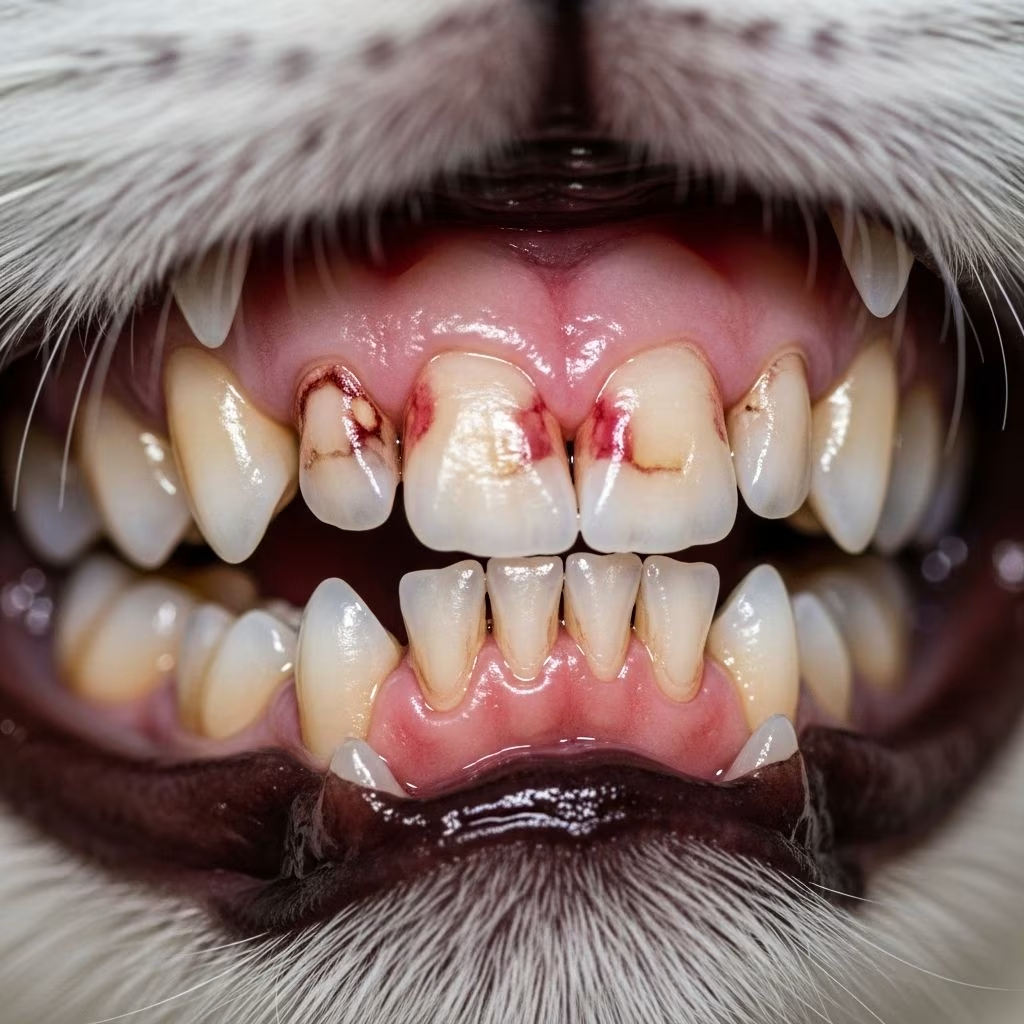
Tooth resorption represents a significant dental challenge in small animals, particularly cats and dogs, where odontoclastic cells progressively erode the hard tissues of teeth, often leading to pain and tooth loss. This condition, also known as feline odontoclastic resorptive lesions (FORL) in cats, affects up to 60% of cats over five years old and is increasingly recognized in dogs.
Understanding the Pathophysiology of Tooth Resorption
The process begins with the activation of odontoclasts, multinucleated cells that break down enamel, cementum, and dentin. In cats, resorption typically starts on the root surface, targeting cementum before advancing to dentin, potentially reaching the pulp cavity. Unlike normal physiological resorption during kitten or puppy teething, pathologic resorption in adults is aberrant and painful when dentin is exposed.
In dogs, mechanisms may involve trauma, periodontal disease, or idiopathic factors, with external inflammatory and replacement resorption being prevalent. The condition progresses variably, sometimes self-limiting but often requiring intervention to prevent complications like infection or fracture.
Prevalence and Risk Factors Across Species
Cats exhibit high prevalence, with studies showing 20-60% affected, escalating with age; premolars and molars are most commonly involved. One analysis of 174 cats found no direct link between severity and clinical symptoms like appetite loss, but progression correlated with advancing age.
Dogs experience lower incidence, yet it increases with age and body weight, favoring premolars and canines over incisors. External replacement resorption dominates at around 34% in surveyed cases. Breeds, diet, and chronic oral inflammation may contribute, though exact etiologies remain elusive.
- Cats: 20-60% prevalence, peaks after age 5, common in premolars/molars.
- Dogs: Less common, age/body weight dependent, maxillary 4th premolars frequent.
Clinical Manifestations and Pain Indicators
Early stages may be subclinical, but as dentin exposes, pets display jaw trembling, muscle spasms, or reluctance to chew. Cats with stomatitis often have concurrent resorption, exacerbating pain. Dogs might drop food or show behavioral changes. Appetite preservation despite plaque or gingivitis underscores the need for vigilant exams.
Severe cases risk spontaneous crown fractures, especially in felines with undermined roots. Cachexia from chronic pain highlights diagnostic urgency.
Diagnostic Approaches: From Visual to Radiographic
Visual inspection during prophylaxis reveals defects, but intraoral radiography is indispensable, as 50% of lesions are subgingival. Classifications aid prognosis:
| Stage | Description |
|---|---|
| TR1 | Mild loss of cementum/enamel. |
| TR2 | Moderate dentin loss, pulp intact. |
| TR3 | Deep dentin loss to pulp, tooth integrity preserved. |
Types per Dupont/DeBowes:
- Type 1: Normal root radiodensity, periodontal ligament visible; requires full extraction.
- Type 2: Radiolucent roots replaced by bone; candidates for crown amputation.
- Type 3: Mixed; full extraction needed.
Dog-specific types include external surface, inflammatory, and replacement resorption, guiding treatment.
Treatment Strategies Tailored to Type and Stage
Treatment hinges on type, stage, and complications. Early, asymptomatic lesions may warrant monitoring with serial radiographs.
Full Extraction
Standard for Type 1, Type 3, or teeth with periodontal/endodontic issues. In stomatitis cases, complete removal of all tooth material, including resorbing roots, is critical, often necessitating specialist referral.
Crown Amputation with Root Retention
Ideal for feline Type 2 lesions; studies show 96.4% heal without inflammation up to 72 months post-procedure, with roots resorbing and replacing with bone. Avoid in crowns with exposure or dogs with inflammatory types.
Alternative Interventions
Root canal therapy or pulpotomy suits select inflammatory cases, as in a military dog’s successful hemisection. Bisphosphonates like alendronate show promise in cats but need further validation.
| Type | Treatment | Prognosis |
|---|---|---|
| Type 1 | Full extraction | Prevents pain/infection |
| Type 2 (cats) | Crown amputation | 96% success long-term |
| Inflammatory | Extraction or RCT | Variable |
Associations with Other Oral Conditions
Tooth resorption frequently co-occurs with feline stomatitis or canine chronic ulcerative paradental stomatitis (CUPS), demanding thorough extractions. No strong link exists with endodontic disease, supporting conservative root retention in pure Type 2 cases.
Preventive Measures and Home Care
While idiopathic roots persist, regular dental cleanings, radiographs, and plaque control mitigate progression. Prophylactic extraction of advanced subgingival lesions prevents pain. Owners should monitor for chewing issues and schedule annual exams.
Prognosis and Long-Term Management
With prompt intervention, outcomes excel; untreated resorption causes chronic pain and potential tooth loss, rarer in dogs. Follow-up radiographs confirm healing in retained roots.
Frequently Asked Questions (FAQs)
What causes tooth resorption in pets?
Primarily idiopathic, driven by odontoclasts; trauma, inflammation contribute in dogs.
Is tooth resorption painful for my cat or dog?
Yes, once dentin exposes, causing sensitivity and spasms.
How is it diagnosed?
Intraoral radiographs essential; classify by stage/type.
Can roots be left after crown removal?
Yes, in feline Type 2; studies confirm safe resorption.
How common is this in dogs vs. cats?
Cats: up to 60%; dogs: less frequent, age-related.
References
- Tooth resorption in dogs and cats — VetBloom. Accessed 2026. https://vetbloom.com/tooth-resorption-in-dogs-and-cats/
- Feline Tooth Resorption: A Description of the Severity — PMC (PubMed Central). 2023-08-15. https://pmc.ncbi.nlm.nih.gov/articles/PMC10417119/
- Tooth Resorption in Dogs — MSPCA-Angell. 2020-04. https://www.mspca.org/wp-content/uploads/2020/04/Tooth-Resorption-in-Dogs_Alice-Ekerdt-DVM.pdf
- Tooth Resorption in Dogs — VCA Animal Hospitals. Accessed 2026. https://vcahospitals.com/know-your-pet/tooth-resorption-in-dogs
- Feline Tooth Resorption — Today’s Veterinary Practice. Accessed 2026. https://todaysveterinarypractice.com/dentistry/feline-tooth-resorption/
- Tooth Resorption — Cornell University College of Veterinary Medicine. Accessed 2026. https://www.vet.cornell.edu/departments-centers-and-institutes/cornell-feline-health-center/health-information/feline-health-topics/tooth-resorption



