

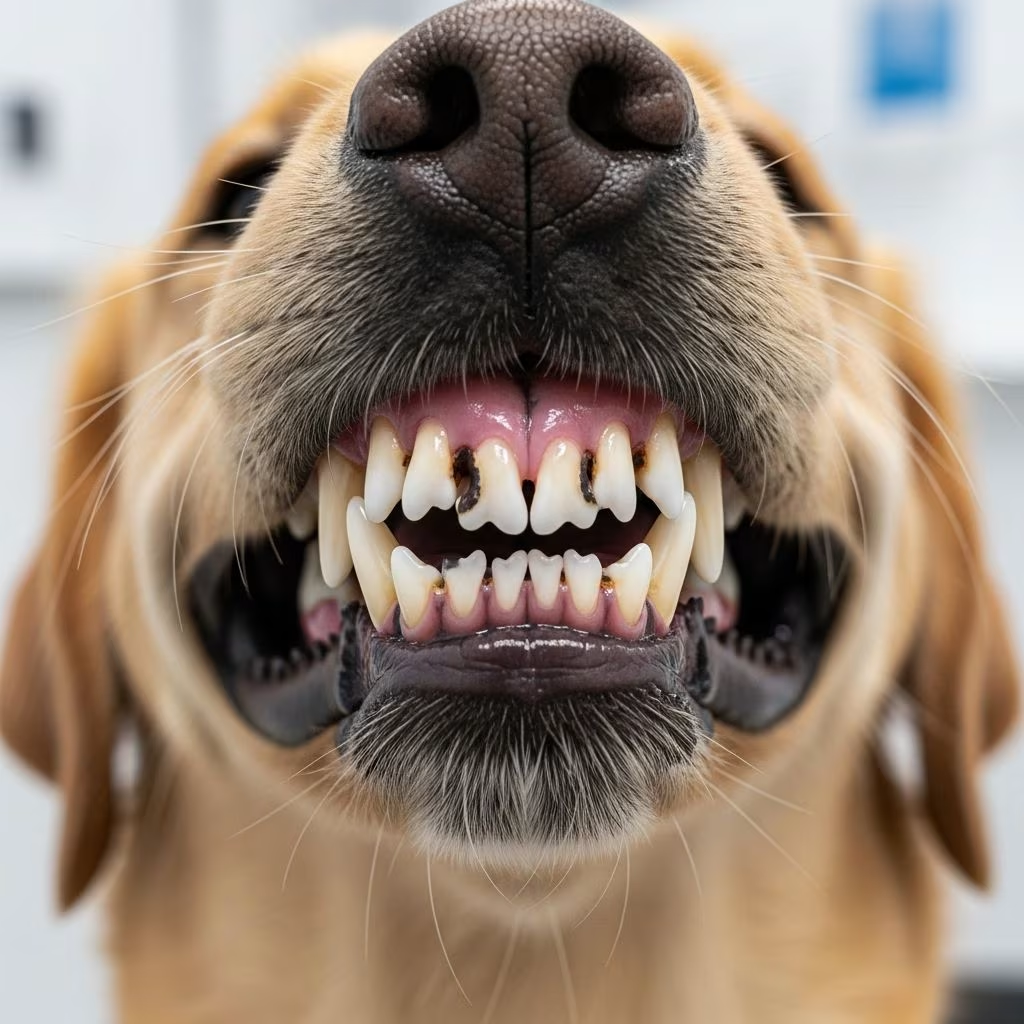
Dental caries, commonly known as tooth decay or cavities, represent a bacterial erosion of tooth structure in dogs, primarily driven by acid production from fermenting carbohydrates. While far less prevalent in canines than in humans, these lesions demand prompt attention to avert pain, infection, and tooth loss.
Why Dogs Experience Fewer Cavities Than Humans
Canine oral physiology offers natural defenses against rampant caries. Dog saliva maintains a higher pH, averaging 7.5, which neutralizes acids more effectively than human saliva at 6.5. Teeth feature conical shapes and broader interdental spaces, minimizing food trapping. Diets typically contain fewer fermentable carbs, and salivary amylase levels are lower, reducing starch breakdown into sugars that fuel bacteria.
Despite these advantages, certain conditions promote decay. High-carbohydrate treats or foods exacerbate risk, especially if lodged in vulnerable areas. Breeds like Labrador Retrievers and German Shepherds show higher incidence in maxillary first molars due to deep occlusal pits.
How Bacterial Action Leads to Cavities
Caries initiate when cariogenic bacteria in plaque ferment dietary sugars, releasing acids that demineralize enamel. This inorganic breakdown progresses to dentin, creating soft, cavitated lesions. If unchecked, decay invades the pulp, triggering endodontic disease with potential abscesses or fractures.
Lesions classify by site: pit-and-fissure (most common in dog molars), smooth-surface, or root-surface. Occlusal pits on upper molars trap debris, fostering bacterial growth until enamel collapses, often revealing extensive damage.
Recognizing Early Warning Signs
- Visual cues: Brown to black spots on chewing surfaces, especially molars.
- Tactile indicators: Soft, sticky surfaces where explorers penetrate and produce a ‘tugback’ or ‘ping’ sound.
- Behavioral changes: Excessive drooling, food dropping, reluctance to chew, bad breath, or appetite loss.
- Physical symptoms: Mouth swelling, bleeding, or discolored tartar buildup.
Owners might overlook subtle signs, mistaking them for plaque. Routine checks reveal these before pulp involvement.
High-Risk Areas and Breeds
Pit-and-fissure caries dominate, targeting maxillary first molar occlusal tables. Deep cuspal pits, visible in young dogs, invite carbohydrate impaction. Large breeds face elevated risk, with bilateral symmetry common, suggesting dietary or genetic factors.
| Risk Factor | Description | Examples |
|---|---|---|
| Breed Predisposition | Large dogs with pronounced molar pits | Labrador Retriever, German Shepherd |
| Dietary Influence | High fermentable carb intake | Sugary treats, soft foods |
| Anatomic Features | Deep occlusal fissures | Maxillary M1 pits |
| Pre-existing Conditions | Poor hygiene, periodontal disease | Tartar accumulation |
Affected dogs risk recurrent lesions, necessitating vigilant monitoring.
Professional Diagnosis Techniques
Veterinarians employ comprehensive exams during spay/neuter or routine visits. Sharp explorers probe pits for stickiness, confirming decay. Intraoral radiographs assess pulp involvement, guiding therapy. Early detection in recently erupted teeth allows sealants; advanced cases require deeper evaluation.
Treatment Options for Canine Cavities
Restorative dentistry mirrors human protocols but adapts to veterinary constraints. Small, treatable lesions undergo:
- Cavity preparation: High-speed burs excise decayed tissue until firm dentin remains.
- Pulp assessment: Radiographs check for endodontic spread; root canal if needed.
- Restoration: Bonded composites seal and contour the tooth, preventing reinfection.
Advanced caries with pulp exposure or structural loss mandate extraction. Post-treatment, fluoride applications deter recurrence.
Case Insight: A medium occlusal caries on a dog’s maxillary M1 appears as a dark pit. Preparation reveals clean margins, followed by a durable filling, restoring function without extraction.
Preventive Strategies for Lifelong Oral Health
Proactive care minimizes caries risk:
- Home hygiene: Daily brushing with enzymatic toothpaste, prioritizing molars.
- Diet management: Favor dry kibble over wet or sugary foods to reduce plaque.
- Sealants: Apply to deep pits in young permanent teeth.
- Fluoride therapy: Sparse stannous fluoride on at-risk surfaces biweekly; avoid excess to prevent toxicity.
- Professional cleanings: Annual comprehensive oral hygiene and assessment (COHAT).
Integrate these with periodontal monitoring, as decay often coexists with gum disease.
Caries vs. Other Dental Issues
| Condition | Key Features | Differentiation |
|---|---|---|
| Caries | Cavitated, soft brown/black lesions; bacterial acid erosion | Explorer sticks; radiographically distinct from wear |
| Periodontal Disease | Gingival inflammation, pockets, bone loss | Affects supporting structures, not enamel primarily |
| Attrition/Abrasion | Wear facets, no cavitation | Hard surfaces, no ‘tugback’ |
| Fractures | Chips or cracks, exposed dentin | Trauma history, linear vs. cavitated |
Accurate diagnosis prevents mis treatment.[10]
FAQs on Dog Tooth Decay
Can all dogs get cavities?
Yes, though uncommon; any breed or size can develop them, especially with poor hygiene or carb-heavy diets.
Is caries painful for dogs?
Often silent until advanced; subtle signs like chewing changes indicate discomfort.
How often should I check my dog’s teeth?
Daily at home; professional exams yearly or biannually for at-risk pets.
Can diet alone prevent cavities?
Diet helps, but combine with brushing and vet care for best results.
What if my dog has a cavity?
Seek veterinary dentistry promptly; restorations save teeth when caught early.
Long-Term Management and Monitoring
Dogs with caries history require tailored plans: quarterly fluoride, diet audits, and imaging. Owners track symptoms via photo journals. Early intervention preserves quality of life, averting systemic issues from chronic infection.
Over 80% of dogs over three face some dental disease, underscoring holistic care’s importance.[10]
References
- Dental caries in the dog — PMC/NCBI. 2009-11-01. https://pmc.ncbi.nlm.nih.gov/articles/PMC2777300/
- Dental Caries in Small Animals — Merck Veterinary Manual. 2023-07-24. https://www.merckvetmanual.com/digestive-system/dentistry-in-small-animals/dental-caries-in-small-animals
- Cavities in Dogs: Yes, They Get Them Too — Montana Pet Dentist. 2023-01-15. https://montanapetdentist.com/do-dogs-get-cavities/
- Pet dental care — American Veterinary Medical Association (AVMA). 2024-02-01. https://www.avma.org/resources-tools/pet-owners/petcare/pet-dental-care
- Dental Disease in Dogs — VCA Animal Hospitals. 2024-01-10. https://vcahospitals.com/know-your-pet/dental-disease-in-dogs



