

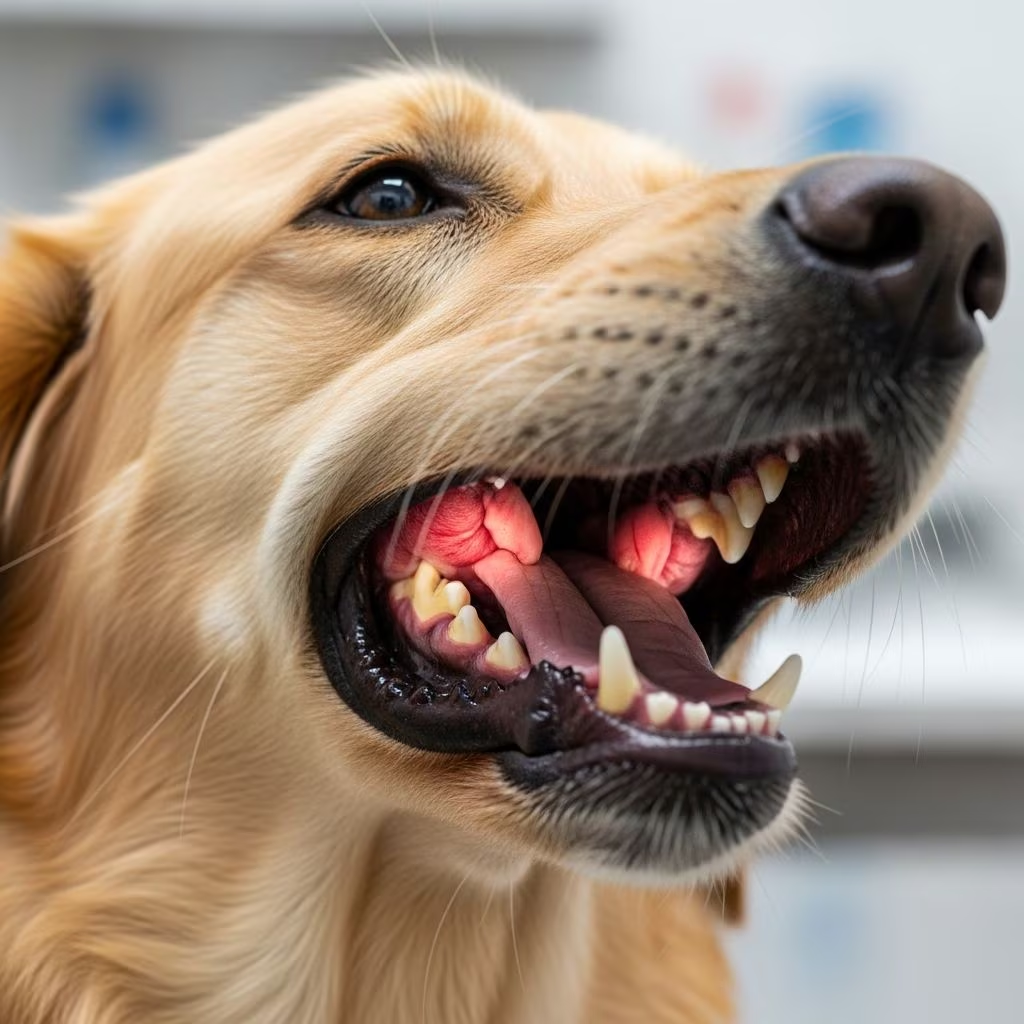
Tonsillitis refers to the inflammation of the tonsils, paired lymphoid tissues located at the back of a dog’s throat that play a key role in immune defense against ingested pathogens. While not as prevalent as other respiratory issues, it can cause significant discomfort and requires prompt attention to prevent complications. This condition often stems from secondary factors rather than standing alone, affecting dogs of various ages but more commonly young ones or those with predisposing health problems.
The Anatomy of Canine Tonsils and Their Importance
Dogs possess tonsils similar to humans, positioned in the oropharynx to trap bacteria and viruses entering via the mouth or nose. These structures produce antibodies and immune cells, aiding in early infection combat. When inflamed, they swell, become visible as reddish masses, and impair normal swallowing and breathing. Unlike in humans where tonsillectomy is routine, canine tonsils are rarely removed due to their protective function, reserved only for chronic, unresponsive cases.
Maintaining tonsil health contributes to overall respiratory and oral wellness. Breeds with brachycephalic (short-nosed) features or small dogs may be more prone due to anatomical constraints that promote bacterial buildup.
Primary Causes Behind Tonsillitis in Canine Patients
Tonsillitis in dogs is typically secondary, arising from underlying issues that allow pathogens to proliferate. Key triggers include:
- Bacterial invasions: Pathogens like Streptococcus, Staphylococcus, and Bordetella dominate, often spreading from oral infections or dental plaque accumulation.
- Viral contributors: Agents such as parainfluenza, adenovirus, herpesvirus, distemper, or parvovirus can initiate or exacerbate inflammation by targeting the lymphatic system.
- Dental pathologies: Periodontal disease, tartar buildup, and gum infections create bacterial reservoirs that migrate to the tonsils, a frequent culprit in adult dogs.
- Foreign irritants: Lodged objects like bone fragments, sticks, or splinters cause mechanical trauma and secondary infection.
- Allergic responses: Environmental allergens including pollen, dust, or food sensitivities provoke immune-mediated swelling.
- Systemic factors: Chronic coughing, vomiting, immune deficiencies, or tumors obstruct airways, fostering chronic tonsillitis.
Primary tonsillitis, without an obvious trigger, is rarer and mostly seen in young dogs with immature immune systems.
Recognizing the Signs: Symptoms to Monitor in Your Dog
Early detection hinges on observing behavioral and physical changes. Symptoms vary by severity but commonly manifest as:
- Difficulty or pain when swallowing, leading to gagging, retching, or refusal of food and water.
- Excessive salivation, sometimes blood-tinged, from irritation.
- Foul-smelling breath (halitosis) indicating bacterial overgrowth.
- Persistent dry or productive cough, worsening at night or with excitement.
- Elevated body temperature (fever above 102.5°F or 39.2°C).
- Lethargy, reduced activity, and appetite loss, potentially causing dehydration and weight decline.
- Visible red, enlarged tonsils upon gentle mouth inspection, often with swollen nearby lymph nodes.
In severe instances, voice changes (hoarse bark), neck stiffness, or respiratory distress signal urgency for veterinary intervention. Owners might notice pawing at the mouth or head shaking.
How Veterinarians Diagnose Tonsillitis
Diagnosis begins with a thorough history review, focusing on symptom onset, diet, dental care, and recent exposures. Physical exams involve:
- Oral cavity inspection using a light and depressor to visualize tonsils for color, size, and exudate.
- Palpation of submandibular lymph nodes for enlargement.
- Temperature, respiratory rate, and hydration assessment.
Advanced tests may include:
| Test | Purpose | When Used |
|---|---|---|
| Throat swabs/cultures | Identify specific bacteria for targeted antibiotics | Recurrent or non-responsive cases |
| Blood panels (CBC, chemistry) | Detect infection, inflammation, or systemic issues | Suspected viral/immune involvement |
| Radiographs or endoscopy | Rule out foreign bodies, tumors, or abscesses | Persistent symptoms |
| Dental exam/X-rays | Assess periodontal disease contribution | Adults with halitosis |
These steps ensure accurate identification of primary versus secondary tonsillitis, guiding therapy.
Treatment Strategies: From Medications to Surgical Options
Treatment targets the root cause while alleviating symptoms. Most cases resolve with conservative measures within 7-14 days.
- Antimicrobial therapy: Broad-spectrum antibiotics like penicillins for 2-3 weeks; culture-guided if resistant.
- Anti-inflammatories and analgesics: NSAIDs (e.g., meloxicam) or corticosteroids reduce swelling and pain.
- Supportive care: IV fluids for dehydration, soft/warm diets, humidifiers for cough relief.
- Addressing primaries: Dental cleanings, allergy management, or foreign body removal.
- Tonsillectomy: Rare, for recurrent/chronic cases unresponsive to meds; performed under general anesthesia with low complication rates post-op.
Hospitalization is needed for severe dysphagia or distress. Follow-up exams confirm resolution.
Preventive Measures to Safeguard Your Dog’s Throat Health
Proactive steps minimize risk:
- Daily teeth brushing with enzymatic toothpaste and routine vet dental checks.
- Vaccinations against distemper, parvo, and respiratory viruses.
- Avoiding irritants like bones, sticks, or smoke exposure.
- Balanced diet supporting immunity; probiotics for gut-throat axis health.
- Monitor for allergies with hypoallergenic foods if prone.
- Annual wellness exams for early detection.
These habits reduce secondary tonsillitis incidence significantly.
Potential Complications and Prognosis
Untreated tonsillitis risks abscesses, pneumonia, or sepsis. Prognosis excels with early care—over 90% full recovery. Chronic cases may recur without source control, but tonsillectomy yields lasting relief.
Monitor post-treatment for relapse; most dogs resume normalcy swiftly.
Frequently Asked Questions (FAQs)
Can tonsillitis in dogs be contagious to humans?
Rarely; most bacterial strains are species-specific, though shared environments warrant hygiene.
How long does recovery take?
Typically 1-2 weeks with antibiotics; longer for surgical cases.
Is tonsillectomy safe for dogs?
Yes, when indicated; complications under 5%, with tonsils non-essential long-term.
What home remedies help a dog with tonsillitis?
Humidified air, soft foods, and hydration; avoid OTC meds—vet approval essential.
Why do small breeds get tonsillitis more?
Crowded oral anatomy promotes bacterial trapping.
References
- Tonsillitis in Dogs: Causes, Symptoms, and Treatment — PetCareRx. 2023. https://www.petcarerx.com/article/tonsillitis-in-dogs-causes-symptoms-and-treatment/6741
- Tonsillitis In Dogs | Causes, Symptoms & Treatment — Agria Pet Insurance. 2024. https://www.agriapet.co.uk/guides-and-advice/tonsillitis-in-dogs/
- Tonsillitis in Pets — Mission Veterinary Clinic. 2023. https://missionvet.com/tonsillitis-in-pets/
- Tonsillitis — A Pet’s Place of Clearwater. 2022. https://www.apetsplaceofclw.com/faq/pets-knowledge-education/89-tonsilitis
- Tonsillitis — Eastview Animal Wellness LLC. 2023. https://eastviewanimalwellness.com/education/canine-articles/canine_tonsillitis/
- Tonsillitis in Dogs and Cats – Respiratory System — Merck Veterinary Manual. 2024-02-24. https://www.merckvetmanual.com/respiratory-system/respiratory-diseases-of-small-animals/tonsillitis-in-dogs-and-cats
- Tonsillitis in Dogs — VCA Animal Hospitals. 2024. https://vcahospitals.com/know-your-pet/tonsillitis-in-dogs



