

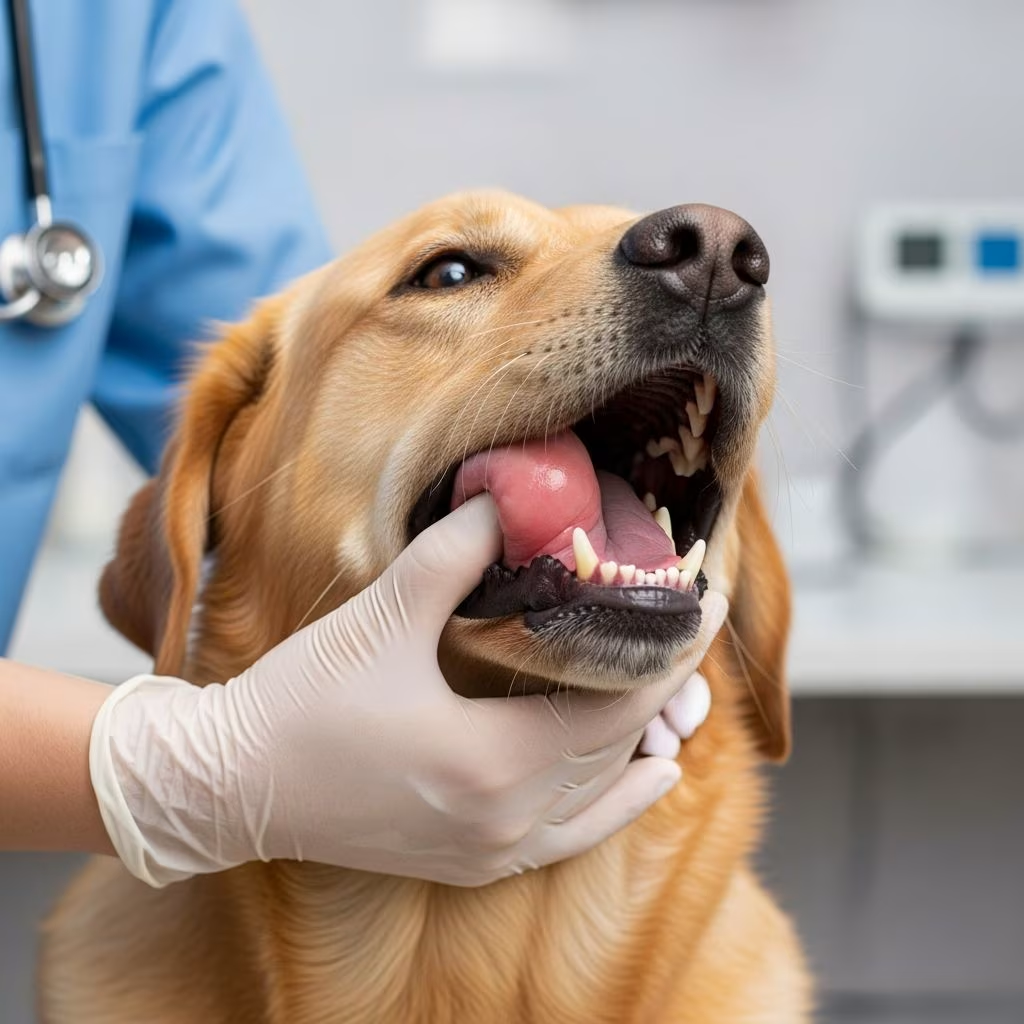
Tonsillitis occurs when the tonsils, small lymphoid tissues at the back of a dog’s throat, become inflamed due to infection or irritation. This condition is often secondary to other health issues but can significantly affect a dog’s comfort and appetite. Early recognition and veterinary intervention are crucial for resolution.
The Anatomy of Canine Tonsils
Dogs possess paired tonsils located in the caudal oropharynx, functioning as the first line of defense against ingested or inhaled pathogens by trapping bacteria and viruses. Unlike humans, canine tonsils are typically not visible unless inflamed, enlarging to become reddened and prominent. These structures are part of the immune system, producing antibodies and white blood cells to combat infections.
In healthy dogs, tonsils remain small and unobtrusive. Inflammation causes swelling, which can obstruct the airway or lead to secondary complications like abscesses. Understanding this anatomy helps owners identify when professional care is needed.
Primary Causes of Tonsillitis
Tonsillitis in dogs rarely develops in isolation; it usually stems from underlying conditions that allow bacterial proliferation in the throat.
- Bacterial Infections: The most frequent trigger, involving pathogens like Streptococcus, Staphylococcus, or Bordetella. These bacteria often spread from oral infections or respiratory tract issues.
- Viral Infections: Viruses such as canine parainfluenza, adenovirus, herpesvirus, distemper, or parvovirus can inflame tonsils by targeting the lymphatic system.
- Dental Disease: Periodontal issues and tartar buildup create bacterial reservoirs that migrate to the tonsils, a common precursor in small breeds.
- Foreign Bodies or Trauma: Lodged plant fibers, bones, sticks, or tumors irritate one or both tonsils, potentially forming tonsil stones or abscesses.
- Other Factors: Allergies to pollen or dust, chronic coughing (e.g., bronchitis), vomiting, regurgitation from esophageal disorders, or immune deficiencies contribute less commonly.
Brachycephalic breeds (flat-faced dogs) and small breeds are predisposed due to anatomical constraints and frequent oral issues.
Recognizing Symptoms Early
Symptoms vary by severity and cause but often manifest suddenly, prompting owners to seek care. Key signs include:
| Symptom | Description | Associated Risks |
|---|---|---|
| Difficulty Swallowing (Dysphagia) | Painful or reluctant swallowing leads to reduced eating and potential weight loss | Dehydration, malnutrition |
| Excessive Drooling | Clear or blood-tinged saliva from throat irritation | Sign of acute inflammation |
| Halitosis (Bad Breath) | Foul odor from bacterial overgrowth | Indicates infection |
| Coughing or Gagging | Dry or productive cough, worsening with activity | May spread to trachea |
| Fever and Lethargy | Elevated temperature, reluctance to play or move | Systemic infection marker |
| Swollen Lymph Nodes/Throat | Visible neck enlargement | Secondary lymph involvement |
| Red, Enlarged Tonsils | Observable on gentle mouth opening | Direct visual cue |
Owners may notice voice changes or retching. Chronic cases present with recurrent episodes. Prompt observation prevents escalation.
Veterinary Diagnosis Process
Diagnosis begins with a thorough physical exam, focusing on oral cavity inspection for inflamed tonsils, which appear swollen and hyperemic. Veterinarians assess for underlying issues like dental plaque or foreign objects.
- Additional Tests: Bloodwork for infection markers, bacterial cultures for antibiotic sensitivity if unresponsive to initial therapy, radiographs for airway obstructions or tumors.
- Differential Diagnosis: Rule out laryngitis, pharyngitis, abscesses, or neoplasia via endoscopy or biopsy if chronic.
Small breeds and those with comorbidities require comprehensive evaluation. Early diagnosis improves outcomes significantly.
Treatment Strategies
Treatment targets the root cause while alleviating symptoms. Most cases resolve with conservative measures.
Medical Management
- Antibiotics: Broad-spectrum for 2-3 weeks (e.g., targeting Streptococcus), adjusted via culture if needed.
- Anti-Inflammatories and Pain Relief: NSAIDs like meloxicam or corticosteroids (e.g., prednisolone) reduce swelling and discomfort.
- Supportive Care: IV or subcutaneous fluids for hydration, soft/wet diets to ease swallowing.
- Underlying Issue Resolution: Dental cleanings, allergy management, or treatment of vomiting/cough sources.
Surgical Options
Tonsillectomy is reserved for refractory, recurrent, or tumor-associated cases, as tonsils aid immunity. It’s uncommon but effective when airflow is compromised. Post-op recovery involves pain management and monitoring.
Success rates are high with tailored protocols; recurrence drops post-addressing primaries.
Preventive Measures for Long-Term Health
Proactive steps minimize risks:
- Regular dental hygiene: Brushing, dental chews, professional cleanings.
- Vaccinations against viral culprits like distemper and parvo.
- Monitor for foreign objects; supervise play with sticks/bones.
- Allergy control: Hypoallergenic diets, environmental management.
- Annual vet checkups for early detection in predisposed breeds.
A healthy lifestyle bolsters immunity, reducing secondary tonsillitis incidence.
FAQs on Canine Tonsillitis
Can tonsillitis be fatal in dogs?
Rarely, if untreated and complicated by pneumonia or sepsis, but most cases resolve with care.
Is tonsillectomy safe for dogs?
Yes, when indicated; low complication rates, quick recovery.
How long does recovery take?
7-14 days with medications; full resolution in weeks.
Do all dogs have visible tonsils?
No, only when inflamed.
Can home remedies help?
Supportive only (soft food, hydration); vet-prescribed treatments essential.
When to Seek Emergency Care
Rush to the vet if severe breathing distress, profuse bloody drool, collapse, or refusal to eat/drink for 24+ hours occurs. These signal airway compromise or dehydration.
Word count: 1678 (excluding metadata and references).
References
- Tonsillitis in Dogs: Causes, Symptoms, and Treatment — PetCareRx. 2023. https://www.petcarerx.com/article/tonsillitis-in-dogs-causes-symptoms-and-treatment/6741
- Tonsillitis — A Pet’s Place of Clearwater. 2024. https://www.apetsplaceofclw.com/faq/pets-knowledge-education/89-tonsilitis
- Tonsillitis in Dogs – Dog Owners — Merck Veterinary Manual. 2025-02-01. https://www.merckvetmanual.com/dog-owners/lung-and-airway-disorders-of-dogs/tonsillitis-in-dogs
- Tonsillitis — Eastview Animal Wellness LLC. 2023. https://eastviewanimalwellness.com/education/canine-articles/canine_tonsillitis/
- Tonsillitis In Dogs | Causes, Symptoms & Treatment — Agria Pet Insurance. 2024. https://www.agriapet.co.uk/guides-and-advice/tonsillitis-in-dogs/
- Tonsillitis in Dogs — VCA Animal Hospitals. 2025. https://vcahospitals.com/know-your-pet/tonsillitis-in-dogs



