

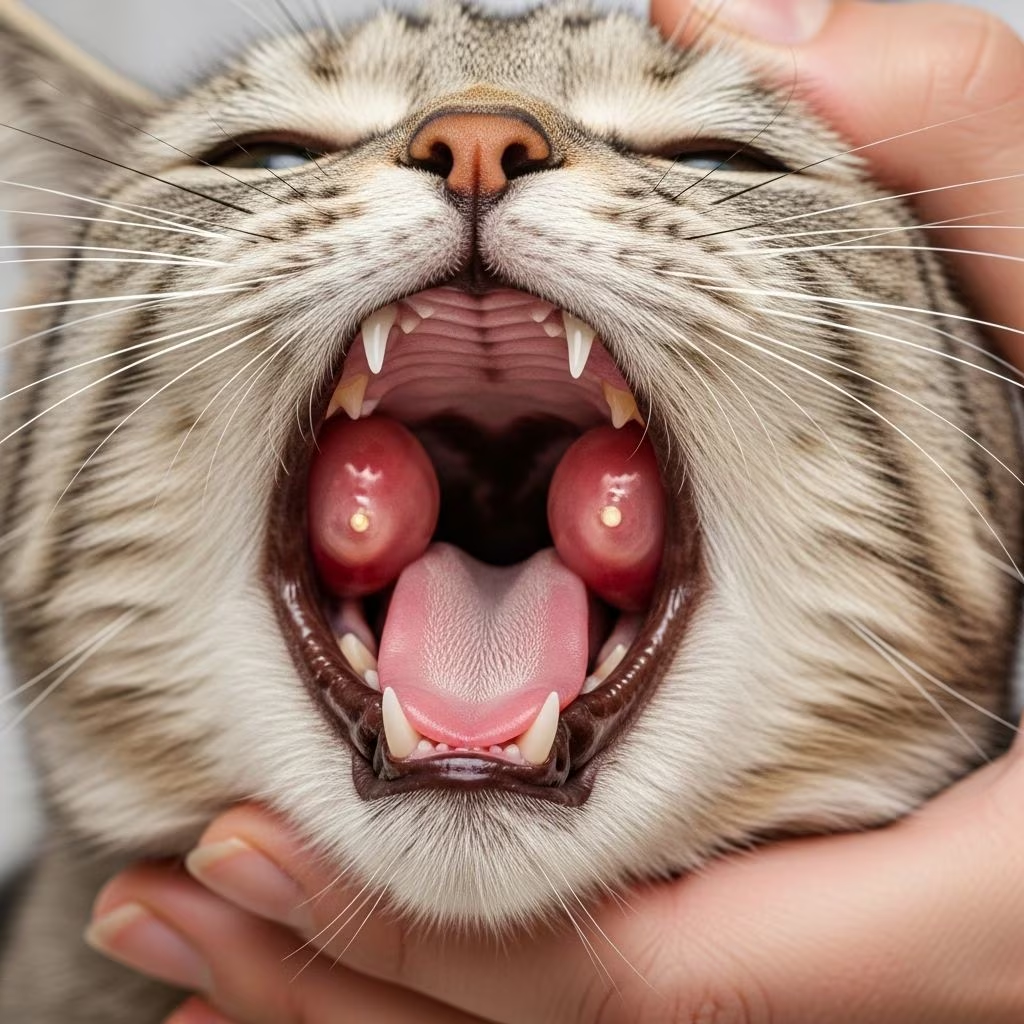
Tonsillitis occurs when the tonsils, small lymphoid tissues at the back of a cat’s throat, become inflamed, often due to infections or irritants. This condition, though not extremely common in felines, can cause significant discomfort and requires prompt veterinary attention to prevent complications.
What Are Tonsils and Their Role in Feline Health?
Tonsils act as the first line of defense in the immune system, trapping bacteria and viruses entering through the mouth or nose. In cats, these structures are located in the pharyngeal area and help initiate immune responses against pathogens. When overwhelmed, they swell and become a site of infection themselves, leading to tonsillitis.
Healthy tonsils remain small and inconspicuous, but inflammation causes them to enlarge, sometimes everting from their crypts, which can obstruct airflow or swallowing. Understanding this function helps owners recognize when these protective glands turn problematic.
Primary Causes of Tonsillitis in Felines
Tonsillitis in cats typically arises from secondary infections rather than standing alone. Key triggers include:
- Bacterial invasions: Pathogens like Streptococcus, Escherichia coli, and Staphylococcus aureus commonly colonize inflamed tonsils, often following viral entry points.
- Viral predispositions: Feline calicivirus and herpesvirus weaken throat tissues, allowing bacterial overgrowth. Immunosuppressive viruses like FeLV or FIV heighten susceptibility.
- Environmental and physical factors: Allergens, drafts, hypothermia, dental diseases, or foreign bodies such as grass seeds lodged in tonsillar fossae provoke inflammation.
- Systemic issues: Chronic respiratory or gastrointestinal conditions, mouth breathing, or vomiting lead to lymphoid hyperplasia and tonsillar enlargement.
These factors often interplay; for instance, a cat with poor oral health may develop tonsillitis from ascending infections.
Recognizing the Signs: Symptoms to Watch For
Early detection hinges on observing behavioral and physical changes. Common symptoms include:
- Throat pain manifesting as excessive drooling, reluctance to eat or drink, and dysphagia (difficulty swallowing).
- Respiratory issues like sneezing, coughing, snorting, runny nose, or watery eyes.
- Visible swelling in the throat, potentially causing noisy breathing or open-mouth respiration.
- Systemic effects such as lethargy, depression, weight loss, fever, and inappetence.
- Other indicators: hoarse meowing, gagging, retching, or orthopnea in severe cases.
| Symptom | Mild Cases | Severe Cases |
|---|---|---|
| Swallowing Difficulty | Hesitation with food | Complete refusal, drooling |
| Breathing Changes | Mild sneezing | Obstruction, orthopnea |
| Activity Level | Slight lethargy | Depression, immobility |
| Appetite | Reduced intake | Total anorexia, weight loss |
Owners should note that symptoms mimic upper respiratory infections, necessitating professional differentiation.
How Veterinarians Diagnose Feline Tonsillitis
Diagnosis begins with a thorough history and physical exam, focusing on throat visualization for swelling, redness, or discharge. Vets assess for underlying issues like dental disease or viral signs.
Advanced tools include:
- Cytology or culture from tonsillar swabs to identify bacteria.
- Imaging such as ultrasound for tissue details or ruling out abscesses.
- Biopsy in chronic or neoplastic suspicions.
- Blood tests for FeLV/FIV status or systemic inflammation.
Eliminating secondary causes ensures targeted therapy.
Treatment Strategies: From Medications to Surgery
Treatment targets the root cause while alleviating symptoms. Approaches vary by severity:
- Antibiotics: Broad-spectrum options like penicillins, Clavamox, or doxycycline for bacterial cases; culture-guided if refractory.
- Anti-inflammatories and pain relief: Corticosteroids (e.g., prednisolone, dexamethasone) reduce swelling; analgesics ease discomfort.
- Supportive measures: Soft/liquid diets, hydration via fluids, warm resting areas, and stress minimization.
- Surgical intervention: Tonsillectomy for recurrent, obstructive, or non-responsive tonsillitis.
- Immune support: Supplements for compromised cats.
Most cases resolve with 7-14 days of therapy, but compliance is key.
Home Care Tips for Recovery and Comfort
Complement vet care with:
- Offering warmed, palatable soft foods like pate or broth to encourage eating.
- Ensuring hydration; use fountains or syringe-feeding if needed.
- Maintaining a humid, draft-free environment to soothe airways.
- Monitoring weight and symptoms daily; isolate from other pets if infectious.
- Avoiding irritants like smoke or strong scents.
Never administer human medications without vet approval.
Preventing Tonsillitis: Proactive Steps for Cat Owners
Prevention focuses on bolstering immunity and hygiene:
- Vaccinate against calicivirus and herpesvirus.
- Schedule regular dental checkups to curb oral bacteria.
- Test and manage FeLV/FIV risks.
- Promote a balanced diet and stress-free home.
- Control allergens and monitor for foreign body ingestion.
Early intervention in respiratory illnesses curtails progression to tonsillitis.
Potential Complications and When to Seek Urgent Care
Untreated tonsillitis risks dehydration, aspiration pneumonia, peritonsillar abscesses, or chronic pharyngitis. Seek emergency care for breathing distress, persistent vomiting, or rapid weight loss.
Prognosis is excellent with timely treatment; surgery yields high success in recalcitrant cases.
Frequently Asked Questions (FAQs)
Can tonsillitis in cats be contagious to humans?
No, feline tonsillitis stems from species-specific pathogens and is not zoonotic.
How long does recovery take?
Typically 1-2 weeks with antibiotics; chronic cases may need longer.
Is tonsillectomy safe for cats?
Yes, when indicated, it’s a routine procedure with minimal risks.
Can diet cause tonsillitis?
Indirectly, via dental issues from poor nutrition, but not directly.
What if my cat won’t eat?
Contact your vet for appetite stimulants or assisted feeding.
References
- Feline Tonsillitis: Causes, Symptoms, and Treatment — PetCareRx. 2023. https://www.petcarerx.com/article/feline-tonsillitis-causes-symptoms-and-treatment/6614
- Tonsillitis in Pets — Mission Veterinary Clinic. 2024. https://missionvet.com/tonsillitis-in-pets/
- Pharyngitis / tonsillitis in Cats (Felis) — Vetlexicon. 2025-02-01. https://www.vetlexicon.com/felis/respiratory/articles/pharyngitis-tonsillitis/
- Sore throat in cats — kattovit. 2023. https://kattovit.com/en/blogs/katzengesundheit/halsentzuendung-katze
- Tonsillitis in Dogs and Cats – Respiratory System — Merck Veterinary Manual. 2024-10-15. https://www.merckvetmanual.com/respiratory-system/respiratory-diseases-of-small-animals/tonsillitis-in-dogs-and-cats
- Tonsillitis in Dogs and Cats – Respiratory System — MSD Veterinary Manual. 2024-10-15. https://www.msdvetmanual.com/respiratory-system/respiratory-diseases-of-small-animals/tonsillitis-in-dogs-and-cats



