

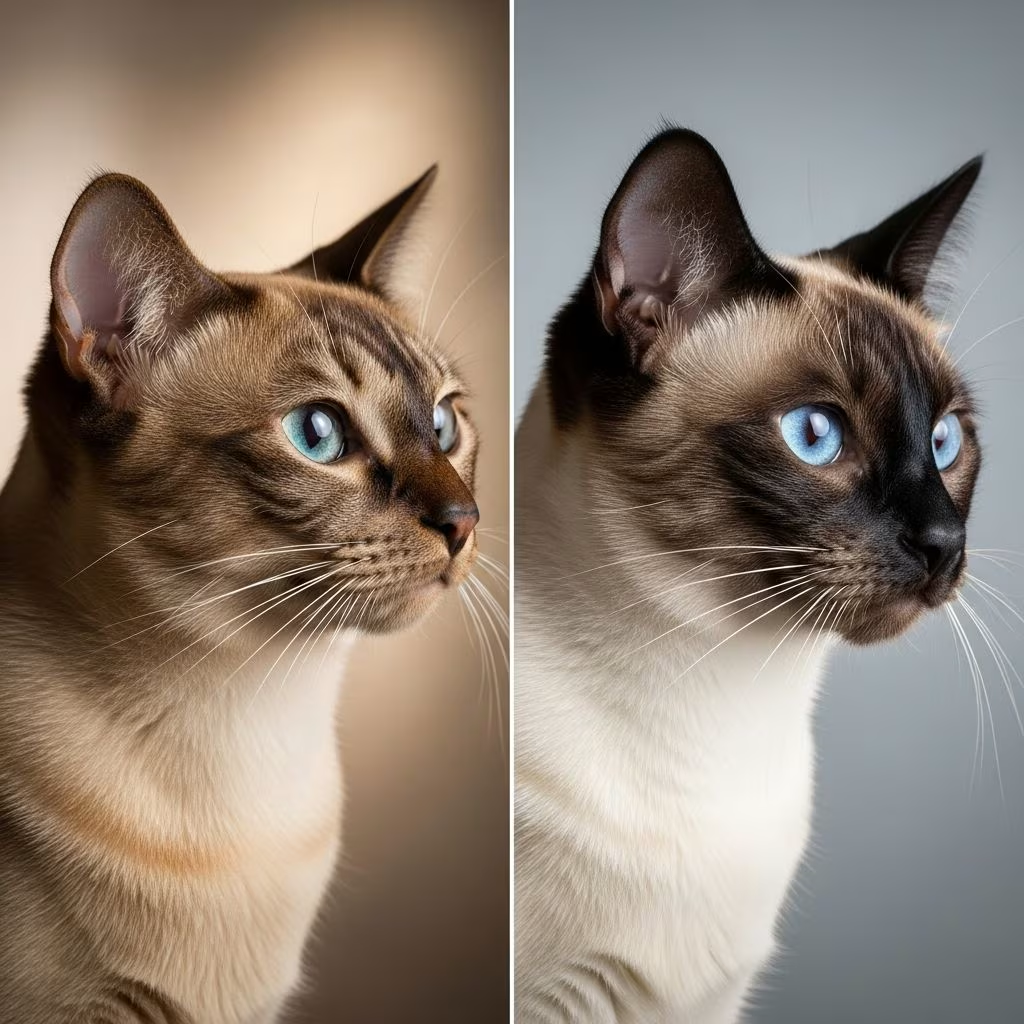
Both Tonkinese and Siamese cats captivate cat enthusiasts with their elegant forms and engaging personalities. Originating from distinct yet interconnected lineages, these breeds offer unique blends of playfulness, loyalty, and vocal charm. Understanding their differences in physical build, behavior, health predispositions, and care requirements helps prospective owners select the perfect match for their household.
Origins and Historical Background
The Siamese cat traces its roots to ancient Thailand, where it was revered in royal temples and palaces. Historical records from the late 19th century document these cats arriving in the West, quickly gaining fame for their striking features and sociable nature. Their slender elegance and blue eyes became symbols of sophistication among early breeders.
In contrast, the Tonkinese emerged more recently as a deliberate cross between Siamese and Burmese cats. This hybridization, popularized in the mid-20th century, aimed to combine the Siamese’s vocal expressiveness with the Burmese’s gentle playfulness. The result is a breed known for its balanced temperament and versatile coat patterns, earning it recognition from major cat registries by the 1970s.
These origins influence modern traits: Siamese retain a more aristocratic demeanor, while Tonkinese embody a hybrid vigor that enhances adaptability.
Physical Characteristics at a Glance
Siamese cats boast a lithe, elongated body that emphasizes grace and agility. Their wedge-shaped heads, large ears, and almond-shaped blue eyes create an alert, inquisitive expression. The short, fine coat features classic color points—darker ears, face, paws, and tail against a lighter body—ranging from seal to chocolate points.
Tonkinese cats present a more muscular, compact frame, blending Siamese sleekness with Burmese robustness. Their eyes vary in hue from blue to green or aqua, adding visual diversity. Coats come in pointed (like Siamese), solid (Burmese-like), or mink patterns, with soft, short fur in shades like platinum, natural, or blue.
| Feature | Siamese | Tonkinese |
|---|---|---|
| Average Length (body) | 15–20 inches | 12–15 inches |
| Average Weight | 6–14 pounds | 6–12 pounds |
| Eye Color | Blue | Blue, green, aqua |
| Coat Pattern | Pointed | Pointed, mink, solid |
| Build | Slender, elegant | Muscular, compact |
This table highlights how Tonkinese offer more variety in appearance, appealing to those seeking less uniformity.
Temperament and Personality Profiles
Siamese cats are renowned for their extroverted, demanding personalities. Highly intelligent and people-focused, they crave constant interaction, often shadowing owners and engaging in lengthy vocal exchanges. Their loud, raspy meows express needs, opinions, or boredom, making them ideal for attentive homes but challenging for busy schedules.
Tonkinese cats temper this intensity with Burmese-influenced gentleness. They chatter softly—sometimes likened to quacks—while displaying goofy, playful energy. Exceptionally friendly, they greet strangers warmly, excel with children, and thrive in multi-pet environments. Their retriever-like fetch behavior showcases trainability and affection without Siamese’s neediness.
- Siamese strengths: Loyal, interactive, elegant demeanor.
- Siamese challenges: Vocal demands, potential jealousy.
- Tonkinese strengths: Adaptable, fun-loving, family-oriented.
- Tonkinese challenges: Boredom leads to mischief.
Both breeds demand mental stimulation, but Tonkinese adapt better to alone time.
Health Considerations and Lifespan
Siamese cats average 8–15 years, prone to dental issues, respiratory conditions like asthma, heart disease, and gastrointestinal problems. Genetic predispositions include amyloidosis and vestibular disease; regular vet visits and dental care are essential.
Tonkinese mirror some Siamese vulnerabilities—heart issues, asthma, GI disorders—plus Burmese traits like hyperesthesia syndrome and retinal atrophy. Their lifespan spans 10–16 years, benefiting from hybrid robustness but requiring vigilant monitoring.
Common health tips for both:
- Annual checkups with bloodwork.
- Daily teeth brushing.
- Balanced diet to prevent obesity-related issues.
Reputable breeders screen for hereditary conditions, reducing risks.
Grooming and Daily Care Needs
Both breeds sport short coats needing minimal upkeep: weekly brushing reduces shedding and distributes oils. Siamese sleek fur minimizes grooming time, though their activity may tangle it slightly. Tonkinese softer coats benefit from slightly more frequent sessions.
Nail trims every 10–14 days, ear cleaning monthly, and dental hygiene prevent common woes. Interactive toys and scratching posts support their high energy, preventing destructive behaviors.
Activity Levels and Lifestyle Compatibility
Siamese demand rigorous play to channel their athleticism—laser pointers, puzzle feeders suit their clever minds. They dislike routine disruptions, preferring stable environments.
Tonkinese match this energy but with easier adaptability. They love climbing, fetching, and family antics, fitting apartments or homes with yards equally well. Both dislike prolonged solitude; consider companions for extended absences.
| Lifestyle Fit | Siamese Rating | Tonkinese Rating |
|---|---|---|
| Active Families | High | Very High |
| With Children | Medium | High |
| Multi-Pet Homes | Medium | High |
| Apartment Living | High | High |
| Independent Owners | Low | Medium |
Training Potential and Enrichment
Intelligence shines in both: Siamese excel at leash training and tricks but test boundaries. Tonkinese eagerness makes them responsive learners, mastering fetch or commands quickly.
Enrich with vertical spaces, window perches, and rotation of toys to combat boredom-induced antics.
Which Breed Suits Your Home?
Choose Siamese for a vocal, elegant companion if you offer undivided attention. Opt for Tonkinese for versatile, child- and pet-friendly joy in dynamic households.
Adopt from shelters or ethical breeders emphasizing health testing.
Frequently Asked Questions (FAQs)
Are Tonkinese quieter than Siamese?
Yes, Tonkinese have softer, chattier voices compared to the Siamese’s loud meows.
Which breed is better with kids?
Tonkinese generally handle children more patiently due to their playful Burmese heritage.
Do both breeds shed a lot?
No, their short coats shed minimally with regular brushing.
Can Siamese or Tonkinese live with dogs?
Both are dog-friendly with proper introductions.
How do I prevent health issues in these cats?
Prioritize vet care, dental routines, and quality nutrition.
References
- Tonkinese Cat Affection Compared to Siamese and Burmese — Pets4Homes. 2023. https://www.pets4homes.co.uk/pet-advice/is-the-tonkinese-cat-more-affectionate-than-the-siamese-and-the-burmese.html
- Tonkinese vs Siamese Cat: What’s The Difference? (With Pictures) — Catster. 2024-01-15. https://www.catster.com/cat-breeds/tonkinese-vs-siamese-cat/
- Siamese Vs Tonkinese Cat: What Are The Differences — YouTube (Video Transcript). 2023-05-10. https://www.youtube.com/watch?v=CIYoJ8UV-UA



