

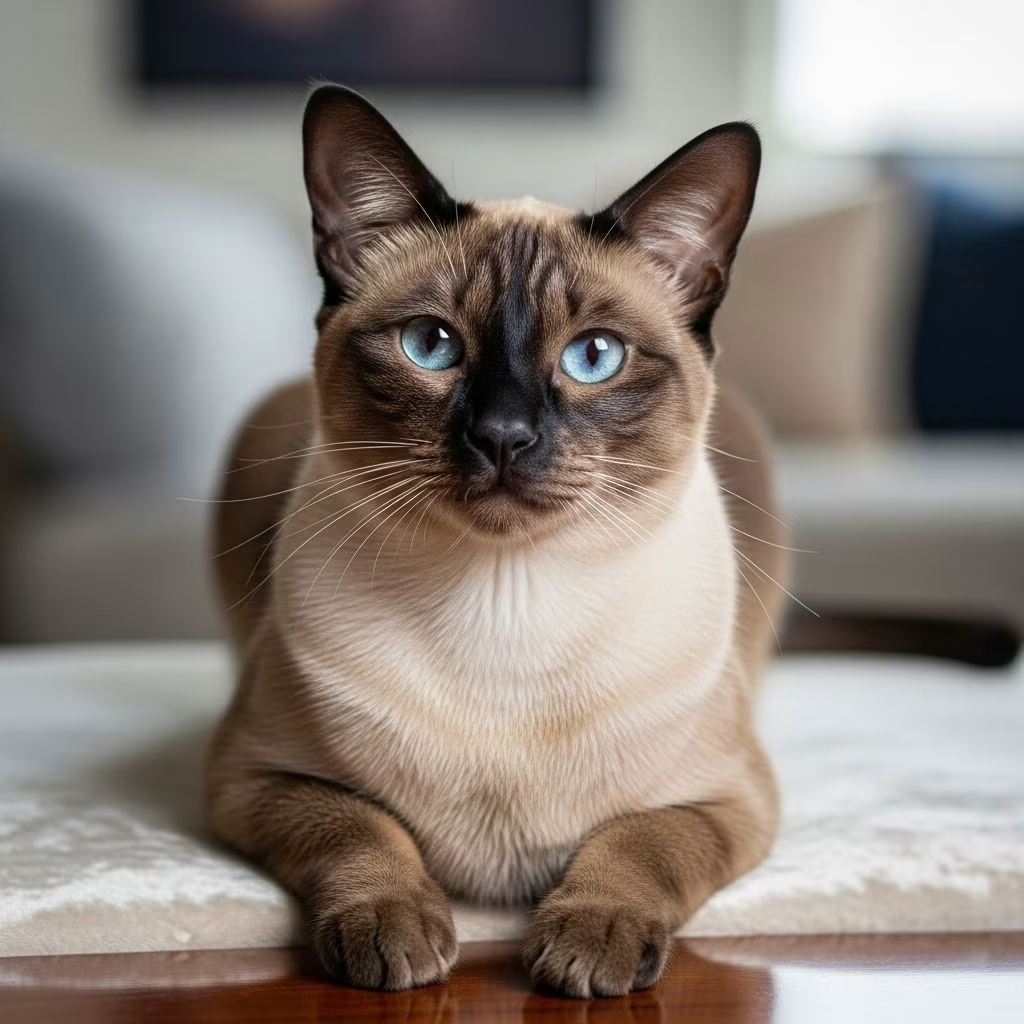
Tonkinese cats blend the elegance of Siamese with the warmth of Burmese, creating a medium-sized feline renowned for its athletic build, silky coat, and engaging personality. These cats thrive in interactive homes, offering loyalty and playfulness that captivate owners.
Distinctive Physical Features
The Tonkinese boasts a balanced, muscular frame that feels heavier than its sleek appearance suggests. Its body is neither overly slender like some Orientals nor compact, striking an ideal midpoint for agility and strength.
Key traits include:
- Head and Face: Gently rounded wedge shape with high cheekbones, a blunt muzzle, and large almond-shaped eyes in shades from aqua blue to green-gold, varying by coat pattern.
- Ears: Moderately large, broad-based, and set wide for an alert expression.
- Body and Limbs: Long, lean torso with slender yet strong legs, oval paws, and a tapering tail proportionate to the frame.
- Coat: Short, fine, and silky with a lustrous sheen; low-shedding and easy to maintain.
| Coat Pattern | Description | Eye Color |
|---|---|---|
| Pointed | Darker points on ears, face, paws, tail against lighter body | Blue |
| Mink | Even shading with subtle contrast, elegant glow | Aqua or blue-green |
| Solid/Sepia | Uniform color throughout | Green to gold |
Colors span champagnes, blues, platinums, and naturals, with mink patterns offering a signature shimmer.
Personality and Behavioral Traits
Tonkinese cats are gregarious, intelligent companions who demand involvement in family life. They possess sharp memories, learn tricks readily, and sense owner moods, often purring comfortingly during tough days.
Expect these behaviors:
- Highly social and affectionate, preferring laps and shoulders as perches.
- Vocal with a soft, duck-like quack softer than Siamese meows.
- Playful fetchers and jumpers, mimicking dog-like antics.
- Curious explorers needing enrichment to avoid boredom.
They adapt well to other pets but dislike solitude, suiting active households over empty homes.
Origins and Breeding History
Bred from Siamese-Burmese crosses in the mid-20th century, Tonkinese aimed to merge vocal elegance with solid affection. Early efforts in Canada and the US refined the intermediate type, gaining CFA recognition for its balanced appeal.
Selective breeding emphasized health and temperament, yielding a robust breed without extremes.
Health Considerations and Lifespan
Tonkinese typically live 12-16 years with proper care, inheriting vitality from parents but prone to:
- Pyruvate kinase deficiency (PKD), a genetic anemia.
- Dental issues and amyloidosis from Siamese lines.
- Obesity if under-exercised.
Annual vet checks, dental care, and balanced diets mitigate risks. Reputable breeders screen for genetics.
Daily Care and Grooming Routines
Low-maintenance coats require weekly brushing to enhance sheen and reduce loose fur. Provide scratching posts, climbing trees, and puzzle toys for mental stimulation.
Nutrition: High-protein wet foods support muscle; portion control prevents weight gain.
Litter and Environment: Spacious indoor areas with perches; they tolerate outdoors if secure.
Training and Enrichment Strategies
Intelligence shines in training: teach fetch, leash walking, or commands using positive reinforcement. Interactive sessions curb mischief.
Daily play mimics hunting, channeling energy into laser chases or wand toys.
Ideal Homes and Family Compatibility
Best for experienced owners offering time and calm settings. Excellent with children and pets, but not for aloof households.
| Lifestyle Fit | Suitability |
|---|---|
| Active Families | Excellent |
| Singles (Home Often) | Good |
| Frequent Travelers | Poor |
| Multi-Pet Homes | Very Good |
Frequently Asked Questions
Are Tonkinese cats good for apartments?
Yes, with ample vertical space and play, though they crave interaction.
How vocal are Tonkinese?
Moderately; sweet chirps rather than loud yowls.
Do they shed much?
Minimally; weekly brushing suffices.
Can Tonkinese be left alone?
Prefer company; pair with another pet if needed.
What’s the best food for Tonkinese?
Protein-rich formulas supporting lean muscle.
Tonkinese cats deliver endless joy through their blend of beauty, brains, and bonding. Committing to their needs ensures a rewarding partnership.
References
- The Vet’s Guide to Tonkinese Cats: Facts, Care, and Training Tips — Vets Love Pets. 2023-05-15. https://vetslovepets.com.au/blogs/cat/tonkinese-breed-guide
- Tonkinese Cat Breed Information — Purina UK. 2024-02-10. https://www.purina.co.uk/find-a-pet/cat-breeds/tonkinese
- Tonkinese Breed Standard — Cat Fanciers’ Association. 2025-01-01. https://cfa.org/breed/tonkinese/
- Tonkinese cat — Wikipedia. 2025-11-20. https://en.wikipedia.org/wiki/Tonkinese_cat
- Tonkinese Cats: Traits & Characteristics — Bailey’s CBD. 2024-08-05. https://baileyscbd.com/blogs/cat-breeds/traits-and-characteristics-of-tonkinese-cats
- What to Know About a Tonkinese Cat — WebMD. 2024-03-12. https://www.webmd.com/pets/cats/what-to-know-about-tonkinese-cat
- Tonkinese Cat Breed Health and Care — PetMD. 2025-06-18. https://www.petmd.com/cat/breeds/tonkinese



