
Why Toilet Training Your Cat May Harm Their Well-being
Discover why veterinarians warn against toilet training and what healthier alternatives exist for your feline friend.
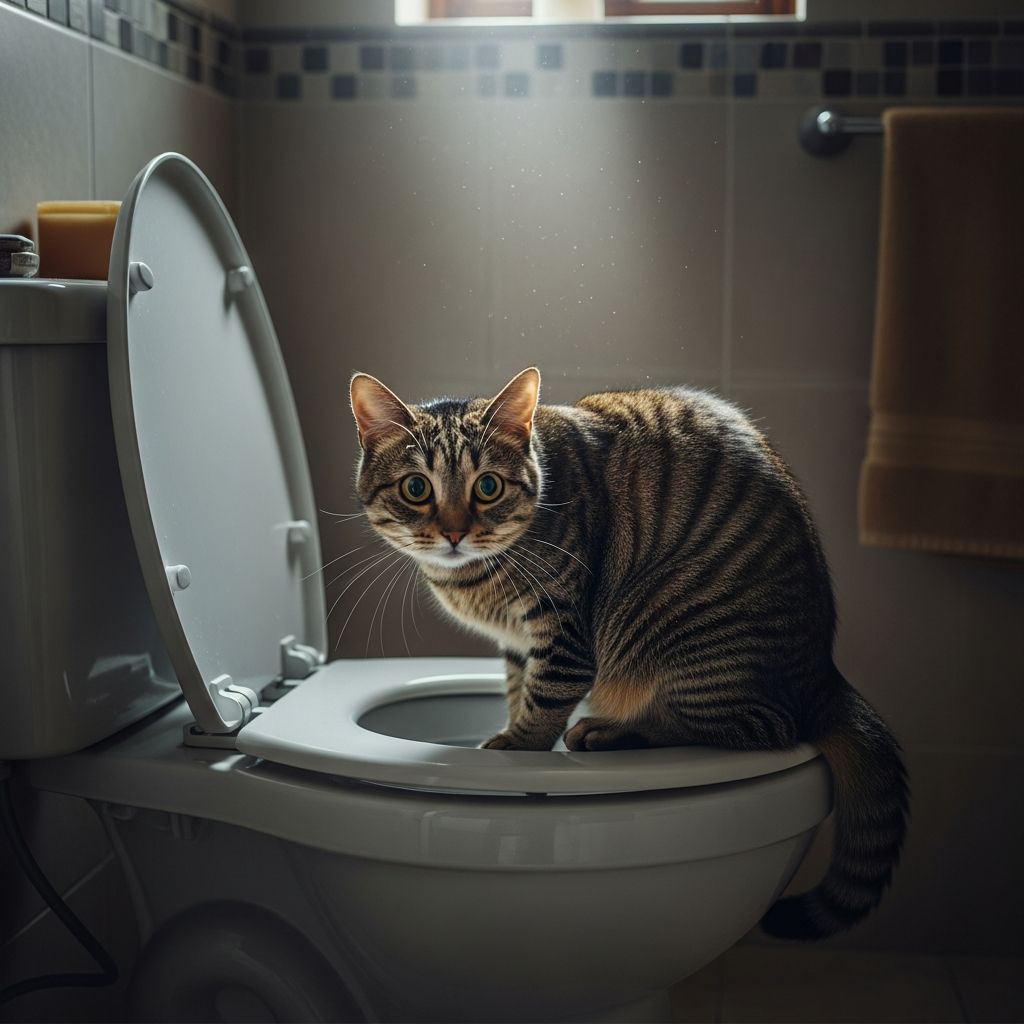
The idea of a toilet-trained cat appeals to many pet owners seeking convenience and cleanliness. However, what seems like an innovative solution for reducing litter-related chores may actually compromise your feline companion’s physical health and emotional stability. Veterinary professionals and feline behavior specialists increasingly caution against this practice, citing numerous concerns that extend far beyond simple inconvenience.
Understanding Feline Instinct and Evolutionary Biology
Cats have evolved over thousands of years to perform specific elimination behaviors that are hardwired into their biology. The act of burying waste is not merely a habit—it represents a fundamental survival mechanism rooted in their evolutionary past. When cats dig, scratch, and cover their waste, they are engaging in behaviors that helped their ancestors avoid detection by predators and maintain territory cleanliness.
When you remove a cat’s ability to bury their waste by training them to use a toilet, you’re essentially overriding millions of years of evolutionary programming. This disruption creates a psychological conflict within your cat, even if they appear to cooperate with the training process. The desire to perform these instinctual behaviors remains, but the opportunity to fulfill them is eliminated, creating an internal tension that manifests in various behavioral and health problems.
Physical Strain and Injury Risks
Toilets are engineered for human anatomy, not feline physiology. The toilet seat presents a hostile environment for cats in multiple ways. The smooth, slippery plastic surface offers no stable footing, and the large opening in the center creates a legitimate hazard. Cats must carefully balance on all four legs while maintaining an awkward posture that leaves them vulnerable to slipping and falling into the water below.
The physical demands of toilet use can cause legitimate discomfort and injury. A frightening fall into toilet water can traumatize a cat, creating long-lasting fear responses that may prevent them from using the toilet altogether—or worse, cause them to seek alternative, inappropriate locations for elimination. Even without a fall, the constant physical strain of maintaining balance on an unstable surface during what should be a natural, comfortable process creates unnecessary stress on your cat’s body.
Compromised Health Monitoring Through Fecal Observation
One of the most critical dangers of toilet training involves your inability to monitor your cat’s health through their waste. Feline feces and urine provide invaluable information about internal health status. Changes in consistency, color, frequency, or appearance often signal underlying medical conditions requiring immediate veterinary attention.
Common health indicators visible in litter include:
- Diarrhea or loose stools suggesting digestive upset or parasites
- Blood in feces indicating gastrointestinal bleeding or other serious conditions
- Unusual odor changes that may signal urinary tract infections or metabolic issues
- Changes in urine color or frequency indicating kidney problems or urinary blockages
- Constipation or straining that requires medical evaluation
When cats use toilets, this critical diagnostic information disappears literally with a flush. Pet owners may miss early warning signs of serious diseases like diabetes, kidney disease, urinary blockages, or gastrointestinal parasites. Early detection of these conditions often means the difference between simple treatment and life-threatening complications or emergency surgery.
Stress-Related Behavioral Complications
Cats are creatures of routine and habit, finding security in predictable environments and natural behaviors. Forcing a cat to deviate from instinctual elimination practices creates psychological stress that can manifest in numerous problematic behaviors. Some cats respond to this stress by refusing to use the toilet altogether, leading to accidents throughout the home.
Others develop litter box aversion, where they associate their anxiety with the training process and begin eliminating in inappropriate locations. Once a cat develops substrate preference issues, correcting the problem becomes extremely difficult and expensive. Pet owners may face ruined carpeting, damaged flooring, and compromised drywall requiring professional restoration.
The stress-induced behavioral problems extend beyond elimination issues. Toilet-trained cats sometimes develop:
- Increased aggression or irritability
- Over-grooming or self-trauma from stress
- Reduced appetite or changes in eating behavior
- Decreased social interaction and withdrawn behavior
- Obsessive or compulsive behaviors
Limited Access and Bathroom Availability Challenges
Unlike litter boxes, which can be strategically placed throughout your home to ensure accessibility, a toilet-trained cat has only one elimination option: your bathroom. This creates significant practical problems in daily life. When the bathroom is occupied, being used for showering, or locked away for any reason, your cat has no alternative location for urgent elimination needs.
Multi-cat households face even greater challenges, as toilet access becomes a bottleneck resource potentially leading to territorial disputes and stress. Cats who cannot access the toilet when needed may begin eliminating in other areas of the home out of desperation, not defiance. Travel and boarding also become complicated, as finding accommodations for toilet-trained cats becomes nearly impossible.
Environmental and Sanitation Concerns
Toilet training introduces feline waste directly into municipal wastewater systems and septic tanks designed for human waste only. This creates potential issues for both household systems and public water infrastructure. Additionally, toxoplasmosis—a parasite shed in cat feces—can survive wastewater treatment and potentially contaminate water sources, affecting marine wildlife and ecosystem balance.
From a household perspective, flushing cat waste can contribute to septic system strain and potential backup issues, particularly in homes with already-sensitive systems. The long-term plumbing consequences of regularly introducing cat waste into toilet systems remain an underexplored concern for many pet owners considering this practice.
The Problem of Low Success Rates and Regression
Despite the challenges, many people attempt toilet training with varying degrees of success. However, research indicates that sustainable success rates remain remarkably low. Veterinary professionals note that even when initial training appears successful, many cats eventually revert to seeking alternative elimination locations.
The regression often surprises owners who believed their cat had successfully adapted to toilet use. A stressed cat, a change in household routine, the introduction of new pets, or simple behavioral preference can trigger cats to abandon toilet use entirely. When this happens, many cats have simultaneously lost their comfort with traditional litter boxes, creating a difficult situation where the cat may eliminate inappropriately throughout the home.
Comparing Solutions: Alternatives to Toilet Training
Rather than forcing cats to adapt to toilets, several alternatives address the legitimate concerns motivating toilet training attempts:
| Solution | Benefits | Considerations |
|---|---|---|
| Multiple Litter Boxes | Respects natural behaviors; easy to monitor health; no stress to cat | Requires daily scooping and periodic deep cleaning |
| Automatic Litter Boxes | Reduces scooping frequency; maintains cleanliness; allows health monitoring | Requires electricity and initial investment; some cats avoid mechanical boxes |
| Litter Box Liners | Simplifies cleanup; reduces odor containment issues | Requires regular replacement; some cats dislike the texture |
| Premium Litter Formulations | Reduces odor and dust; improved clumping reduces waste volume | Higher cost than basic litter options |
| Enzyme-Based Cleaners | Eliminates odor-causing bacteria; reduces lingering smells | Requires consistent application and spot cleaning |
Frequently Asked Questions
Can cats successfully learn to use toilets?
While some cats can be trained to use toilets through patient conditioning, success rates remain low and often temporary. Research indicates only a small percentage of cats continue toilet use long-term, and many regress to alternative behaviors when stressed or when their environment changes.
What are the main health risks of toilet training?
The primary health risks include missed early diagnosis of diseases, stress-related conditions, behavioral problems leading to inappropriate elimination, and physical injuries from falls or balance issues on unstable toilet seats.
How should I handle a cat that won’t use the toilet after training?
Reintroduce a traditional litter box immediately and allow your cat to adjust gradually. Some cats may have developed litter box aversion and may need multiple boxes in different locations, different litter types, or veterinary behavioral consultation to resolve elimination problems.
Are there health benefits to toilet training for cats?
No. There are no documented health benefits to cats from toilet training. Any perceived benefits accrue entirely to the owner through reduced litter box maintenance. The practice carries significant risks to feline health and well-being.
What should I do if I’m struggling with litter box management?
Consider upgrading to automatic litter boxes, increasing the number of boxes in your home, investing in higher-quality odor-controlling litter, using enzyme-based cleaners, or consulting with a veterinary behaviorist about environmental modifications that support your cat’s natural needs while reducing your maintenance burden.
Making the Right Choice for Your Feline Companion
The decision to toilet train a cat ultimately reflects a choice between human convenience and feline well-being. While the appeal of eliminating litter box chores is understandable, the costs to your cat’s physical health, emotional stability, and behavioral balance far exceed the benefits to your household routine. Veterinary professionals consistently advise against toilet training, not to impose unnecessary restrictions on cat owners, but because they recognize the genuine harm this practice inflicts on cats.
Instead, embrace your role as a responsible pet owner by maintaining appropriate litter box systems that honor your cat’s evolutionary programming and biological needs. Modern litter management solutions—from automatic boxes to premium odor-control formulas—make traditional litter box maintenance far less onerous than it was decades ago. By choosing these alternatives over toilet training, you’re making a compassionate decision that protects your cat’s health while still addressing legitimate household cleanliness concerns.
References
- Should I Train my Cat to Use the Toilet? Pros and Cons — Trusted House Sitters. 2024. https://www.trustedhousesitters.com/blog/pets/cat-toilet-training/
- Is Toilet Training Your Cat a Stroke of Genius, or a Bad Idea? — Rover. 2024. https://www.rover.com/blog/toilet-training-a-cat/
- 5 Reasons Why You Should NOT Toilet Train Your Cat — Feline Behavior Solutions. 2024. https://felinebehaviorsolutions.com/5-reasons-not-toilet-train-cat/
- Cat Toilet Training – Pros, Cons, and more on Petfinder.com — PetFinder. 2024. https://www.petfinder.com/cats-and-kittens/training/litter-box/cat-toilet-training/
- 7 Reasons NOT to Toilet Train Your Cat — Preventive Vet. 2024. https://www.preventivevet.com/cats/7-reasons-not-to-toilet-train-your-cat
Similar Articles








Read full bio of Sneha Tete




