

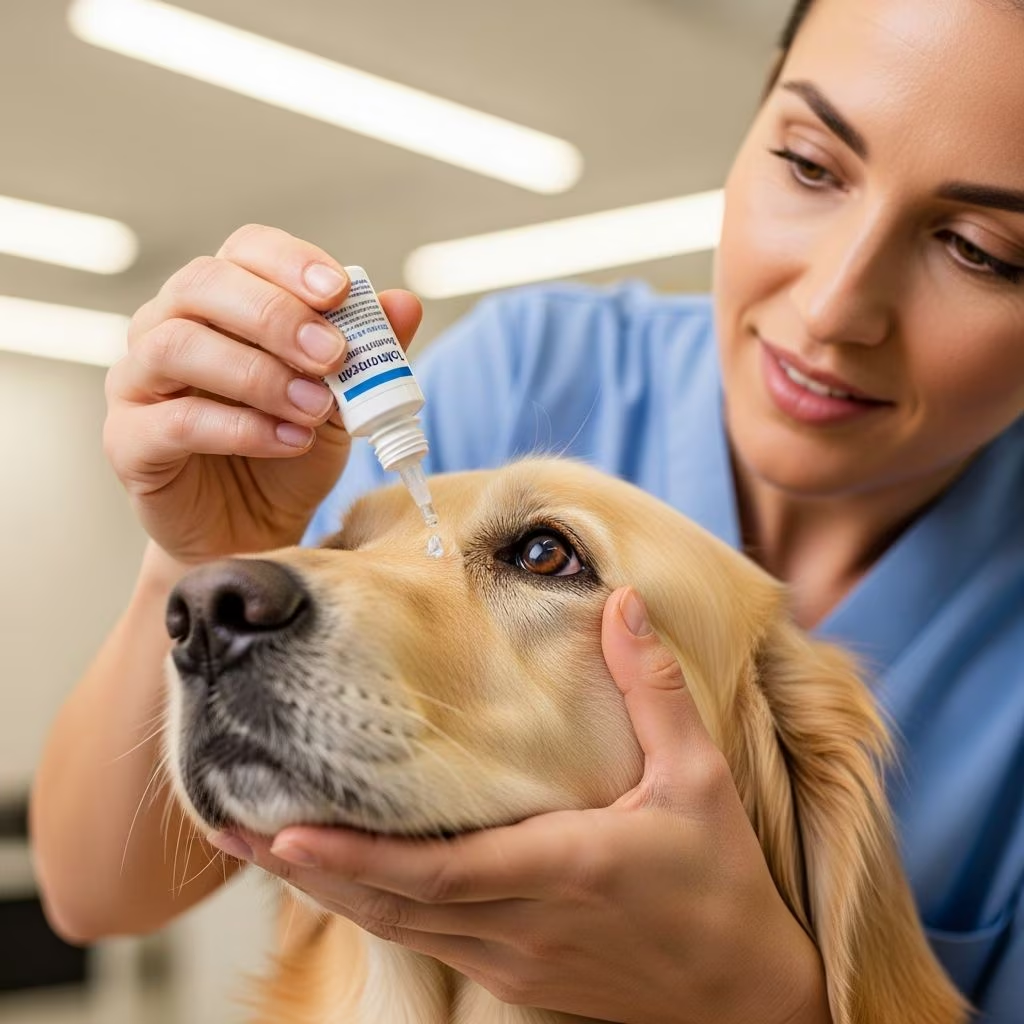
What is Tobramycin Ophthalmic?
Tobramycin ophthalmic is an antimicrobial medication specifically designed to treat bacterial infections of the eye. This prescription medication is used to address surface eye infections and is available in both liquid drop and ointment formulations. The medication belongs to the aminoglycoside antibiotic class and works by inhibiting bacterial protein synthesis, effectively killing the bacteria responsible for eye infections. Tobramycin ophthalmic is a bactericidal agent that binds to the 30S ribosomal subunit, disrupting bacterial growth and reproduction.
It is important to note that tobramycin ophthalmic should not be confused with combination products that contain tobramycin along with steroids, such as tobramycin combined with dexamethasone. While these combination medications may be prescribed for certain conditions, they serve different purposes and should only be used as directed by your veterinarian. In veterinary medicine, the use of tobramycin ophthalmic is considered “off-label” or “extra-label” for treating eye infections in cats, dogs, and exotic companion animals, though this is a common and accepted practice in veterinary medicine.
Uses of Tobramycin Ophthalmic
Tobramycin ophthalmic is primarily prescribed to treat various bacterial infections affecting the eye and surrounding structures. Your veterinarian may recommend this medication for several specific conditions and situations:
- Bacterial conjunctivitis, commonly known as pink eye
- Bacterial infections of the eyelids and conjunctiva
- Superficial ocular infections
- Bacterial infections that have not responded to other antibiotic treatments
- External eye infections where gram-negative bacteria are suspected
The medication’s broad-spectrum activity against aerobic gram-negative organisms and some aerobic gram-positive organisms makes it particularly effective for treating a wide range of bacterial eye infections. Tobramycin is especially beneficial for treating superficial corneal ulcerations, as research has demonstrated that it has minimal impact on corneal wound healing compared to other antimicrobial agents.
How to Administer Tobramycin Ophthalmic
Proper administration of tobramycin ophthalmic is crucial for ensuring the medication’s effectiveness and minimizing the risk of complications. Follow these important guidelines when giving this medication to your pet:
- Always wash your hands thoroughly before administering the medication to your pet
- Ensure the dropper tip does not touch your animal’s eye, eyelid, or any other surface to prevent contamination of the medication
- Apply the medication topically directly onto the surface of the cornea or into the eye as directed
- If administering multiple eye medications simultaneously, wait 5 to 10 minutes between each medication application
- Always give eye drops before applying eye ointments when using both formulations
- Complete the full course of treatment as prescribed by your veterinarian, even if your pet’s condition appears to improve
Discontinuing the medication prematurely, even when symptoms seem to resolve, can lead to incomplete treatment and potential recurrence of the infection. The ointments and liquid drops are both administered topically to ensure direct contact with the affected area of the eye.
Dosage Information
The standard dosage for tobramycin ophthalmic varies slightly depending on the severity of the infection and your pet’s specific condition, but general guidelines are as follows:
| Animal Type | Standard Dosage | Frequency |
|---|---|---|
| Dogs | 1-2 drops per affected eye | Every 12 hours or as prescribed |
| Cats | 1-2 drops per affected eye | Every 12 hours or as prescribed |
| Exotic companion animals | 1-2 drops per affected eye | Every 12 hours or as prescribed |
| Rats | 1 drop per affected eye | 4 to 5 times daily or as directed |
Your veterinarian may adjust the dosage and frequency based on the specific infection being treated and how your pet responds to the medication. Some infections may require more frequent administration, such as every 6 to 8 hours depending on severity. Always follow your veterinarian’s specific directions rather than relying on general guidelines.
Missed Doses
If you accidentally miss administering a dose of tobramycin ophthalmic, give it to your pet as soon as you remember. However, if it is already close to the time for the next scheduled dose, skip the missed dose and return to your regular dosing schedule. Never attempt to make up for a missed dose by giving your pet two doses at once or administering extra doses, as this can lead to medication overdose and potential complications.
Potential Side Effects
While tobramycin ophthalmic is generally well-tolerated in most pets, some side effects may occur. Understanding these potential reactions will help you monitor your pet appropriately and know when to contact your veterinarian.
Common Side Effects
The following side effects are relatively common and may occur during treatment with tobramycin ophthalmic:
- Irritation of the eye
- Swelling of the eye or surrounding tissues
- Stinging sensation upon application
- Reddening or increased redness of the eye
- Burning sensation in the eye
These side effects are typically mild and may diminish as your pet’s body adjusts to the medication. If these symptoms persist or worsen, contact your veterinarian to discuss whether continued use is appropriate.
Rare but Serious Reactions
Certain adverse reactions, while uncommon, require immediate veterinary attention if they develop:
- Allergic reactions such as irregular or difficult breathing
- Rash development on the skin
- Fever
- Puffiness and swelling around the face and mouth
- Blurred vision
- Lid itching or swelling
If your pet experiences any of these serious reactions, discontinue the medication immediately and contact your veterinarian right away. These symptoms may indicate a hypersensitivity reaction requiring urgent medical evaluation.
Additional Considerations
When your veterinarian prescribes tobramycin ophthalmic, they will take into account various factors about your pet’s health and medical history. It is essential to inform your veterinarian about any other medications your pet is currently taking, as well as any existing health conditions that might affect treatment.
If you notice that your pet’s condition is not improving after several days of treatment, or if it appears to be worsening, contact your veterinarian immediately. This may indicate that the infection requires a different treatment approach or that your pet may have developed resistance to the antibiotic. Additionally, if your pet develops visible symptoms such as the third eyelid remaining visible or excessive squinting after administration, consult your veterinarian, as these may indicate a developing or worsening condition.
The pharmacokinetics of topical tobramycin demonstrate that therapeutic concentrations are maintained in tear film for approximately one hour after administration in most species. This information helps guide proper dosing schedules to maintain adequate therapeutic levels throughout the treatment period.
Frequently Asked Questions About Tobramycin Ophthalmic
Q: What is the difference between tobramycin ophthalmic and combination products like tobramycin with dexamethasone?
A: Tobramycin ophthalmic is an antibiotic alone, while combination products contain both an antibiotic and a steroid. Steroids reduce inflammation but should only be used under specific circumstances, as they can worsen certain types of eye infections. Always use exactly what your veterinarian prescribes.
Q: How long does it typically take for tobramycin ophthalmic to work?
A: Many pets begin showing improvement within a few days, but the medication must be continued for the full duration prescribed by your veterinarian. Some infections may take one to two weeks to fully resolve.
Q: Can I use tobramycin ophthalmic in both eyes if only one eye is infected?
A: You should follow your veterinarian’s specific instructions. Some veterinarians recommend treating only the affected eye, while others may recommend treating both eyes to prevent spread of infection.
Q: Is tobramycin ophthalmic safe for pregnant or nursing pets?
A: Tobramycin ophthalmic is considered an FDA pregnancy category B drug and is thought to be safe during pregnancy. However, it is unknown whether the medication passes into breast milk, so consult with your veterinarian before using it in pregnant or nursing animals.
Q: What should I do if my pet’s eye condition worsens while using tobramycin ophthalmic?
A: Contact your veterinarian immediately if the infection appears to worsen, as this may indicate the need for a different medication or treatment approach. Do not discontinue the medication without veterinary guidance.
Q: Can I apply the medication if the dropper has touched my pet’s eye?
A: If the dropper tip touches your pet’s eye or any surface, the medication may become contaminated. Do not use the medication and contact your veterinarian for guidance on obtaining a new, sterile bottle.
References
- Tobramycin Eye Drops for Dogs and Cats – Pink Eye — VetRx Direct. Accessed November 2025. https://www.vetrxdirect.com/product/view/tobramycin-eye-drops-for-dogs-and-cats-rx
- Tobramycin Ophthalmic — VCA Animal Hospitals. Accessed November 2025. https://vcahospitals.com/know-your-pet/tobramycin-ophthalmic
- Tobramycin for Dogs and Cats — PetPlace. Accessed November 2025. https://www.petplace.com/article/drug-library/drug-library/library/tobramycin-for-dogs-and-cats
- Pharmacokinetic analysis of topical tobramycin in equine tears — PubMed Central/National Center for Biotechnology Information. 2012. https://pmc.ncbi.nlm.nih.gov/articles/PMC3489562/
- Tobramycin Ophthalmic — Sand Creek Animal Hospital. Accessed November 2025. https://sandcreekanimalhospital.com/blog/tobramycin-ophthalmic/
- Tobramycin Ophthalmic Solution 0.3% — Heartland Vet Supply. Accessed November 2025. https://www.heartlandvetsupply.com/p-2432-tobramycin-ophthalmic-solution-03.aspx
- Tobramycin Ophthalmic — Rat Guide. Accessed November 2025. https://ratguide.com/meds/ophthalmics/tobramycin_ophthalmic.php



