

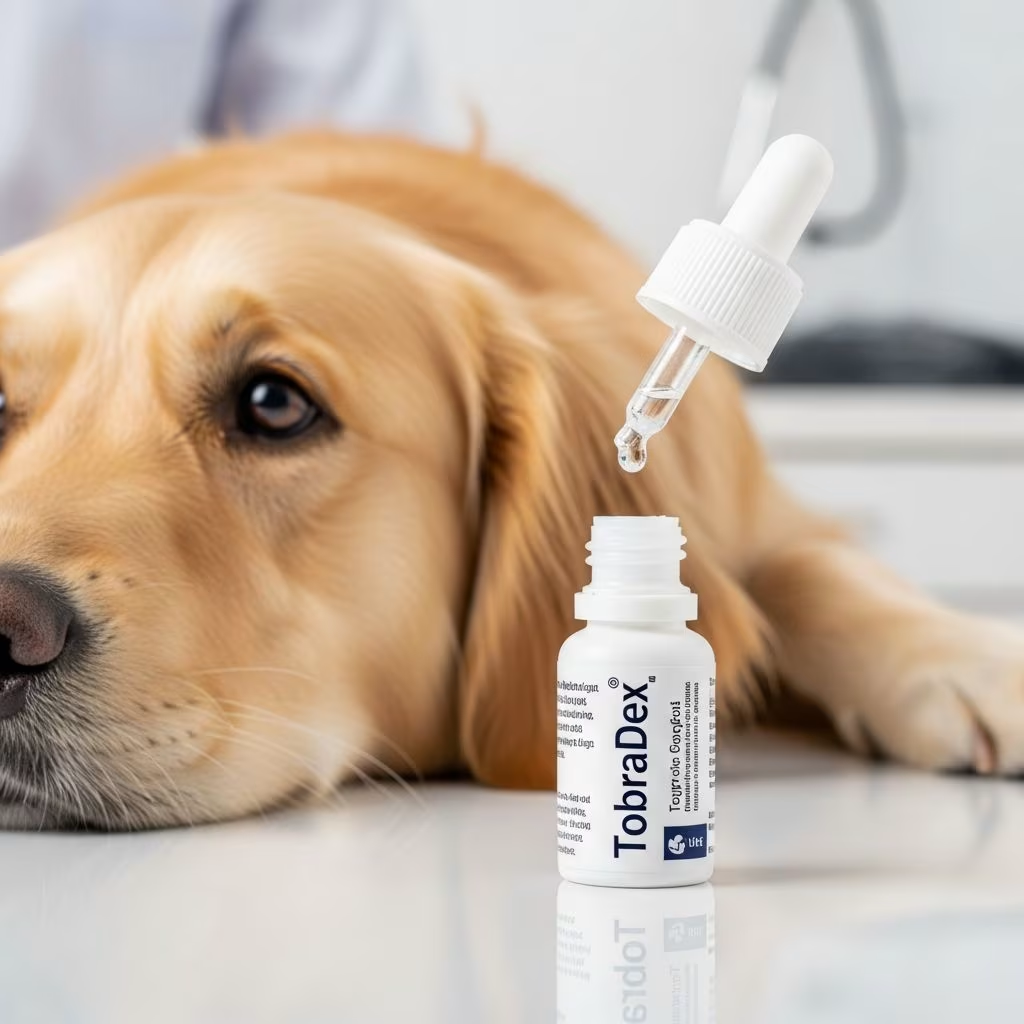
TobraDex eye drops represent a cornerstone in veterinary ophthalmology for dogs, blending the antibiotic power of tobramycin with the anti-inflammatory effects of dexamethasone. This combination targets bacterial invaders while soothing irritated tissues, making it ideal for conditions like conjunctivitis and corneal injuries.
Understanding the Dual-Action Formula of TobraDex
The efficacy of TobraDex stems from its two key ingredients. Tobramycin, an aminoglycoside antibiotic, disrupts bacterial protein synthesis, effectively halting the growth of gram-negative pathogens common in eye infections. Dexamethasone, a corticosteroid, counters inflammation by suppressing immune responses that cause swelling, redness, and discomfort.
Available as an ophthalmic suspension, typically in 5 mL bottles, TobraDex is prescription-only and formulated for precise delivery into the eye. While primarily discussed for human use in some contexts, veterinary applications extend its utility to dogs, cats, and even horses under professional supervision.
Common Canine Eye Conditions Treated with TobraDex
Dogs frequently suffer from ocular issues that benefit from TobraDex intervention. Bacterial conjunctivitis, characterized by red, watery eyes and discharge, responds well to this treatment. Uveitis, involving deeper eye inflammation, also sees relief from the steroid component.
- Corneal Ulcers: Open sores on the eye’s surface often infected; TobraDex promotes healing by fighting bacteria and reducing pain.
- Chemical Burns or Injuries: External trauma leading to secondary infections managed effectively.
- Post-Surgical Care: Prevents infection in eyes recovering from procedures.
Early intervention prevents complications like vision loss, emphasizing the need for prompt veterinary diagnosis.
Precise Dosage Guidelines for Dogs
Veterinarians tailor TobraDex dosages based on infection severity and the dog’s size. Standard protocols recommend 1-2 drops per affected eye every 4-12 hours. For acute cases, frequency may increase to hourly initially, tapering as improvement occurs.
| Condition Severity | Initial Dosage | Frequency | Duration |
|---|---|---|---|
| Mild | 1 drop per eye | Every 12 hours | 7-10 days |
| Moderate | 1-2 drops per eye | Every 6-8 hours | 10-14 days |
| Severe | 2 drops per eye | Every 1-4 hours | 14+ days, vet-monitored |
Always complete the full course to avoid resistance, even if symptoms resolve early. Adjustments for breeds like brachycephalics (e.g., Bulldogs) may be necessary due to eye anatomy.
Step-by-Step Administration Techniques
Proper technique ensures maximum absorption and minimizes stress. Start by washing hands thoroughly to prevent contamination.
- Gently restrain your dog, using treats for cooperation.
- Tilt the head back, pulling down the lower eyelid to form a pocket.
- Instill drops without touching the tip to the eye or fur.
- Release the eyelid, letting your dog blink naturally to distribute.
- Wipe excess with a clean cloth; avoid rinsing the dropper.
If multiple medications are prescribed, space administrations 5-10 minutes apart, applying drops before ointments. Monitor for immediate reactions like excessive tearing.
Potential Side Effects and Monitoring
While generally safe, TobraDex can cause temporary irritation, such as stinging or redness upon application. Allergic responses, though rare, manifest as intensified swelling or breathing issues—seek emergency care immediately.
Long-term use risks include corneal thinning or increased intraocular pressure, potentially leading to glaucoma. Regular vet check-ups are crucial, especially beyond 10 days. Dogs with pre-existing conditions like diabetes require cautious use due to steroid effects on blood sugar.
- Common (Mild): Blurred vision, mild discomfort.
- Rare (Serious): Ulcers, secondary infections from steroid suppression.
Precautions and Contraindications
Avoid TobraDex in dogs with fungal or viral eye infections, as steroids may exacerbate them. It’s unsuitable for those with known hypersensitivity to aminoglycosides. Pregnant or nursing dogs should use only under strict veterinary guidance.
Human formulations differ; never substitute without approval, as concentrations vary. Store at room temperature, away from light, and discard after the expiration or 28 days post-opening.
Complementary Home Care Strategies
Support TobraDex therapy with gentle cleaning using vet-approved saline to remove debris. Elizabethan collars prevent paw rubbing, aiding healing. A nutritious diet rich in omega-3s bolsters eye health.
Environmental controls, like reducing dust exposure, minimize reinfection risks. Track symptoms daily: note discharge color, eye clarity, and behavior changes to report to your vet.
When to Seek Immediate Veterinary Help
Discontinue use and consult a professional if no improvement occurs within 48 hours, or if symptoms worsen (e.g., cloudiness, squinting, light sensitivity). Clouded corneas or deep ulcers demand specialist referral.
FAQs on TobraDex for Dogs
Can TobraDex be used for cats?
Yes, it’s applied off-label in cats for similar infections, but dosage must be vet-adjusted.
Is TobraDex safe for puppies?
Use in young dogs requires caution; consult your vet for age-appropriate alternatives.
How long until TobraDex works?
Improvement often appears in 2-3 days, but full treatment spans 7-14 days.
What if my dog shakes off the drops?
Reapply after blotting excess; consistency is key.
Can I use TobraDex with other eye meds?
Yes, with spacing; always confirm with your vet.
Advances in Canine Eye Treatment
Ongoing research explores TobraDex variants with sustained-release tech for prolonged action, reducing dosing frequency. Combination therapies with antifungals address mixed infections common in multi-pet homes.
Veterinary ophthalmology emphasizes diagnostics like fluorescein staining for ulcers, ensuring targeted TobraDex use. Preventive measures, including breed-specific screenings, are gaining traction.
References
- TobraDex ST: Tobramycin/Dexamethasone Drops — VetRxDirect. 2023. https://www.vetrxdirect.com/product/view/tobradex-st-rx
- Tobramycin for Dogs and Cats — PetPlace. 2024. https://www.petplace.com/article/drug-library/drug-library/library/tobramycin-for-dogs-and-cats
- Tobramycin 0.3% & Dexamethasone 0.1% Ophthalmic Suspension — AlliVet. 2024. https://www.allivet.com/product/tobramycin-0.3-and-dexamethasone-0.1-ophthalmic-suspension-usp/51924.html
- Tobramycin Ophthalmic Solution for Dogs and Cats — PetCareRx. 2024. https://www.petcarerx.com/tobramycin-ophthalmic-solution-03/11166
- Tobramycin Ophthalmic Drops (Cats/Dogs) — Elmavets. 2023. https://elmavets.com/sites/site-7443/documents/Dug%20Sheets/Tobramycin%20Ophthalmic.pdf
- Tobramycin Ophthalmic Solution 0.3%, 5 mL — Tractor Supply. 2024. https://www.tractorsupply.com/tsc/product/tobramycin-ophthalmic-solution-03-5-ml
- Tobramycin Ophthalmic Solution 0.3% — Heartland Vet Supply. 2024. https://www.heartlandvetsupply.com/p-2432-tobramycin-ophthalmic-solution-03.aspx
- Tobramycin Ophthalmic — VCA Animal Hospitals. 2024. https://vcahospitals.com/know-your-pet/tobramycin-ophthalmic
- Tobramycin/Dexamethasone (TobraDex) — WebMD. 2024. https://www.webmd.com/drugs/tobramycin-dexamethasone-tobradex



