

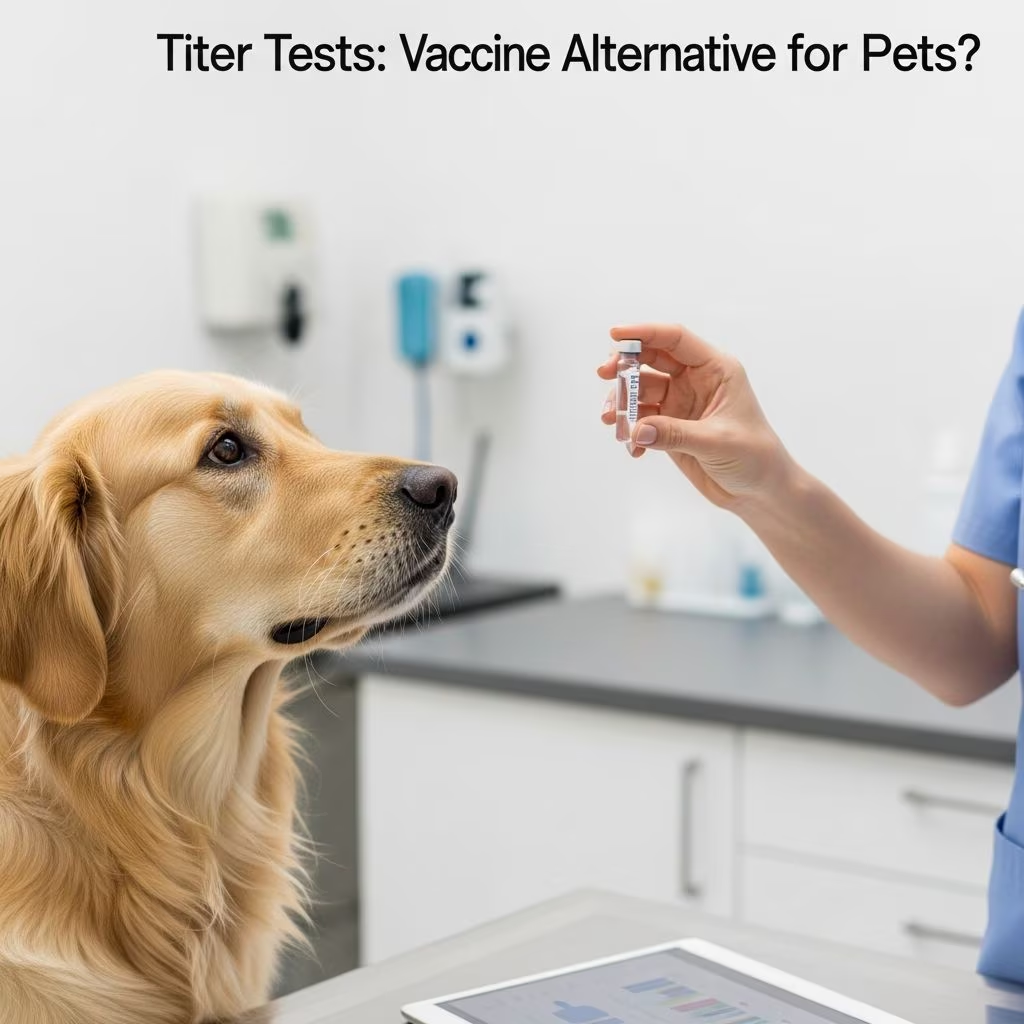
Antibody titer testing offers pet owners a scientific method to assess immunity levels without always resorting to booster vaccinations. This approach helps customize protection against core diseases like distemper and parvovirus while minimizing risks associated with frequent shots.
Understanding Antibody Titer Testing in Pets
Titer tests analyze blood samples to quantify antibodies produced by a pet’s immune system against specific pathogens. These antibodies form the frontline defense following initial vaccinations or natural exposure to viruses. High titers indicate robust protection, potentially delaying the need for revaccination.
The process involves drawing a small blood sample, typically during a routine vet visit, and sending it to a certified lab for analysis. Results categorize immunity as protective (above threshold), borderline, or inadequate, guiding decisions on whether to vaccinate.
- Key viruses tested: Canine distemper, parvovirus, adenovirus in dogs; panleukopenia in cats.
- Lab methods: Virus neutralization or hemagglutination inhibition for accuracy.
- Threshold levels: Defined by challenge studies linking titers to disease resistance.
The Science Behind Pet Immunity and Duration
Vaccines stimulate long-lasting immunity in most pets, often lasting years beyond traditional annual boosters. Studies show antibodies against core vaccines persist for 3–7 years or longer in healthy animals, challenging outdated schedules.
Core vaccines target highly contagious, life-threatening diseases. For dogs, these include distemper (multi-systemic virus), parvovirus (gastrointestinal devastation), and adenovirus (liver and respiratory issues). Cats face similar threats from panleukopenia and calicivirus. Titer testing confirms if prior immunity remains effective.
| Virus | Typical Immunity Duration | Titer Reliability |
|---|---|---|
| Canine Distemper | 5+ years | High |
| Parvovirus | 3–7 years | High |
| Adenovirus | Years | Moderate (cross-protection) |
| Panleukopenia (cats) | Years | High |
This table summarizes data from veterinary guidelines; individual results vary by age, health, and breed.
Advantages of Choosing Titer Tests Over Routine Boosters
Opting for titers promotes precision medicine for pets. Healthy adults with strong titers avoid unnecessary vaccines, reducing exposure to rare but serious adverse reactions like allergic responses or immune-mediated issues.
- Prevents over-vaccination: Many pets retain sterile immunity, where boosters offer no added benefit.
- Cost efficiency: Testing (around $50–$150 per panel) is cheaper than repeated vet visits and shots long-term.
- Safer for sensitive pets: Ideal for those with vaccine histories of anaphylaxis, autoimmunity, or immunosuppression.
- Personalized schedules: Tailors boosters to actual needs, sometimes extending intervals to every 3–5 years.
Veterinarians note growing client demand for titers, with labs processing thousands annually to support evidence-based care.
When Titer Testing Isn’t Enough: Rabies and Legal Mandates
Rabies vaccination stands apart due to public health laws. Nearly all U.S. states and municipalities require documented rabies shots for dogs and cats, regardless of titer results. Titers cannot substitute legally, as rabies is zoonotic—transmissible to humans with near-100% fatality post-symptoms.
Exceptions are rare; some rabies-free countries accept certified titers post-vaccination for travel, but domestic compliance demands the vaccine. Boosters follow schedules: 1-year initial, then every 3 years for 3-year products.
| Aspect | Vaccination | Titer Test |
|---|---|---|
| Legal Status | Required by law | Not accepted |
| Immunity Check | Assumed post-shot | Measurable but irrelevant legally |
| Travel/Boarding | Proof needed | Supplemental only |
Limitations and Cases Where Vaccination Prevails
Not all vaccines suit titer monitoring. Intranasal Bordetella or Lyme lack reliable correlates between antibodies and protection. Puppies/kittens under 16 weeks need full series to build initial immunity—titers confirm response post-series, not replace it.
Borderline titers (detectable but sub-threshold) suggest partial protection; vaccination may reduce disease severity. Immunocompromised pets or breeds prone to poor response (e.g., some sight hounds) benefit more from boosters.
Implementing a Titer-Guided Vaccination Protocol
Start with puppy/kitten series at 6–8, 10–12, 14–16 weeks, followed by rabies at 12–16 weeks. Post-series titer at 1 year verifies response. For adults, test every 3 years or if risk changes (e.g., boarding).
- Consult vet for breed/health-specific advice.
- Collect blood sample; select quantitative lab assays.
- Interpret results: Above threshold = protected; below = boost.
- Document for records, travel, or licensing.
Guidelines from AAHA endorse titers for distemper, parvo, adenovirus in lieu of boosters when clients prefer.
Risks of Skipping Vaccines Without Testing
Disease outbreaks underscore vaccination’s role. Parvovirus kills unvaccinated pups rapidly; distemper ravages shelters. While titers guide de-escalation, assuming lifelong immunity without proof risks gaps, especially in high-exposure areas.
Cost Comparison: Titers vs. Annual Vaccines
| Option | Upfront Cost | 3-Year Total | Notes |
|---|---|---|---|
| Annual Boosters | $20–50/shot | $180–$450 | Includes office visit |
| Titer Every 3 Years | $100–$200/test | $100–$200 (if protected) | + vaccine if needed |
| Titer + Booster as Needed | Variable | $150–$300 avg | Personalized savings |
Data approximates U.S. averages; titers often prove economical for immune pets.
Frequently Asked Questions (FAQs)
What does a positive titer mean for my dog?
It indicates sufficient antibodies for protection against tested diseases, potentially skipping boosters.
Can I titer test my cat for rabies?
Titers exist but don’t fulfill legal vaccination requirements.
How often should I titer test?
Every 3 years for adults, or per vet recommendation based on lifestyle.
Are titers reliable for all vaccines?
Best for core viral vaccines; less so for bacterial or non-core.
Who should consider titer testing?
Pets with vaccine reactions, seniors, or owners avoiding over-vaccination.
Partnering with Your Veterinarian
Discuss titers during wellness exams. Vets interpret results in context of history, exposure risks, and guidelines. This collaborative approach ensures optimal health without excess interventions.
References
- Does a titer test mean my pet doesn’t need vaccines? — Animal Medical Center of New York. 2022-07-27. https://www.amcny.org/blog/2022/07/27/does-a-titer-test-mean-my-pet-doesnt-need-vaccines/
- Vaccines & Titer Testing for Pets in Greenwood Village, CO — Veterinarian of Greenwood Village. N/A. https://veterinarianofgreenwoodvillageco.com/blog/vaccines-titer-testing-for-pets-in-greenwood-village-co
- Frequently Asked Questions | CAVIDS Titer Testing — University of Wisconsin School of Veterinary Medicine. N/A. http://www.vetmed.wisc.edu/lab/cavids/frequently-asked-questions/
- Should I Vaccinate Or Titer Test My Pet? — Vetted Pet Health. N/A. https://www.vettedpethealth.com/resources/should-i-vaccinate-or-titer-test-my-pet-everything-you-need-to-know
- Dog and Cat Vaccines and Titer Testing — Kansas State Veterinary Diagnostic Laboratory. N/A. https://www.ksvdl.org/laboratories/rabies-laboratory/dog-cat-vaccines-titer-testing.html
- To titer or to revaccinate — American Veterinary Medical Association (AVMA). 2016-07-01. https://www.avma.org/javma-news/2016-07-01/titer-or-revaccinate



