

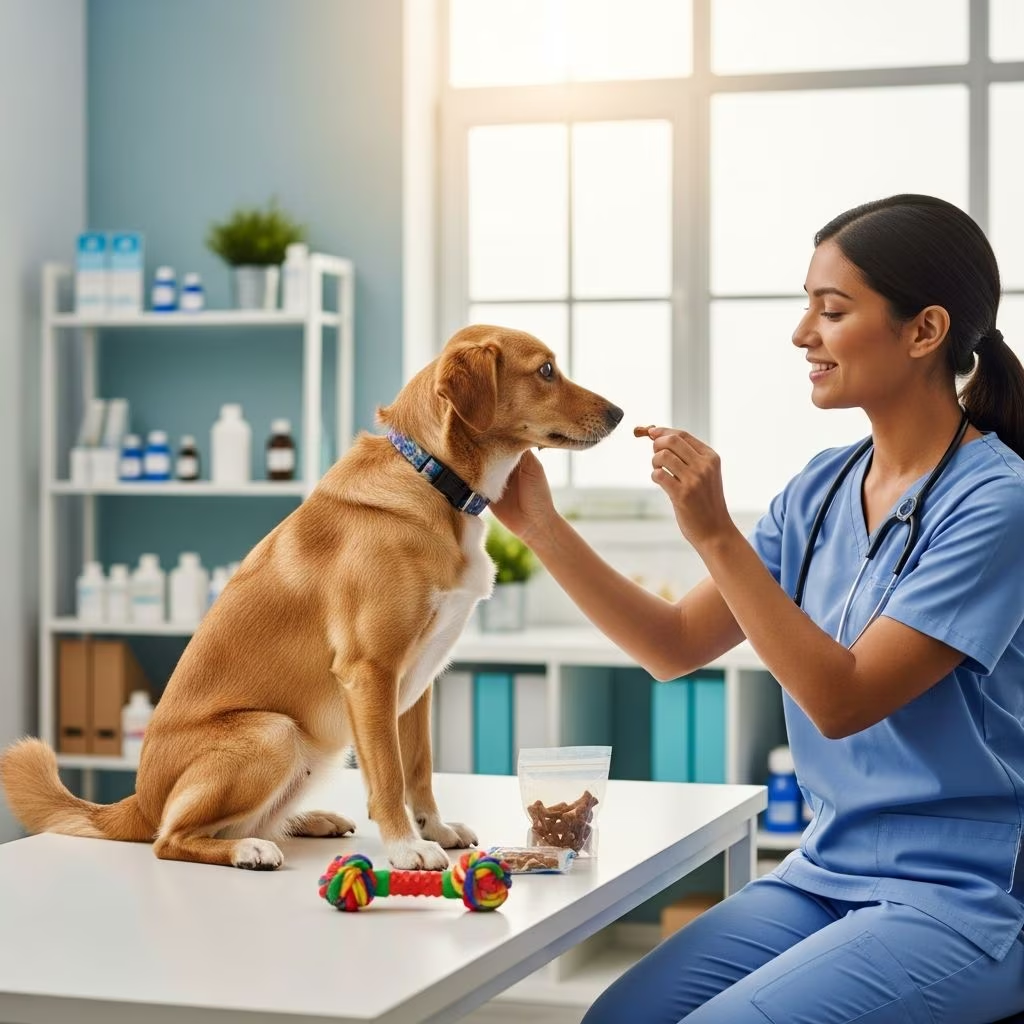
Taking your dog to the vet doesn’t have to be a stressful ordeal. With the right preparation and mindset, vet visits can become routine, positive experiences that keep your furry companion healthy and happy. This guide covers everything from scheduling your appointment to post-visit care, drawing on veterinary best practices to ensure bliss for both you and your dog.
1. Book Smart
Timing is everything when it comes to vet visits. Schedule appointments during less busy times, such as early mornings or mid-week slots, to minimize wait times and reduce your dog’s anxiety. For puppies, aim for the first visit within a few days of adoption to establish a health baseline. Annual wellness exams are recommended for adult dogs, while seniors and puppies need more frequent check-ups—every six months or as advised.
Consider your dog’s personality: energetic pups might do better with morning slots when they’re fresh, while anxious dogs benefit from quieter periods. Always confirm vaccination status and any location-specific needs, like tick checks in endemic areas. Booking ahead allows time to prepare, turning a potentially chaotic trip into a smooth one.
2. Be Present
Your presence is crucial during the vet exam. Stay by your dog’s side to provide comfort and observe procedures firsthand. This face-to-face interaction with the vet allows for clearer communication—you can view X-rays, learn medication administration, and ask questions in real-time. Pets feel more secure with their trusted human nearby, reducing stress and improving cooperation.
Being present also fosters a stronger relationship with your veterinarian, enabling personalized advice tailored to your dog’s unique needs. Skip phone or email follow-ups when possible; in-person discussions yield better outcomes for diagnosis and care plans.
3. Prep Your Pup
Preparation starts at home. Exercise your dog beforehand to burn off excess energy, making them calmer at the clinic. Skip a large meal to prevent nausea, especially if travel involves car rides, but offer a small snack if needed for medication. Use a secure, comfortable carrier or harness—never let them walk unleashed in the waiting area.
Groom lightly: trim nails if overgrown, brush fur to check for parasites, and bathe if they’re particularly dirty. Practice vet-like handling at home—touch paws, ears, and mouth gently with treats as rewards. This desensitization builds positive associations, turning exam time into treat time. For first visits, gather health history from breeders or shelters to share upfront.
- Exercise 30-60 minutes prior to tire them out.
- Withhold big meals but allow water freely.
- Pack favorite toys or blankets for familiarity.
- Practice ‘vet checks’ daily with praise and treats.
4. Provide Information
Accurate history is the cornerstone of effective veterinary care. Note changes in appetite, thirst, energy, behavior, stool, urine, vomiting, coughing, or limping. Bring all medications with exact names, strengths, and dosages—don’t rely on memory. List diet details, including food brand, treats, and human foods shared.
For new patients, compile vaccination records, past lab results, X-rays, and a concise symptom timeline. Avoid overwhelming with excessive details; a one-page summary suffices for complex cases. This information often reveals patterns missed in physical exams, leading to precise diagnoses.
Medication and Diet
Vets verify prescriptions to prevent errors. Common mistakes include incorrect dosages or incompatible drugs. Specify food brands precisely—’kibble from the pet store’ isn’t helpful. Discuss nutrition for life stages: puppies need growth formulas, seniors require joint-supportive diets.
Prior Medical Conditions
Share history of surgeries, allergies, or chronic issues. Examples: a coughing Chihuahua might need antibiotics with follow-up X-rays; a puppy heart murmur warrants ultrasounds every six months. Clear records ensure continuity of care.
5. Stay Calm
Dogs mirror their owner’s emotions. Approach the visit with confidence and positivity—your calm demeanor reassures them. Breathe deeply, use a soothing voice, and avoid tense body language. If your dog senses stress, they may become agitated, complicating the exam.
Techniques like gentle petting, speaking softly, or distracting with treats help. Reward brave behavior post-exam. Over time, consistent positivity rewires their association with vet visits from scary to rewarding.
6. Ask Questions
Never leave with unspoken concerns. Prepare a list: vaccination schedules, flea/tick preventives, dental care, diet tweaks, or behavior issues. Inquire about preventive screenings like bloodwork for seniors or heartworm tests. Clarify home care instructions, side effects, and follow-up timelines.
For puppies, discuss spay/neuter timing, socialization, and growth milestones. Good questions lead to proactive health management, preventing minor issues from escalating.
- What vaccines are due next?
- Any breed-specific health risks?
- How to monitor for early illness signs?
- Recommended at-home dental routine?
7. Follow the Plan
Vets provide action plans—adhere to them strictly. This might include medications, diet changes, rechecks, or diagnostics. Example: re-evaluate cough in one week if unresolved. Track progress and report back promptly.
Schedule follow-ups as directed, especially for conditions like heart issues. Compliance ensures treatments work, avoiding complications and repeated visits.
Post-Visit Care
Monitor for reactions: lethargy, vomiting, or appetite loss post-vaccination warrants a call. Administer meds correctly, follow diet plans, and note improvements or regressions. Update records for future visits. Reward your dog lavishly to reinforce positivity.
| Age Group | Visit Frequency | Key Focus |
|---|---|---|
| Puppy (0-1 year) | Every 3-4 weeks initially, then quarterly | Vaccines, deworming, growth checks |
| Adult (1-7 years) | Annually | Wellness exam, preventives |
| Senior (7+ years) | Semi-annually | Senior screenings, dental, bloodwork |
Frequently Asked Questions (FAQs)
Q: How often should I take my dog to the vet?
A: Adults need annual visits; puppies and seniors require more frequent check-ups every 3-6 months depending on health.
Q: What should I bring to the first vet visit?
A: Health records, vaccination history, medication list, diet details, and a stool sample if advised.
Q: How can I reduce my dog’s vet visit anxiety?
A: Exercise beforehand, practice handling at home, stay calm, and use treats/toys for positive reinforcement.
Q: When is the best time for a puppy’s first vet visit?
A: Within days of adoption for a full exam, vaccines, and personalized care plan.
Q: What if my dog shows illness signs between visits?
A: Contact your vet immediately for advice; don’t wait for routine appointments.
Implementing these tips transforms vet visits from dreaded chores to vital health allies. Regular, well-prepared check-ups catch issues early, extend lifespan, and strengthen your bond with your vet team. Your dog thanks you with wagging tails and vibrant health.
References
- How Often Should I Take My Dog or Cat to the Vet? — Furkin. 2023-05-15. https://www.furkin.com/blog/veterinary-visits-for-your-pet
- Puppy’s First Vet Visit: What To Expect — Adopt a Pet. 2024-02-10. https://www.adoptapet.com/blog/adoption/puppy-first-vet-visit
- Pet Check-Up: 10 Tips for a Better Vet Visit — Kinship. 2023-11-20. https://www.kinship.com/pet-health/pet-check-up
- How to Prepare for Your Puppy’s First Vet Visit — Kinship. 2024-01-05. https://www.kinship.com/dog-health/puppy-first-vet-visit
- Pet Wellness Exam Guidelines — American Veterinary Medical Association (AVMA). 2025-03-12. https://www.avma.org/resources-tools/pet-owners/petcare/wellness-exams
- Preventive Veterinary Care Recommendations — Association of American Veterinary Medical Colleges (AAVMC). 2024-09-18. https://aavmc.org/news/preventive-veterinary-care/



