

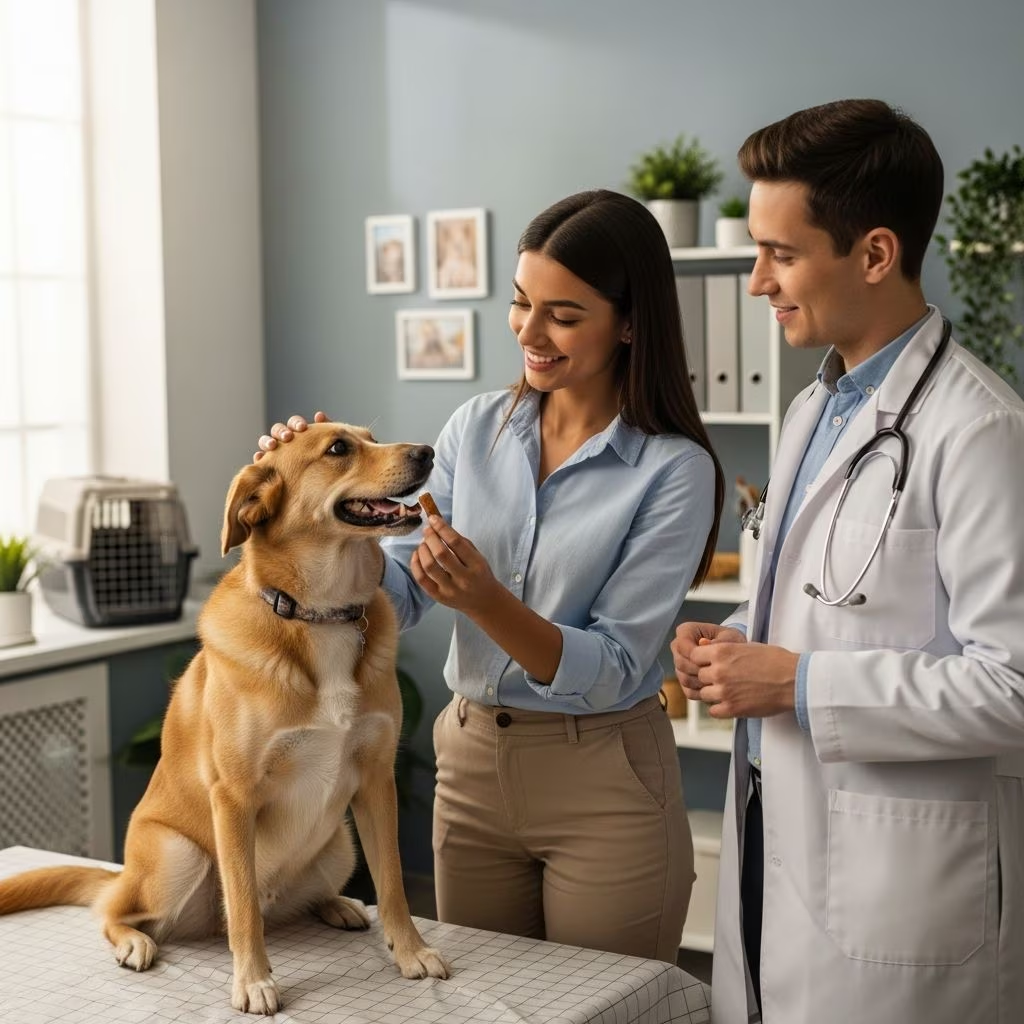
Your dog’s vet visit doesn’t have to be a source of dread. With proper preparation, clear communication, and a positive mindset, these appointments can become routine, stress-free events that strengthen your bond with your pet and ensure their long-term health. This guide covers everything from scheduling the first puppy checkup to senior wellness exams, drawing on veterinary best practices to make every visit blissful.
Why Regular Vet Visits Matter for Your Dog
Regular veterinary checkups are foundational to your dog’s health, allowing early detection of issues, timely vaccinations, and personalized preventive care. Veterinarians recommend at least one annual wellness exam for adult dogs, with more frequent visits for puppies and seniors. Puppies require multiple visits in their first year for vaccinations and growth monitoring, while senior dogs (typically 7+ years) benefit from biannual exams to screen for age-related conditions like arthritis or kidney disease.
These visits go beyond emergencies; they include comprehensive physical exams, dental checks, parasite screenings, and discussions on nutrition and behavior. Early intervention can extend your dog’s lifespan and improve quality of life—studies from the American Veterinary Medical Association emphasize that proactive care reduces treatment costs and suffering.
Preparing for Your Puppy’s First Vet Visit
The first vet visit sets the tone for a lifetime of positive experiences. Schedule it within a week of adoption to establish a baseline health profile. Here’s how to prepare:
- Gather records: Bring any adoption papers, vaccination history, or breeder info. Note the puppy’s diet, behavior changes, and stool consistency.
- Choose the right time: Book a morning slot to avoid a hungry, cranky pup. Skip a full meal beforehand to prevent nausea during travel.
- Comfortable transport: Use a secure carrier or crate lined with familiar bedding and toys. Practice car rides to desensitize your puppy.
During the visit, expect a head-to-tail exam: weight check, temperature, heart/lung auscultation, ear/eye/teeth inspection, and abdominal palpation. Discuss core vaccines (distemper, parvovirus, rabies), deworming, flea/tick preventives, and spay/neuter timing. The exam typically lasts 30-60 minutes, ending with a tailored wellness plan.
Frequency of Vet Visits by Life Stage
Tailor visit schedules to your dog’s age and health:
| Life Stage | Recommended Frequency | Key Focus Areas |
|---|---|---|
| Puppy (0-1 year) | Every 3-4 weeks until 16 weeks, then every 6 months | Vaccinations, deworming, socialization to clinic |
| Adult (1-7 years) | Annually | Wellness exam, heartworm test, dental screening |
| Senior (7+ years) | Every 6 months | Bloodwork, cancer screening, mobility assessment |
Adjust for breed predispositions (e.g., large breeds need joint checks) or regional risks like Lyme disease in tick-heavy areas. Always visit for symptoms: lethargy, vomiting, limping, or appetite loss.
10 Essential Tips for a Better Vet Visit
Maximize every appointment with these proven strategies, inspired by veterinary experts.
- Book ahead: Schedule during quieter times; request a fear-free certified vet if your dog is anxious.
- Be present: Stay with your dog—your calming presence reduces stress hormones. Observe exams to learn at-home care techniques.
- Arrive early: Complete paperwork in advance online to minimize wait times.
- Provide detailed history: Note changes in appetite, thirst, energy, stool/urine habits, or behavior. Quantify: “Drinks 50% more water daily.”
- Bring medications and diet info: Show actual pills/packages with names/dosages. Specify food brand, not just store location.
- Prior records: For new vets, bring vaccination proofs, lab results, X-rays. Summarize complex histories concisely—avoid overwhelming logs.
- Prepare questions: List 3-5 priorities like nutrition, training issues, or preventive schedules.
- Exercise beforehand: A short walk tires out energetic dogs, promoting calm.
- Use positive reinforcement: Reward with treats/praise post-exam to build good associations.
- Follow up: Clarify discharge instructions; schedule next visits on-site.
Making Vet Visits Stress-Free for Anxious Dogs
Many dogs fear the vet due to unfamiliar smells/sounds. Counter this with desensitization:
- Start young: Bring treats during non-exam visits.
- Anxiety wraps or pheromone collars calm nerves.
- Request quiet rooms or tech exams first to build trust.
- Post-visit playdates reinforce positivity.
For severe cases, discuss sedatives or behaviorists. A strong pet-vet bond fosters open communication for accurate diagnoses.
Nutrition, Diet, and Growth Discussions
Vet visits are ideal for diet reviews. Puppies need high-protein growth formulas; adults require breed/size-specific kibble. Discuss portion control to prevent obesity—a leading health issue per CDC veterinary data. Safe treats: carrots, apple slices (no grapes/onions). Track growth charts; under/overweight flags metabolic issues.
Follow-Up Care and Wellness Plans
End every visit with a clear plan:
- Rechecks for unresolved issues (e.g., cough re-evaluation in 1 week).
- Diagnostic timelines (e.g., heart murmur ultrasound in 6 months).
- Home monitoring: Weigh weekly, log symptoms.
Digital portals track records; apps remind for preventives. Combine with pet insurance for affordability.
Frequently Asked Questions (FAQs)
What should I bring to my dog’s first vet visit?
Health records, diet details, fecal sample, and a list of observations/questions. Use a comfy carrier.
How often does my adult dog need a vet checkup?
Annually for wellness, plus anytime for illnesses/injuries. Seniors need twice yearly.
How can I reduce my dog’s vet visit anxiety?
Desensitize with happy visits, use calming aids, stay present, and reward heavily afterward.
What if my dog shows no symptoms—still go?
Yes, preventive exams catch silent issues like dental disease or early cancer.
Is fasting required before a vet visit?
Not usually, but skip breakfast for puppies to ease travel nausea. Confirm with your vet.
Building a Lifelong Partnership with Your Vet
A trusted vet relationship ensures proactive care. Communicate openly, follow plans, and advocate for your dog. Regular visits not only monitor health but also address behavioral/lifestyle factors for holistic wellness.
By implementing these tips, transform vet visits from chores to cherished health milestones, keeping your dog thriving blissfully.
References
- How Often Should I Take My Dog or Cat to the Vet? — Furkin. 2023. https://www.furkin.com/blog/veterinary-visits-for-your-pet
- Puppy’s First Vet Visit: What To Expect — Adopt a Pet. 2024. https://www.adoptapet.com/blog/adoption/puppy-first-vet-visit
- Pet Check-Up: 10 Tips for a Better Vet Visit — Kinship. 2023. https://www.kinship.com/pet-health/pet-check-up
- 24/7 Vet Advice from ManyPets + Kinship Premium — ManyPets. 2024. https://manypets.com/us/blog/manypets-the-kin/
- How to Prepare for Your Puppy’s First Vet Visit — Kinship. 2023. https://www.kinship.com/dog-health/puppy-first-vet-visit



