

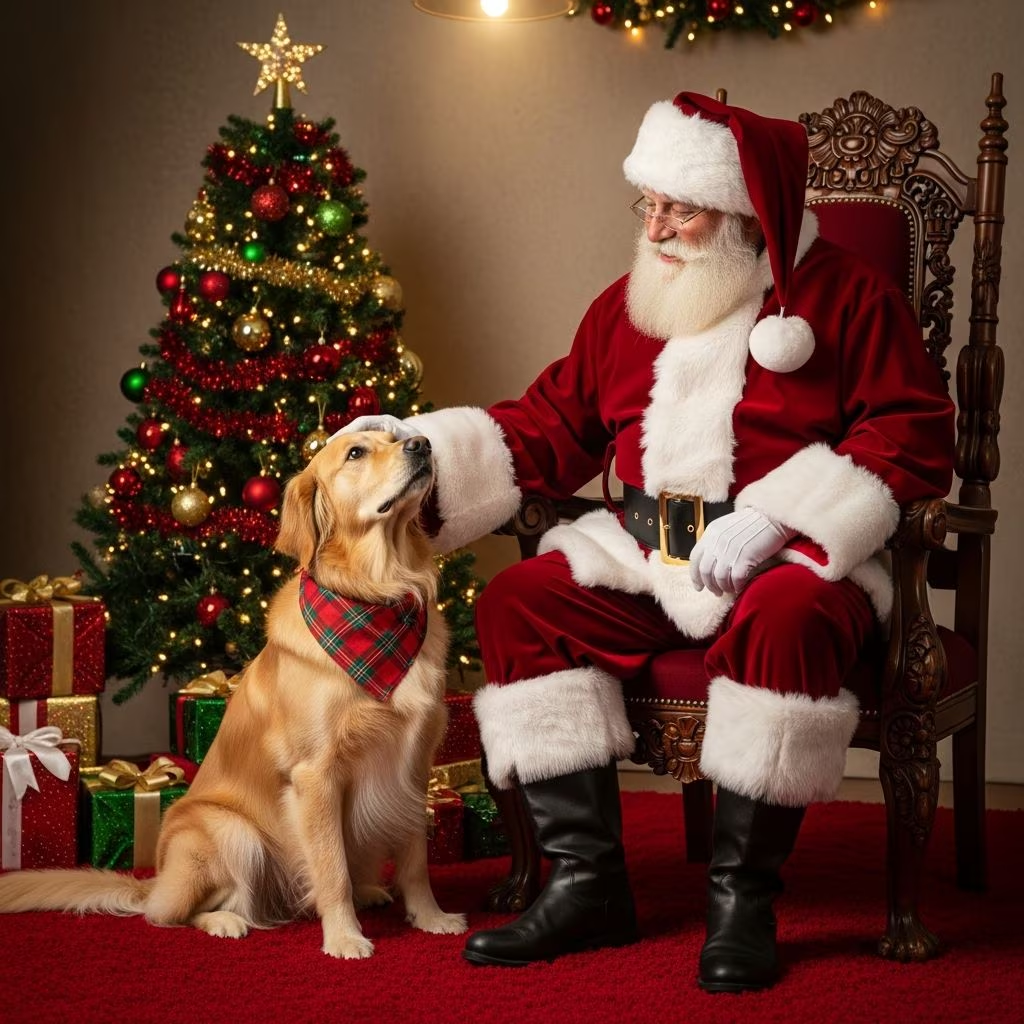
8 Tips for Taking Your Dog to See Santa This Holiday Season
The holiday season brings joy and excitement, and many pet parents want to share this festive spirit with their furry companions. One beloved tradition is taking your dog to visit Santa, whether at a mall photo setup, a local holiday event, or even a home-based celebration. However, without proper preparation, this experience can become stressful for your pup. Professional dog trainers and pet experts emphasize that the key to a successful Santa visit is prioritizing your dog’s comfort and well-being throughout the entire process. This comprehensive guide will walk you through eight essential tips to ensure your dog has a positive, memorable experience meeting Santa.
Tip 1: Prioritize Your Dog’s Comfort Above All Else
The most fundamental principle when planning a Santa visit is ensuring your dog feels comfortable and safe. According to professional pet trainers, the entire experience should be enjoyable for your pup, or at the very least, not stressful. This means being willing to make adjustments or even skip certain elements if your dog shows signs of anxiety. Many pet parents become so focused on getting the perfect photo that they overlook their dog’s emotional needs. Remember that a relaxed, happy dog will always produce better photos than a stressed or anxious one. If your dog is showing stress behaviors such as shaking, refusing to enter a room, or displaying other signs of distress, it’s perfectly acceptable to reconsider the photo opportunity. Professional photographers and trainers unanimously agree that forcing a frightened dog into a situation won’t result in a quality photo anyway, and it may create negative associations with similar experiences in the future.
Tip 2: Prepare Your Dog’s Outfit and Accessories in Advance
Many pet parents want to dress their dogs in festive outfits or accessories for their Santa photos. While costumes and holiday wear can look adorable in pictures, preparation is essential. Start by letting your dog become accustomed to wearing any costume or accessories well before your scheduled Santa visit. Experts recommend a gradual introduction process that makes the experience positive rather than overwhelming. Begin by letting your dog inspect the costume first, allowing them to explore it at their own pace. Then, introduce the easiest component—perhaps a simple bandana—for just a few minutes while immediately rewarding your pup with their favorite treats or playtime. The key is to create a positive association between wearing the costume and receiving rewards. Over a period of several days, gradually add more pieces of the costume, always pairing the experience with high-value treats and praise. Tell your dog how handsome they look, reinforcing the positive behavior with enthusiasm and affection. This systematic approach significantly reduces resistance and anxiety when your dog finally wears the full outfit on photo day. Remember that your dog’s comfort is more important than the perfect costume—if your pup consistently struggles with a particular accessory like a hat, it’s perfectly acceptable to skip it.
Tip 3: Practice Basic Commands Before the Big Day
One of the most overlooked aspects of preparing for a Santa photo session is conducting basic obedience training in advance. Professional dog trainers strongly recommend practicing essential commands such as “sit” and “down” in the weeks leading up to your scheduled visit. These foundational commands will be invaluable during the actual photo session, helping you guide your dog’s behavior and positioning for better photos. Practice these commands regularly in various environments—both indoors and outdoors—to ensure your dog responds reliably regardless of distractions. During your training sessions, use high-value food rewards such as premium jerky treats or specially-formulated training bites to reinforce positive behavior. The goal is to make your dog so responsive to these commands that even in the exciting, unfamiliar environment of a Santa photo session, they will focus on you and follow your directions. This preparation also helps build your dog’s confidence and creates a strong foundation of communication between you and your pup.
Tip 4: Bring High-Value Treats and Favorite Toys
When you arrive for your dog’s Santa visit, preparation extends to the supplies you bring with you. Pack high-value food rewards that your dog only receives occasionally, such as premium chicken jerky treats or gourmet biscuits with real cheese. These special treats hold significantly more appeal than everyday snacks and will be far more effective at capturing and maintaining your dog’s attention during the photo session. Additionally, bring a couple of your dog’s favorite toys. These familiar items can serve multiple purposes: they provide comfort in an unfamiliar setting, offer a positive distraction if your dog becomes anxious, and can even be incorporated into photos for added charm. Having these tools readily available gives you multiple strategies to manage your dog’s behavior and emotions throughout the experience.
Tip 5: Acclimate Your Dog to Camera Flashes and Equipment
Many dogs experience startlement or anxiety from camera flashes, particularly if they haven’t been previously exposed to photography equipment. Professional photographers recommend addressing this potential issue before your Santa visit. If possible, obtain information about the photographer’s lighting setup—some may use flash while others use alternative lighting methods. If flash photography is planned, spend some time at home helping your dog become comfortable with the experience. Start by firing a camera flash (if available) or simulating one, and immediately follow it with a high-value treat. Repeat this pairing several times, allowing your dog to associate the flash with positive outcomes. This classical conditioning approach helps desensitize your pup to the stimulus, reducing anxiety during the actual photo session. If your dog shows signs of fear when flash photography occurs, trainers suggest this preparation strategy can make the difference between a frightened pup and one who remains calm and cooperative.
Tip 6: Let Your Dog Meet Santa Before Photos Begin
Professional trainers emphasize the importance of a gradual introduction process between your dog and Santa. When it’s your pup’s turn for photos, don’t rush immediately into the posing and picture-taking phase. Instead, take several minutes for your dog and Santa to become acquainted. During this meet-and-greet period, have Santa chat casually with your dog, offer some treats, and provide gentle affection like scratches behind the ears if your dog enjoys this type of contact. Maintain a happy, calm demeanor throughout this introduction, as dogs are exceptionally perceptive and will pick up on any nervous energy you project. If your dog seems particularly nervous, consider being present in the photo yourself, as your presence often provides reassurance and confidence. This transition period is crucial—it transforms Santa from an unknown, potentially intimidating figure into a friendly acquaintance who provides treats and affection, setting the stage for a positive photo experience.
Tip 7: Master Techniques for Getting Your Dog to Look at the Camera
Capturing that perfect shot of your dog looking at the camera is one of the most challenging aspects of holiday photography. Professional trainers recommend a subtle yet highly effective technique: once your pup is sitting calmly with Santa, slowly walk behind the photographer a few times without saying anything. Your simple movement away will typically cause your dog to watch you, and since you’re positioned behind the photographer, it will appear that your dog is looking directly at the camera. This technique leverages your dog’s natural instinct to maintain visual contact with you, creating the desired effect without requiring your dog to maintain an uncomfortable stare. Avoid the common mistake of repeatedly calling your dog’s name or continuously instructing them to “sit.” This repetitive vocalization can actually increase anxiety and make your pup more nervous rather than more focused. Instead, work quietly and allow your dog’s natural behaviors to create the photo opportunity. If your dog becomes too distracted or anxious to maintain a specific position, allow them the flexibility to stand or position themselves on whichever side of Santa they prefer. A naturally relaxed dog almost always produces better photos than a forced pose.
Tip 8: Never Force Participation
Perhaps the most important tip of all is understanding that your dog has agency in this experience. Professional trainers universally agree that it should always be your dog’s choice whether to participate. This means respecting your pup’s boundaries and emotional signals throughout the entire experience. If your dog shows reluctance, anxiety, or stress at any point, you have the authority and responsibility to pause or end the activity. Forcing a frightened or unwilling dog into a situation not only risks poor photos but also potentially creates negative associations with similar experiences. Your dog may develop anxiety around unfamiliar people, costumes, or photo equipment in the future if pushed too hard during this experience. The holiday season should create positive memories for both you and your pet, not traumatic ones. Sometimes the best gift you can give your dog is the freedom to opt out of activities that cause them discomfort.
Creating a Holiday Photo at Home as an Alternative
If you’re concerned about the stress of visiting a public Santa location, or if your dog isn’t responding well to preparation efforts, consider creating a festive photo session in your own home. Set up a seasonal space with appropriate decorations and perhaps a simple Santa-themed backdrop. Ensure the environment remains quiet and calm, allowing your dog to sniff around and acclimate to the new setup before photography begins. Use the same training principles and reward systems discussed above to help your dog feel comfortable in the decorated space. The advantage of home-based photos is complete environmental control and the ability to move at your dog’s pace without time pressures from other appointments.
Frequently Asked Questions
Q: What should I do if my dog is scared of Santa?
A: Gradual exposure and positive associations are key. Have Santa offer treats and gentle affection before attempting photos. If your dog remains fearful despite preparation efforts, it’s acceptable to skip the Santa visit to avoid creating negative associations with similar experiences.
Q: How can I help my dog stay calm during a busy mall Santa event?
A: Arrive during quieter times if possible, bring high-value treats to redirect focus, practice commands in advance, and maintain a calm demeanor yourself. Your dog will mirror your anxiety levels, so staying relaxed is essential.
Q: What if my dog won’t look at the camera?
A: Try walking behind the photographer to naturally draw your dog’s gaze toward the camera direction. Avoid repeatedly calling your dog’s name, as this can increase stress. Allow your dog to choose their most comfortable position.
Q: Should my dog wear a costume to see Santa?
A: While costumes can be charming in photos, they’re not required. Your dog’s comfort is the priority. If your pup resists a costume after gradual introduction, feel free to skip it or use just a simple accessory like a bandana.
Q: How do I know if my dog is too stressed to continue?
A: Watch for stress signals such as shaking, panting, refusing to enter a space, ears pinned back, tail tucked, or attempting to escape. These signs indicate your dog should not be forced to continue the experience.
Q: Can I bring my dog’s favorite toy to the Santa photo session?
A: Absolutely. Familiar toys can provide comfort and serve as helpful props in photos. They can also be used to redirect your dog’s attention if they become anxious or distracted.
Q: What type of treats work best for reward-based training during Santa visits?
A: High-value treats that your dog doesn’t receive regularly are most effective. Premium jerky, specialty biscuits with real cheese or chicken, or specially-formulated training treats work better than everyday kibble or common treats.
References
- Tips for Getting the Best Pet Pictures With Santa — Chewy. 2024. https://www.chewy.com/education/dog/pet-parenting/prepping-for-pet-pictures-with-santa
- Puppy’s First Christmas: 10 Tips for a Safe and Stress-Free Holiday — Chewy. 2024. https://www.chewy.com/education/dog/new-dog/pet-parenting-holidays-puppys-first-christmas-what-you-need-to-know
- 12 Ways to Celebrate Christmas With Your Pets — Chewy. 2024. https://www.chewy.com/education/dog/pet-parenting/how-to-celebrate-christmas-holidays-with-your-pets
- Understanding Dog Behavior and Training — American Kennel Club (AKC). 2024. https://www.akc.org
- Pet Safety and Stress Management Guidelines — The Humane Society of the United States. 2024. https://www.humanesociety.org



