

Tips for Preparing to Foster a Dog
Fostering a dog is an incredibly rewarding experience that can change both your life and the life of a deserving canine companion. Whether you’re considering fostering for the first time or you’re looking to refine your approach, proper preparation is essential to ensure a smooth transition for both you and your foster dog. This comprehensive guide will walk you through everything you need to know to get ready for this meaningful journey.
Understanding Dog Fostering
Before diving into the preparation process, it’s important to understand what dog fostering entails. Dog fostering involves temporarily caring for a dog in your home, providing them with a safe, loving environment while they await adoption or while waiting for placement in a permanent home. Dogs in foster care receive essential care, socialization, and training that makes them more adoptable and helps them transition from shelter environments to family life. This temporary arrangement benefits both the animals and the shelter or rescue organization by freeing up resources and allowing dogs to develop crucial social skills in a home setting.
Assessing Your Readiness to Foster
The first step in preparing to foster a dog is honestly evaluating whether fostering fits your current lifestyle. Anyone who can keep a dog safe in their home, demonstrate responsibility with pets, and has love to give can become a foster dog parent. However, you’ll need to consider several key factors before committing.
Time and Availability
Consider how much time you can dedicate to a foster dog. Different dogs require varying levels of attention and care. Some may need intensive training or medical attention, while others might simply need basic care and companionship. Foster commitments typically last several weeks to several months, so ensure you can sustain this level of involvement throughout the fostering period. If you work full-time, you’ll need to determine whether you can manage walks, feeding schedules, and socialization during your available hours.
Your Living Situation
Evaluate your home environment and living arrangements. Do you rent or own your home? Most rescue organizations require foster dogs to live inside the home rather than outside. If you rent, check your lease agreement to ensure fostering is permitted. Additionally, consider whether you have adequate space for a foster dog, including a safe area where they can acclimate to your home.
Existing Pets and Household Members
If you already have pets at home, think about how they might respond to a foster dog. Many organizations ask foster parents to keep existing pets and foster dogs separate for the first week or two to allow for gradual adjustment. This means having a spare room or designated space is beneficial. Similarly, consider your family dynamics and whether all household members are on board with fostering.
Contacting Local Rescue Organizations
Once you’ve determined that fostering is right for you, the next step is finding a foster program. Most rescues and shelters have established foster programs, and getting started is as simple as reaching out to the organization. You can find local rescue groups through social media, internet searches, or by visiting nearby animal shelters in person.
When you make initial contact, ask about their fostering requirements, the types of dogs they typically need foster homes for, and what support they provide to foster parents. This conversation will help you determine which organization aligns best with your capabilities and interests.
The Application Process
Most rescue organizations require prospective foster parents to complete an application form. This application typically gathers information about your household, living situation, previous pet experience, and your ability to care for a foster dog. Be thorough and honest when completing this form, as it helps the organization match you with an appropriate dog.
In addition to the application, you’ll usually need to provide references. These can be personal references, veterinary references, or both, depending on the organization’s requirements. References help rescues verify that you’re a responsible pet caregiver capable of meeting the needs of a foster dog.
Working with a Foster Coordinator
After submitting your application, a foster coordinator will typically contact you via phone to discuss expectations, rules, and requirements. This is your opportunity to ask questions and clarify any concerns. Some organizations may arrange a virtual or in-person home tour to ensure your living situation is appropriate for fostering.
During this conversation, make sure to ask about the specific rules your organization follows. Common guidelines include keeping the foster dog indoors, potentially avoiding dog parks if the dog is anxious or overwhelmed by social situations, and maintaining a separate space for existing pets during the acclimation period. Understanding these expectations upfront allows you to decide whether you can comfortably comply before bringing a foster dog home.
Foster Dog Parent Training
Many shelters and rescues offer orientation and training sessions for new foster parents. These sessions may be conducted online or in person and cover essential fostering and dog-handling basics such as using a harness, crate training, and understanding canine behavior. While these trainings are common, they’re not universal—some organizations provide a manual with instructions instead.
Even if formal training isn’t required, take advantage of any educational resources your organization offers. If you’re a first-time foster or if you haven’t cared for a dog in a while, these trainings provide valuable refreshers and confidence-building information. Don’t hesitate to ask your foster coordinator for additional help or resources if you need them.
Preparing Your Home
Creating a safe, comfortable space for your foster dog is crucial for their successful transition. Start by setting up your home in advance of bringing your foster dog home. This preparation demonstrates to your foster dog that you’re ready to provide a secure environment during their stay with you.
Creating a Safe Space
Designate a specific area where your foster dog can acclimate. This space should be separate from the rest of your home and free from hazards. You can use baby gates, exercise pens, or pet gates to create a controlled environment. This confined space allows your foster dog to adjust gradually to your home without becoming overwhelmed. Many experts recommend starting foster dogs in a small, carefully controlled area before giving them access to the entire home.
Essential Supplies and Equipment
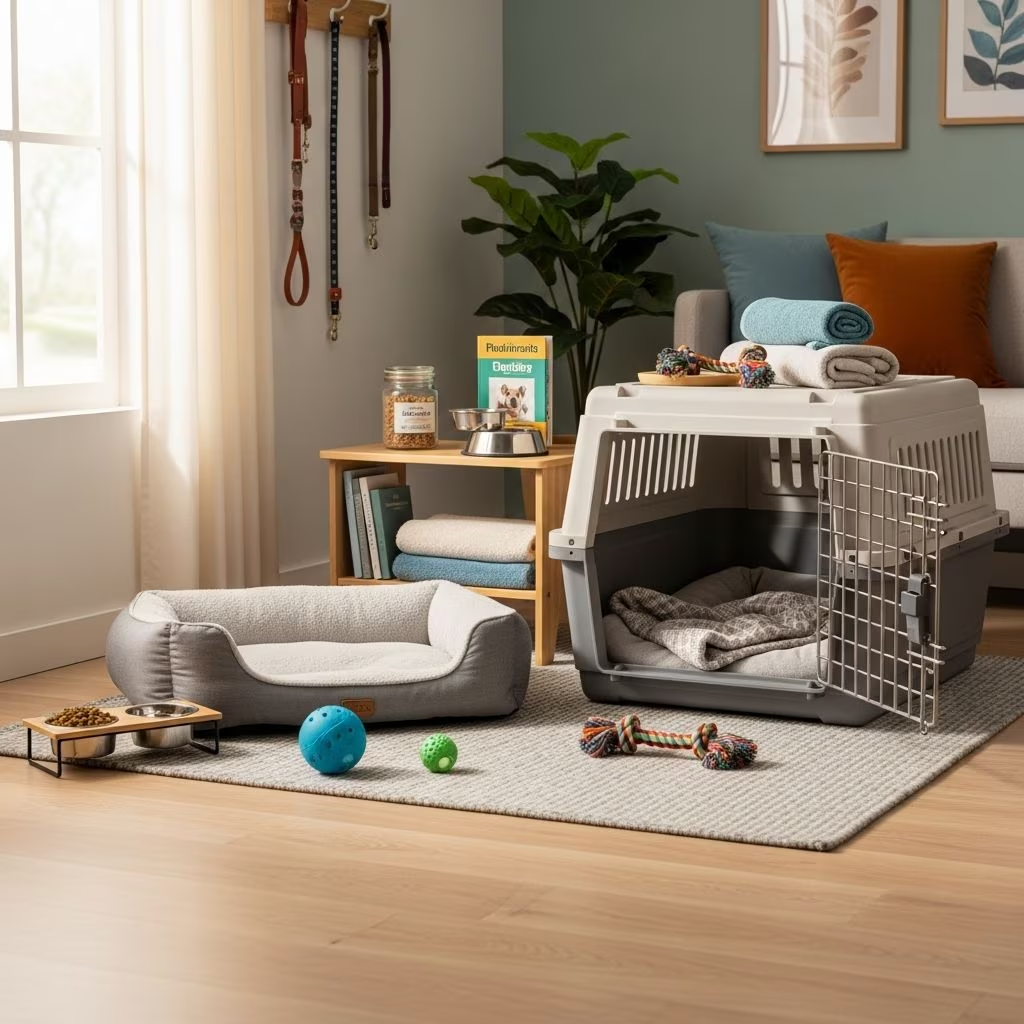
Before your foster dog arrives, gather all the supplies you’ll need. While some organizations provide supplies such as food, dog crates, training treats, bowls, bedding, and toys, others expect foster parents to provide these items or contribute financially. Ask your organization which supplies they provide and which ones you need to have on hand.
Essential items to have ready include:
– Food and water bowls- Dog bed or crate bedding- A secure dog crate for crate training and safe confinement- Collar, leash, and harness- Age-appropriate toys for enrichment and play- Grooming supplies- First aid kit for minor injuries- Any medications or supplements the dog may need- Training treats for positive reinforcement
Setting Up a Crate
A properly set up crate serves as a safe haven for your foster dog and is invaluable for house training and managing behavior. Make the crate inviting by including comfortable bedding and ensuring it’s the appropriate size—large enough for your dog to stand, turn around, and lie down comfortably, but not so large that they can use one end as a bathroom and sleep in the other.
Understanding Foster Dog Parent Responsibilities
As a foster dog parent, you’ll have specific responsibilities that ensure your foster dog receives proper care and prepares them for adoption. Understanding these responsibilities before you commit is essential.
Daily Care Responsibilities
You’ll be expected to provide basic care including feeding, walking, and providing fresh water daily. You should also groom your foster dog as needed and administer any medications or supplements prescribed. These daily tasks are fundamental to keeping your foster dog healthy and happy during their time with you.
Veterinary and Medical Care
Take your foster dog to the veterinarian when necessary, whether for routine check-ups or addressing health concerns. Discuss with your organization whether they cover veterinary expenses or reimburse foster parents for medical care. Most reputable organizations provide or reimburse necessary medical expenses.
Training and Socialization
Foster parents often help dogs become more adoptable through basic training and socialization. This might include potty training, teaching simple commands, helping them become comfortable on a leash, and facilitating positive interactions with other pets and people. Even basic socialization significantly improves a dog’s chances of successful adoption.
Adoption Assistance
You’ll typically need to attend adoption events or arrange meetups with prospective adopters. This might be done in person or virtually, depending on your organization’s practices. You’ll also be asked to provide regular updates, photos, and videos to help the organization create compelling adoption profiles.
Matching with the Right Foster Dog
Different dogs have different needs, and finding the right match between foster dog and foster parent increases success for everyone involved. Consider what type of foster dog would fit best with your lifestyle. Are you looking for a couch potato, or would you prefer an active running buddy? Do you have experience with puppies, senior dogs, or dogs with behavioral challenges?
When you contact your rescue organization, be clear about the types of dogs you’re comfortable fostering. This might include preferences regarding age, size, energy level, and any special needs you’re willing to support. Communicating openly with shelter staff helps ensure a good match between your home and the foster dog they place with you.
Building a Support Network
Before bringing your foster dog home, establish a support system. Connect with other dog foster parents through volunteer events or online support groups. These connections provide valuable advice, encouragement, and practical tips for navigating common fostering challenges. Your foster coordinator is also an excellent resource for questions and concerns that arise during the fostering period.
Preparing for the Transition Home
When you’re called to pick up your foster dog, come prepared. If the dog has specific behavioral or medical concerns, the organization may arrange a longer meeting first to ensure you understand the dog’s needs. Ask detailed questions about the dog’s history, preferences, fears, and medical requirements.
Plan your pickup day carefully. Have someone available to help if needed, and plan for quiet time when you first arrive home so your foster dog can adjust without overwhelming stimulation. Keep introductions to other pets and household members calm and controlled.
Frequently Asked Questions
Q: Do I need previous dog experience to foster?
A: No previous dog experience is necessary. Many people get into fostering to try out pet ownership. Most organizations provide training and support to help first-time foster parents succeed.
Q: What if my foster dog doesn’t get along with my existing pets?
A: Most organizations ask you to keep foster and resident pets separate for the first week or two. If issues persist, discuss them with your foster coordinator, who can provide guidance or help re-place the dog if necessary.
Q: How long will I have a foster dog?
A: Foster commitments typically last several weeks to several months, depending on the dog’s needs and the organization’s timeline for adoption.
Q: Who pays for food and supplies?
A: This varies by organization. Some provide all supplies, food, and even professional training, while others expect foster parents to contribute. Ask your organization about their specific arrangements.
Q: What happens if I want to adopt my foster dog?
A: Many foster-to-adopt arrangements are possible. Discuss this possibility with your foster coordinator, as each organization has different policies regarding foster parents adopting their foster dogs.
Q: Can I foster if I live in an apartment?
A: Yes, many foster dogs live successfully in apartments. Check your lease to ensure fostering is permitted, and discuss your living situation with your foster coordinator to find an appropriate match.
References
- How Do You Foster a Dog? Here’s How to Become a Foster Dog Parent — Chewy. 2024. https://www.chewy.com/education/dog/pet-parenting/how-do-you-foster-a-dog-heres-everything-you-need-to-know-to-become-a-foster-dog-parent
- The Essential Guide to Fostering a Dog — PetMD. 2024. https://www.petmd.com/dog/general-health/essential-guide-fostering-dog
- Dog Adoption Checklist: Everything New Dog Parents Need to Know — Chewy. 2024. https://www.chewy.com/education/dog/new-dog/pet-parenting-pet-lovers-dog-adoption-checklist-what-you-need-to-know
- Animal Fostering Is Having a Major Moment—And It’s Changing Lives for Pets and People Alike — Chewy. 2024. https://www.chewy.com/education/cat/pet-parenting/animal-fostering-is-having-a-major-moment-and-its-changing-lives-for-pets-and-people-alike
- Everything You Need To Know About Animal Fostering — Chewy. 2024. https://www.chewy.com/education/cat/pet-parenting/want-to-foster-an-animal-heres-everything-you-need-to-know



