

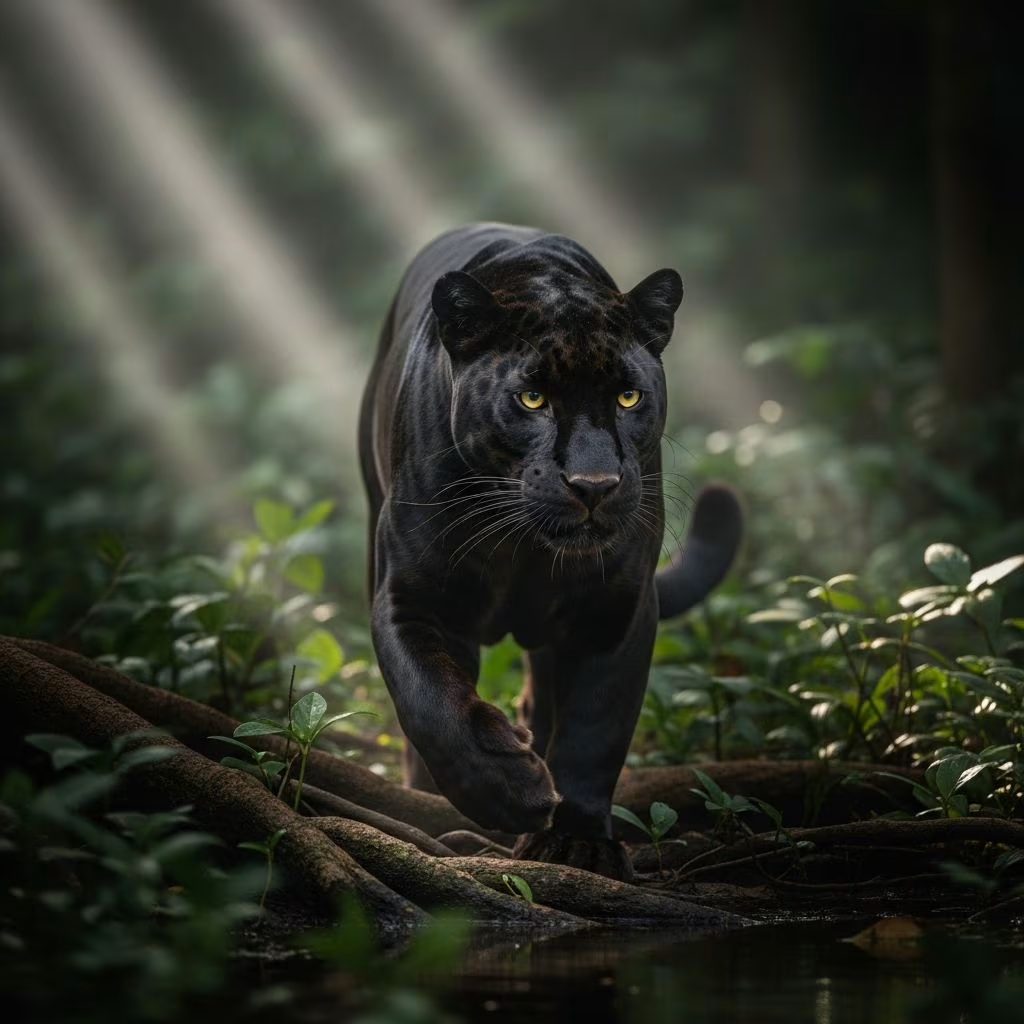
Dark and Dazzling: Photo Tips for Capturing Fabulous Photos of Dark-Colored Animals
Photographing dark-colored animals presents a unique set of challenges that differs significantly from photographing lighter-colored pets. Their dark coats can make it difficult to capture detail, facial expressions, and personality in photographs. However, with the right techniques and knowledge, you can create stunning, professional-quality photos that showcase the beauty and charm of dark-colored animals. Whether you’re a shelter volunteer, a pet owner, or an aspiring animal photographer, these comprehensive guidelines will help you overcome the technical obstacles and produce images that truly make dark-colored animals stand out.
The challenge of photographing dark animals is not merely aesthetic—it has real-world implications. Dark-colored pets, particularly black animals, often take longer to find homes in shelters compared to their lighter-colored counterparts. This phenomenon has been attributed to various factors, including visibility in photos and the difficulty potential adopters face in recognizing their personalities and features in low-quality images. By mastering the art of photographing dark-colored animals, you can directly contribute to helping these wonderful creatures find loving homes faster.
Before You Start Shooting
Grab the Toys!
One of the most effective ways to enhance photos of dark-colored animals is to incorporate colorful props and toys. Toys serve multiple important functions in animal photography. First, they draw attention to the photograph by providing visual interest and breaking up the monotony of dark fur. Second, they showcase the animal’s unique personality, allowing viewers to envision the pet in their own homes. Third, they give dark-colored animals something engaging to interact with, which naturally results in more dynamic and expressive photographs.
Before your photo session, ask the animal’s caregivers about their favorite toys or equipment. Knowing what truly captivates the animal will make your job significantly easier. If you don’t have access to the animal’s personal toys, choose items that are brightly colored and visually appealing. A bright red ball, a colorful rope toy, or a vibrant squeaky toy can dramatically improve your photographs. Consider the overall composition—think about how the toy’s color will complement the background and draw the viewer’s eye naturally through the frame.
Use Colorful Backgrounds
Background selection is absolutely crucial when photographing dark-colored animals. A dark animal against a dark background creates a visual void where the animal essentially disappears into the surroundings. By contrast, a colorful background creates separation and makes the animal stand out dramatically.
When shooting indoors, utilize colorful pet beds, blankets, and fabric backdrops. These serve not only as backgrounds but also as comfortable surfaces for the animal to sit or lie on. Consider incorporating additional color elements such as decorative collars, colorful bandanas, or festive accessories. Even small pops of color can make a tremendous difference in the final image. A bright blue or red collar against a dark coat creates an eye-catching contrast that viewers can’t ignore. Similarly, a vibrant bandana tied around the animal’s neck adds personality while providing necessary visual contrast.
For outdoor photography, your background options expand considerably. Look for naturally colorful environments such as green grass, flowering gardens, or brightly painted structures. The natural colors of the environment will help your dark-colored subject stand out while maintaining an authentic, appealing aesthetic.
During the Shooting Session
Choose the Right Light
Lighting is perhaps the single most important factor in successful dark animal photography. Direct sunlight is actually counterintuitive and should generally be avoided. When dark fur is hit by harsh, direct sunlight, it creates deep shadows and highlights that make it nearly impossible to capture detail. The contrast becomes too extreme, and the animal’s features blur together into an indistinguishable dark mass.
The best indoor lighting is soft, diffused light available near a window. Position yourself so that the light comes from behind you, illuminating the animal’s face toward the camera. This positioning helps define facial features and, most importantly, creates a bright reflection in the animal’s eyes—a critical element we’ll discuss in detail below.
When shooting outdoors, prioritize shade over direct sunlight. Look for areas of open shade such as covered patios, the shadow side of buildings, or natural shade created by trees. Even on a cloudy day, the diffused light is far superior to harsh direct sunlight for photographing dark-colored animals. If you absolutely must shoot in sunlight, aim for the golden hours—early morning or just before sunset—when the light is naturally softer and warmer.
For studio photography, use a single, well-positioned diffused light source such as a large umbrella or soft-box. Positioning this light at approximately the level of your camera helps create highlights on the animal’s coat while filling in shadows that would otherwise render details invisible. The key principle is that soft, directional light creates dimension and reveals the texture and beauty of dark fur in ways that harsh light cannot.
Capture the Eyes
The eyes are often called the windows to the soul, and this principle is especially critical when photographing dark-colored animals. Because the eyes typically have a different color than the fur, they provide essential visual contrast and create emotional connection with the viewer. When a dark animal’s eyes are bright and engaged, looking directly at the camera, the entire photograph comes alive. Conversely, if the eyes are dark, unfocused, or looking away, the animal’s personality becomes nearly invisible.
To capture eye contact, you need to attract and hold the animal’s attention. This requires creativity and persistence. Many photographers hold a squeaky toy, crinkly toy, or other attention-grabbing item directly above or slightly to the side of the camera lens. The animal’s natural curiosity draws their eyes toward the interesting sound or movement, and consequently toward the camera. Position the toy or noisemaker just barely above the lens—if you hold it too far to the side, the animal’s gaze will follow it away from the camera.
Another effective technique is making unusual sounds. High-pitched noises, gentle kissing sounds, or other funny vocalizations can capture an animal’s attention and create an engaging expression. The goal is to create enough intrigue that the animal looks directly into the lens, allowing you to capture that crucial moment when their eyes are bright and connected.
When you do capture the eyes, ensure they are properly exposed and in sharp focus. Consider using your camera’s focus tracking or back-button focus to prioritize sharpness on the eyes. Some photographers even enhance the catchlight (the reflection in the eyes) during post-processing to make the eyes pop even more.
Go for the Unique Shot
Dark-colored animals sometimes face adoption discrimination, facing less interest from potential adopters compared to animals of other colors. This reality underscores the importance of creating photographs that truly showcase each individual animal’s distinct personality and charm. Rather than settling for standard poses and expressions, push yourself to capture what makes each animal unique.
Look for the inquisitive tilt of the head, the playful pounce, the goofy tongue-out expression, or the moment of genuine connection. These candid, personality-filled shots are far more likely to connect with potential adopters and showcase why this particular animal deserves a loving home. Consider the animal’s breed characteristics and individual quirks—does the dog have floppy ears that are adorable when positioned just right? Does the cat have an amusing facial expression that reveals their intelligence? Is there a moment of genuine affection or play that captures their true spirit?
Take dozens of shots, experimenting with different angles, distances, and moments. The more images you capture, the higher the probability of catching that perfect shot that truly represents the animal’s unique character. This approach of volume and variety significantly increases your chances of getting images that stand out in the lineup and make potential adopters want to learn more about the animal.
Technical Considerations and Best Practices
Avoid Common Mistakes
Several common mistakes can undermine your efforts to photograph dark-colored animals effectively. The most significant of these is using on-camera flash. Flash creates harsh, often yellowish-tinged light that flattens features and creates unflattering shadows. For dark-colored animals, flash is particularly problematic as it tends to render their features even more indistinct. Instead, rely on natural or studio lighting sources that you can control and modify.
Another mistake is creating overly contrasted images with deep shadows. While some contrast is necessary for visual interest, excessive contrast with solid black shadows loses all detail and dimension in the animal’s coat. Aim for balanced exposure that reveals texture and detail throughout the coat, even in the darkest areas.
Cluttered backgrounds can also diminish the impact of your photos. While some background elements add context and interest, too much visual confusion distracts from the subject. Consider using shallow depth of field to blur the background, or selecting clean, simple backgrounds that don’t compete for attention.
Composition and Framing
When composing your photographs, apply standard photographic principles with the specific challenges of dark-colored animals in mind. Position the animal so that their face receives adequate light and their eyes are clearly visible. Consider the rule of thirds, positioning the animal’s eyes at or near intersection points to create dynamic, engaging compositions.
Use leading lines and compositional elements to guide the viewer’s eye toward the animal. A colorful toy, a bright background element, or even your choice of angle can direct attention to the most important parts of the image. Remember that you’re competing for attention in a crowded digital landscape—every compositional choice should enhance the animal’s visibility and appeal.
Experiment with various distances and framing styles. Close-up portraits that emphasize the eyes and facial expressions are powerful for emotional connection. Full-body shots that show the animal’s overall size, posture, and personality serve different purposes. Environmental portraits that show the animal in a comfortable, realistic context can also be very effective.
Frequently Asked Questions
Q: Why are dark-colored animals harder to photograph than light-colored animals?
A: Dark fur doesn’t reflect light the way light-colored fur does, making it more challenging to capture detail and texture. Additionally, the animal’s facial features and eyes can blend together in poor lighting, making it difficult to convey personality and expression.
Q: Can I use flash to photograph dark-colored animals?
A: It’s best to avoid on-camera flash when photographing dark-colored animals. Flash creates harsh, unflattering light and often results in yellowish tones and deep shadows. Natural or studio lighting provides much better results and more control over the final image.
Q: What’s the best time of day to photograph dark-colored animals outdoors?
A: Early morning or late afternoon/early evening (the golden hours) provide the softest, most flattering light. If shooting during midday, seek shade rather than direct sunlight. Cloudy days also provide excellent, even lighting for outdoor animal photography.
Q: How can I make a dark-colored animal’s eyes stand out more in photos?
A: Ensure bright light is positioned to create visible catchlights (reflections in the eyes). Use toys or sounds to get the animal to look directly at the camera with engaged, alert eyes. You can also enhance eyes during post-processing to make them appear brighter and more prominent.
Q: Should I use props and toys in every photo?
A: While props and toys are valuable tools for adding color and interest, not every photo needs them. Include some images with toys and colored accessories, but also capture some clean, focused portraits that showcase the animal’s natural beauty without distractions.
Q: How important is background color when photographing dark animals?
A: Background color is critically important. A dark background can cause dark-colored animals to visually disappear. Colorful backgrounds create necessary separation and make the animal stand out dramatically. Bright, contrasting backgrounds are one of your most powerful tools.
Q: What camera settings work best for photographing dark-colored animals?
A: Use a lower ISO to maintain image quality, and adjust your aperture and shutter speed based on your lighting conditions and desired depth of field. Focus precisely on the eyes, and don’t be afraid to slightly underexpose to preserve detail in the highlights while maintaining visibility of features throughout the coat.
References
- Tips on Photographing Dark Colored Animals — Best Friends Animal Society. 2024. https://bestfriends.org/network/resources-tools/tips-photographing-dark-colored-animals
- How to Photograph Black Animals — Petfinder Pro, created for Purina by HeARTs Speak. 2024. https://pro.petfinder.com/promoting-pets/photography/how-to-photograph-black-animals/
- Choosing Images for Digital Fundraising — Best Friends Animal Society. 2024. https://bestfriends.org/network/resources-tools/choosing-images-digital-fundraising
- How to Take Frighteningly Good Halloween Photos of Your Pets — Best Friends Animal Society. 2024. https://bestfriends.org/stories/features/how-take-frighteningly-good-halloween-photos-your-pets
- Photographing Black Pets in their Best Light — Comfort for Critters. https://comfortforcritters.org/files/documents/Photographing-Black-Pets-in-their-Best-Light.pdf



