

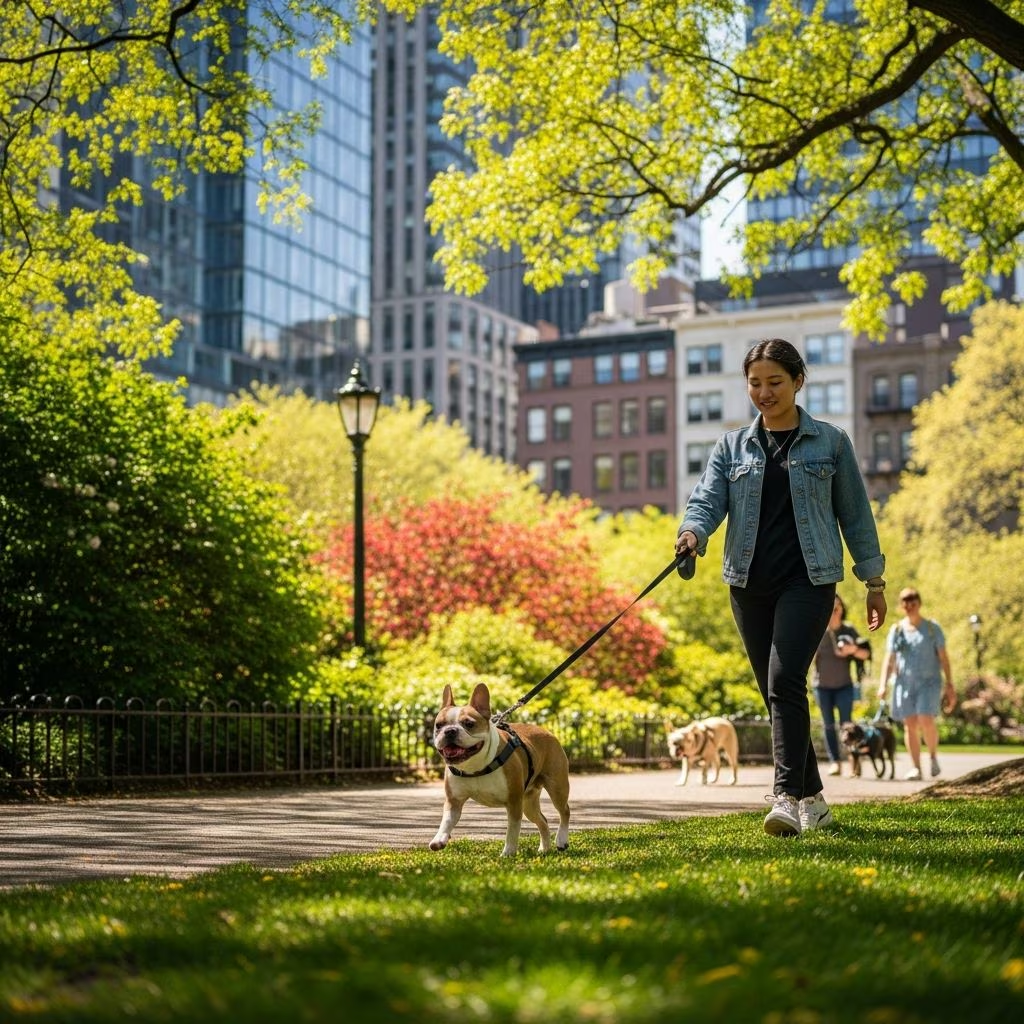
Living in the city with a dog presents unique challenges and opportunities. Urban environments offer vibrant communities, diverse dog parks, and plenty of social activities, but they also come with noise, limited space, and constant stimulation. Successfully raising a dog in an urban setting requires thoughtful planning, consistent training, and an understanding of your pet’s specific needs in a high-energy environment. This comprehensive guide will equip you with essential strategies to help your canine companion thrive in city life.
Understanding the Urban Dog Lifestyle
City living fundamentally differs from suburban or rural dog ownership. Dogs in urban environments face constant exposure to traffic sounds, crowds, unfamiliar people and animals, and limited outdoor space. However, many dogs adapt remarkably well to city living when their owners understand their needs and provide appropriate structure and socialization. The key is recognizing that urban dogs require intentional management and consistent training to become well-adjusted, confident companions.
Before bringing a dog into your city home, evaluate whether your lifestyle can accommodate a pet’s needs. Consider your work schedule, access to green spaces, availability of veterinary care, and your building’s pet policies. Making this assessment upfront prevents frustration for both you and your dog later.
Preparing Your Urban Apartment or Condo
Creating a Comfortable Living Space
Space constraints in city homes require strategic planning. Start by designating a specific area as your dog’s personal space—this might be a corner of your bedroom, a section of your living room, or an entryway. Use pet gates to create boundaries that allow your dog to feel secure while preventing them from roaming unsupervised through your apartment. A high-quality dog crate serves as an excellent den-like space where your dog can retreat when overwhelmed.
Invest in washable area rugs with pet-friendly materials for easy cleanup during the house-training phase. Sisal rugs are particularly durable for high-traffic areas and can withstand the wear and tear of active urban dogs. Consider your flooring—hardwood and tile are more forgiving than carpet during accidents, and they’re easier to maintain in a busy household.
Managing Noise and Overstimulation
Urban noise can trigger anxiety in dogs unaccustomed to constant stimulation. City sounds—sirens, car horns, construction, and street activity—require gradual acclimation. A white noise machine creates a consistent auditory backdrop that masks unexpected sounds and helps your dog relax, particularly during nighttime hours or when you’re away.
Manage your dog’s exposure to new stimuli thoughtfully. Keep windows and doors securely closed to prevent escapes and reduce external noise. When introducing your dog to your apartment, do so gradually rather than overwhelming them immediately with all areas of your home. Allow them time to decompress and adjust to their new environment at their own pace.
Securing Your Living Environment
Safety is paramount in apartments and condos. Keep all outside doors and windows securely closed to prevent accidental escapes. Close bathroom doors to prevent your dog from accessing cleaning supplies, medications, or the toilet bowl. Consider this a non-negotiable habit in urban settings where lost dogs face greater dangers from traffic and unfamiliar territory.
Establishing Routines and Structure
Dogs thrive on consistency, and this becomes even more critical in the stimulating urban environment. Develop a predictable daily routine that includes designated times for walks, meals, play, training, and rest. A typical urban dog routine might include a morning walk before work, midday potty breaks (via a dog walker if needed), an afternoon walk or play session, and an evening walk before dinner.
Consistency helps your dog anticipate what comes next, reducing anxiety and behavioral problems. It also establishes healthy bathroom habits, making house-training more successful. A well-structured routine provides the security and predictability that helps urban dogs relax despite the constant sensory input of city living.
Essential Training for City Dogs
Mastering Core Obedience Commands
Urban dogs absolutely must respond reliably to basic obedience commands. Priority commands include “sit,” “stay,” “leave it,” and reliable recall (coming when called). These commands serve as safety tools in situations where your dog might encounter unexpected hazards, other animals, or challenging scenarios.
Train these commands in your apartment first, then gradually introduce them in busier environments. Use high-value treats and consistent reinforcement. Incorporate training into everyday activities—practice “sit” before opening doors, use “stay” during dinner preparation, and reward calm behavior with treats and praise.
Polite Greeting and Leash Walking
Urban dogs constantly encounter new people and animals, so teaching polite greetings is essential. Train your dog to sit rather than jump when greeting people. Practice this in low-stress environments first, then gradually introduce it during real-world interactions. A dog that jumps on strangers becomes unwelcome in city environments and creates liability concerns.
Leash walking skills are equally critical for city living. Your dog should walk calmly at your side without pulling, lunging, or excessive reactivity. Teach loose-leash walking using positive reinforcement—reward your dog frequently for maintaining proper position. This makes urban walks enjoyable and safe for everyone involved.
Managing Reactivity and Anxiety
City environments trigger reactivity in many dogs. Reactivity might manifest as excessive barking at unfamiliar sounds, lunging at other dogs, or anxiety during crowded situations. Address reactivity through systematic desensitization and counter-conditioning. Expose your dog gradually to triggering stimuli at low intensities while providing treats and positive experiences. Over time, your dog learns to associate previously frightening or frustrating situations with good things.
Work with a professional dog trainer if your dog shows significant anxiety or reactivity. A qualified trainer can develop a customized behavior modification plan tailored to your specific situation.
Urban Socialization Strategies
Dog Parks and Off-Leash Spaces
Dog parks provide invaluable opportunities for exercise and socialization in urban environments. However, success at dog parks requires preparation. Before your first visit, ensure your dog has basic obedience skills and understands recall. Observe the park’s dynamics—visit during quieter times initially so your dog can acclimate without overwhelming chaos.
Monitor interactions carefully. While most dog-to-dog interactions are positive, watch for signs of discomfort or escalating tension. Give your dog breaks throughout your visit to prevent overstimulation. Not every dog thrives in off-leash park environments, and that’s perfectly acceptable. Some dogs do better with one-on-one playdates or leash walks in parks.
Exposure to Urban Environments
Gradually introduce your dog to busy city streets, crowds, and diverse stimuli. Start with quieter streets and less crowded times of day, then progressively work toward busier environments. This measured approach prevents overwhelming your dog while building confidence.
Use these outings as training opportunities. Reward calm behavior during walks, practice commands in real-world settings, and allow your dog to experience new sights, sounds, and smells in a controlled manner. Many city dogs actually enjoy the stimulation and activity of urban environments once they’re properly acclimated.
Meeting Other Dogs and People
Urban living naturally exposes dogs to frequent encounters with other dogs and people. Facilitate positive interactions by allowing your dog to meet other dogs in controlled settings. Use parallel walking—walking alongside another dog at a distance—before allowing face-to-face greetings. Teach your dog that meeting new people means sitting calmly rather than jumping.
These regular social interactions help prevent fear and aggression issues. Dogs that frequently experience positive interactions with varied people and animals develop confidence and adaptability.
Exercise and Activity Management
Meeting Exercise Needs in Limited Space
Space limitations require creative approaches to exercise. Traditional running space may be limited, but urban environments offer alternatives. Multiple shorter walks throughout the day often work better than one long walk. Stair climbing, fetch games in hallways or balconies (safely), and interactive toys provide mental and physical stimulation.
Mental exercise often proves as valuable as physical exercise. Puzzle toys, training sessions, sniffing games, and rotating toys keep your dog’s mind engaged and can tire them as effectively as physical activity.
Utilizing Urban Resources
Take advantage of city amenities. Many urban areas offer dog beaches, hiking trails within reasonable distances, and dog-friendly neighborhoods for exploration. Use these resources regularly to provide varied environments and experiences for your dog.
Managing Neighbor Relations
Preventing Excessive Barking
Barking is the number one complaint in urban dog situations. Address barking proactively through training and management. Identify what triggers your dog’s barking—other dogs, people passing, outside noise—and work to desensitize them to these triggers.
Provide appropriate outlets for barking urges. Some breeds bark more naturally, so manage expectations realistically. Use white noise machines to mask external sounds that trigger barking. Ensure your dog gets adequate exercise and mental stimulation, as under-stimulated dogs often bark excessively.
Respecting Shared Spaces
In multi-unit buildings, being a considerate neighbor matters tremendously. Pick up all waste immediately during walks. Keep your dog under control in common areas. Be mindful of noise levels and your dog’s behavior in hallways and elevators. Friendly relations with neighbors prevent conflicts and create a positive living environment for everyone.
Pet-Friendly Urban Destinations
Dog-Friendly Retailers and Cafes
Many urban cafes and boutiques welcome well-behaved dogs. Contact businesses ahead of time to confirm their pet policies. When shopping with your dog, keep them close on a short leash with a well-fitting collar. Bring treats to reward good behavior and maintain focus. This teaches your dog to remain calm in stimulating retail environments.
Restaurants and Outdoor Dining
Urban restaurants increasingly offer outdoor seating that welcomes dogs. Before dining out with your pup, confirm the restaurant’s pet policy and ensure your dog is comfortable in busy, social environments. Anxious or overly excited dogs may not enjoy restaurant settings. Keep your dog occupied with chews or treats, and never tie their leash to the table—this creates safety and behavioral risks.
Pet-Friendly Hotels for Urban Getaways
If you travel within or outside your city, pet-friendly hotels make vacations possible with your dog. Research hotels in advance, understanding their specific pet policies and amenities. Bring comfort items—your dog’s bed, favorite toys, and familiar items that smell like home. These familiar elements provide security in unfamiliar hotel environments.
Health and Wellness Considerations
Urban living requires attention to specific health factors. Ensure your dog stays current on vaccinations, as exposure to many other dogs increases disease transmission risks. Use appropriate flea, tick, and parasite prevention year-round. Find a reliable veterinarian in your area and maintain regular check-ups.
Air quality in some cities may affect respiratory health, particularly for brachycephalic breeds (flat-faced dogs). Monitor your dog during high-pollution days, limiting outdoor activities as needed. Provide fresh water constantly, especially during warm months when city concrete intensifies heat.
Managing Time Away from Home
Many urban dog owners work outside the home. Arrange reliable midday care through dog walkers or doggy daycare services. This breaks up long periods of confinement and provides exercise and social interaction. Ensure any caregiver is trustworthy and follows your instructions regarding your dog’s care and training.
Crate training becomes invaluable when you need to leave your dog for extended periods. A properly crate-trained dog has a safe space and is less likely to develop separation anxiety or destructive behaviors.
Frequently Asked Questions
Q: Is it possible to raise a large breed dog in an apartment?
A: Yes, large breed dogs can thrive in apartments with proper exercise, mental stimulation, and training. Their size matters less than their activity level and temperament. Many large dogs are calm and adapt well to apartment living.
Q: How can I prevent my dog from getting lost in the city?
A: Use secure leashes and collars, ensure microchipping and updated ID tags, practice reliable recall training, and never leave windows or doors unsecured. Keep your dog’s information current with local shelters and veterinary clinics.
Q: What’s the best approach if my dog is fearful in urban environments?
A: Work gradually through desensitization and counter-conditioning. Start in quiet settings and slowly increase exposure to stimuli. Consider working with a professional dog trainer. Patience and positive reinforcement help fearful dogs build confidence.
Q: How often should urban dogs visit dog parks?
A: Frequency depends on your dog’s temperament and needs. Some dogs thrive with 2-3 visits weekly, while others do better with less frequent or no park visits. Assess your individual dog’s preferences and behavior.
Q: What should I do if my dog reacts negatively to other dogs on walks?
A: Create distance between your dog and triggers. Use high-value treats to redirect attention. Consider working with a professional trainer on reactivity modification. Practice in controlled settings before navigating crowded urban streets.
References
- How to Make Your Dog the Perfect Houseguest — Chewy Education. 2024. https://www.chewy.com/education/dog/training-and-behavior/training-training-tips-how-to-make-your-dog-the-perfect-houseguest
- 10 Tips for First-Time Dog Owners: Bringing a New Dog Home — Chewy Education. 2024. https://www.chewy.com/education/dog/pet-parenting/10-tips-for-first-time-dog-owners-bringing-a-new-dog-home
- Pet Etiquette for Dog-Friendly Places — Chewy Education. 2024. https://www.chewy.com/education/dog/training-and-behavior/pet-etiquette-for-dog-friendly-places
- How To Puppy Proof Your House and Yard — Chewy Education. 2024. https://www.chewy.com/education/dog/new-dog/pet-proofing-your-home-for-a-new-pet
- Introducing a New Pet to Your Home: Tips for Success — Chewy Education. 2024. https://www.chewy.com/education/dog/new-dog/introducing-a-new-pet-to-your-home-tips-for-success



