

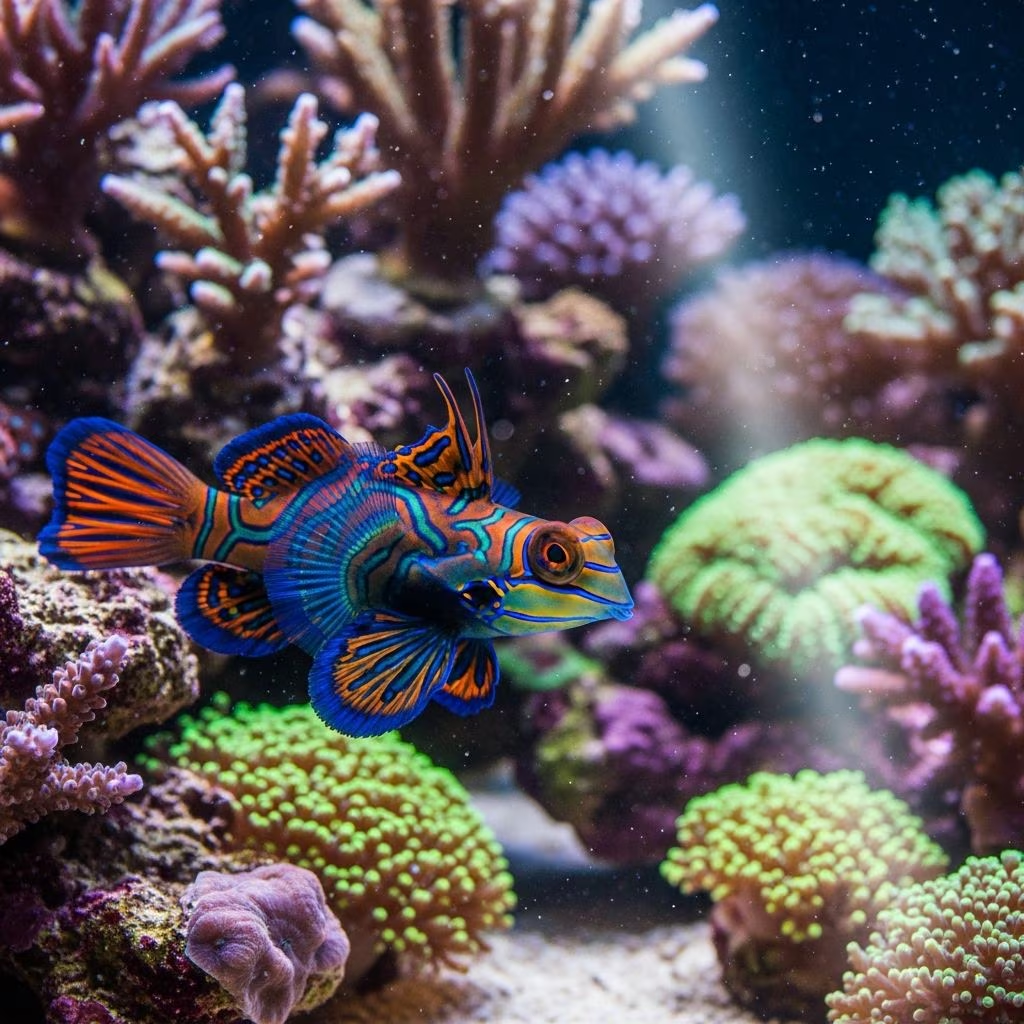
Tips on Keeping the Mandarin Dragonet
The mandarin dragonet, scientifically known as Synchiropus splendidus, is one of the most captivating and sought-after fish in the marine aquarium hobby. With their vibrant colors and intricate patterns, these small fish can transform any reef tank into a living work of art. However, their stunning appearance comes with significant care requirements that demand dedication and knowledge from aquarists.
Mandarin dragonets have become increasingly popular among reef enthusiasts, but their reputation as challenging fish is well-deserved. These specialized feeders require constant access to live copepods, making them unsuitable for inexperienced hobbyists or lightly stocked tanks. Understanding their specific needs is essential for success.
Tank Requirements and Setup
The foundation of successful mandarin dragonet care begins with an appropriately sized and well-established aquarium. These fish require more than just adequate space; they need a mature, thriving ecosystem capable of supporting their unique dietary and behavioral needs.
Minimum Tank Size
Mandarin dragonets require a minimum tank size of 30 gallons, though larger tanks are generally more forgiving and easier to maintain. Many experienced aquarists recommend tanks of 50 gallons or larger to ensure stable water parameters and ample space for the copepod populations that these fish depend on for survival. The larger the tank, the more stable the water conditions and the easier it is to maintain adequate food supplies.
Tank Maturity
One of the most critical factors in mandarin dragonet care is starting with a well-established tank. Your aquarium should be running for at least 6 months before introducing a mandarin dragonet. This extended period allows beneficial bacteria to colonize, detritus to accumulate, and most importantly, small crustacean populations to establish and multiply. These tiny organisms form the foundation of your mandarin’s diet.
Live Rock and Refugium Setup
Pack your tank with generous amounts of live rock to create numerous hiding spots and crevices where mandarin dragonets feel secure. Live rock serves multiple purposes: it provides shelter for the fish, creates suitable habitat for copepods and other small organisms to thrive, and helps maintain water quality through biological filtration. Consider adding a refugium to your setup, which serves as a dedicated breeding ground for copepods and other live foods, ensuring a constant supply without disrupting the main tank.
Water Parameters and Quality
Mandarin dragonets are sensitive to water conditions and require stable parameters to remain healthy. Sudden fluctuations can cause significant stress and illness.
Temperature Requirements
Maintain water temperature between 72-82°F (22-28°C). Use a reliable aquarium heater and thermometer to monitor temperature consistently. These fish come from tropical reef environments and cannot tolerate temperature swings or prolonged periods outside this range.
Salinity and pH Levels
Maintain salinity between 1.020-1.025 specific gravity and pH between 7.9-8.4. These parameters should remain stable, as fluctuations cause stress. Test your water regularly and make small adjustments if needed rather than large, sudden changes.
Water Quality Maintenance
Invest in a high-quality protein skimmer to help maintain excellent water quality. Perform regular water changes of approximately 10-15% every two weeks to keep conditions stable and remove accumulated waste products. At least once weekly, consider performing a partial water change of 25% if possible, using a siphon device to remove solid waste from the gravel and substrate.
| Parameter | Ideal Range | Notes |
|---|---|---|
| Temperature | 72-82°F (22-28°C) | Tropical fish – requires stable heat |
| Salinity | 1.020-1.025 SG | Critical for marine health |
| pH | 7.9-8.4 | Maintain stability above all |
Creating a Thriving Reef Ecosystem
Successful mandarin dragonet care depends on establishing a healthy, balanced ecosystem that continuously produces live food. This requires more than just maintaining water chemistry; it involves cultivating an entire miniature world.
Seeding with Copepods
Start by introducing live copepods to your tank regularly to ensure a continuous food supply. Seed your tank with a mix of copepods to establish robust populations. Many aquarists recommend setting up a subscription service for regular copepod deliveries to maintain consistent populations without disruption.
Phytoplankton Feeding Program
Feed your copepod populations with quality phytoplankton products to help them grow and multiply. Use products containing multiple microalgae types such as Nannochloropsis, Isochrysis, Tetraselmis, and Thalassiosira. Well-balanced phytoplankton blends provide optimal nutrition for copepods, which in turn become better-nourished food sources for your mandarin. Diligent use of phytoplankton will keep copepod populations reproducing at high rates, reducing the amount of pods you need to purchase as replacements.
Feeding Your Mandarin Dragonet
Feeding is the most critical aspect of mandarin dragonet care and also the primary reason these fish fail to thrive in captivity. Understanding their dietary needs is essential for success.
Primary Food Source: Live Copepods
Mandarin dragonets are carnivorous and have a strong preference for live food, particularly small crustaceans, copepods, and amphipods found in their natural reef environments. Constant availability of live copepods is crucial—this cannot be overstated. Your mandarin should have access to copepods throughout the day as it naturally forages.
Supplemental Food Options
While copepods are the main course, offering a variety of foods helps keep your mandarin healthy:
– Frozen mysis shrimp (chopped into tiny pieces)- Live baby brine shrimp- Copepod-rich sand from established tanks- Cultivated vinegar eels or microworms as supplemental treats
Feeding Strategies
As your live rocks support massive copepod colonies over time, the frequency of supplemental feeding decreases significantly. However, initially, you may need to employ target-feeding techniques using a feeding tube to deliver food directly to your mandarin. Some aquarists create separate breeding chambers or use specific tools designed for precision feeding to ensure their mandarin receives adequate nutrition.
Tank Mates and Community Compatibility
Mandarin dragonets are peaceful fish that prefer calm environments without aggressive competitors. Select tank mates carefully to ensure a stress-free community.
Avoid pairing mandarins with aggressive fish species that may compete for food or harass the mandarin. Other reef-safe fish, peaceful gobies, and non-aggressive invertebrates make suitable companions. The goal is to create a peaceful environment where your mandarin can forage naturally without stress.
Health Monitoring and Common Issues
Regular observation is key to catching health problems early. A healthy mandarin dragonet should be active, display bright colors, maintain a plump body, and show consistent interest in feeding.
Signs of Health Problems
– Loss of color or dull appearance- Skinny body or sunken belly- Hiding more than usual- Not eating or showing interest in food- Labored breathing or unusual swimming patterns
Common Challenges
The biggest problem with mandarin dragonets is usually inadequate feeding. If your fish looks skinny or isn’t eating, address this immediately by adding more copepods to your tank, offering different types of live foods, using a feeding tube for target feeding, or setting up a refugium to grow more pods. Mandarin dragonets are prone to ammonia poisoning and oxygen starvation if the tank is not well-maintained, so vigilant water quality monitoring is essential.
Response Protocol
If you notice any signs of distress or illness, check your water quality parameters immediately and boost your copepod population. A healthy tank means a healthy fish. Spend time each day watching your mandarin’s behavior and eating habits to catch any issues before they become serious.
Essential Supplies and Products
To keep your mandarin dragonet healthy, maintain a well-stocked supply of essential items:
– High-quality protein skimmer for water clarity- Live copepod cultures or subscription service- Phytoplankton products (multiple species blends)- Water test kits for monitoring parameters- High-quality salt mix for water changes- Reliable aquarium heater and thermometer- Feeding tube for target feeding- Live rock from established tanks- Refugium equipment if setting up separate breeding chambers
Setting Up for Success: A Step-by-Step Approach
Follow this systematic approach when establishing your mandarin dragonet setup:
1. Start with a tank of at least 30-50 gallons that has been running for 6+ months2. Establish dense live rock formations with plenty of hiding spaces3. Add a protein skimmer and set up water quality monitoring4. Seed the tank with live copepods and establish a feeding regimen with phytoplankton5. Optionally, set up a refugium for additional copepod production6. Select peaceful tank mates that won’t compete for food7. Allow several weeks for copepod populations to establish before adding your mandarin8. Introduce your mandarin carefully and monitor feeding behavior closely9. Maintain consistent water parameters and food supplies10. Perform regular observations and water maintenance
Quarantine Considerations
If you decide to quarantine your mandarin before introducing it to the main tank, plan this in advance. Ideally, the quarantine tank should offer the same optimal conditions as the primary habitat, including established live rock from the main tank to reduce stress. A minimum of 20-30 gallons is recommended for quarantine, with the same water parameters and a constant supply of copepods to prevent starvation during the acclimation period.
Frequently Asked Questions
Q: Why do mandarin dragonets die so frequently in captivity?
A: The primary reason mandarin dragonets fail to thrive is inadequate nutrition. Without constant access to live copepods, these specialized feeders will starve. They often refuse frozen foods and require live, moving prey to trigger feeding responses.
Q: Can mandarin dragonets eat frozen foods?
A: While some individuals may occasionally accept frozen mysis shrimp or frozen copepods, most mandate prefer live foods. Many will refuse frozen foods entirely and can starve if frozen food is their only option. Always maintain live copepod populations as the primary food source.
Q: How long does it take for a tank to be ready for a mandarin dragonet?
A: Your tank should run for at least 6 months before adding a mandarin dragonet. This allows time for beneficial bacteria to establish, detritus to accumulate, and most importantly, copepod populations to develop and multiply sufficiently to support the fish.
Q: What size tank do I need for a mandarin dragonet?
A: The minimum recommended tank size is 30 gallons, though 50 gallons or larger is preferable. Larger tanks maintain more stable water parameters and support larger copepod populations, making care easier and more reliable.
Q: Can I keep multiple mandarin dragonets together?
A: While it’s technically possible, keeping multiple mandarin dragonets requires significantly more space, copepod production, and careful monitoring. Most aquarists recommend keeping only one per tank to ensure adequate food supply and minimize stress from competition.
Q: What temperature should my tank be?
A: Maintain water temperature between 72-82°F (22-28°C). Use a reliable heater and thermometer to ensure stability, as mandarin dragonets cannot tolerate temperature fluctuations.
Q: Is a refugium necessary for mandarin dragonet care?
A: While not strictly necessary, a refugium greatly simplifies mandarin dragonet care by providing a dedicated space for copepod breeding and reproduction. This ensures a more stable and abundant food supply without relying entirely on external copepod sources.
References
- 12 Essential Tips for Mandarin Dragonet Care — AlgaGen Direct. 2025. https://algagendirect.com/blogs/marine-fish-nutrition/12-essential-tips-for-mandarin-dragonet-care
- 10 Tips The Ultimate Mandarin Goby Fish Care Manual — Reef Hacks. 2025. https://www.reefhacks.com/mandarin-goby-fish-care/
- A Comprehensive Guide to Feeding Mandarin Fish in Reef Aquariums — Printed Reef. 2025. https://printedreef.com/blogs/blog-posts/a-comprehensive-guide-to-feeding-mandarin-fish-in-reef-aquariums
- Mandarin Goby Fish Care — AlgaeBarn.com. 2025. https://www.algaebarn.com/blog/captive-bred-fish/mandarin-goby-fish-care/
- Tropical Marine Fish How to care for dragonets — OATA (Ornamental Aquatic Trade Association). 2022. https://ornamentalfish.org/wp-content/uploads/Dragonets-Sept-2022.pdf



