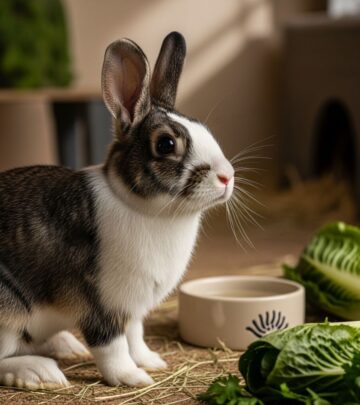
Tips for Grooming Your Rabbit: Complete Guide for Healthy Fur
Master rabbit grooming techniques to keep your bunny healthy, clean, and comfortable.
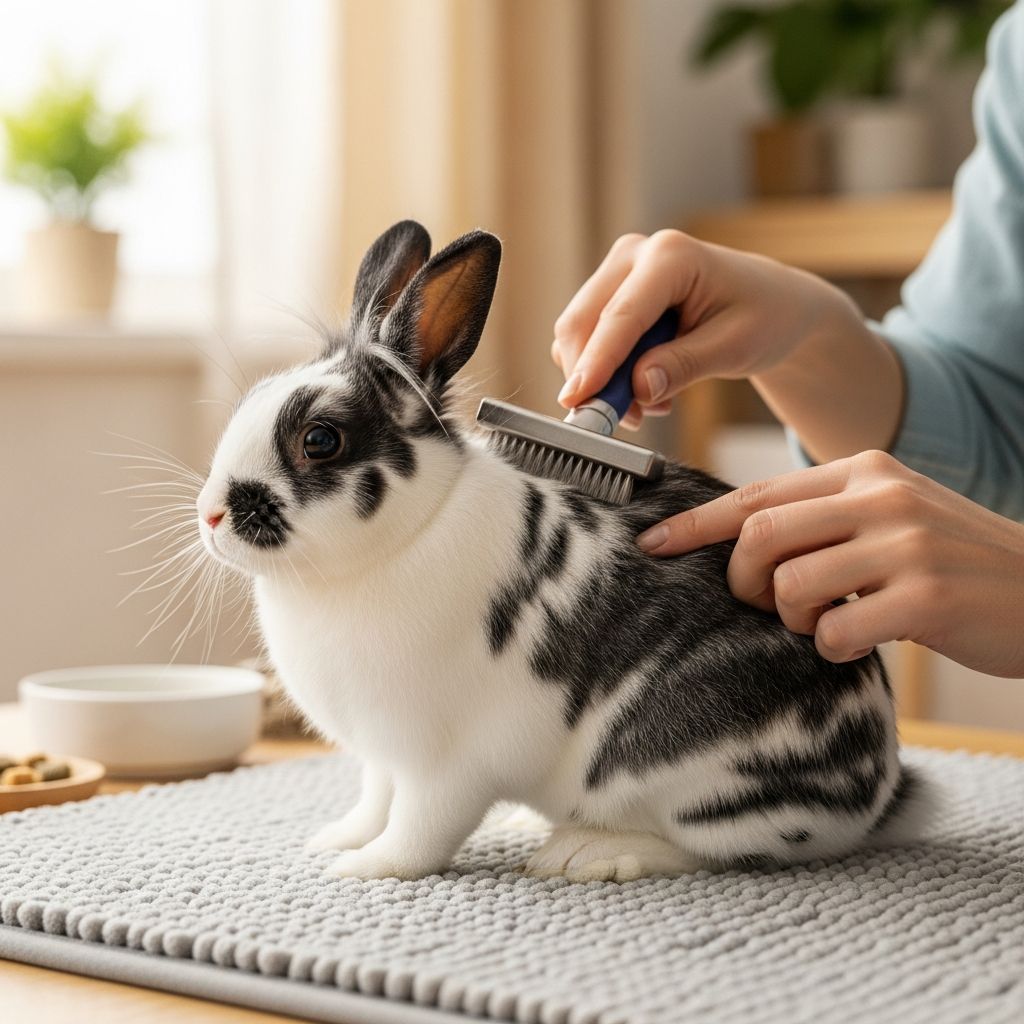
A clean, fluffy bunny not only looks good, he or she feels good. Your furry friend can only do so much to keep clean, which is why regular grooming is an essential part of rabbit care. Proper grooming helps prevent serious health issues, reduces stress, and strengthens the bond between you and your pet. Whether you have a short-haired or long-haired rabbit, establishing a consistent grooming routine is one of the most important responsibilities of rabbit ownership.
Why Rabbit Grooming Matters
Rabbits are naturally clean animals, but they still require assistance from their owners to maintain optimal health and appearance. When rabbits groom themselves, they ingest loose fur, which can accumulate in their digestive system and lead to dangerous hairball blockages. Regular brushing removes excess fur before your rabbit can swallow it, significantly reducing the risk of gastrointestinal complications. Additionally, grooming sessions allow you to perform health checks, identify skin issues, and spot any abnormalities early. Grooming also helps your rabbit feel more comfortable, especially during shedding seasons when their coat becomes thick and matted.
Understanding Your Rabbit’s Sensitive Skin
One of the most important things to remember about rabbit grooming is that rabbit skin is extremely delicate and sensitive. Unlike humans or dogs, rabbits have thin skin that bruises easily and can become irritated with rough handling. When grooming, always use gentle strokes and avoid pressing too hard with brushes or combs. This sensitivity is why many rabbits resist being brushed—the sensation can be uncomfortable or even painful if done incorrectly. Understanding this fundamental aspect of rabbit anatomy helps you approach grooming with the care and gentleness your pet deserves.
Brushing Techniques and Tools
Choosing the Right Brush
Selecting the appropriate grooming tool is crucial for successful rabbit grooming. Different tools work better for different rabbits, and what works for one bunny might not work for another. Here are the most effective options:
- Metal Combs: Traditional metal combs can be effective for removing loose fur, but they must be used carefully on rabbit’s sensitive skin. Position the comb almost flat against your rabbit’s body to avoid poking their delicate skin with the bristles.
- Slicker Brushes: These brushes have fine, short wires packed closely together and work well for removing mats and tangles, though they require a gentle touch.
- Glove Brushes: Rubber grooming gloves are excellent for rabbits that dislike traditional brushes. The soft rubber bristles mimic the sensation of petting rather than brushing, making the experience less stressful. While they don’t pull as much undercoat fur, they effectively remove surface-level loose hair.
- Rubber Brushes: These tools feature wide, soft bristles that won’t pull on your rabbit’s fur as intensely as traditional brushes. They’re ideal for surface brushing but won’t reach deep into the undercoat.
- Lint Rollers: In a pinch, lint rollers can help remove loose fur from your rabbit’s coat, though they should not be your primary grooming tool.
Proper Brushing Technique
Technique is just as important as tool selection when grooming your rabbit. Always brush in the direction of the fur growth, as brushing against the grain can be uncomfortable and pull on the skin. Start by helping your rabbit relax—many rabbits respond well to being petted before brushing begins. Some rabbits actually prefer having their hands dampened and run through their fur, as this mimics natural grooming without the abrasiveness of a brush. Once your rabbit is calm, gently brush their entire coat using long, smooth strokes. As you brush, you’ll notice loose fur starting to come to the surface. Gently pluck these tufts as they appear, removing them completely to prevent ingestion.
After completing a thorough brushing session, give your rabbit several long strokes down their back with your hands. This final step removes surface-level loose fur and provides a comforting finish to the grooming session. During heavy shedding seasons, you may need to brush your rabbit multiple times daily to keep their coat manageable. Don’t be alarmed if their coat appears ragged again after just a few hours—this is normal during shedding season and simply means another grooming session will be needed soon.
Grooming Long-Haired Rabbits
Long-haired rabbit breeds, such as Jersey Woolies and Angoras, require significantly more grooming attention than their short-haired cousins. For these breeds, brush in layers to prevent matting. Start at the back of your rabbit and lift the top layer of long fur, then brush in the direction of growth. Lower that layer and brush the next one underneath, continuing until you’ve groomed the entire rabbit. This technique helps you access the undercoat and prevents the buildup of matted fur that can be painful and lead to skin problems. If you’re not comfortable trimming long fur yourself, consider consulting with your veterinarian for guidance or professional grooming assistance.
Nail Care and Maintenance
Rabbit nails grow continuously and require regular trimming to prevent overgrowth, which can cause pain, difficulty walking, and ingrown nails. Most rabbits need nail trims approximately once every four to six weeks, though frequency depends on activity level and nail growth rate. Keeping nails short is especially important for rabbits with long fur, as overgrown nails can become hidden in their coat and go unnoticed until they cause problems.
How to Clip Rabbit Nails
Nail trimming can be stressful for both rabbit and owner, but with practice and patience, it becomes manageable. To build your rabbit’s tolerance, perform small trims regularly rather than waiting until nails are extremely long. Desensitizing your rabbit to the process through frequent, brief sessions reduces anxiety and makes nail care less traumatic. When trimming, use a small animal nail clipper and clip only the clear or white part of the nail, avoiding the pink quick where blood vessels are located. If you accidentally clip into the quick, have styptic powder on hand to stop bleeding.
Positioning your rabbit correctly makes the process easier and safer. For front nails, hold your rabbit gently but securely, allowing their front paws to dangle slightly. For hind nails, hold your rabbit underneath their chest and keep them pressed against your body so they feel secure. If your rabbit struggles, try wrapping them loosely in a towel, leaving their front legs free for easy access to front nails. Take breaks if needed, and always reward your rabbit with treats and praise after successful nail trimming sessions.
Ear Cleaning and Health Monitoring
Regular ear checks are an important part of rabbit grooming, especially for breeds with long ears or those prone to ear infections. During grooming sessions, gently examine your rabbit’s ears for signs of dirt, wax buildup, or redness. If ears appear dirty, you can gently clean the outer ear with a soft, damp cloth, but avoid inserting anything into the ear canal. Some rabbits are more susceptible to inner ear infections, so if you notice your rabbit shaking their head frequently, showing signs of imbalance, or displaying ear discharge, contact your veterinarian promptly.
Preventing Matting and Maintaining Foot Health
Matted fur, which resembles dreadlocks, can develop quickly if grooming is neglected. Mats are uncomfortable, can trap moisture and bacteria against the skin, and may eventually require professional removal or even shaving. Prevention through regular brushing is far easier than dealing with severe matting. For rabbits with long fur, daily grooming is necessary to prevent mats from forming.
Foot care is another often-overlooked aspect of rabbit grooming. Rabbits need to maintain healthy amounts of fur on their feet to prevent irritation or damage to the delicate skin beneath. Check between toes during grooming sessions and remove any mats carefully. If you notice signs of urine scald or other irritation on feet, add soft padding to your rabbit’s habitat or exercise area to provide cushioning and protection.
Grooming Frequency and Schedule
The frequency of grooming depends on your rabbit’s coat type and shedding patterns. Most rabbits require grooming at least three times per week during normal seasons. During heavy shedding periods, daily brushing becomes necessary to manage loose fur and prevent hairball blockages. Short-haired rabbits may need less frequent grooming than long-haired breeds, but all rabbits benefit from regular maintenance grooming throughout the year.
Establishing a consistent grooming schedule helps your rabbit adjust to the routine and makes the process less stressful. Many rabbits actually begin to enjoy grooming sessions once they become accustomed to them. Choose a time when your rabbit is naturally calm and relaxed, and set up a comfortable grooming station with good lighting and all necessary tools within reach.
Bathing Your Rabbit
Rabbits are naturally clean animals and rarely need baths. In fact, bathing can be extremely stressful for rabbits and can lead to serious health problems if not done carefully. Only bathe your rabbit if they have gotten into something that cannot be removed through grooming alone, such as sticky substances or heavy soiling. If bathing is absolutely necessary, use warm (not hot) water and wash only the soiled area. Have another person assist you if possible, and work as quickly as you can. Towel-dry your rabbit thoroughly and use a warm hair dryer on a low setting if needed to prevent chilling.
Making Grooming a Positive Experience
Since grooming involves significant handling and manipulation, it can be stressful for rabbits. To create positive associations with grooming, offer tasty treats during and after each session. End grooming with a relaxing massage, focusing on areas your rabbit particularly enjoys being touched. Take breaks if your rabbit becomes stressed, and never force grooming if your rabbit is extremely resistant. Over time, most rabbits learn to tolerate or even enjoy grooming sessions, especially when they’re rewarded with treats and affection.
Professional Grooming Assistance
If you’re not comfortable performing certain grooming tasks, such as nail trimming or dealing with severe matting, don’t hesitate to seek professional help. Your veterinarian or an experienced rabbit groomer can demonstrate proper techniques and can perform grooming tasks for your rabbit if needed. Building a relationship with a professional groomer familiar with rabbits ensures your pet receives expert care when necessary.
Frequently Asked Questions
Q: How often should I brush my rabbit?
A: Most rabbits need brushing at least three times per week during normal seasons. During heavy shedding periods, daily brushing becomes necessary to prevent hairballs and manage loose fur effectively.
Q: My rabbit hates being brushed. What can I do?
A: Try alternative grooming methods like glove brushes, rubber brushes, or dampening your hands and running them through their fur. If your rabbit still resists, work in short sessions and reward them with treats. Some rabbits prefer hand-grooming over traditional brushing.
Q: How do I prevent hairballs in my rabbit?
A: Regular brushing is the best prevention for hairballs. By removing loose fur before your rabbit ingests it through self-grooming, you significantly reduce the risk of dangerous blockages.
Q: Can I bathe my rabbit?
A: Rabbits rarely need baths since they’re naturally clean animals. Bathing can cause extreme stress and health complications. Only bathe your rabbit if absolutely necessary for stubborn soiling, and do so quickly with another person’s assistance.
Q: How often do rabbit nails need trimming?
A: Rabbit nails typically need trimming every four to six weeks, though frequency varies depending on your rabbit’s activity level and nail growth rate.
Q: What should I do if my rabbit’s fur gets matted?
A: Gently work out small mats using a slicker brush or comb, working in the direction of hair growth. For severe matting, seek professional grooming help to avoid injuring your rabbit’s sensitive skin.
Q: Is it normal for rabbits to shed a lot?
A: Yes, rabbits shed regularly throughout the year, with heavier shedding during seasonal coat changes. Regular brushing helps manage shedding and prevents hairball-related health issues.
References
- The Complete Guide to Grooming Your Rabbit — Bunny Lady. Accessed November 2025. https://bunnylady.com/rabbit-grooming/
- Grooming Your Rabbit — Animal Welfare Association. Accessed November 2025. https://www.awanj.org/rabbit-care/
- Grooming — Rabbit.org. Accessed November 2025. https://rabbit.org/care/grooming-handling/grooming/
- Rabbit Grooming — Western Pennsylvania Veterinary Medical Association. Accessed November 2025. https://wpvet.com/
- Where Do Rabbits Like To Be Petted? — Lafeber Co. Accessed November 2025. https://lafeber.com/mammals/rabbits-like-petted/
Similar Articles








Read full bio of medha deb