Guinea Pig Grooming Tips: 8 Essential Tasks For A Healthy Pet
Master guinea pig grooming: Complete guide to brushing, baths, nails, and ear care.
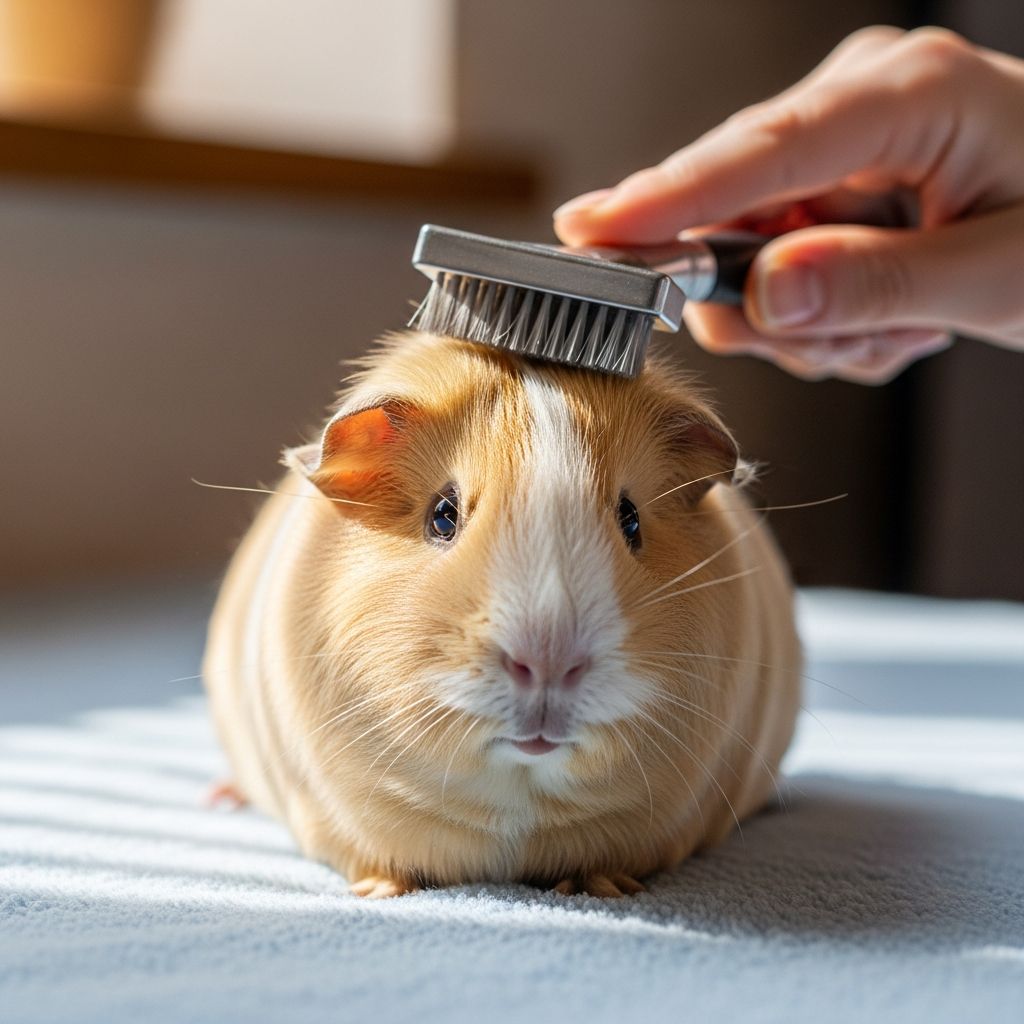
Tips For Grooming Your Guinea Pig
While guinea pigs are known for requiring less grooming compared to dogs and other larger pets, they still benefit significantly from regular maintenance and care routines. Though guinea pigs do engage in self-grooming behaviors, they cannot manage all their grooming needs independently. The good news is that grooming your guinea pig is straightforward and the minimal time investment pays tremendous dividends in terms of your pet’s overall health and happiness. Whether you have a single guinea pig or a group of these adorable companions, establishing a consistent grooming routine will strengthen your bond while keeping your furry friends looking and feeling their absolute best.
Understanding Guinea Pig Baths
Many guinea pig owners wonder whether their pets actually need baths. The answer is nuanced: most guinea pigs do not require frequent bathing, and fortunately, most guinea pigs actively dislike the bathing experience. This works out well since their natural oils and self-grooming habits typically keep them clean without intervention.
When Spot Cleaning Is Enough
For minor dirt or soiling, spot cleaning is an excellent alternative to full baths. Use a soft baby wipe or a shampoo specifically formulated for small animals to gently clean affected areas. This targeted approach addresses cleanliness concerns without subjecting your guinea pig to the stress of a complete bath.
Full Bath Guidelines
If your guinea pig truly requires a full-body bath, follow these essential safety guidelines. Always use guinea pig-safe shampoo formulated specifically for their delicate skin, as human shampoo can cause dryness and irritation. Use lukewarm water that only reaches your guinea pig’s belly—never submerge your pet completely in water. Guard against getting water into your guinea pig’s ears or eyes, as this can cause discomfort and potential infections.
After thoroughly rinsing out all shampoo residue, gently towel dry your guinea pig. Follow up with a blow dryer set on the lowest heat setting. Keep one hand positioned between your guinea pig and the dryer to constantly monitor the temperature—it should feel slightly warm at most. Complete drying is essential; a damp guinea pig can develop illness from chilling. This entire bathing process should be conducted calmly to minimize stress for your pet.
Managing Grease Glands
Some guinea pigs, particularly males, have an active grease gland located at the base of their spine just above the anus. This specialized gland can accumulate grease, become matted, and develop an unpleasant odor. The severity varies considerably among individual guinea pigs.
If you notice matting or odor in this area, establish a regular inspection schedule. You may need to perform “butt baths” or gently clean the gland using a cotton swab lightly soaked in an appropriate cleaning agent. Your veterinarian or guinea pig-savvy groomer can demonstrate proper cleaning techniques and recommend specific products suitable for your individual pet’s needs.
Maintaining Healthy Guinea Pig Coats
Consider what your own hair would look like without brushing for several days—guinea pigs experience similar matting and tangling without regular brushing, particularly longhaired breeds. Regular brushing offers multiple benefits beyond aesthetics: it prevents fur matting, helps redistribute natural skin oils throughout the coat, and stimulates skin health.
Choosing the Right Grooming Tools
Select grooming tools that work best for both you and your guinea pig. Options include soft-bristled pet brushes, specialized grooming gloves designed for small animals, or fine-toothed combs. Experiment with different tools to determine your guinea pig’s preferences and which implements produce the best results for your pet’s coat type. Always maintain a gentle touch throughout the brushing process to avoid causing discomfort.
Brushing Frequency Based on Coat Type
The appropriate brushing schedule depends entirely on your guinea pig’s coat length. Shorthaired guinea pig breeds require brushing at minimum every few days to maintain coat health. Longhaired varieties demand daily brushing to prevent the extensive matting and tangling that occurs with their longer fur. Many guinea pig owners find that regular brushing doubles as enjoyable bonding time, as the sensation often feels like formal petting to your pet.
Health Checks During Grooming
Use grooming time as an opportunity to perform a thorough health inspection. As you brush, carefully observe and feel your guinea pig’s body for any unusual lumps, bumps, or skin irregularities. Note any areas of concern and discuss findings with your veterinarian at your next visit. This proactive approach helps catch potential health issues early.
Managing Long-Haired Guinea Pigs
If your longhaired guinea pig constantly drags fur through dirt and bedding, consider trimming the coat length so it doesn’t touch the floor. Similarly, guinea pigs whose long tail fur becomes frequently soiled may benefit from careful trimming in that area to prevent constant wetness and potential skin irritation around the hindquarters.
Proper Guinea Pig Nail Trimming
There is no debate about the necessity of regular guinea pig nail trims. Once you feel an overgrown nail prick your skin or observe your guinea pig struggling to walk properly due to nail length, the importance becomes immediately clear. Neglected nails cause discomfort and can lead to walking difficulties and behavioral changes.
Trimming Frequency and Tools
Guinea pigs typically require nail trims approximately every six to eight weeks, though frequency may vary based on individual growth rates and activity levels. Essential to successful trimming is using proper pet grooming scissors specifically designed for small animal nails. Using inappropriate scissors can damage the nail structure and cause pain.
Safe Trimming Technique
Your guinea pig must be held completely still during the trimming process. Either you or a helper should gently but securely restrain your pet to allow safe nail access. The critical point to remember is never to trim into the quick—the blood vessel running through the center of each nail. Cutting into the quick causes bleeding and significant pain. If you lack confidence in your ability to trim safely, your veterinarian, a guinea pig-savvy groomer, or staff at a local guinea pig rescue can demonstrate proper technique and perform trims for you.
Ear Care and Inspection
Guinea pig ears require regular attention and inspection as part of a comprehensive grooming routine. The ear structures can accumulate earwax buildup in the outer folds, and they are susceptible to ear mite infestations that cause discomfort and hearing issues.
Weekly Inspection Protocol
Incorporate ear inspection into your weekly grooming routine. Carefully examine both ears for signs of excessive wax, redness, discharge, or other abnormalities. This habit establishes a baseline for normal ear health and helps identify problems early.
Cleaning Outer Ear Folds
Clean the outer ear folds every two weeks using mineral oil as the cleaning agent. Place a single drop of mineral oil on each outer ear fold. Wait approximately five minutes to allow the oil to soften any wax buildup. Use a clean, soft cloth to gently wipe away the oil and loosened wax. Important: only touch the outer ear area. Never insert anything into the ear canal, as this risks damaging delicate internal ear structures and causing infection.
When to Seek Veterinary Care
If you observe anything abnormal during your ear inspections—such as excessive discharge, foul odors, signs of mites, persistent scratching, or head shaking—contact your veterinarian promptly. These symptoms may indicate infections or parasites requiring professional treatment.
Creating an Effective Grooming Routine
Successful guinea pig grooming depends on establishing consistency. Set aside dedicated time weekly for grooming activities, making it part of your regular pet care schedule. Start grooming sessions when your guinea pig is calm and relaxed, ideally in a comfortable, quiet environment where your pet feels secure. Keep sessions relatively short, especially initially, to prevent stress and maintain positive associations with grooming.
Handle your guinea pig with a two-handed hold to ensure security and confidence. This approach reduces the risk of drops and injuries while allowing your pet to feel stable and supported. Over time, your guinea pig may actually begin looking forward to grooming sessions as valued bonding time with you.
Summary of Key Grooming Tasks
| Grooming Task | Frequency | Purpose | Tools/Materials Needed |
|---|---|---|---|
| Coat Brushing (Short-haired) | Every few days | Prevent matting, distribute oils, stimulate skin | Soft-bristled brush, grooming glove, or comb |
| Coat Brushing (Long-haired) | Daily | Prevent extensive matting and tangling | Soft-bristled brush, grooming glove, or comb |
| Nail Trimming | Every 6-8 weeks | Prevent overgrowth and walking difficulties | Pet grooming scissors |
| Ear Inspection | Weekly | Check for wax buildup and infections | Visual inspection only |
| Outer Ear Cleaning | Every 2 weeks | Remove wax buildup | Mineral oil, soft cloth |
| Grease Gland Inspection | As needed | Prevent matting and odor | Cotton swabs, cleaning agent |
| Spot Cleaning | As needed | Address minor dirt without full bath | Baby wipes or small animal shampoo |
| Full Bath | Rarely | Deep cleaning when necessary | Guinea pig-safe shampoo, lukewarm water, towel, blow dryer |
Frequently Asked Questions
Q: How often should I groom my guinea pig?
A: Grooming frequency depends on your guinea pig’s coat type. Shorthaired breeds need brushing every few days, while longhaired varieties require daily brushing. Nail trimming is needed every 6-8 weeks, ear inspection weekly, and outer ear cleaning every 2 weeks.
Q: Do guinea pigs really need baths?
A: Most guinea pigs do not need regular baths since they dislike water and maintain themselves through self-grooming. Use spot cleaning for minor dirt issues. Reserve full baths only for cases where your guinea pig is significantly soiled.
Q: What shampoo should I use for my guinea pig?
A: Always use shampoo specifically formulated for small animals or guinea pigs. Never use human shampoo, as it can dry out their sensitive skin and cause irritation. Ask your veterinarian for product recommendations.
Q: How do I know if my guinea pig’s nails are too long?
A: Signs of overgrown nails include feeling a prick when handling your guinea pig, observing your pet having difficulty walking, or noticing visibly curved or long nails. Schedule a trim every 6-8 weeks as a preventive measure.
Q: What is a grease gland and why does it need cleaning?
A: The grease gland is a small area at the base of a guinea pig’s spine above the anus. It can accumulate grease, become matted, and develop odor, especially in male guinea pigs. Regular inspection and cleaning prevent these issues.
Q: Can I trim my guinea pig’s nails myself?
A: Yes, but use proper pet grooming scissors and never cut into the quick (blood vessel). If unsure, your veterinarian or guinea pig-savvy groomer can demonstrate the technique or perform trims for you.
Q: Why is ear cleaning important for guinea pigs?
A: Ears can accumulate wax and are susceptible to mite infestations. Regular inspection and gentle cleaning with mineral oil prevent buildup and help catch infections early.
Q: Should I be worried about my guinea pig’s skin when grooming?
A: Always be gentle when brushing to avoid hurting your guinea pig’s skin. If you notice lumps, bumps, or other skin abnormalities during grooming, discuss them with your veterinarian promptly.
References
- Tips For Grooming Your Guinea Pig — Lafeber Company. https://lafeber.com/mammals/tips-for-grooming-your-guinea-pig/
- Care of the Pet Guinea Pig — Lafeber Veterinary. https://lafeber.com/vet/guinea-pigs-care-of-pet/
- A Crash Course in Guinea Pig Care — West Valley Animal Hospital. https://westvalleyanimalhospital.com/a-crash-course-in-guinea-pig-care/
Similar Articles








Read full bio of Sneha Tete