

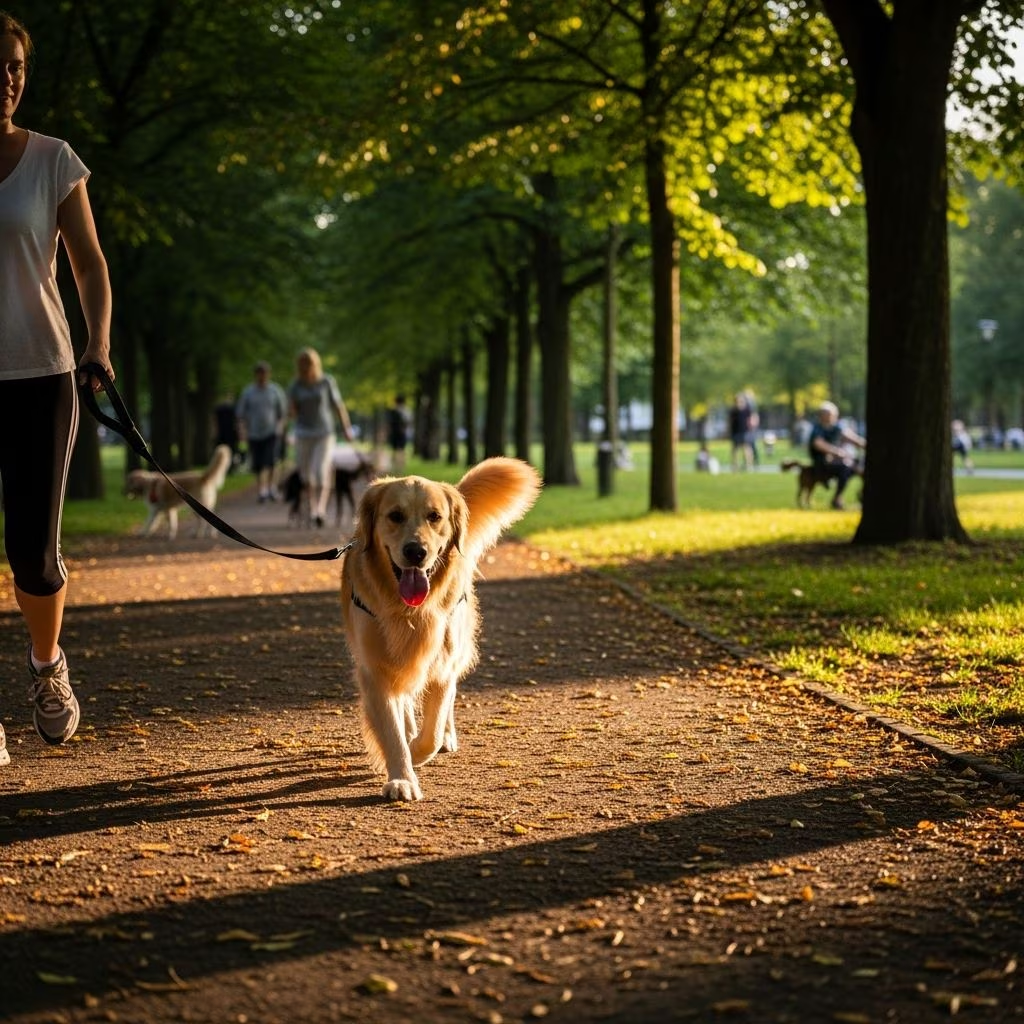
As the summer season arrives, pet owners often look forward to spending more time outdoors with their furry companions. However, the warm weather brings unique challenges and risks for dogs that require special attention and care. Walking your dog during summer months demands extra precautions to ensure their safety and well-being. Dogs are susceptible to various heat-related illnesses including heatstroke, dehydration, paw pad burns, and even sunburn. By implementing proper safety measures and understanding your dog’s needs during hot weather, you can ensure that summer walks remain enjoyable and safe for both you and your beloved pet.
Why Summer Walking Requires Extra Care
Dogs experience heat differently than humans do. Unlike people who can sweat across their entire body to cool down, dogs rely primarily on panting and releasing heat through their paw pads and nose. This means they are far more vulnerable to overheating during summer months. Additionally, the pavement and asphalt that your dog walks on can become dangerously hot—reaching temperatures 40 to 60 degrees Fahrenheit higher than the ambient air temperature. This extreme heat can cause burns and blisters on your dog’s sensitive paw pads in as little as 60 seconds, making proper precautions essential.
Consider the Time of Day
One of the most important factors when planning summer walks is timing. The time of day you choose to walk your dog can significantly impact their comfort and safety. Schedule your walks during the cooler parts of the day—early morning before 10 a.m. or late evening after 5 p.m. These times typically feature lower temperatures and reduced risk of both overheating and pavement burns.
Avoid walking your dog during peak sun hours, typically between 10 a.m. and 4 p.m. During these hours, pavement becomes extremely hot and uncomfortable for your dog, and the direct sun exposure increases the risk of heat-related illness. If temperatures exceed 80 degrees Fahrenheit, you should limit outdoor time to quick potty breaks only. When temperatures reach or exceed 90 degrees Fahrenheit, most dogs are at significant risk of heatstroke, and outdoor walking should be avoided entirely.
Always Bring Water and Stay Hydrated
Maintaining proper hydration is crucial for your dog’s health during summer walks. Just like humans, dogs need to drink water regularly, especially in hot weather. Dogs cannot cool down as efficiently as humans, making dehydration a serious concern during outdoor activities.
Always carry a portable water bottle and collapsible bowl during your walks. Offer your dog water breaks every 15 to 20 minutes, particularly on hot and humid days. Keep water available at rest stops and shaded areas along your route. If your dog is reluctant to drink plain water, you can encourage hydration by adding a splash of tasty bone broth to make it more appealing. Remember to bring water for yourself as well—staying hydrated helps you make better decisions about your dog’s safety and recognize signs of distress more readily.
Protect Their Paws from Hot Surfaces
Your dog’s paw pads are particularly vulnerable to heat damage during summer walks. Pavement and asphalt can become extremely hot, potentially causing burns, blisters, and painful injuries to these sensitive areas. To protect your dog’s paws, consider several protective strategies.
The simplest test to determine if pavement is safe for your dog is the hand test. Place the back of your hand or bare foot on the pavement for about five to ten seconds. If the surface feels too hot for your hand, it is definitely too hot for your dog’s paws. When possible, choose grassy trails, dirt paths, or other cooler alternatives to hot pavement. Parks with designated paths, school running tracks, and grassy areas along your walking route provide excellent alternatives that minimize paw pad exposure to hot surfaces.
Additional protective measures include using dog booties, which provide a physical barrier between your dog’s paws and hot surfaces. Alternatively, apply paw balm or specialized paw protection wax to create a protective coating. These products help shield paw pads from extreme heat while maintaining traction and comfort. For especially hot days, consider visiting dog-friendly beaches, lakes, or pools where your dog can enjoy water activities instead of traditional walks.
Choose Shaded Walking Paths
When planning your summer walking routes, prioritize paths that offer shade and protection from direct sunlight. Trees, buildings, covered walkways, and wooded trails provide relief from the scorching sun and help prevent your dog from overheating. Plan your route strategically to ensure there are adequate shaded areas along the way where your dog can rest and cool down if needed.
Shaded paths serve multiple benefits during summer walks. They reduce direct sun exposure, which lowers your dog’s body temperature and decreases the risk of heat-related illness. Shaded areas also tend to have cooler ground temperatures, which is gentler on your dog’s paw pads. If you cannot avoid walking on pavement, seek routes that have shade or provide access to cooler areas such as ponds or streams where your dog can splash and cool off.
Take Frequent Breaks and Monitor for Overheating
During hot weather walks, allow your dog to take breaks and rest in shady spots as frequently as they need. Avoid pushing your dog to exercise beyond their comfort level, and listen carefully to their body language and behavior cues. On extremely hot days, limit walks to just five to fifteen minutes at peak temperatures, and consider multiple shorter walks during cooler hours instead of one long outing.
Pay close attention to signs that your dog is overheating. Common indicators include excessive panting, heavy drooling, stumbling or loss of coordination, bright red gums, lethargy, or confusion. If you notice any of these warning signs, immediately find a cool place to rest and offer your dog water. Apply cool (not cold) wet cloths to your dog’s feet, head, and belly to help lower their body temperature. If symptoms persist or worsen, contact your veterinarian immediately, as these signs can indicate heat exhaustion or heatstroke, both of which are medical emergencies.
Keep Your Dog on a Leash and Update ID Tags
Summer brings exciting outdoor stimuli—new smells, wildlife, and activities—that can easily distract or overstimulate your dog. Always keep your dog securely on a leash during summer walks to prevent them from running off or getting into potentially dangerous situations. A leash provides essential control and safety during walks, particularly when your dog becomes overexcited or distracted.
Additionally, make sure your dog’s ID tags are current and contain your up-to-date contact information. Even with a secure leash, accidents can happen—a dog might slip out of their collar or become spooked. Current ID tags significantly increase the likelihood of being reunited with your pet if they get loose. Consider microchipping your dog as well for an additional layer of permanent identification.
Adjust Your Pace and Walk Duration
During summer months, adjust both the pace and duration of your walks to accommodate hot weather conditions. Walk at a slower pace than you normally would, particularly for flat-faced breeds that have difficulty breathing in heat. Slow-paced walks reduce exertion and heat generation, helping your dog maintain a safe body temperature.
On extremely hot days, significantly reduce walk duration. Instead of taking one long walk, consider breaking your dog’s exercise into multiple shorter walks during the coolest parts of the day. In the evenings when temperatures have dropped, you may be able to walk up to 30 minutes if your dog tolerates heat well and the conditions are mild. During peak heat hours, restrict outdoor time to just five to fifteen minutes, focusing on necessary bathroom breaks rather than extended exercise.
Special Considerations for Different Breeds
Some dog breeds require even more careful attention during summer months due to their physical characteristics. Brachycephalic breeds (flat-faced dogs) like Bulldogs, Pugs, and Boxers have narrower airways and more difficulty breathing, making them especially vulnerable to heat-related illness. Thick-coated breeds such as Golden Retrievers, Huskies, and German Shepherds have coats that provide insulation and trap heat, making them less efficient at cooling themselves. Senior dogs, puppies, and dogs with pre-existing health conditions also need extra caution during summer walks.
For breeds that need special summer care, avoid prolonged time outside and minimize exposure to hot asphalt or sand. If possible, stick to grass or dirt surfaces for their entire walk. When outdoors, ensure they have plenty of access to shade and fresh water. If these breeds appear to be overheating, apply cool, wet cloths to their feet, head, and belly to help regulate body temperature.
Summary of Summer Walking Safety Tips
| Safety Tip | Key Details |
|---|---|
| Timing | Walk early morning (before 10 a.m.) or late evening (after 5 p.m.); avoid peak sun hours (10 a.m.–4 p.m.) |
| Temperature Limits | Below 80°F is safe; 80–90°F requires short walks only; above 90°F should be avoided |
| Hydration | Carry water and collapsible bowl; offer water breaks every 15–20 minutes |
| Paw Protection | Test pavement with hand test; choose grass or dirt; use booties or paw balm if needed |
| Route Selection | Choose shaded paths and cooler surfaces; avoid hot pavement when possible |
| Rest Breaks | Take frequent breaks in shade; allow rest as needed; watch for overheating signs |
| Duration | Limit to 5–15 minutes during peak heat; multiple shorter walks preferable to one long walk |
| Leash Control | Always keep dog on leash; maintain updated ID tags |
Frequently Asked Questions
Q: How can I tell if my dog is overheating?
A: Signs of overheating include excessive panting, heavy drooling, stumbling or loss of coordination, bright red gums, lethargy, and confusion. If you notice these signs, immediately move your dog to a cool location, offer water, and apply cool wet cloths to their feet, head, and belly. Contact your veterinarian if symptoms persist.
Q: Is it safe to leave my dog in the car while I run errands?
A: Never leave your dog alone in a parked car, even for short periods during summer. Car interiors heat up extremely quickly and can reach dangerous temperatures, leading to heatstroke. Always bring your dog inside with you or leave them home in air conditioning.
Q: What temperature is too hot to walk my dog?
A: Generally, if temperatures exceed 80 degrees Fahrenheit, limit outdoor activities to brief potty breaks. At temperatures above 89 degrees Fahrenheit, most dogs are at risk of heatstroke. Avoid walking your dog when temperatures reach or exceed 90 degrees Fahrenheit.
Q: Can I use human sunscreen on my dog?
A: No, human sunscreen often contains ingredients that are toxic to dogs. Use dog-specific sunscreen products instead, and focus on protecting areas with less hair coverage, such as the nose, ears, and belly.
Q: How often should I offer my dog water during summer walks?
A: Offer water breaks every 15 to 20 minutes during hot weather walks. Carry a portable water bottle and collapsible bowl to ensure your dog can drink whenever needed.
Q: Are certain dog breeds more susceptible to heat-related illness?
A: Yes, brachycephalic breeds (flat-faced dogs like Bulldogs and Pugs), thick-coated breeds, senior dogs, puppies, and dogs with pre-existing health conditions are more vulnerable to heat-related illness and require extra precautions.
Q: What should I do if my dog gets paw pad burns?
A: If your dog’s paw pads show signs of burns, blisters, or injury, clean the area gently with cool water and contact your veterinarian. Do not apply home remedies without professional guidance, as serious burns require veterinary treatment.
References
- 10 Summer Dog Walking Tips — PetMD. Accessed November 2025. https://www.petmd.com/dog/general-health/summer-dog-walking-tips
- How Hot Is Too Hot for Dogs? — Chewy. Accessed November 2025. https://www.chewy.com/education/dog/health-and-wellness/how-hot-is-too-hot-for-dogs
- When Is It Too Hot to Walk Your Dog Outside? — Stella & Chewy’s. Accessed November 2025. https://www.stellaandchewys.com/blogs/articles/walking-dogs-in-hot-weather
- How to Protect Your Dog’s Paws from Heat and Hot Pavement — Chewy. Accessed November 2025. https://www.chewy.com/education/dog/pet-parenting/protect-pets-paws-heat
- 8 Breeds that Need Special Summer Care — Chewy. Accessed November 2025. https://www.chewy.com/education/dog/general/behavior-breeds-8-breeds-that-need-special-summer-care
Conclusion
Walking your dog during summer months requires careful planning and attention to safety, but it doesn’t mean you have to eliminate outdoor activities from your routine. By following these comprehensive summer dog walking tips—considering the time of day, maintaining proper hydration, protecting paw pads, choosing shaded routes, taking frequent breaks, and monitoring your dog for signs of overheating—you can ensure that your summer walks remain safe, enjoyable, and healthy for your furry companion. Remember that every dog is different, so pay attention to your individual pet’s tolerance for heat and adjust your routine accordingly. With proper precautions and care, you and your dog can continue to enjoy outdoor adventures throughout the summer season while keeping your pet safe and comfortable.



