

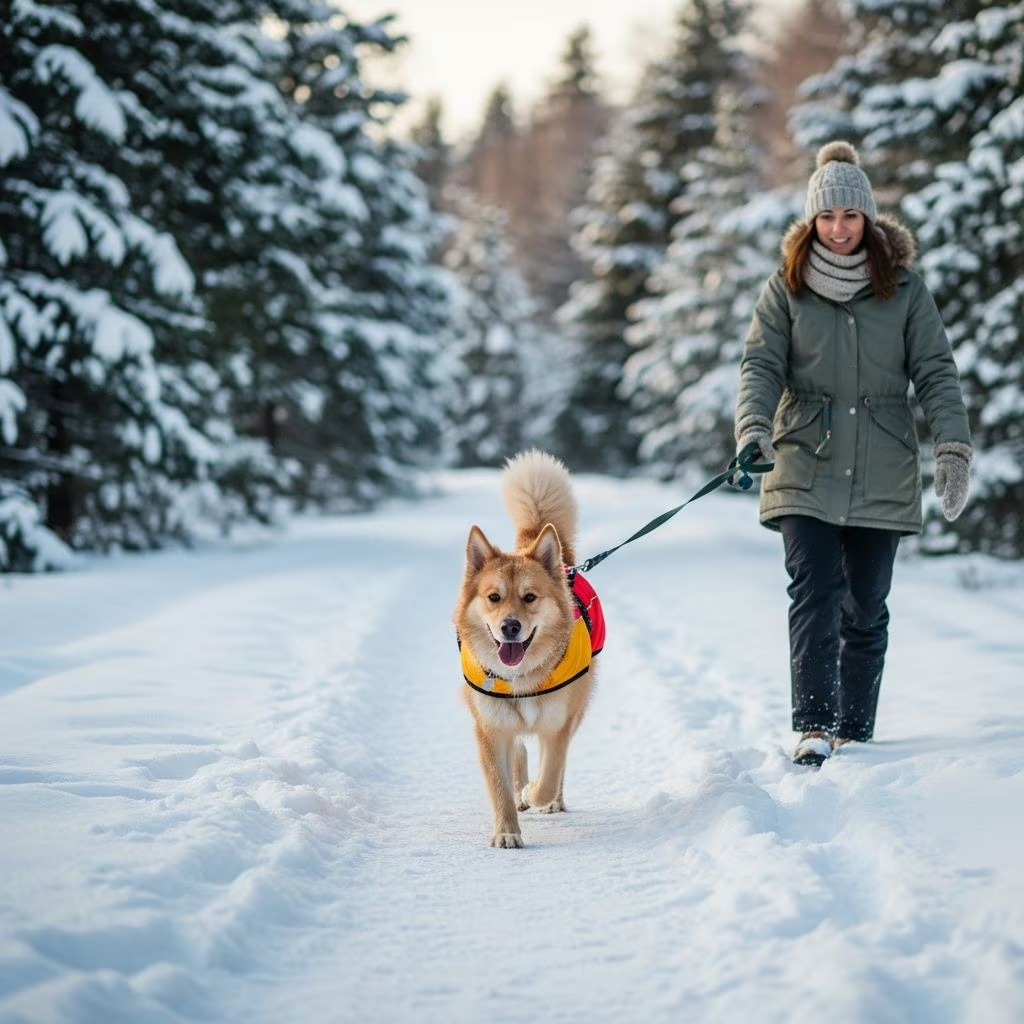
Tips for Walking Dogs in Winter: A Comprehensive Safety Guide
Winter presents unique challenges for dog owners who want to maintain their pets’ exercise routines while keeping them safe and comfortable. As temperatures drop and daylight hours diminish, walking your dog requires careful planning and preparation. Whether you have a cold-loving breed or a pet that despises freezing weather, understanding how to navigate winter walks ensures your dog stays healthy, happy, and secure throughout the season.
Understanding Your Dog’s Cold Tolerance
Not all dogs handle cold weather equally. Your dog’s tolerance depends on several factors, including breed, coat type, age, and size. Small breeds, puppies, senior dogs, and those with thin or short coats are particularly vulnerable to cold temperatures and may require extra protection during winter walks. Dogs with longer, thicker coats generally have more natural insulation, but even these pets can struggle in extremely cold conditions.
Before heading out for winter walks, assess your individual dog’s needs. Watch for signs of cold sensitivity, such as reluctance to go outside, shivering, or excessive licking of paws. These indicators suggest your dog may need additional protection or shorter walk durations.
Protecting Your Dog’s Paws
Your dog’s paws are particularly vulnerable during winter months. Cold temperatures, ice, snow, and de-icing salt can cause significant damage to these sensitive areas. Paw protection should be a top priority in your winter dog walking routine.
Paw Care Essentials
Cold weather makes paws dry, cracked, and sore, so regular inspection is essential. Check your dog’s paws daily for rough patches, cuts, or signs of irritation. If you notice any concerning changes, apply a dog-safe balm or protective wax to soothe and protect the skin.
Consider trimming the hair between your dog’s toe pads to prevent ice from accumulating in these spaces. Additionally, keeping nails trimmed provides better traction on slippery surfaces, reducing the risk of slips and injuries.
Booties and Protective Gear
Dog boots offer excellent protection from cold temperatures, harmful chemicals, and rough surfaces. They prevent direct contact with ice melt and rock salt, which can irritate paws and upset your dog’s stomach if ingested. Before a winter walk, you can also apply a layer of Vaseline or oil-based cream on your dog’s toes and pads for additional protection.
If your dog tolerates booties, they become an invaluable winter accessory. If your dog resists wearing them, start with short practice sessions indoors to build tolerance gradually. Many dogs eventually accept booties once they understand the benefits.
Keeping Your Dog Warm and Cozy
Just as you bundle up in winter layers, your dog may need extra insulation to stay comfortable. Providing appropriate clothing ensures your dog can enjoy outdoor time without becoming dangerously cold.
Choosing the Right Dog Coat
Smaller breeds, older dogs, and puppies often need a dog coat or sweater for winter walks. A well-fitted coat provides essential insulation and helps regulate body temperature. Select coats designed specifically for dogs, ensuring proper fit around the chest, back, and belly. Waterproof or water-resistant materials offer additional protection against snow and moisture.
Even dogs with thicker natural coats may appreciate a lightweight coat during extreme cold or wet conditions. The key is ensuring your dog remains comfortable without overheating during activity.
Indoor Comfort Measures
Winter comfort extends beyond outdoor walks. Ensure your dog’s bed is warm, padded, and positioned away from drafts and cold windows. Add extra blankets on particularly cold nights to create a cozy resting space. Maintaining a comfortable indoor environment helps your dog recover from cold outdoor exposure and supports overall winter wellness.
Adjusting Walk Duration and Intensity
Cold weather may require adjustments to your dog’s regular exercise routine. When temperatures drop significantly, shorter, more frequent walks often replace longer outings.
Temperature Guidelines
When temperatures fall below 20 degrees Fahrenheit, limit walks to approximately 15 minutes, being mindful of your dog’s individual coat type and cold tolerance. Pay attention to signs that your dog is too cold, including whining, shivering, lifting paws off the ground, or excessive paw licking. These behaviors indicate it’s time to head indoors and provide warmth and comfort.
Timing Your Walks
Take advantage of daylight hours whenever possible. Scheduling walks during midday when temperatures peak helps ensure safer, more comfortable experiences. This timing also helps you avoid the challenges of walking in darkness, which becomes more frequent during winter months.
Maintaining Exercise and Mental Stimulation Indoors
On particularly cold days or when your dog refuses to brave the elements, indoor activities keep your pet mentally stimulated and physically active.
Indoor Exercise Options
Engage your dog with indoor games such as hallway fetch, tug toys, and interactive puzzle feeders. These activities burn energy, prevent boredom, and maintain fitness levels when outdoor walks aren’t feasible. Playing fetch down hallways or stairs provides cardiovascular benefits without exposing your dog to cold temperatures.
Puzzle feeders offer dual benefits: they provide mental stimulation while dispensing meals or treats slowly. This combination keeps your dog entertained and engaged during extended indoor periods.
Avoiding Winter Hazards
Winter environments contain several hazards that require awareness and prevention. Understanding these dangers protects your dog from serious injury or poisoning.
Chemical Dangers
Antifreeze is extremely toxic, and its sweet smell can tempt dogs to consume it. Store antifreeze securely and clean up any spills immediately. Keep your dog away from areas where antifreeze might be present, such as parked cars or garages. Additionally, rock salt and ice melt products can irritate paws and upset digestive systems if ingested.
Frozen Water Hazards
Never let your dog near frozen bodies of water. Even though ice may appear solid, thin spots can break unexpectedly, causing your dog to fall through and potentially drown. Keep your dog securely on a leash near frozen ponds, lakes, or rivers. The risk becomes especially acute during snowstorms when visibility is reduced.
Snow Diving Safety
While dogs may find snow piles tempting, discourage snow diving behavior. Hidden hazards beneath snow—including debris, sharp objects, or unexpected drops—can cause injuries such as sprained joints. Redirect your dog’s attention to safer activities and toys to prevent risky behavior.
Maintaining Visibility on Winter Walks
Winter’s reduced daylight and dark mornings create visibility challenges for both dogs and owners. Enhanced visibility measures significantly improve safety during winter walks.
Reflective and LED Gear
Equip your dog with reflective collars, harnesses, or coats that help cars and other pedestrians spot your pet clearly. LED collars and clip-on lights increase visibility in low-light conditions, making your dog easier to see and reducing accident risks. These accessories are inexpensive investments that provide substantial safety benefits.
For personal safety, wear bright-colored or reflective clothing yourself. High-visibility jackets help drivers and cyclists see you clearly, protecting both you and your dog during dark walks.
Route Selection and Microchipping
Choose well-lit routes with streetlights whenever possible. These paths provide better visibility for identifying hazards and reduce the risk of encounters with unsafe situations or wildlife. Avoid high-speed roads without pavements; use pedestrian crossings and stick to familiar routes.
Ensure your dog’s microchip information is current with your address and contact details. Should your dog escape or become lost during a winter walk, updated microchip data significantly increases the chances of reunion.
Essential Leash and Control Practices
Winter conditions demand stricter leash discipline and control measures to prevent accidents and ensure safety.
Never Let Your Dog Off-Leash
During winter, keeping your dog securely on a leash is non-negotiable. Dogs can easily wander onto frozen bodies of water with thin ice, lose their scent in snow and become lost, or consume dangerous substances like salt and antifreeze along with melting snow. Maintaining leash control prevents these potentially catastrophic outcomes.
Improving Traction and Control
Trimmed nails provide better traction on slippery surfaces, giving your dog more stability and control during icy walks. A well-fitted harness offers better control than a collar alone, particularly on slick surfaces where your dog might slip unexpectedly.
Hydration and Post-Walk Care
Winter’s dry conditions can be dehydrating for dogs despite cold temperatures. Proper hydration and post-walk care support your dog’s overall health during winter months.
Fresh Water Availability
Ensure fresh water is available when you return from winter walks. Cold weather can be dehydrating, and dogs may not realize they’re thirsty. Provide water immediately after outdoor time to support proper hydration.
Post-Walk Inspection and Cleaning
After each winter walk, inspect your dog’s paws for cuts, ice buildup, or salt irritation. Wipe paws with a damp cloth to remove salt and chemicals that could cause irritation or be ingested during grooming. Check your dog’s ears, tail, and other exposed areas for frostbite or cold-related injuries.
Safety Considerations for Owners
While protecting your dog, don’t neglect your own safety during winter walks.
Walking Companions and Visibility
Whenever possible, walk with a friend or join a local dog walking group. Walking with others is safer than walking alone and often deters potential dangers. If you must walk alone, share your location with someone you trust. Wear bright-colored or reflective clothing so others can see you clearly.
Route Planning and Hazard Awareness
Plan your route in advance, avoiding high-speed roads and choosing well-lit paths. Walk confidently in open, visible areas rather than isolated locations. Be aware of slippery surfaces that pose risks to both you and your dog, and adjust your walking pace accordingly.
Special Considerations for Different Dog Types
| Dog Type | Winter Considerations | Recommended Precautions |
|---|---|---|
| Small Breeds | Feel cold more easily; limited body heat | Dog coat, booties, shorter walks, more frequent indoor breaks |
| Senior Dogs | Reduced circulation; difficulty with slippery surfaces | Protective gear, shortened walks, improved traction aids, indoor alternatives |
| Puppies | Immature temperature regulation | Extra insulation, limited cold exposure, frequent monitoring |
| Thin-Coated Breeds | Minimal natural insulation | Dog coat, booties, paw protection, reduced walk duration |
| Cold-Loving Breeds | Generally thrive in winter conditions | Basic paw care, monitoring for overexertion, awareness of hazards |
Frequently Asked Questions About Winter Dog Walking
Q: How do I know if my dog is too cold to walk outside?
A: Signs of cold distress include shivering, reluctance to go outside, lifting or licking paws repeatedly, whining, and seeking shelter constantly. If you notice these behaviors, it’s time to head indoors and provide warmth.
Q: Do all dogs need winter coats?
A: Not all dogs require coats, but small breeds, puppies, senior dogs, and those with thin coats benefit significantly from additional insulation. Dogs with thick natural coats may only need protection in extreme conditions.
Q: What’s the safest way to protect my dog’s paws from salt and ice?
A: Use dog booties specifically designed for winter conditions, apply dog-safe paw balm or Vaseline before walks, and clean paws thoroughly after outdoor time. Trim toe hair to prevent ice accumulation between pads.
Q: Can I let my dog play off-leash in the snow?
A: Never let your dog off-leash in snowy conditions. Dogs can easily lose their scent and become lost, and they may wander onto dangerous frozen water or consume harmful substances.
Q: What should I do if my dog refuses to walk in winter weather?
A: Try indoor activities like hallway fetch, tug toys, or puzzle feeders to maintain exercise and mental stimulation. Short, positive walks during warmest daylight hours may also help encourage cooperation.
Q: How long should winter walks typically be?
A: When temperatures fall below 20 degrees Fahrenheit, limit walks to about 15 minutes, adjusting based on your dog’s individual tolerance, coat type, and age. Watch for signs of cold distress and bring your dog inside if needed.
Q: Is snow diving dangerous for dogs?
A: Yes, snow piles can hide hazards like debris or unexpected drops that cause injuries. Discourage snow diving and redirect your dog to safer activities and toys.
Q: How can I keep my dog visible during dark winter walks?
A: Use reflective collars, LED lights, or high-visibility coats on your dog. Wear bright or reflective clothing yourself, and choose well-lit routes with streetlights when possible.
References
- 5 essential tips to keep your dog warm and safe all winter — Netmums. November 2024. https://www.netmums.com/home-garden/pets/is-it-too-cold-to-walk-your-dog-5-essential-tips-to-keep-your-dog-warm-and-safe-all-winter
- 6 Winter Dog Walking Safety Tips — Post Consumer Brands. 2024. https://www.postconsumerbrands.com/news/6-winter-dog-walking-safety-tips/
- 5 Tips for Walking Your Dog in the Winter — PetMD. 2024. https://www.petmd.com/dog/general-health/tips-for-walking-your-dog-in-the-winter
- How to walk & exercise dogs in winter — Animal Friends. 2024. https://www.animalfriends.co.uk/dog/dog-advice/dog-maintenance-and-safety/how-to-walk–exercise-dogs-in-winter/
- Walking Dogs in the Dark: 8 Expert Tips for Winter Safety — Kinship. 2024. https://www.kinship.com/uk/dog-lifestyle/dog-walking-in-the-dark-guide
- Cold Weather Walking Tips — AKC Reunite. 2024. https://www.akcreunite.org/weatherwinterwalking/
- Cold Weather Safety Tips — ASPCA. 2024. https://www.aspca.org/pet-care/general-pet-care/cold-weather-safety-tips



