

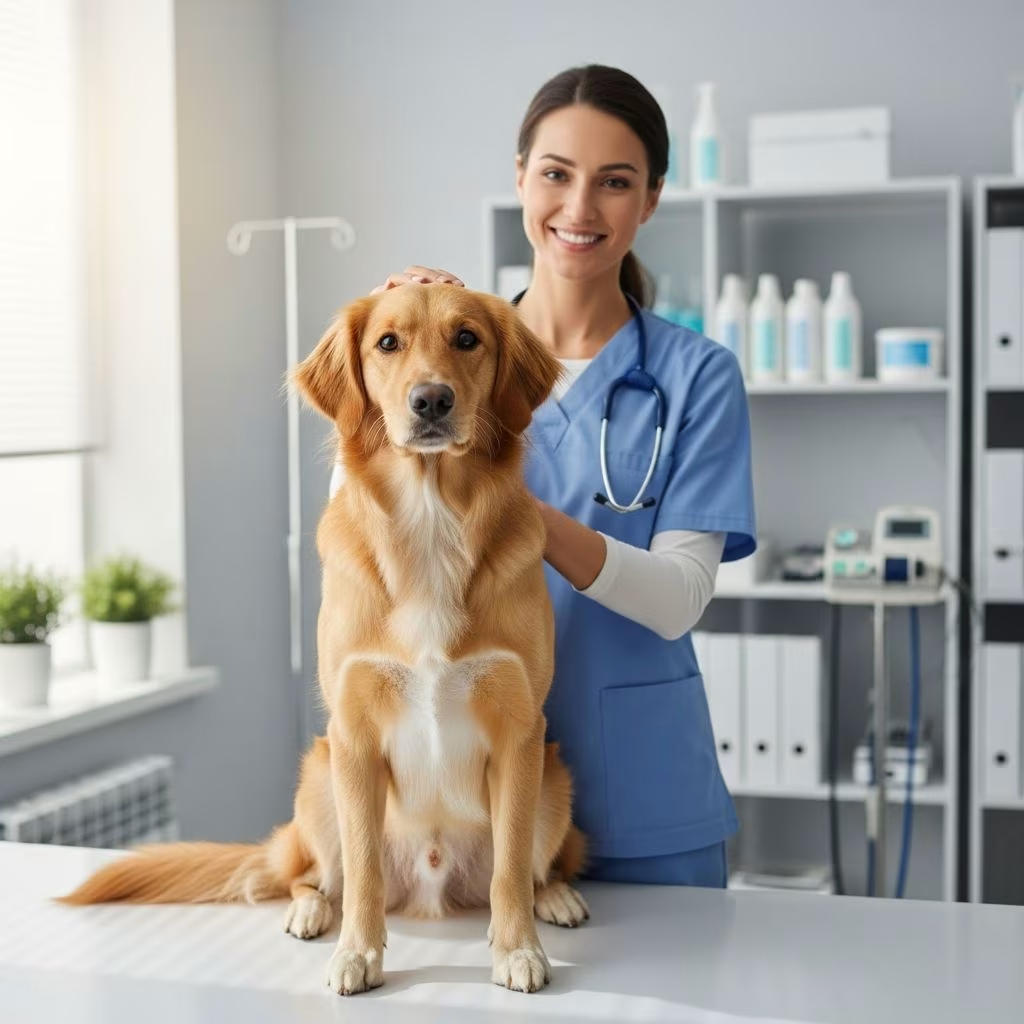
Veterinary visits are essential for your dog’s health, but they often trigger anxiety in pets due to unfamiliar environments, handling, and smells of stress from other animals. The American Veterinary Medical Association emphasizes that reducing stress during these visits improves exam accuracy and pet well-being, as calm dogs allow for thorough assessments. This guide outlines eight practical tips, drawn from veterinary experts, to help your dog develop a neutral or positive association with the vet clinic. Implementing these strategies early, ideally from puppyhood, sets the foundation for stress-free lifelong care.
1. Find a vet who understands fearful dogs
Choosing the right veterinary practice is the first step in minimizing your dog’s stress. Look for clinics certified in Fear Free practices, which prioritize low-stress handling techniques. Dr. Alex Schechter, founder of Burrwood Veterinary in Detroit, stresses that keeping a dog calm is a team effort between pet parents and vets. Fear Free certified clinics use pheromone diffusers, quiet exam rooms, and minimal restraint to create a calmer atmosphere.
Research clinics by asking about their approach to anxious pets. Cornell University’s Riney Canine Health Center recommends practices that employ behavior-friendly methods and avoid forceful restraint, as many dogs respond better with gentle guidance. Schedule a tour or call ahead to gauge their protocols. A vet experienced with fearful dogs can make all the difference, turning potential ordeals into manageable routines.
- Check for Fear Free certification on the clinic’s website.
- Ask about separate waiting areas for dogs and cats.
- Inquire on handling techniques for anxious pets.
2. Introducing “happy visits,” aka going to the vet even when there’s nothing technically wrong
Happy visits involve short, non-medical drop-ins to build positive associations. Pairing the vet clinic with high-value treats or play desensitizes your dog to the environment. Dr. Liff recommends visits as often as your schedule allows—weekly, monthly, or a few times yearly—lasting just minutes. Greet staff, offer treats, and leave before stress builds.
Start young: for puppies, the first vet visit post-adoption should include positives alongside exams. The ASPCA supports this desensitization to prevent fear escalation. Over time, your dog anticipates treats instead of needles, reducing panting and trembling upon arrival.
Pro tip: Use the highest-value treats reserved only for the vet to strengthen the link.
3. Practice more focused desensitization techniques
Desensitization acclimates your dog to vet procedures at home. Begin subtly, as Dr. Vanessa Spano from the ASPCA advises: don’t wait for fear to develop. Use positive reinforcement—treats for tolerance—to handle paws, ears, mouth, and tail gently.
Shelby Semel, head trainer at Animal Haven, suggests targeting vulnerabilities like ear or paw sensitivity. Set the bar low: touch briefly, treat immediately, and stop if your dog tenses. Gradually increase duration and intensity. Off Leash K9 Training echoes this, recommending counter-conditioning where calm behavior earns rewards.
Practice weekly sessions mimicking exams: stethoscope sounds, restraint, temperature checks. Cornell vets note never forcing touch; allow retreat to adjust pace. Consistency transforms handling from scary to rewarding.
4. Load up on high-value treats
Treats are powerful motivators during visits. Bring soft, smelly options like hot dogs, cheese, or freeze-dried liver—items too irresistible to refuse. Offer them continuously in the waiting room, during exams, and post-procedure.
CattleDog Publishing recommends frozen Kongs or lick mats for prolonged distraction. This creates positive overlays on stressors. Time rewards for calm behaviors, as positive reinforcement timing is critical per training experts. Avoid low-value kibble; high-value items make the vet a treat jackpot.
5. Bring creature comforts from home
Familiar items reduce anxiety by providing security. Pack your dog’s favorite blanket, toy, or bed for the car ride and waiting area. These scents signal safety amid clinic chaos. Tracy Harachi suggests prancing through the lobby with treats to associate fun.
For severe cases, calming aids like pheromone collars or lavender sprays help, but combine with training. Avoid territorial triggers at home visits. Comforts bridge familiarity, easing transitions.
6. Try good, old-fashioned anxiety medication
For high anxiety—shaking, tucked tail, lip-licking—medication offers relief. Inform your vet when booking; they may prescribe trazodone or gabapentin pre-visit. Pair with happy visits using top treats.
Signs include whale eye (whites showing) or avoidance. Vets tailor doses; start low. Combined with behavior mods, meds bridge gaps during training. Always vet-supervised; not all dogs need them long-term.
7. Consider at-home or telemedicine appointments
Home visits bypass clinic stressors like other pets’ scents. Ideal for urban areas, mobile vets conduct exams comfortably. Not for territorial dogs. Telemedicine suits follow-ups, discussing history remotely. Weigh pros: less travel stress; cons: limited diagnostics.
- Search ‘mobile vet [your city]’ for services.
- Best for routine checks, not emergencies.
8. Embrace the power of positive reinforcement
Positive reinforcement rewards calm, building confidence. Praise softly, treat promptly. Consistency fosters trust. Off Leash K9 notes counter-conditioning links calm to rewards. Patience yields results; traumatic visits worsen future ones.
Frequently Asked Questions (FAQs)
What if my dog is already very fearful?
Consult a veterinary behaviorist for custom plans, combining meds, desensitization, and training. Progress slowly.
How often should I do happy visits?
As often as possible: weekly ideally, but even monthly helps.
Are calming treats effective?
They aid mild cases; pair with techniques. Vet-approved only.
Can puppies be desensitized?
Yes, start immediately post-adoption for best outcomes.
Long-term Benefits of Calm Vet Visits
Reducing stress enhances health monitoring accuracy and strengthens owner-vet bonds. Calm dogs live happier, enabling proactive care. Patience and consistency pay off.
References
- 8 Tips for Keeping Your Dog Calm at the Vet — Kinship. 2023. https://www.kinship.com/dog-behavior/tips-for-taking-dog-to-the-vet
- Puppy’s First Vet Visit: What To Expect — Adopt a Pet. 2024. https://www.adoptapet.com/blog/adoption/puppy-first-vet-visit
- Training Your Dog To Handle Veterinary Visits With Calmness — Off Leash K9 Training. 2024. https://offleashk9nova.com/training-your-dog-veterinary-visits-calmness-confidence/
- How to make veterinary visits less stressful for dogs — Cornell University College of Veterinary Medicine. 2025-01-10. https://www.vet.cornell.edu/departments-centers-and-institutes/riney-canine-health-center/canine-health-topics/how-make-veterinary-visits-less-stressful-dogs
- How to Make Veterinary Visits Less Stressful — CattleDog Publishing. 2023. https://cattledogpublishing.com/blog/how-to-make-veterinary-visits-less-stressful/



