
Tips For Good Feather Health In Backyard Chickens
Master the essentials of maintaining vibrant, healthy feathers in your backyard flock.
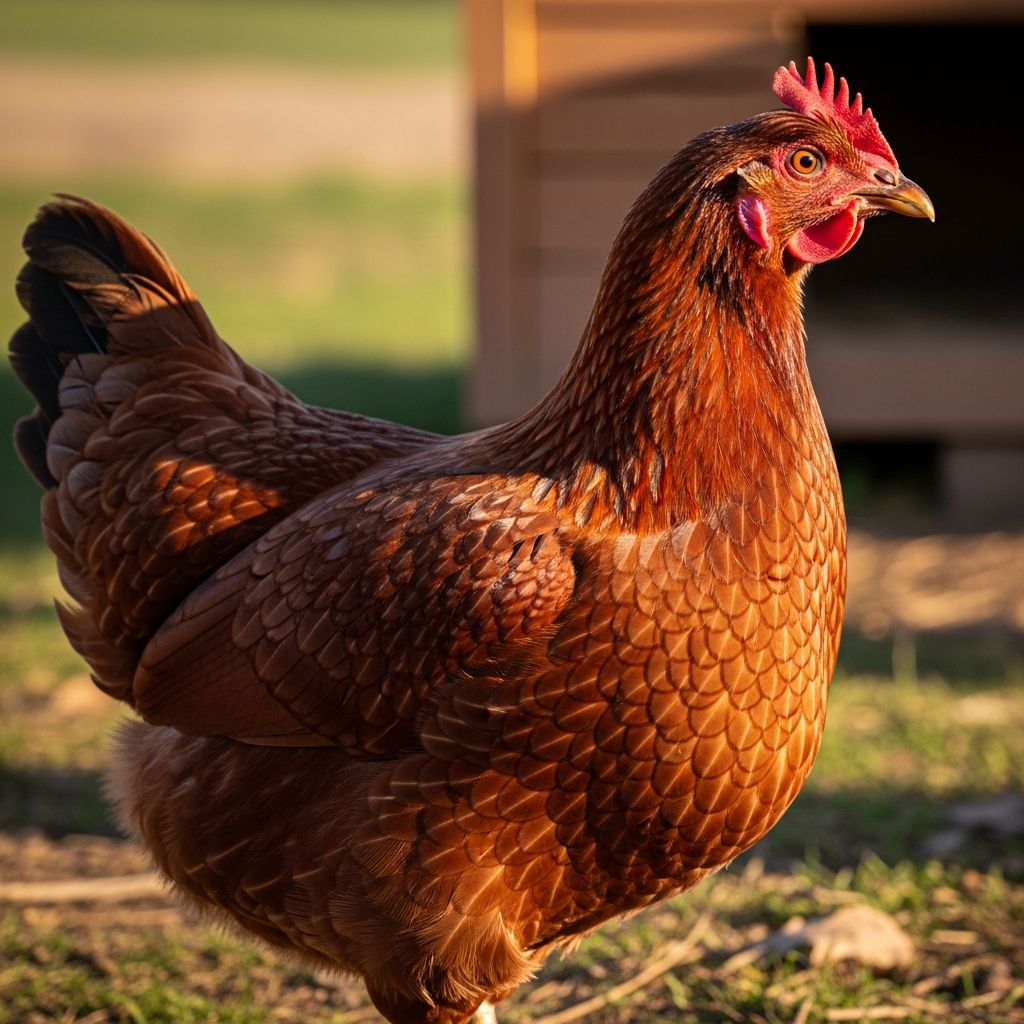
Understanding Feather Health in Backyard Chickens
Feathers are much more than just a beautiful feature of your backyard chickens—they are a direct indicator of your flock’s overall health and well-being. Healthy feathers protect chickens from the elements, regulate body temperature, and contribute to their comfort and vitality. When feathers lose their luster, become damaged, or begin falling out unexpectedly, it often signals underlying issues that require your attention. Understanding the fundamentals of feather health is essential for any backyard chicken keeper who wants to maintain a vibrant, thriving flock.
Feather quality depends on multiple interconnected factors, ranging from nutrition to environmental conditions to stress levels. By mastering these elements, you can ensure your chickens maintain beautiful, strong feathers throughout their lives. This comprehensive guide explores the essential components of feather health and provides practical strategies to keep your flock looking and feeling their best.
The Nutritional Foundation: Feeding for Strong Feathers
Protein: The Building Block of Feathers
One of the most critical factors in maintaining healthy feathers is providing adequate protein in your chickens’ diet. Feathers are composed of approximately 85 to 90 percent protein by dry weight, making protein the primary building block for feather growth and maintenance. Without sufficient protein, your chickens simply cannot produce or maintain high-quality feathers.
For laying chickens, a high-quality layer feed with at least 16% protein is the minimum standard. However, during specific times of the year—particularly molting season—or when you want to enhance feather quality beyond baseline standards, consider increasing protein intake further. Many backyard chicken keepers find success supplementing their regular feed with high-protein options that specifically target feather health and regrowth.
Amino Acids and Micronutrients
Beyond overall protein content, the amino acid profile of your chickens’ food matters significantly. Oil-rich, high-protein foods are particularly beneficial for restoring sheen and vitality to feathers. These include sunflower seeds (especially black oil sunflower seeds, known as BOSS), sesame seeds, flax seeds, hemp seeds, and peanuts. These nutrient-dense foods not only provide protein but also deliver essential fatty acids and micronutrients that enhance feather appearance and strength.
Vitamins and minerals play equally important roles in feather development. Deficiencies in these micronutrients can lead to dull, weak, or even malformed feathers. Consider using specialized supplements formulated to enhance chicken feather health during periods of intensive feather growth or recovery.
Hydration and Overall Nutrition
Fresh water is absolutely essential and should always be available to your flock. Dehydration can negatively impact feather quality and overall health. Some keepers add apple cider vinegar to their chickens’ water to support digestive health, which in turn improves nutrient absorption and feather condition.
Environmental Factors Supporting Feather Health
Coop Cleanliness and Maintenance
A clean, dry environment is fundamental to feather health. Dirty conditions create stress for your chickens and provide ideal breeding grounds for parasites and diseases that directly damage feathers. Regular cleaning prevents moisture buildup, which can lead to mold and fungal issues that affect skin and feather integrity.
Beyond basic sanitation, ensure your coop provides adequate space for each bird. Overcrowding creates stress and encourages feather pecking among flock members. The general rule is to provide at least three to four square feet per bird inside the coop and eight to ten square feet per bird in the outdoor run.
Temperature and Lighting Conditions
Extreme temperatures stress chickens and can trigger feather loss or poor feather quality. Provide adequate ventilation in summer and insulation in winter. Lighting also significantly impacts your flock’s well-being—excessive bright light can cause stress, as chickens naturally prefer shaded areas where they feel safer. Maintain appropriate lighting cycles and avoid sudden changes in light exposure.
Dust-Bathing Opportunities
Dust bathing is not just a pleasant activity for chickens; it’s an essential part of natural feather maintenance and parasite control. Provide dedicated dust-bathing areas enriched with diatomaceous earth and wood ash. These materials help control mites and lice that damage feathers and compromise skin health. A dry, protected area filled with fine dust or sand allows chickens to naturally maintain their feathers and manage parasites without chemical interventions.
Managing and Preventing Stress in Your Flock
Identifying Stress Sources
Stress is one of the most significant variables affecting feather health, with nearly infinite potential causes. Obvious stressors include loud noises, bright lights, overcrowding, predators, inadequate food or water supplies, extreme temperatures, and dirty living conditions. However, less obvious causes can be equally detrimental. Chickens thrive on routine and predictability; changes in their environment—even something as simple as a new piece of jewelry, a strange scent, or a new garden statue visible from their coop—can cause stress and feather loss.
The introduction of new flock members disrupts the established pecking order and creates stress until a new hierarchy establishes itself. Similarly, excessive or unwanted attention from roosters during mating season can stress hens and damage their feathers.
Creating a Stress-Reducing Environment
Providing enrichment significantly reduces stress-related feather pecking and loss. Chickens need mental and physical stimulation through foraging opportunities, hanging fresh greens, cereal blocks, and other distractions. Allow adequate space for your flock to range and forage, which satisfies their natural instincts and reduces boredom-related behaviors.
Establish and maintain consistent routines. Feed and water at the same times daily. Maintain predictable lighting and temperature patterns. Minimize sudden environmental changes, and when changes are necessary, introduce them gradually to allow your flock to adapt.
Addressing Unexpected Feather Loss Beyond Molting
Causes of Non-Molting Feather Loss
While molting is a natural, expected process where chickens replace their entire complement of feathers over several weeks, unexpected feather loss requires investigation. Common causes include stress, protein deficiency, boredom, parasite infestation, disease, bullying, and overmating. When the entire flock loses feathers uniformly, the cause is likely environmental or nutritional. When only specific birds lose feathers, consider bullying or mating damage.
Diagnosing the Problem
Become a detective when investigating feather loss. Ask yourself several key questions: Is most or the entire flock affected, or just certain individuals? Where are feathers being lost—around the vent, on the back, or scattered throughout? Are you seeing bald patches or signs of feather eating? Does the chicken have visible parasites, lice, or mites?
Look for white shell-like bits beneath roosting areas, which are simply casings from new feathers—nothing to worry about. However, if you see actual blood, skin damage, or evidence of pecking, isolate the affected bird from the flock until recovery occurs. Check thoroughly for mites and lice, treating accordingly if detected.
Treatment and Recovery
If feather loss results from bullying or overmating, temporary isolation allows the affected chicken to recover safely while other birds forget the behavior. During recovery, provide supplemental protein to support feather regrowth. Some keepers find success with Epsom salt baths to soothe damaged skin and promote healing.
Nutritional Supplements for Enhanced Feather Quality
When to Consider Supplements
While a quality, balanced diet forms the foundation of feather health, specialized supplements can accelerate feather growth and enhance quality during specific periods. Molting season is the obvious choice for supplementation, but you might also consider supplements if your flock has experienced stress, illness, or feather damage.
Formulated supplements designed specifically for chicken feather health combine concentrated protein with essential vitamins and minerals. These products work more efficiently than random treats and ensure your flock receives the exact nutrients needed for optimal feather regeneration.
Natural Supplements and Herbal Additions
Herbs like calendula and garlic offer natural benefits for feather health and growth. Calendula, also known as marigold, is rich in antioxidants including lutein, zeaxanthin, and beta-carotene, which the body converts to vitamin A—essential for skin and feather health. The petals promote feather regrowth and enhance color vibrancy, particularly during molting season.
Garlic contains potent antimicrobial and immune-boosting properties that keep chickens healthy, which is essential for optimal feather production. Additionally, garlic contains high levels of sulfur, a critical component of keratin—the protein feathers are made of. This direct connection suggests garlic contributes to stronger, more resilient feathers. You can add crushed garlic cloves to water or minced garlic to feed for consistent benefits.
Molting: A Natural Part of the Feather Cycle
Understanding the Molting Process
Molting is a natural, annual process where chickens replace their entire complement of feathers over several weeks. During molting, you will see new feathers beginning to appear as old feathers are shed. This process requires significant energy and nutritional resources from your flock, and during this period, egg production typically decreases or stops entirely.
Supporting Chickens During Molt
Molting chickens require enhanced nutrition to support the intensive feather regeneration process. Increase protein levels beyond the standard 16% recommendation, provide ample fresh water, and offer supplemental treats rich in protein and healthy fats. Managing stress during molting is also critical, as stressed chickens may experience feather complications or slower regrowth.
Expect molting to take several weeks, and during this period, avoid handling your chickens unnecessarily. New pin feathers are very sensitive and can be painful if manipulated. Allow your flock the time and resources to complete this natural cycle comfortably.
Parasite Prevention and Control
The Impact of Parasites on Feathers
Mites and lice directly damage feathers and compromise skin health, leading to poor feather quality, loss, and overall decline in condition. Regular parasite checks are essential for maintaining feather health. Look for signs of parasites, particularly around the vent and on the back of affected birds.
Natural Parasite Management
Provide regular access to enhanced dust-bathing areas containing diatomaceous earth and wood ash to control parasites naturally. These materials suffocate parasites while chickens bathe naturally. Additionally, garlic added to feed acts as a natural wormer, reducing the parasite load that can affect feather condition.
If parasites become problematic, various treatments are available to address specific infestations. Consult poultry health resources or veterinarians for guidance on treating severe parasite problems.
Creating a Comprehensive Feather Health Strategy
The Integrated Approach
Optimal feather health requires integrating multiple strategies rather than relying on any single factor. A balanced diet with adequate protein and micronutrients forms the foundation. Clean, spacious, comfortable housing with appropriate temperature and lighting supports overall well-being. Stress reduction through environmental enrichment and consistent routines promotes contentment. Parasite prevention maintains skin integrity. Together, these elements create conditions where your chickens can grow and maintain beautiful, vibrant feathers.
Monitoring and Adjustment
Regularly observe your flock for signs of feather quality changes. Notice any sudden feather loss, changes in coloration or sheen, or behavioral changes that might indicate underlying issues. Feathers provide valuable feedback about your chickens’ health status, so by maintaining awareness of feather condition, you can catch problems early and make adjustments to diet, environment, or management practices.
Frequently Asked Questions (FAQs)
Q: How much protein do chickens need for healthy feathers?
A: Laying chickens require at least 16% protein in their regular feed. During molting or when recovering from feather damage, increase protein intake further through supplements and high-protein treats.
Q: Why are my chickens losing feathers outside of molting season?
A: Non-molting feather loss can result from stress, protein deficiency, boredom, parasite infestation, disease, bullying, or overmating. Investigate your flock’s diet, environment, and social dynamics to identify the cause.
Q: What causes feather pecking among chickens?
A: Feather pecking typically results from stress, boredom, or protein deficiency. Providing environmental enrichment, adequate space, and sufficient protein can reduce this behavior.
Q: How long does the molting process take?
A: Molting typically takes several weeks as chickens replace their entire complement of feathers. The exact duration varies by individual and environmental conditions.
Q: Can I use natural herbs to improve my chickens’ feather health?
A: Yes, herbs like calendula and garlic support feather health through their nutritional profiles. Calendula provides vitamin A for skin and feather health, while garlic contains sulfur essential for keratin production.
Q: What is the ideal coop temperature for feather health?
A: Maintain moderate temperatures avoiding extremes. Excessive heat or cold creates stress and compromises feather quality. Provide adequate ventilation in summer and insulation in winter.
Q: How often should I clean my chicken coop?
A: Clean your coop regularly to maintain dry, sanitary conditions. Remove soiled bedding frequently, perform deep cleaning weekly or as needed, and ensure proper ventilation to prevent moisture accumulation.
Q: Are there specific feeds that promote feather growth?
A: High-protein treats like sunflower seeds, hemp seeds, sesame seeds, and peanuts support feather growth. Specialized supplements formulated for feather health also provide concentrated nutrients during intensive growth periods.
References
- Herbs Promote Healthy Feather Growth in Backyard Chickens — Buff Clucks. 2024. https://www.buffclucks.com/blogs/backyard-chicken-how-tos/what-herbs-promote-healthy-feather-growth-in-backyard-chickens
- Tips For Good Feather Health In Backyard Chickens — Lafeber Company. https://lafeber.com/backyard-chickens/tips-for-good-feather-health-in-backyard-chickens/
- Helping Your Chickens Grow Back Beautiful Feathers — Garden Betty. 2024. https://gardenbetty.com/helping-your-chickens-grow-back-beautiful-feathers/
- The Advice Hub – Feather Loss — The Chicken Vet. https://www.chickenvet.co.uk/feather-loss
- Feeding for Feather Growth: Nutrition That Supports Strong Plumage — Kreamer Feed. 2024. https://kreamerfeed.com/blogs/articles/feeding-for-feather-growth-nutrition-that-supports-strong-plumage
- All About Chicken Feathers — Tilly’s Nest. 2024. https://www.tillysnest.com/2024/01/all-about-chicken-feathers/
Similar Articles








Read full bio of Sneha Tete


