

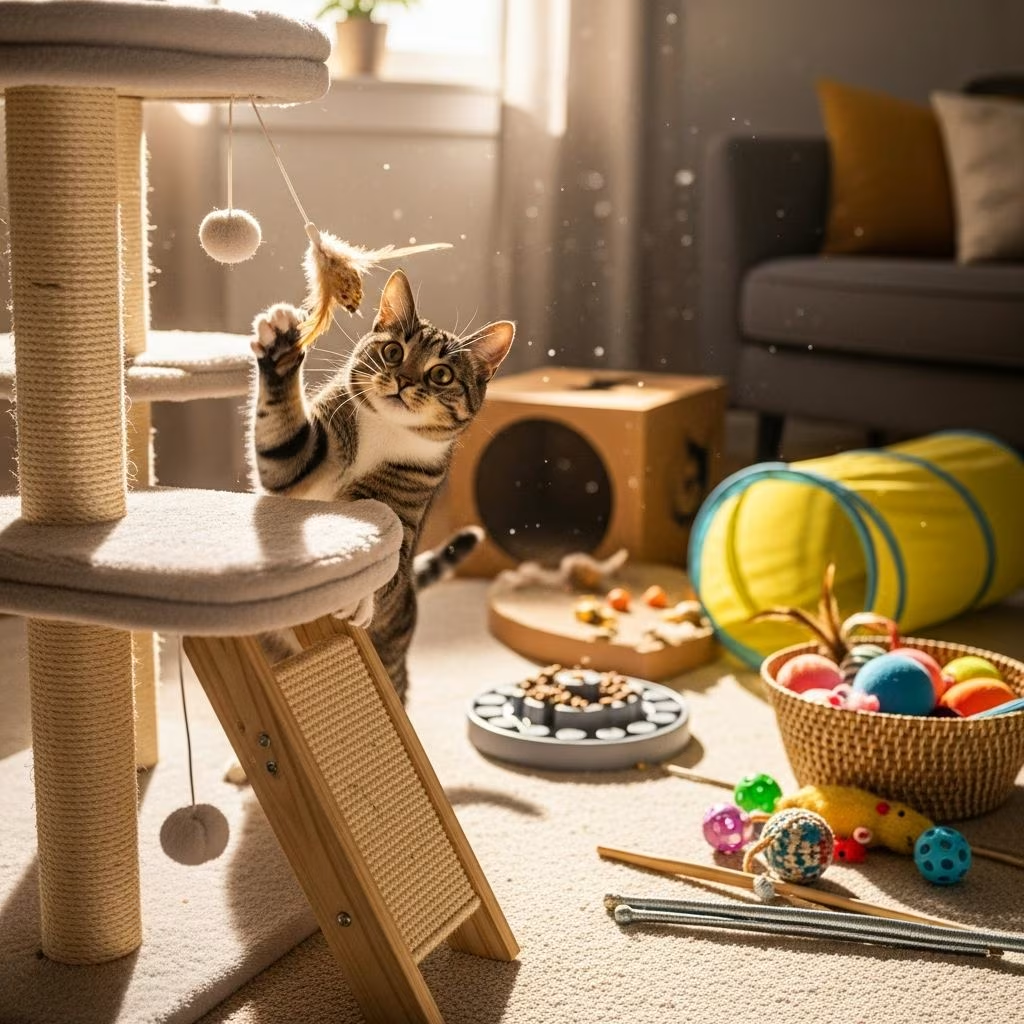
Understanding Cat Boredom and Its Impact
Indoor cats require mental and physical stimulation to maintain their well-being and prevent behavioral problems. Boredom in cats can lead to various issues including destructive behavior, excessive vocalization, aggression, and even health complications such as obesity and depression. Unlike outdoor cats who naturally engage in hunting, climbing, and exploring, indoor cats depend entirely on their environment and their owners to provide appropriate enrichment activities. Understanding the signs of boredom and implementing preventive strategies is essential for maintaining a happy, healthy, and well-adjusted feline companion.
Cats are intelligent, curious creatures with natural instincts to hunt, climb, and explore. When these instincts go unfulfilled, cats become restless and may develop unwanted behaviors. The key to preventing boredom is creating a stimulating environment that mimics the activities and experiences your cat would naturally seek in the wild. This doesn’t require expensive solutions but rather thoughtful planning and consistent engagement.
Creating a Stimulating Environment
The foundation of preventing cat boredom begins with designing an environment that naturally encourages activity and exploration. A well-enriched space provides multiple opportunities for your cat to exercise their physical abilities and mental faculties.
Window Perches and Bird Watching
One of the most effective and simple enrichment strategies is providing window access with comfortable perches. Cats are fascinated by the sights, sounds, and movements outside windows. Setting up a window perch or window bed allows your cat to observe birds, squirrels, and other outdoor activity for hours. Consider installing shelves near windows where your cat can climb and settle into a comfortable viewing position. Leave curtains and blinds open during the day to maximize your cat’s viewing opportunities. This passive form of entertainment provides mental stimulation without requiring your direct participation and can keep a cat entertained for extended periods.
Vertical Spaces and Climbing Structures
Cats naturally seek high vantage points for security and observation. Providing vertical spaces through cat trees, shelves, and wall-mounted perches allows your cat to satisfy this instinct. Cat trees come in various sizes and designs, from simple single-level posts to elaborate multi-level structures. These climbing structures serve multiple purposes: they provide physical exercise, mental engagement, and safe retreat spaces. When selecting cat furniture, choose structures with varied heights, textures, and hiding spots to maximize engagement and appeal.
Hideaways and Safe Spaces
While cats enjoy elevated perches, they equally appreciate cozy hideaways where they can retreat and feel secure. Provide covered beds, cat tunnels, enclosed boxes, and other hiding spots throughout your home. These spaces offer psychological comfort and create opportunities for play. You can create inexpensive hideaways using cardboard boxes or paper bags with holes cut for exploration. Ensure all hiding spaces are safe and don’t pose strangulation hazards, particularly when using paper bags with handles that should be removed.
Interactive Play and Scheduled Engagement
Active playtime is crucial for preventing boredom and maintaining your cat’s physical fitness. Interactive play sessions should be scheduled consistently throughout the day, ideally twice daily for approximately 15 minutes each.
Optimal Timing for Playtime
The best times for interactive play align with your cat’s natural hunting instincts. Cats are crepuscular animals, meaning they’re most active during dawn and dusk. However, scheduling play sessions before meals is particularly effective since it mimics the natural hunting-capture-feeding cycle. A pre-bedtime play session can also help exhaust your cat’s energy before sleep, promoting better rest patterns. Morning play before you leave for work and evening play upon your return provide consistent structure and engagement.
Types of Interactive Toys
Different cats have different play preferences. Explore various toy types to discover what engages your individual cat:
- Feather toys and wands that encourage pouncing and jumping
- Laser pointers for chasing and fast-paced activity
- Ball toys that can be tossed for retrieval
- String or cord toys that simulate prey movement
- Interactive toys that combine multiple play styles
Match toys to your cat’s personality and play style. Some cats prefer toys they can stalk and pounce on, while others enjoy toys they can carry. Rotate toy selection to maintain novelty and excitement during play sessions.
Puzzle Feeders and Food-Based Enrichment
Transforming mealtime into an enrichment activity provides both mental and physical stimulation while encouraging natural foraging behaviors. Puzzle feeders require cats to work for their food, making mealtimes engaging rather than passive.
Introducing Puzzle Feeders
When first introducing puzzle feeders, start with easy-to-solve designs to prevent frustration and build confidence. Gradually increase difficulty as your cat becomes familiar with the concept. Popular puzzle feeder options include:
- Multi-level slow feeders with adjustable difficulty settings
- Ball-shaped feeders that dispense kibble as cats roll them
- Compartmentalized trays that require lifting or moving lids
- Tunnel feeders where cats must extract kibble from enclosed spaces
Food-dispensing toys encourage cats to use problem-solving skills and engage in natural hunting and foraging behaviors. They slow food consumption, promoting better digestion and potentially reducing obesity. Start with one or two puzzle feeders and expand your collection as your cat demonstrates proficiency and interest.
Treat Hunts and Hidden Food
Create treasure hunts by hiding small treats in places around your home where your cat typically explores. This encourages active searching and mental engagement. Remember that treats should constitute no more than 10% of your cat’s daily caloric intake. Place treats strategically to encourage movement and exploration without overfeeding. You can hide treats in puzzle feeders, paper bags, boxes, or various locations throughout your home to create spontaneous entertainment opportunities.
Toy Rotation and Variety
Cats naturally become bored with the same toys after extended exposure. Implementing a toy rotation system maintains novelty and engagement while minimizing toy fatigue.
Building Your Toy Collection
Maintain a backup supply of toys so you can rotate regularly. Keep some toys accessible while temporarily removing others from circulation. After several weeks, reintroduce hidden toys as if they’re new, reigniting your cat’s interest. This strategy maximizes the value of your toy investment and keeps playtime fresh and exciting.
Using Catnip Strategically
Catnip can stimulate activity and playfulness when used strategically. Periodically provide catnip-infused toys or marinate existing toys in catnip before reintroduction. Keep catnip toys fresh by storing them in airtight containers to preserve potency. Some cats respond enthusiastically to catnip, while others show less interest. Experiment to determine your cat’s response and adjust usage accordingly. Catnip works best when used intermittently rather than constantly, as cats can develop temporary tolerance to its effects.
Natural Enrichment Elements
Incorporating natural elements into your cat’s environment provides authentic enrichment that appeals to their instincts.
Cat Grass and Natural Textures
Growing cat grass provides mental and physical stimulation while satisfying your cat’s desire to chew vegetation. Unlike outdoor grass, cat grass is cultivated specifically for feline consumption and helps prevent digestive issues. Place cat grass in areas where your cat spends time and allow them to nibble freely. Cat grass also appeals to cats’ natural foraging instincts and provides oral enrichment.
Sunny Spots and Environmental Enhancement
Cats are sun worshippers who spend significant time basking in natural light. Identify windows in your home that receive the most sunshine and place comfortable cat beds in these locations. Opening curtains and blinds during the day allows sunlight to flood in, creating appealing nap spots. The combination of sunlight and comfortable seating creates a naturally appealing space that requires minimal intervention but provides significant comfort and engagement.
Advanced Enrichment Strategies
Beyond basic toys and environmental modifications, several advanced techniques provide comprehensive enrichment for your cat.
Clicker Training and Mental Challenges
Cat training using positive reinforcement techniques provides mental stimulation while strengthening your bond. Clicker training teaches cats to respond to commands, perform tricks, or engage in specific behaviors. This interactive training provides cognitive engagement and gives your cat mental challenges to solve. Training sessions should be short, frequent, and always reward-based to maintain your cat’s interest and enthusiasm.
Scent-Based Enrichment
Cats rely heavily on scent for navigation and communication. Introduce enrichment through familiar and novel scents. Rub toys with catnip, silvervine, or valerian to stimulate interest. Provide scent items like fabric with your scent or other safe aromatic elements. Rotating scent-enriched items maintains novelty and engagement.
Leash Training and Outdoor Experiences
Some cats can be trained to walk on a harness and leash, providing outdoor exploration in a controlled environment. This advanced enrichment gives indoor cats exposure to natural environments, novel stimuli, and outdoor sensations. Leash training requires patience and positive reinforcement but can provide exceptional enrichment for cats who adapt to harnesses.
Maintaining Consistency and Routine
Cats thrive on routine and predictability. Establishing consistent schedules for meals, playtime, litter box maintenance, and other daily activities reduces stress and supports behavioral stability. A well-structured daily routine provides security and allows cats to anticipate activities, which enhances their sense of control and well-being. When possible, maintain consistent timing for play sessions, feeding, and other interactions.
Quality Time and Social Engagement
Beyond organized enrichment activities, spending quality time with your cat strengthens your bond and provides essential social engagement. When you return home, dedicate time to playing with and petting your cat before settling into relaxation. Interactive lap time, gentle petting, or play sessions reconnect you with your cat after time apart. Some cats enjoy vocal interaction and will respond to conversation and chatting. Tailor engagement to your cat’s preferences, respecting those who prefer physical touch to those who enjoy verbal interaction.
Troubleshooting Common Boredom Issues
Destructive Behavior
If your cat engages in destructive behavior such as knocking objects off shelves or scratching furniture excessively, increased enrichment often resolves the issue. Destructive behavior frequently indicates inadequate mental or physical stimulation. Implement multiple enrichment strategies simultaneously and assess which activities your cat responds to most enthusiastically.
Excessive Vocalization
Excessive meowing or other vocalizations can indicate boredom or a desire for attention. Increase interactive playtime and engagement to address underlying boredom. Ensure your cat has adequate enrichment activities and that playtime is scheduled consistently.
Over-Grooming and Stress-Related Behaviors
When cats over-groom or display stress-related behaviors, environmental enrichment combined with consistent routines can help. Address potential anxiety sources and provide secure hideaways where your cat can retreat if needed.
Frequently Asked Questions
Q: How much playtime does my indoor cat need daily?
A: Most indoor cats benefit from at least two play sessions of 10-15 minutes each daily. Some cats may enjoy additional play sessions. The total should provide adequate physical and mental stimulation without causing exhaustion.
Q: Are puzzle feeders suitable for all cats?
A: Most cats can learn to use puzzle feeders, though some take longer than others. Start with easy designs and progress to more challenging options as your cat demonstrates proficiency. If your cat becomes frustrated, simplify the puzzle or provide traditional feeding alongside puzzle feeders.
Q: Can indoor cats go outside safely?
A: While some indoor cats can be trained to walk on harnesses or explore secure outdoor spaces like catios, most indoor cats should remain indoors for safety. Outdoor exposure risks include traffic, predators, disease, and getting lost. Catios and harness training provide controlled outdoor experiences.
Q: What signs indicate my cat is bored?
A: Signs of boredom include excessive sleeping, destructive behavior, excessive vocalization, reduced appetite, aggressive play, and lack of interest in toys or activities. If you notice these behaviors, implement enrichment strategies and consult your veterinarian to rule out medical issues.
Q: How often should I rotate toys?
A: Rotate toys every 1-3 weeks depending on how quickly your cat loses interest. Some cats lose interest in toys quickly while others enjoy favorites for extended periods. Observe your cat’s engagement level and adjust rotation frequency accordingly.
Q: Is catnip safe for all cats?
A: Catnip is safe for most cats, though approximately 30% of cats don’t respond to it. Use catnip intermittently to prevent habituation. Pregnant or very young kittens should have limited catnip exposure. If your cat doesn’t respond to catnip, try alternative herbs like silvervine or valerian.
References
- Is Your Indoor Cat Bored? 12 Proven Ways to Keep Them Happy — PetPlace. 2024. https://www.petplace.com/article/cats/pet-care/is-your-indoor-cat-bored-12-ways-to-prevent-boredom
- 15 Boredom Busting Tips For Your Home Alone Cat — Cat Behavior Associates. 2024. https://catbehaviorassociates.com/15-boredom-busting-tips-for-your-home-alone-cat/
- Is my cat bored? | Blog – Cats Protection — Cats Protection UK. 2024. https://www.cats.org.uk/cats-blog/cat-boredom-busters
- Preventing Kitty Boredom: Guide for Cat Owners — The Valley Animal Hospital. 2025. https://thevalleyanimalhospital.com/preventing-kitty-boredom/
- How Enrichment Helps Bored Cats — PetMD. 2024. https://www.petmd.com/cat/general-health/how-enrichment-helps-bored-cats
- Seven enrichment ideas to keep your indoor cat entertained — Animal Humane Society. 2024. https://www.animalhumanesociety.org/resource/seven-enrichment-ideas-keep-your-indoor-cat-entertained



