
Tips For Cleaning Your Rabbit’s Litter Box
Master rabbit litter box cleaning with expert tips, schedules, and maintenance techniques.
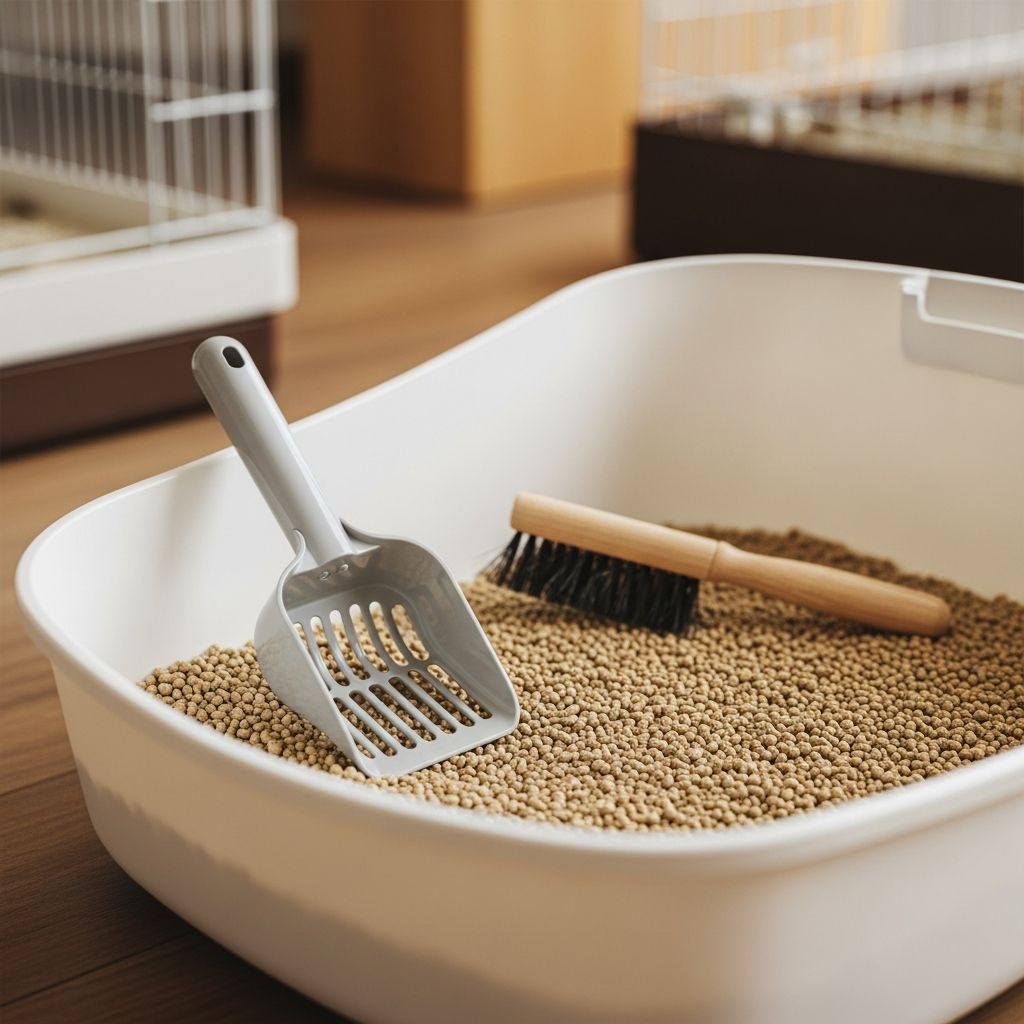
Maintaining a clean litter box is one of the most important aspects of rabbit care. A properly cleaned litter box not only keeps your rabbit healthy and happy, but it also helps prevent behavioral issues and maintains a fresh-smelling home. Whether you’re a new rabbit owner or looking to improve your current routine, understanding the best practices for litter box cleaning will make the task easier and more effective. In this comprehensive guide, we’ll explore proven techniques and expert recommendations to help you establish a cleaning schedule that works for your household and keeps your rabbit’s environment sanitary.
1. Get On Schedule
Establishing a consistent cleaning schedule is the foundation of proper litter box maintenance. Most rabbits that use multiple litter boxes require cleaning every two to four days. This frequency helps prevent odor buildup, reduces the spread of bacteria, and maintains your rabbit’s natural bathroom habits. However, the exact schedule may vary depending on several factors, including the number of rabbits you have, the size of the litter boxes, and the type of bedding material you use.
If you’re using newspaper or shredded paper as your litter material, you’ll need to increase your cleaning frequency to daily. Paper-based materials absorb moisture quickly but lose their effectiveness rapidly, making more frequent changes necessary. For rabbits using clay or pelleted litter, a two to four-day schedule is typically sufficient. The key is to observe your rabbit’s habits and adjust your schedule accordingly. Some rabbits are naturally messier than others, and multiple-rabbit households may require more frequent cleaning to maintain hygiene standards.
2. Spot Clean Throughout the Week
Between full cleanings, implementing a spot-cleaning routine helps maintain a fresh litter box and extends the life of your bedding materials. Spot cleaning involves removing visible waste, wet spots, and soiled bedding without completely emptying the box. This approach is practical and less time-consuming than a full cleaning, making it an excellent way to keep the litter box hygienic without constant disruption to your rabbit’s routine.
During spot cleaning, use a small shovel or scoop to remove pellets that have absorbed urine, fecal matter, and any visibly soiled hay. By removing these materials, you prevent the entire box from becoming saturated and help control odors effectively. Mixing the remaining litter as you spot clean helps distribute the cleaner material and ensures even coverage. This simple maintenance task, performed a few times weekly, can significantly reduce the workload of your full cleaning sessions and keep your rabbit’s environment fresh between major cleanings.
3. Use Appropriate Litter Materials
Selecting the right litter material is crucial for effective odor control and your rabbit’s comfort. Pine pellets and care fresh bedding are among the most popular choices for rabbit litter boxes. These materials offer excellent absorbency, which helps control moisture and odors more effectively than traditional clay litters. Pine pellets are particularly beneficial because they break down when exposed to urine, making them easier to scoop and providing superior odor control.
When filling your litter box, use approximately one to two inches of bedding material to ensure adequate absorption without excess waste. Many experienced rabbit owners layer their litter boxes, placing pine pellets on the bottom and care fresh on top. This combination provides optimal absorption while keeping the surface soft and comfortable for your rabbit’s sensitive feet. The layering technique also helps extend the life of your litter materials, as the top layer can be changed more frequently while the base layer remains intact longer.
4. Empty Completely at Scheduled Intervals
Performing a complete emptying of your rabbit’s litter box on your scheduled cleaning days is essential for thorough sanitation. Start by removing all litter, bedding, hay, and fecal matter from the box. You can dump the contents directly into a trash container or, if you prefer, into a compost bin, as rabbit litter is completely biodegradable and creates excellent compost. The key is to remove everything, leaving the box completely empty for washing and sanitizing.
After emptying, take a moment to examine the box for any residual materials or buildup. Check the corners and edges where urine may have concentrated, as these areas often require special attention during the cleaning process. By completely emptying the box regularly, you prevent the accumulation of bacteria and calcium deposits that can develop over time, ensuring a truly clean environment for your rabbit.
5. Use Jet Spray for Efficient Cleaning
After emptying your litter box, jet spray is an effective method for removing loose materials and preparing the box for deeper cleaning. Using the jet spray function on your garden hose, spray down the inside and outside surfaces of the litter box. This high-pressure water stream effectively removes hay particles, dust, and dried bedding material that may cling to the box’s surfaces.
The jet spray method is significantly more efficient than hand scrubbing with a sponge, as it covers larger areas quickly and reaches corners that are difficult to clean manually. Most people find that jet spraying requires minimal physical effort and completes the preliminary cleaning stage rapidly. While occasional scrubbing may still be necessary for stubborn residue, regular jet spraying combined with other cleaning agents prevents heavy buildup and reduces the need for intensive scrubbing over time.
6. Use White Vinegar for Natural Sanitization
White vinegar is one of the most effective and rabbit-safe cleaning solutions for litter boxes. After jet spraying, soak the box with a mixture of equal parts white vinegar and water (a 1:1 ratio). This solution works through a chemical reaction with the calcium present in rabbit urine, helping to dissolve and remove calcium buildup that accumulates on litter box surfaces. Beyond its descaling properties, white vinegar also kills many bacteria naturally, providing effective sanitization without harsh chemicals.
The length of time you allow the vinegar solution to sit depends on your schedule and your bunny’s specific needs. For basic cleaning maintenance, let the solution soak for fifteen minutes to a couple of hours. For more thorough cleaning, especially if you notice significant calcium buildup or odor issues, soak the box for an entire day. After soaking, scrub the box with a brush or sponge to remove any remaining residue, then rinse thoroughly with clean water. The beauty of using vinegar is that it’s completely safe if your rabbit comes into contact with any residue, making it an ideal choice for pet owners concerned about chemical exposure.
7. Sun Dry When Possible
After cleaning and rinsing your litter box, sun drying provides multiple benefits beyond simple moisture removal. Sunlight naturally kills bacteria through ultraviolet radiation, providing an additional layer of sanitization that complements your cleaning efforts. This natural disinfection process is particularly valuable for maintaining a hygienic environment for your rabbit.
If weather permits, place your clean litter box in direct sunlight for several hours. This downtime also provides an opportunity for you to sweep or clean the floor around your rabbit’s area or spend quality time with your bunny while the sun does the work. If direct sunlight isn’t available due to weather conditions or living arrangements, air drying is an acceptable alternative. Simply set the box in a well-ventilated area until it’s completely dry before refilling with fresh bedding and hay.
8. Use Bleach for Special Circumstances
While bleach is not necessary for routine litter box cleaning, it becomes important when your rabbit has specific health conditions. On occasion, your veterinarian may recommend bleach sanitization if your rabbit has mites or other illnesses that require more aggressive disinfection. When bleach is needed, use a solution of one part water to six parts bleach and soak the litter box for fifteen to thirty minutes.
After bleach treatment, it’s absolutely critical to rinse the litter box thoroughly and dry it completely before returning it to your rabbit’s living space. Any bleach residue can be harmful to your rabbit if ingested or absorbed through their skin, so ensure all traces of the solution are completely removed. Always follow your veterinarian’s specific instructions regarding bleach sanitization to ensure the safety and health of your rabbit.
Additional Maintenance Tips
Beyond the primary cleaning steps, several additional practices can enhance your litter box maintenance routine. If you notice stubborn stains or persistent odor issues, try adding baking soda and apple cider vinegar to your cleaning solution. Let this mixture sit for about fifteen minutes before scrubbing with a scouring pad for enhanced cleaning power. Additionally, maintaining fresh hay in or near the litter box area encourages your rabbit to use the box consistently and provides comfortable seating.
Consider using absorbent pee pads or liners in your litter box to catch liquid waste more effectively and make cleanup easier. These liners can be rolled up and disposed of quickly, then the box can be wiped down minimally before adding a fresh liner and new bedding. This method is particularly useful for rabbits that are naturally messier or for owners looking to reduce their overall cleaning time.
Frequently Asked Questions
How often should I clean my rabbit’s litter box?
The recommended frequency is every two to four days for rabbits using pelleted litter or care fresh. However, if you’re using newspaper or shredded paper bedding, daily cleaning is necessary. Multiple rabbits or larger households may require more frequent cleaning to maintain proper hygiene.
Is white vinegar safe to use around rabbits?
Yes, white vinegar is completely safe for use in rabbit litter boxes. It’s an effective natural cleaner that kills bacteria and breaks down calcium buildup from urine. Even if your rabbit comes into contact with vinegar residue, it poses no health risks when used in appropriate cleaning concentrations.
Can I use bleach to clean my rabbit’s litter box regularly?
Bleach should only be used occasionally and only when recommended by your veterinarian for specific health conditions like mites. For regular maintenance, use white vinegar or other rabbit-safe cleaning solutions instead. Always ensure complete rinsing and drying if bleach is used.
What type of bedding is best for rabbit litter boxes?
Pine pellets combined with care fresh bedding provides excellent results. Pine pellets offer superior odor control and absorbency, while care fresh provides comfort. Avoid clay-based litters and cedar, which can be harmful to rabbits. Paper-based bedding can work but requires daily changing.
Why is my rabbit’s litter box getting smelly quickly?
Quick odor development may indicate that you need to clean more frequently, use different bedding materials, or add more bedding volume. Additionally, ensure you’re using adequate white vinegar during cleaning to remove calcium buildup that contributes to persistent odors.
Should I clean the litter box area floor as well?
Yes, regularly vacuuming or sweeping around the litter box helps maintain overall cleanliness. Hay tends to scatter around the box area, and removing it prevents tracking hay throughout your home and maintains a cleaner environment for both you and your rabbit.
Can I compost rabbit litter?
Yes, rabbit litter is completely biodegradable and makes excellent compost. You can safely add used rabbit bedding and litter to a compost bin for use in gardens and landscaping.
References
- Tips For Cleaning Your Rabbit’s Litter Box — Chewy Education. Accessed 2025-11-28. https://www.chewy.com/education/small-pet/rabbit/tips-for-cleaning-your-rabbits-litter-box
- Litter Box Training Tips — San Diego House Rabbit Society. https://sandiegorabbits.org/education/litter-box-training-tips
- Rabbit Litter Box Cleaning Made Simple — Rabbit Hole Hay Blog. https://www.rabbitholehay.com/blogs/rabbit-hole-hay-blog/how-often-should-i-clean-my-rabbits-litter-box
Similar Articles








Read full bio of Sneha Tete


