

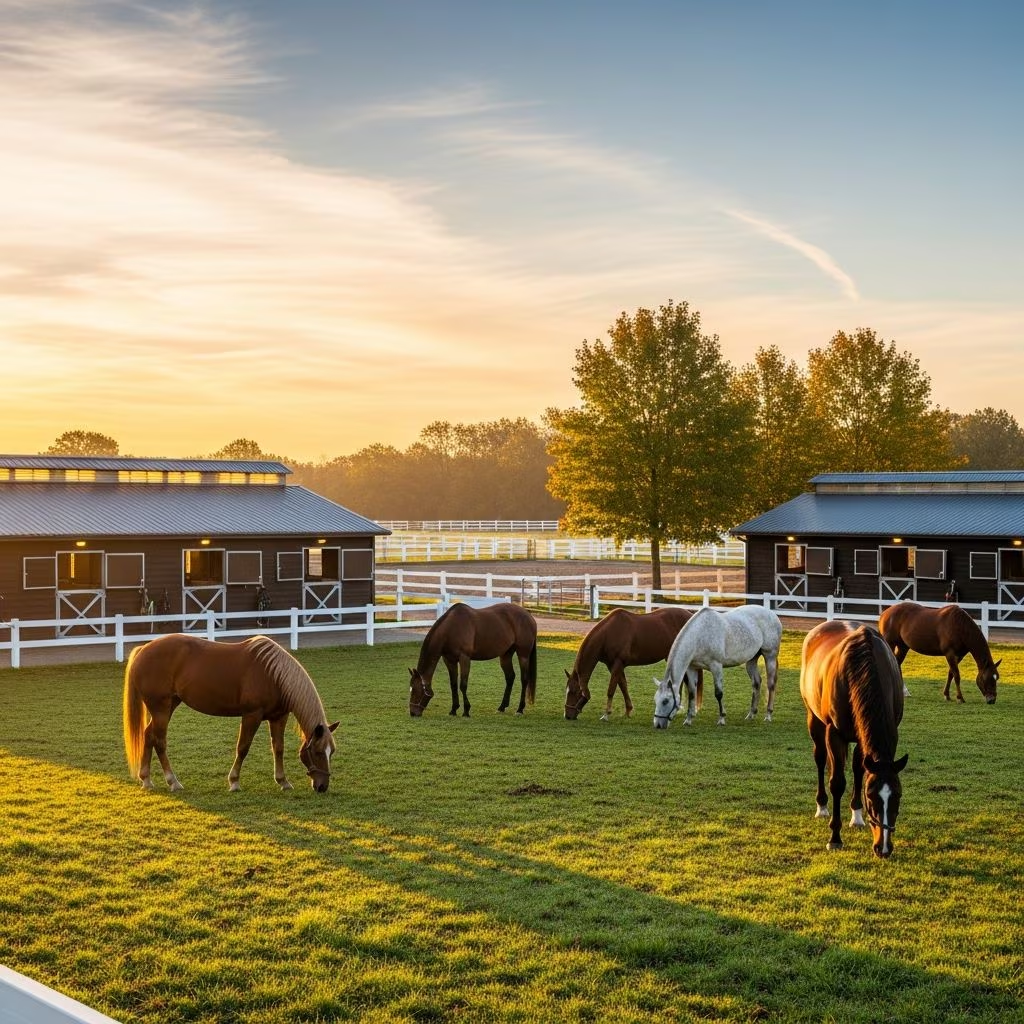
Tips for Choosing the Perfect Horse Boarding Facility
Choosing a horse boarding facility is one of the most important decisions a horse owner can make. Your horse will spend a significant amount of time at the facility, so it’s crucial to select a place that meets your horse’s needs while providing peace of mind for you. Whether you’re a seasoned equestrian or new to horse ownership, finding the right boarding facility requires careful consideration of multiple factors. This comprehensive guide will help you navigate the process and make an informed decision that benefits both you and your horse.
Understanding Your Horse’s Needs
Before you begin your search for a boarding facility, take time to understand your horse’s specific needs and requirements. Consider your horse’s age, temperament, health status, and any special dietary or medical needs. Some horses thrive in active, social environments, while others prefer quieter, more routine-oriented settings. Understanding these preferences will help you narrow down your options significantly.
Think about your horse’s exercise requirements and training goals. Does your horse need regular exercise, or can it maintain fitness with less structured activity? Are you interested in continuing lessons or training at the facility? Understanding these aspects of your horse’s needs will help guide your facility selection process.
Evaluating Location and Accessibility
The location of your boarding facility plays a significant role in your decision. Consider how far you’re willing to travel to visit your horse regularly. A facility that’s too far away may discourage frequent visits, which can negatively impact your relationship with your horse. On the other hand, a conveniently located facility allows you to visit as often as you’d like.
Accessibility is equally important for emergency situations. Ensure the facility is easily accessible to emergency veterinary services, farrier appointments, and your own transportation. Poor road conditions or remote locations can make it difficult to get your horse to veterinary care quickly in an emergency. Additionally, consider the facility’s accessibility during different seasons—can you reach it easily in winter or during rainy weather?
Assessing Facility Conditions and Maintenance
When you visit a potential boarding facility, pay close attention to its overall condition and maintenance standards. A well-maintained facility reflects the care that horses receive there. Look for clean stalls with adequate bedding, well-organized tack rooms, and orderly hay storage areas. The barn should be free of hazards such as protruding nails, sharp objects, or debris.
Evaluate the pastures and turnout areas carefully. Quality pastures should be free of poisonous plants, have secure fencing, and provide ample space for horses to move safely. Check that fencing is properly maintained and secure, as escape artists and injured horses can result from poorly maintained enclosures. Shelters in turnout areas should provide adequate protection from weather and be structurally sound.
Water sources are critical to equine health. Verify that water troughs are clean and accessible to all horses. The facility should have a reliable water system with regular maintenance. Additionally, assess the facility’s drainage systems to ensure that muddy, wet areas don’t become safety hazards or promote disease.
Understanding Boarding Options
Different boarding facilities offer various levels of service, each with distinct advantages and drawbacks. Understanding these options helps you determine which best suits your situation and budget.
Full-Service Board
Full-service boarding is the most comprehensive option available. With this level of care, the facility staff handles all daily responsibilities including feeding, stall cleaning, turnout management, and basic grooming. This option is ideal for busy owners or those new to horse ownership who prefer to have professionals manage all aspects of daily care. While full-service boarding typically costs more than other options, it provides peace of mind knowing that your horse receives consistent, professional care.
Partial Board
Partial board represents a middle ground between full-service and self-care options. With partial board, you handle some responsibilities while the facility staff manages others. Common arrangements include the staff providing feeding and stall cleaning while you handle turnout, grooming, and riding. This option allows you to stay actively involved in your horse’s care while reducing your daily commitment.
Self-Care or Pasture Board
Self-care boarding requires you to handle most or all aspects of your horse’s daily care. This option offers the most independence and typically costs significantly less than full-service boarding. However, it demands considerable time commitment and may not be practical for owners who can’t visit daily. Pasture board specifically keeps horses primarily in pasture settings with minimal facilities, which is an economical option but may lack amenities like indoor arenas or shelter facilities.
Evaluating Care Quality and Management
The quality of care your horse receives is paramount. Observe how staff interact with horses and notice their knowledge and professionalism. Quality facilities employ knowledgeable handlers who understand equine behavior, health, and welfare. Ask about the facility’s approach to horse care and feeding practices.
Nutrition and feeding schedules significantly impact your horse’s health. Ask detailed questions about feeding frequency, hay quality, grain options, and how the facility accommodates special diets or medical requirements. A quality facility offers flexibility for different nutritional needs and maintains consistent feeding schedules.
Turnout management is essential for your horse’s physical and mental well-being. Horses are naturally herd animals and need regular time outside for exercise, socialization, and mental stimulation. Verify how many hours per day your horse will have access to turnout and whether the facility offers individual or group turnout based on your horse’s temperament and needs.
Amenities and Facilities
The amenities offered by a boarding facility significantly enhance your experience and your horse’s quality of life. Consider which amenities are essential for your situation and which are nice-to-have features.
| Amenity | Benefit | Importance Level |
|---|---|---|
| Indoor Arena | Year-round riding regardless of weather | High for active riders |
| Outdoor Arena | Additional training and exercise space | Medium for most riders |
| Trails | Varied exercise and mental stimulation | Medium for recreational riders |
| Wash Rack | Convenient cleaning and grooming | Medium to High |
| Tack Room | Secure storage for saddles and equipment | High for regular visitors |
| Hot Walker | Automated exercise option | Low to Medium |
| Grooming Areas | Dedicated space for horse preparation | Medium |
Indoor and outdoor arenas are valuable for year-round riding and training. These spaces provide controlled environments for developing skills and exercising your horse regardless of weather conditions. Arenas should be well-maintained with appropriate footing and equipped with necessary training equipment.
Trails and riding areas provide variety and mental stimulation for horses. These spaces allow for leisurely rides and natural terrain work, which can prevent boredom and behavioral problems. Quality trail systems enhance the overall boarding experience.
Tack rooms and storage areas provide secure spaces for your equipment and supplies. A good tack room should be well-organized with individual stalls for each boarder’s items, preventing mixing of equipment and reducing fire hazards.
Safety and Security Measures
Your horse’s safety must be a top priority when selecting a boarding facility. Comprehensive safety measures protect your horse from injury, illness, and theft.
Secure fencing is fundamental to safety. Fencing materials should be appropriate for horses—typically four-board rail, wire, or quality alternatives—and should be properly maintained and inspected regularly. Check that gates are secure and cannot be opened accidentally or by horses.
Fire prevention systems demonstrate a facility’s commitment to protecting horses. Ask about the facility’s fire safety plan, including emergency exits, fire extinguishers, and evacuation procedures. A quality facility has clear plans for quickly removing horses in an emergency.
Security cameras and monitoring systems provide additional protection against theft and allow monitoring of horse interactions. Some facilities offer live feeds that owners can access, providing extra peace of mind.
Emergency preparedness plans are critical. Ask about the facility’s procedures for various emergencies including fires, weather events, and medical situations. A well-prepared facility has backup power supplies, emergency veterinary contacts, and clear communication protocols.
Veterinary and Farrier Care
Regular veterinary and farrier care are essential components of equine health. When evaluating a facility, ask about their relationships with veterinarians and farriers. Quality facilities have established relationships with local equine veterinarians and farrier services.
Ask how the facility accommodates veterinary visits and emergency situations. Are there designated areas for examinations and treatment? How quickly can emergency veterinary care be arranged? The facility should have clear protocols for administering medications and managing injured or ill horses.
Farrier services are equally important for hoof health. Ask about the facility’s farrier schedule and how they coordinate appointments. Some facilities employ on-site farriers, while others work with independent contractors. A quality facility maintains regular farrier schedules and has experienced individuals managing hoof care.
Budget Considerations
Cost is an important factor in your decision, but it shouldn’t be the sole determining factor. Boarding costs vary significantly based on location, facility quality, and services provided. Determine your budget before beginning your search, but remain open to investing more in superior care if financially feasible.
Request detailed pricing information from potential facilities. Ask what’s included in the quoted price and what additional services cost. Some facilities offer all-inclusive packages, while others charge à la carte for individual services like turnout, grooming, or training. Understand the payment schedule—whether it’s monthly, quarterly, or annual—and any deposit requirements.
Consider the long-term financial implications of your choice. While a less expensive facility might save money initially, poor care could result in expensive health problems for your horse. Investing in quality care often prevents costly veterinary treatments down the road.
The Importance of Facility Visits
Never choose a boarding facility without visiting in person. Virtual tours or phone conversations cannot replace the insights gained from on-site observation. During your visit, notice the overall atmosphere and how staff interact with horses and visitors.
Visit at different times of day if possible. Morning visits reveal how efficiently the facility manages feeding and stall cleaning. Afternoon visits show how turnout is managed, and evening visits demonstrate evening routines. Multiple visits provide a comprehensive picture of daily operations.
Talk with current boarders if the facility permits. They can provide honest feedback about their experience and any concerns they’ve noticed. Ask about staff responsiveness, communication, and how the facility handles problems or emergencies.
Questions to Ask Potential Facilities
Prepare a list of specific questions before your facility visits. Key questions should cover:
– What is included in your boarding package, and what are additional costs?
– What is your feeding schedule and can you accommodate special diets?
– How many hours per day do horses have turnout access?
– Do you offer individual or group turnout, and how do you manage compatibility?
– What is your emergency protocol and how quickly can you arrange veterinary care?
– What are your policies regarding injuries, illness, and horse deaths?
– Do you provide winter blanketing, and what is included?
– What training or lesson services are available?
– How do you communicate with boarders about their horses’ health and status?
– What is your facility’s experience with my horse’s breed or discipline?
Making Your Final Decision
After visiting multiple facilities and gathering information, compare your options systematically. Create a checklist evaluating each facility against your priorities. Weight different factors based on their importance to you and your horse.
Trust your instincts about the facility’s atmosphere and staff. Your comfort level and confidence in the facility’s ability to care for your horse are important indicators of a good fit. A facility that checks all the boxes but doesn’t feel right may not be the best choice.
Consider trying a trial period at a new facility if possible. Some facilities allow trial boarding periods, allowing you to experience their services before committing long-term. This trial period can reveal details you might miss during initial visits.
Frequently Asked Questions
Q: What is the average cost of horse boarding?
A: Boarding costs vary significantly by location and facility type, ranging from approximately $300-$1,500+ per month. Full-service facilities typically cost more than partial board or pasture board options. Research local market rates to understand pricing in your area.
Q: How often should I visit my boarded horse?
A: Visiting frequency depends on your schedule and relationship with your horse. Many owners aim for at least weekly visits, though some visit more frequently. Regular visits allow you to monitor your horse’s health and maintain your bond with your horse.
Q: What should I do if I’m unhappy with my boarding facility?
A: If you have concerns, communicate directly with facility management about your specific issues. Give them opportunity to address problems. If concerns persist and aren’t resolved, it may be time to move your horse to a different facility.
Q: Can I bring my own hay and grain to a boarding facility?
A: Policies vary by facility. Some allow owners to provide their own feed, while others require using facility-provided feed for consistency and liability reasons. Clarify this policy before boarding at a facility.
Q: What insurance should I consider for my boarded horse?
A: Discuss insurance options with your facility. Many owners carry mortality and medical insurance for their horses. Verify that the facility has liability insurance and understands your insurance requirements.
Q: How do I evaluate a facility’s training programs?
A: Ask for trainer credentials, experience, and references. Request to observe training sessions if possible. A quality trainer should have clear training philosophies aligned with your goals and demonstrate effective, humane training methods.
References
- Ultimate Guide to Top Horse Boarding Facilities – LIV Stables — LIV Stables. Accessed 2025-11-28. https://livstables.ca/top-picks-for-best-horse-boarding-facilities-a-guide-for-equine-enthusiasts/
- 6 Tips for Choosing a Boarding Barn for Your Horse – Guide — Mad Barn. Accessed 2025-11-28. https://madbarn.com/how-to-choose-an-equine-boarding-facility/
- How to Find the Right Horse Boarding Facility: A Step-by-Step Guide — United Horse Coalition. Accessed 2025-11-28. https://unitedhorsecoalition.org/how-to-find-the-right-horse-boarding-facility-a-step-by-step-guide/
- What to Look for in a Horse Boarding Facility — University of Maine Cooperative Extension. 2015-04. https://extension.umaine.edu/publications/wp-content/uploads/sites/52/2015/04/1012.pdf
- The Ultimate Guide to Choosing a Boarding Stable — Horse Sport. Accessed 2025-11-28. https://horsesport.com/magazine/farm-management/the-ultimate-guide-to-choosing-a-boarding-stable/



